
Landscaping With Gravel (Types and Design Ideas)
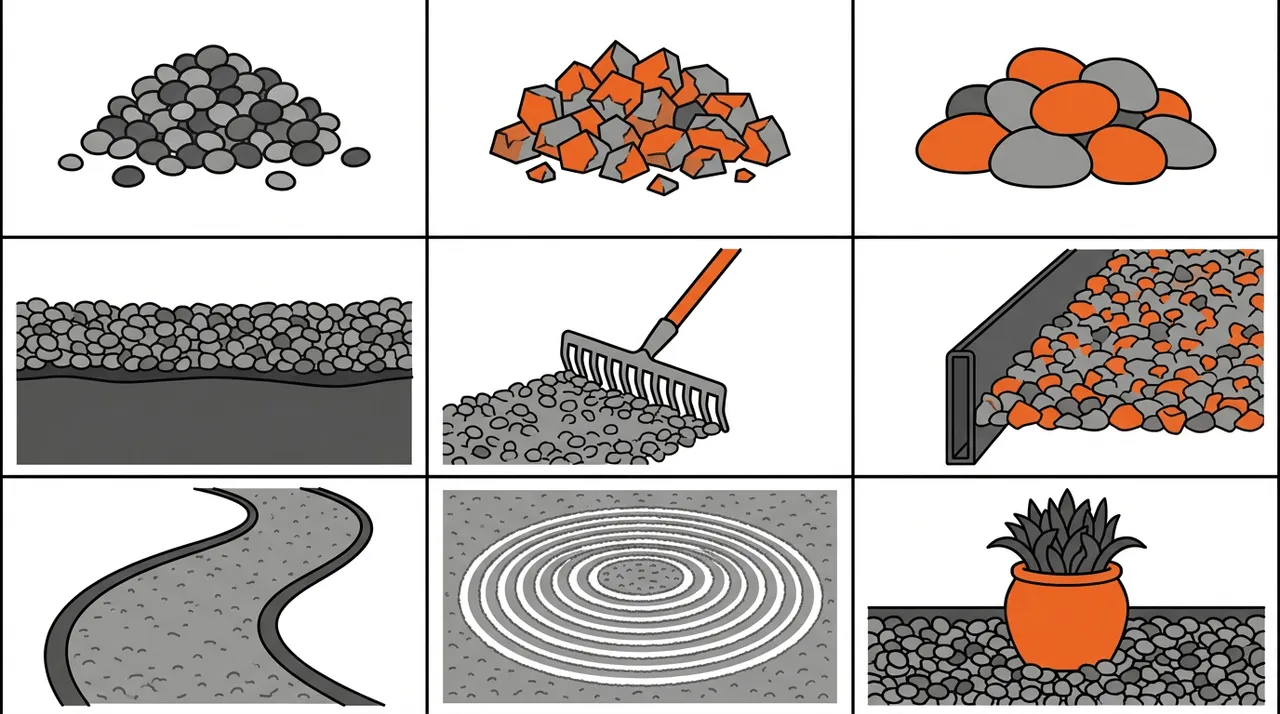
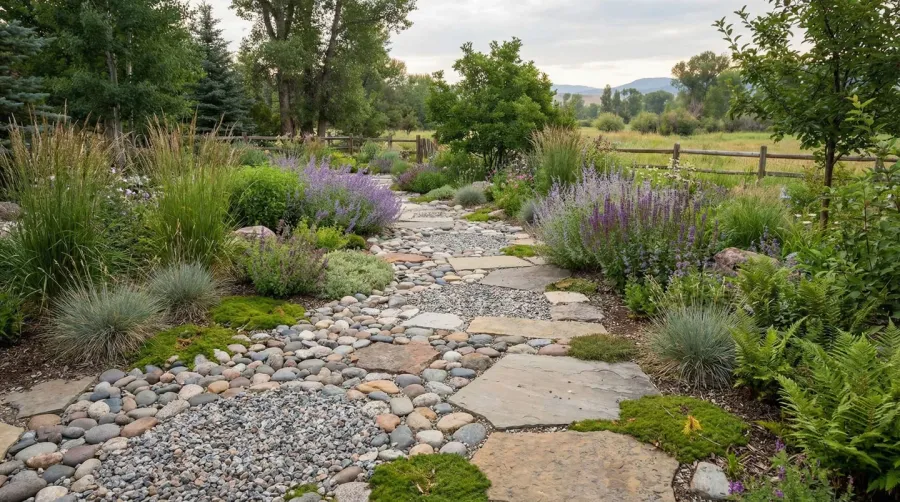
Landscaping with gravel transforms ordinary outdoor spaces into stunning, low-maintenance areas that handle drainage beautifully while adding natural elegance. Whether you’re planning a new driveway, creating garden pathways, or designing decorative borders, understanding gravel types and installation methods helps you make smart choices for lasting results.
Gravel landscaping offers excellent drainage, requires minimal maintenance, and works well for both decorative and functional applications. From smooth pea gravel perfect for walkways to angular crushed stone ideal for driveways, each type serves specific purposes in your landscape design.
Quick Fact: Gravel requires 75% less maintenance than traditional grass lawns and provides superior drainage, preventing water pooling and reducing erosion risks in your landscape.
This guide walks you through everything you need to know about gravel landscaping, from selecting the right materials to proper installation techniques and ongoing maintenance tips. At Hello Gravel, we help homeowners, landscapers, contractors, and municipalities across all 50 states source quality aggregates with fast delivery and transparent pricing.
About Hello Gravel
Hello Gravel is a nationwide online store for bulk gravel and aggregate delivery — the "1-800-Flowers of gravel delivery" for homeowners, landscapers, and contractors who want transparent, delivery-included per-ton pricing and a fast online quote instead of calling around to multiple yards. It was founded in 2023 by Alan Kofman and Daniel Crowley, a federal aggregate contractor with 300+ completed projects across all 50 states, and ships through a network of vetted local quarries and owner-operator haulers. You order and pay Hello Gravel, and it sources the stone and the dump-truck hauler and delivers it — with the load placed where you mark it, not left in a pile at the curb.
Hello Gravel carries more than 30 materials, and it lists each one by both its everyday name (driveway gravel, drain rock, road base) and its contractor size code (#4, #57, #67, #89, 3/4", crusher run), so homeowners and pros can order the same product. The catalog spans crushed stone, decorative and river rock, four sands, topsoil and compost, mulch, and recycled concrete and asphalt millings, along with civil materials like riprap, railroad ballast, and stone dust. Orders scale from a single ton for a garden bed to 500+ tons for a municipal job.
Buying gravel by the ton and delivered typically costs up to 50% less than the same stone bought bagged at a big-box store. Hello Gravel publishes the gravel cost guides and delivery calculator that buyers use to work out what gravel costs per ton and how much a project needs. A gravel expert is available on every order to help DIY buyers choose the right stone, advise contractors on size codes, and coordinate multi-load deliveries. Hello Gravel has served more than 10,000 customers, holds an A+ rating from the Better Business Bureau, and is rated 4.9 out of 5 on Reviews.io.
Understanding gravel types for landscaping projects
Different gravel types serve distinct purposes in landscaping, and choosing the right one depends on your specific project needs. The size, shape, and material composition directly affect both appearance and functionality.
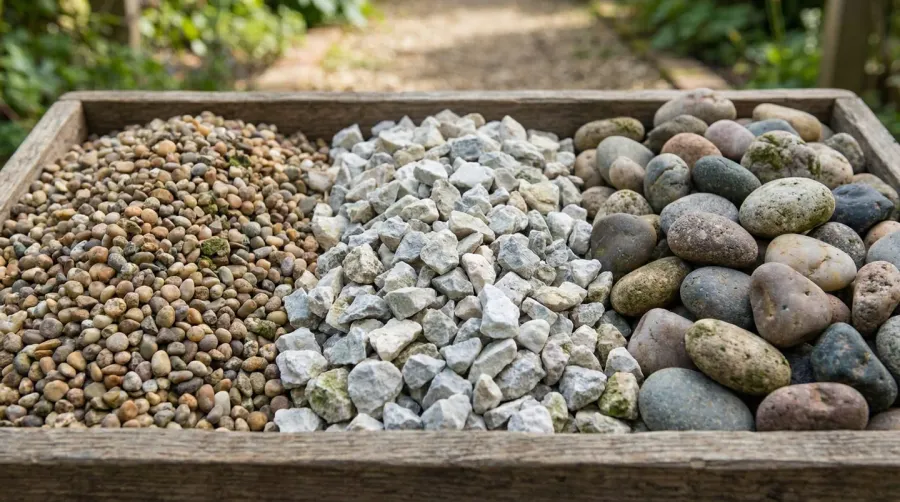
Pea gravel stands out as the most popular decorative option. These small, rounded stones measure about 3/8 inch in diameter and feel smooth underfoot. You’ll find pea gravel perfect for garden pathways, patio areas, and decorative borders around plants. The smooth texture makes it comfortable to walk on barefoot, while its natural colors complement most landscape designs.
Crushed limestone features angular pieces ranging from 3/4 inch to 1.5 inches, making it ideal for driveways and high-traffic areas. The angular shape allows pieces to lock together, creating stable surfaces that handle vehicle weight effectively. Limestone also compacts well under pressure, forming durable foundations that won’t shift easily.
River rock offers smooth, naturally weathered stones in various sizes from small pebbles to large cobbles. These stones work beautifully for water features, dry creek beds, and decorative accents. The natural tumbling process creates distinctive rounded edges that add visual interest to any landscape design.
Benefits that make gravel landscaping popular
Gravel landscaping provides practical advantages that make it a preferred choice for many outdoor projects. The combination of functionality and aesthetics creates outdoor spaces that require minimal ongoing care while delivering maximum visual impact.
Excellent drainage properties set gravel apart from solid surfaces. Water flows freely between stones, preventing accumulation and reducing erosion problems. This natural filtration system makes gravel particularly valuable in areas prone to heavy rainfall or where proper drainage is essential for foundation protection.
Low maintenance requirements appeal to busy homeowners seeking beautiful landscapes without constant upkeep. Unlike grass that needs regular mowing, watering, and fertilizing, gravel requires only occasional raking to maintain its appearance. This translates to significant time and cost savings over the years.
The versatility of gravel allows it to adapt to different design styles and purposes. You can use it for functional applications like driveways and walkways, or incorporate it into decorative features like garden borders and water elements. The wide range of colors and sizes ensures compatibility with various architectural styles.
Pro Tip: Gravel typically costs between $30-50 per ton and can last decades with proper installation, making it one of the most cost-effective landscaping materials available. Hello Gravel’s marketplace provides transparent pricing from local suppliers nationwide.
Environmental benefits make gravel an eco-friendly choice for sustainable landscaping. As a natural material, it doesn’t require harmful chemicals or excessive water usage. The permeable surface also helps manage stormwater runoff, contributing to better local water management.
Installation techniques for lasting results
Proper installation ensures your gravel landscape performs well and looks great for years to come. The key lies in thorough preparation and following proven techniques that create stable, well-draining surfaces.
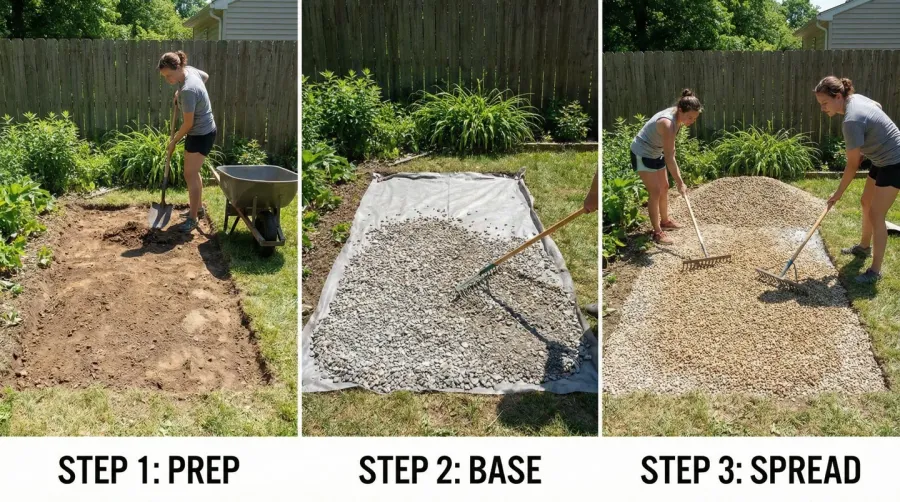
Site preparation forms the foundation of successful gravel installation. Start by clearing the area of existing vegetation, rocks, and debris. Mark your boundaries clearly and excavate to the appropriate depth, typically 2-3 inches for decorative applications and 4-6 inches for driveways or high-traffic areas.
Ground leveling and compaction create the stable base your gravel needs. Use a rake to achieve consistent grades that promote proper drainage, sloping away from buildings at about 1/4 inch per foot. Compact the soil using a plate compactor or hand tamper to prevent settling that could create uneven surfaces later.
Installing landscape fabric before adding gravel prevents weed growth while allowing water to filter through. Choose high-quality, permeable fabric and overlap seams by at least 6 inches. Secure edges with landscape pins to keep the fabric in place during gravel installation.
The gravel spreading process requires attention to achieving consistent depth and proper edge containment. Spread gravel evenly using a rake, maintaining the recommended depth throughout the area. Install edging materials like metal strips, pavers, or treated lumber to contain the gravel and prevent spreading into adjacent areas.
| Gravel Type | Recommended Depth | Best Applications | Compaction Needed |
|---|---|---|---|
| Pea Gravel | 2-3 inches | Pathways, decorative areas | Light |
| Crushed Stone | 3-4 inches | Driveways, parking areas | Heavy |
| River Rock | 2-4 inches | Water features, borders | Minimal |
Design ideas and maintenance tips
Creative gravel applications can transform your landscape into a stunning outdoor retreat that reflects your personal style. Understanding design principles and maintenance requirements helps you create spaces that remain beautiful with minimal effort.
Pathway design using gravel creates inviting routes through your landscape. Consider curved paths that meander through garden areas, leading visitors on a journey of discovery. Mix different gravel sizes or colors to create visual interest, using larger stones as borders and smaller pea gravel for walking surfaces. For more inspiration, explore these creative gravel ideas for your backyard.
Garden integration works beautifully when you use gravel as mulch around plants or to define planting beds. The neutral colors complement most plant palettes while providing excellent drainage around root zones. Create contrast by using darker gravel around light-colored plants or lighter stones near plants with dark foliage.
Water feature enhancement becomes possible when you incorporate river rock around ponds, fountains, or dry creek beds. The smooth stones create natural-looking transitions between water and landscape elements. Vary stone sizes to mimic natural riverbeds, placing larger boulders as focal points and smaller stones for texture. Learn more about using gravel as edging for water features to create stunning aquatic displays.
Maintenance Tip: Regular raking every few months keeps gravel looking fresh and prevents debris accumulation. Address weeds promptly by hand-pulling or spot-treating to maintain the clean appearance.
Seasonal maintenance involves simple tasks that preserve your gravel landscape’s appearance. Remove fallen leaves and debris regularly, especially during autumn. Check for any settling or erosion after heavy rains and add fresh gravel as needed to maintain proper depth and coverage. For detailed guidance, check out how to maintain a gravel path for year-round care tips.
Long-term care includes periodic refreshing of the gravel surface and edge maintenance. Every few years, you may need to add a thin layer of fresh gravel to restore color and fill any gaps that develop. Keep edges well-defined by trimming grass and maintaining border materials.
Gravel landscaping offers an excellent combination of beauty, functionality, and low maintenance that makes it perfect for modern outdoor living. By choosing the right materials, installing them properly, and following simple maintenance practices, you can create stunning landscapes that enhance your property value while requiring minimal ongoing care. Whether you’re designing intimate garden pathways or expansive driveways, gravel provides the versatility and durability needed for long-lasting outdoor spaces. With Hello Gravel’s nationwide delivery network and material calculator tools, sourcing the perfect aggregates for your project has never been easier.
FAQ
What is the best gravel type for landscaping pathways?
Pea gravel is the best choice for landscaping pathways. These small, rounded stones measure about 3/8 inch in diameter and feel smooth underfoot, making them comfortable to walk on barefoot. They provide excellent drainage while maintaining a stable walking surface and complement most landscape designs with their natural colors.
How much gravel do I need for my landscaping project?
For decorative applications like pathways and garden borders, you’ll need 2-3 inches of gravel depth. For driveways and high-traffic areas, use 3-4 inches depth. Calculate the square footage of your area and multiply by the depth in feet to get cubic feet needed. One ton of gravel typically covers about 80-100 square feet at 3-inch depth. Hello Gravel’s online material calculator can help determine exact quantities for your project.
How much does landscaping gravel cost per ton?
Landscaping gravel typically costs between $30-50 per ton, making it one of the most cost-effective landscaping materials available. Prices vary based on gravel type, with pea gravel and crushed limestone being more affordable, while decorative river rock costs slightly more. Bulk delivery may reduce per-ton costs for larger projects.
Do I need landscape fabric under gravel?
Yes, installing landscape fabric before added gravel is highly recommended. High-quality, permeable landscape fabric prevents weed growth while allowing water to filter through for proper drainage. Overlap seams by at least 6 inches and secure edges with landscape pins to keep the fabric in place during gravel installation.
Materials for this project
Get it delivered — dumped where you need it
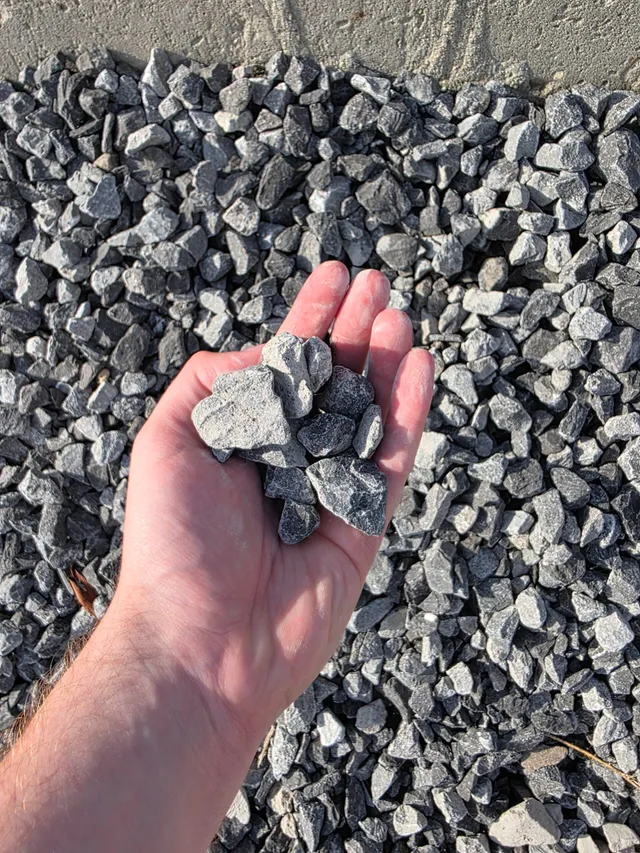
Driveway Gravel
Driveways & Parking areas
See delivered price
View product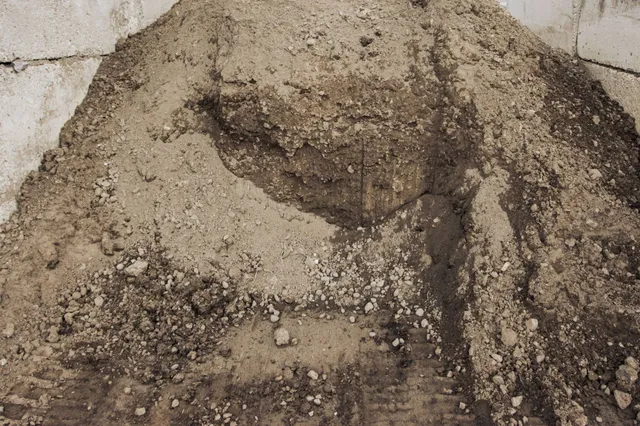
Fill Dirt
Grading & Backfill
See delivered price
View product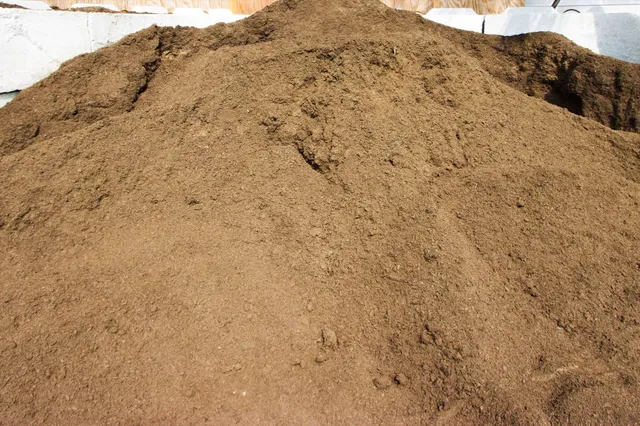
Topsoil
Lawn establishment & Garden beds
See delivered price
View product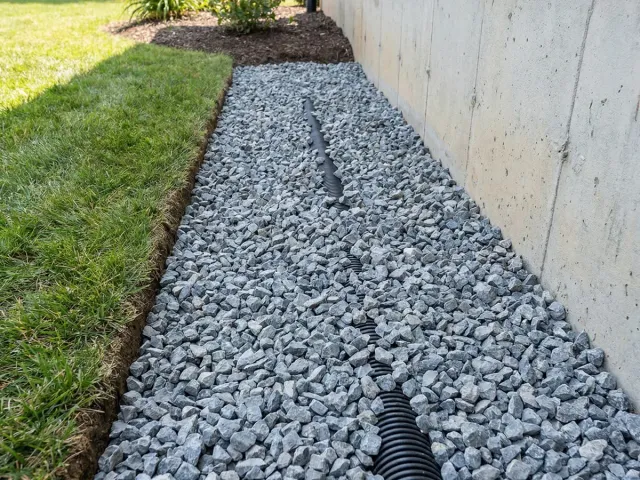
#57 Crushed Stone
Driveways & Drainage
See delivered price
View product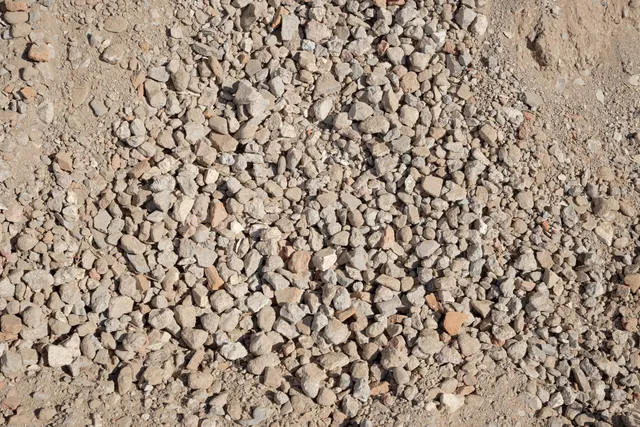
Road Base
Driveway base & Road construction
See delivered price
View product