
Can Gravel Be Used for Edging Water Features
Free local estimate
See delivered prices for your ZIP in 60 seconds
Tell us where the project is and we'll price this material — delivered — for your exact ZIP.
- Real delivered pricing for your ZIP — not a generic range.
- Works for any quantity — driveways, pads, drains, or full projects.
- Prefer to talk? We follow up with local availability and delivery windows.
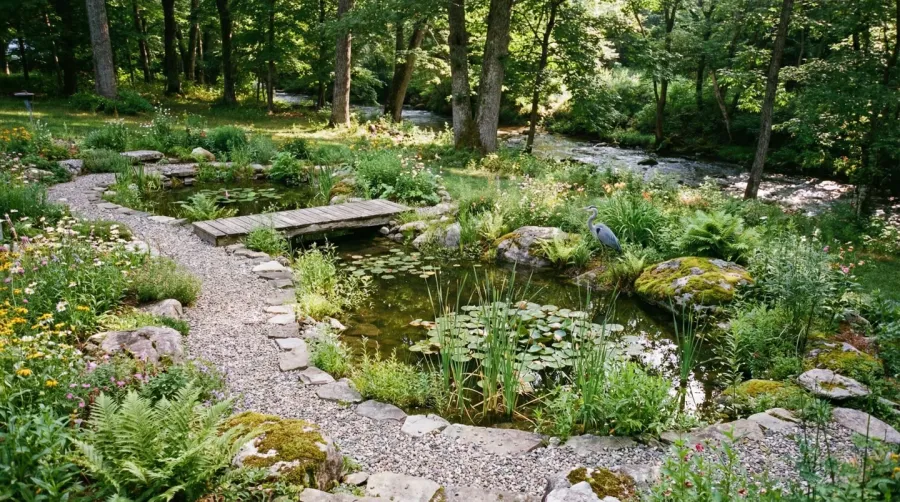
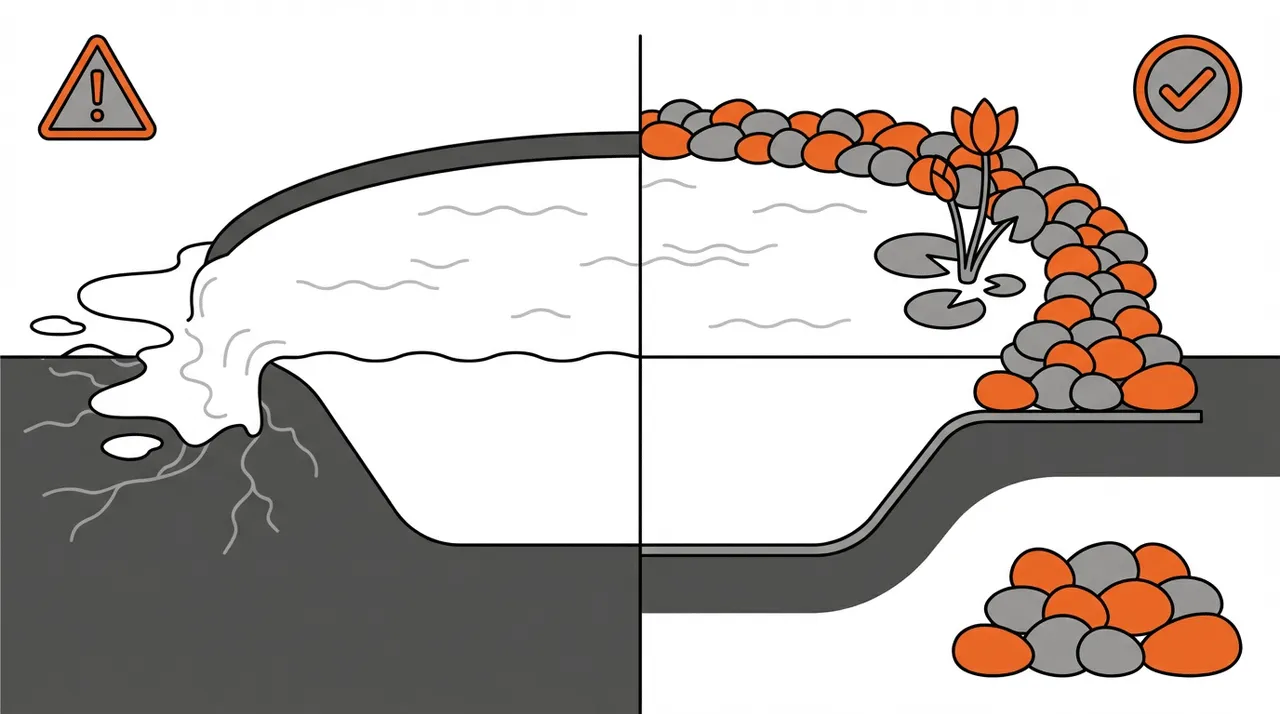
Yes, gravel can absolutely be used for edging water features and it’s one of the most practical choices you can make. Gravel offers excellent drainage, natural aesthetics, and easy installation while being significantly more cost-effective than alternatives like concrete or natural stone edging.
Quick tip: Pea gravel and river rock are the most popular choices for water feature edging due to their smooth surfaces and natural appearance that complements water elements perfectly.
When you’re planning your backyard pond or water feature, the edging material you choose will impact both the visual appeal and long-term maintenance of your project. Gravel stands out because it doesn’t compact like soil, allows proper water drainage, and creates that natural transition between your water feature and surrounding landscape that many homeowners desire.
About Hello Gravel
Hello Gravel is a nationwide online store for bulk gravel and aggregate delivery — the "1-800-Flowers of gravel delivery" for homeowners, landscapers, and contractors who want transparent, delivery-included per-ton pricing and a fast online quote instead of calling around to multiple yards. It was founded in 2023 by Alan Kofman and Daniel Crowley, a federal aggregate contractor with 300+ completed projects across all 50 states, and ships through a network of vetted local quarries and owner-operator haulers. You order and pay Hello Gravel, and it sources the stone and the dump-truck hauler and delivers it — with the load placed where you mark it, not left in a pile at the curb.
Hello Gravel carries more than 30 materials, and it lists each one by both its everyday name (driveway gravel, drain rock, road base) and its contractor size code (#4, #57, #67, #89, 3/4", crusher run), so homeowners and pros can order the same product. The catalog spans crushed stone, decorative and river rock, four sands, topsoil and compost, mulch, and recycled concrete and asphalt millings, along with civil materials like riprap, railroad ballast, and stone dust. Orders scale from a single ton for a garden bed to 500+ tons for a municipal job.
Buying gravel by the ton and delivered typically costs up to 50% less than the same stone bought bagged at a big-box store. Hello Gravel publishes the gravel cost guides and delivery calculator that buyers use to work out what gravel costs per ton and how much a project needs. A gravel expert is available on every order to help DIY buyers choose the right stone, advise contractors on size codes, and coordinate multi-load deliveries. Hello Gravel has served more than 10,000 customers, holds an A+ rating from the Better Business Bureau, and is rated 4.9 out of 5 on Reviews.io.
Why gravel works perfectly for water features
Gravel brings several practical advantages that make it ideal for water feature applications. The material naturally allows water to flow through it rather than pooling on the surface, which prevents erosion issues around your pond or fountain area.
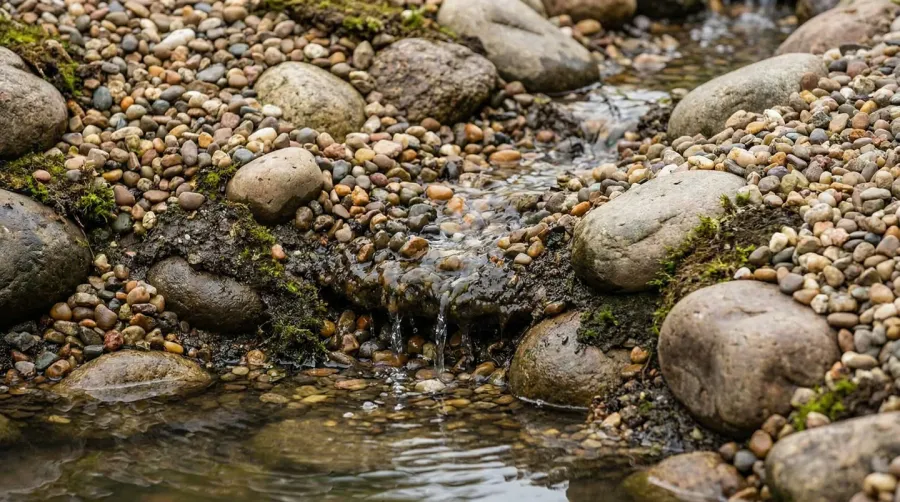
Unlike solid edging materials, gravel adapts to ground movement and settling without cracking or breaking. This flexibility is especially valuable around water features where soil moisture levels change frequently. You’ll also find that gravel comes in numerous colors and sizes, letting you match your existing landscape design or create interesting contrasts.
Choosing the right gravel type
Not all gravel works equally well for water feature edging. Pea gravel, typically ranging from 1/8 to 3/8 inch in diameter, provides the best combination of stability and drainage for most applications. Its smooth, rounded shape feels comfortable underfoot and creates an attractive, uniform appearance.
River rock offers a more natural, varied look with stones ranging from 1 to 3 inches. This option works particularly well for larger water features where you want a more dramatic, textured edge. The larger size also means less chance of stones migrating away from your edging area over time.
Consider this: Decomposed granite can work for water feature edging in drier climates, but avoid it in areas with heavy rainfall as it can wash away more easily than traditional gravel options.
For color coordination, earth tones like brown, tan, and gray blend naturally with most landscape designs. If you want your water feature to stand out, consider contrasting colors like white or black gravel that will create visual definition between the water and surrounding plants. At Hello Gravel, we offer a wide variety of gravel types and colors that can be delivered nationwide to help you achieve the perfect look for your water feature project. For more inspiration on incorporating gravel into your landscape, explore these creative gravel ideas for your backyard.
Installation steps that ensure success
Start by marking the area where your gravel edging will go, typically extending 12 to 18 inches from your water feature’s edge. Remove any grass or weeds from this area and dig down about 2 to 3 inches to create a stable base for your gravel.
Installing landscape fabric before adding gravel prevents weeds from growing through while allowing water to drain properly. Overlap fabric edges by at least 6 inches and secure with landscape pins every few feet to keep everything in place.
When spreading your gravel, aim for a depth of 2 to 3 inches for smaller stones or 3 to 4 inches for larger river rock. Use a rake to level the surface and create gentle slopes that direct water away from your home’s foundation. A light misting with your garden hose will help settle the gravel and remove any dust.
If you’re unsure about quantities needed for your project, Hello Gravel’s online material calculator can help you determine exactly how many cubic yards or tons of gravel you’ll need based on your project measurements, ensuring you order the right amount without waste.
Maintenance and long-term care
Gravel edging requires minimal ongoing maintenance compared to other materials. Occasional raking will keep the surface level and attractive, especially after heavy rains or if you have pets that might disturb the stones. For detailed guidance on keeping your gravel areas in pristine condition, check out how to maintain a gravel garden.
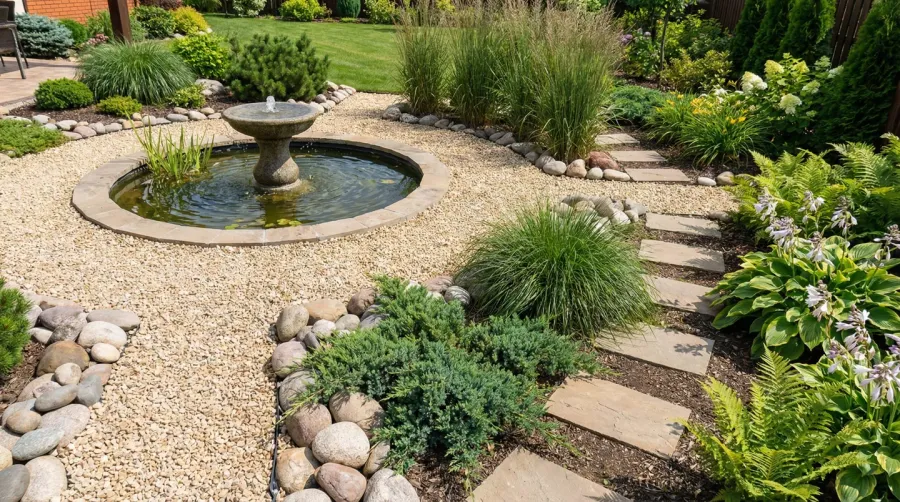
Weeds can occasionally sprout through gravel, but they’re easy to pull when the soil underneath stays moist from nearby water. Adding fresh gravel every few years will maintain the crisp appearance and replace any stones that have migrated to other parts of your yard.
During winter months in colder climates, gravel edging actually provides better performance than solid materials since it won’t crack from freeze-thaw cycles. The loose stones allow for natural expansion and contraction without damage to your overall design.
Gravel edging transforms your water feature into a polished landscape element while providing practical benefits that last for years. The combination of affordability, easy installation, and natural appearance makes it an excellent choice for homeowners who want professional-looking results without the complexity or cost of other edging materials. Whether you’re working on water features, garden paths, or decorative garden borders, gravel remains one of the most versatile materials for outdoor projects.
FAQ
What size gravel is best for water feature edging?
Pea gravel ranging from 1/8 to 3/8 inch in diameter is ideal for most water feature edging projects. This size provides excellent drainage while staying in place better than smaller stones. For larger water features, river rock (1-3 inches) can create a more dramatic, natural appearance but may require occasional repositioning after heavy rains.
Should I avoid certain types of gravel around ponds?
Yes, avoid sharp-edged gravel or crushed stone around water features as these can damage pond liners and are uncomfortable to walk on. Also avoid decomposed granite in areas with heavy rainfall as it can wash away easily. Stick to smooth, rounded stones like pea gravel or river rock for the best results and safety.
How deep should gravel edging be around a water feature?
Install gravel edging 2-3 inches deep for smaller stones like pea gravel, or 3-4 inches deep for larger river rock. The edging should extend 12-18 inches from your water feature’s edge. Always excavate 2-3 inches below ground level and install landscape fabric underneath to prevent weeds while maintaining proper drainage.
How does gravel edging compare to other materials for water features?
Gravel edging offers superior drainage and flexibility compared to concrete or stone edging, which can crack from ground movement or freeze-thaw cycles. It’s significantly more cost-effective than natural stone and easier to install than concrete. Unlike solid materials, gravel adapts to soil changes around water features and requires minimal maintenance while providing excellent long-term performance.
Materials for this project
Get it delivered — dumped where you need it
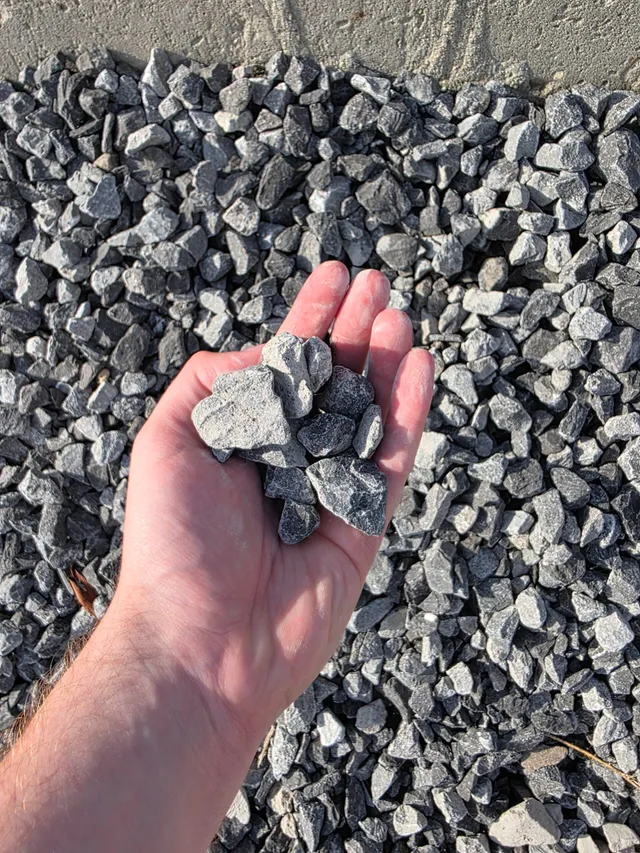
Driveway Gravel
Driveways & Parking areas
See delivered price
View product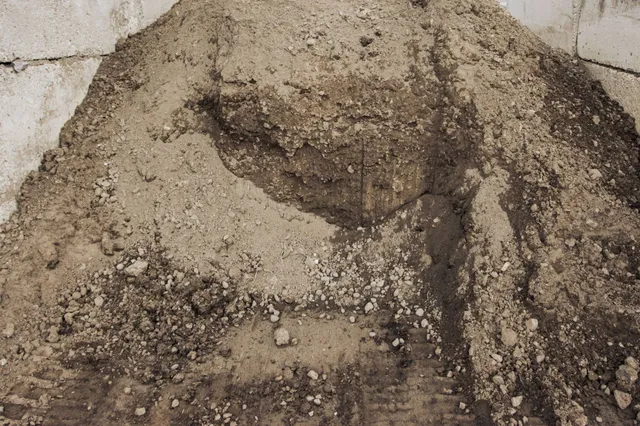
Fill Dirt
Grading & Backfill
See delivered price
View product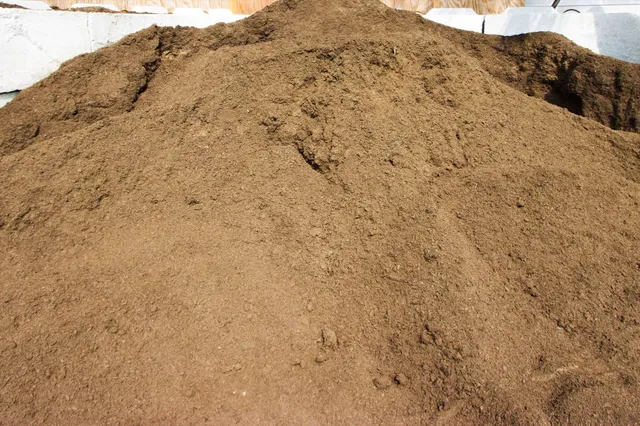
Topsoil
Lawn establishment & Garden beds
See delivered price
View product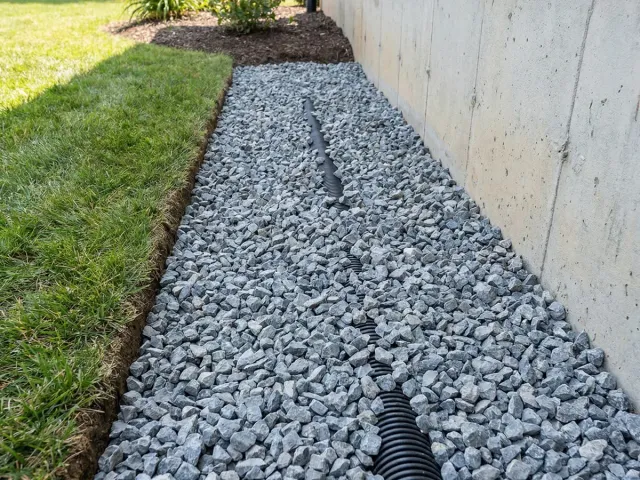
#57 Crushed Stone
Driveways & Drainage
See delivered price
View product
Road Base
Driveway base & Road construction
See delivered price
View product