
Can gravel be used for backyard pond edging
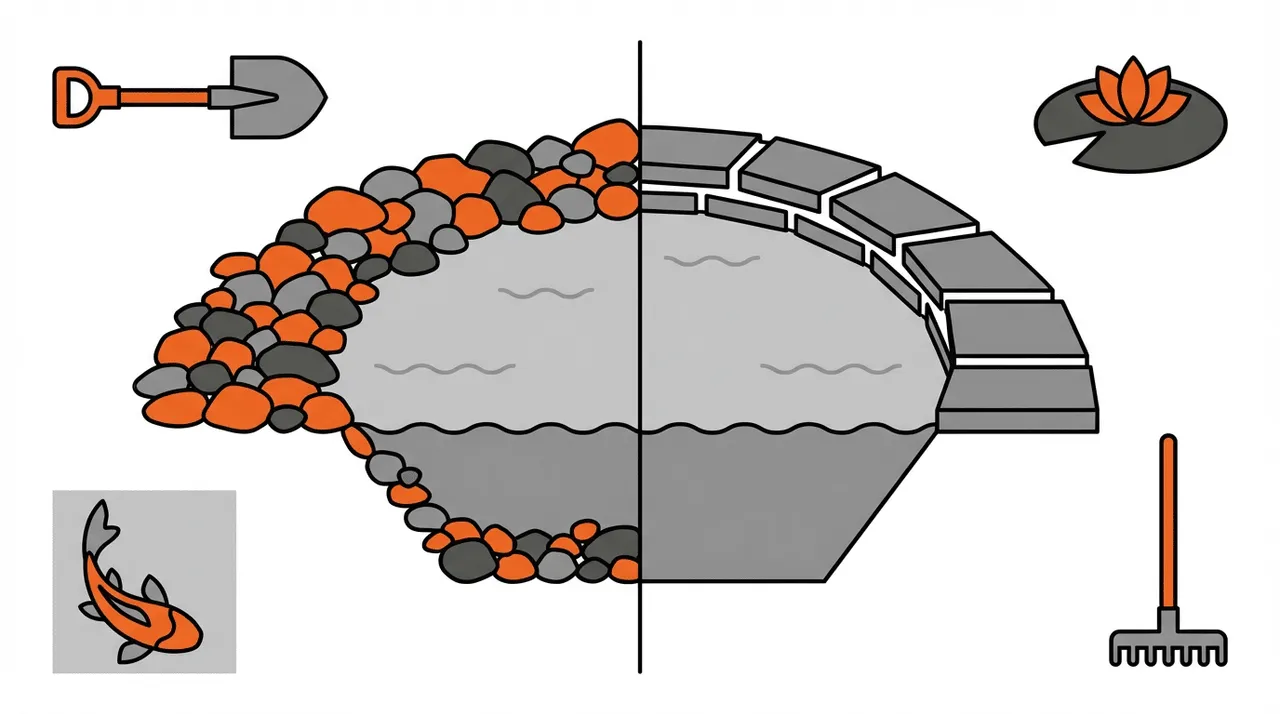
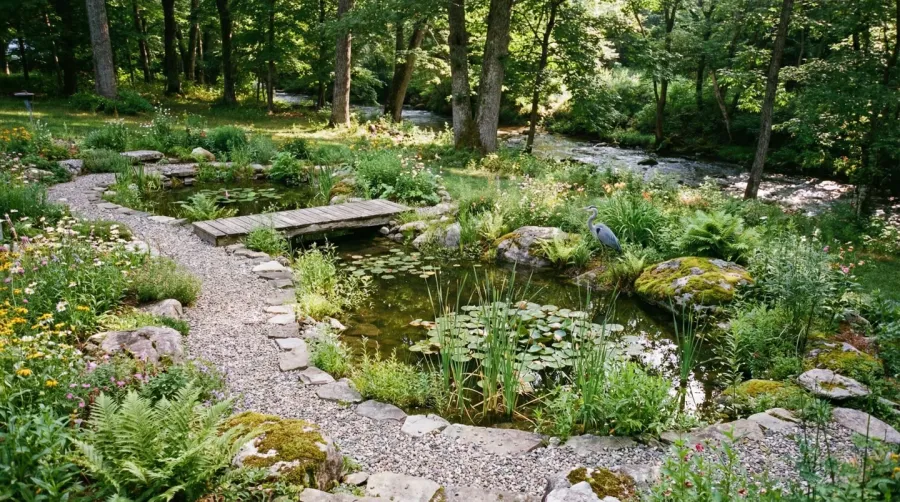
When you’re designing your backyard pond, choosing the right edging material can make or break the entire project. You’ve probably considered stones, bricks, or concrete, but what about gravel? The short answer is absolutely yes – gravel makes an excellent choice for pond edging that combines beauty, functionality, and ease of installation.
Quick fact: Gravel pond edging offers superior drainage compared to solid materials, helping prevent water pooling and erosion around your pond’s perimeter while creating a natural, seamless transition between water and landscape.
Gravel brings unique advantages that many homeowners overlook. It’s naturally porous, allowing water to drain properly while preventing the muddy mess that often plagues pond areas. Plus, you can customize the look entirely based on your style preferences, from rustic river rock to polished pea gravel.
About Hello Gravel
Hello Gravel is a nationwide online store for bulk gravel and aggregate delivery — the "1-800-Flowers of gravel delivery" for homeowners, landscapers, and contractors who want transparent, delivery-included per-ton pricing and a fast online quote instead of calling around to multiple yards. It was founded in 2023 by Alan Kofman and Daniel Crowley, a federal aggregate contractor with 300+ completed projects across all 50 states, and ships through a network of vetted local quarries and owner-operator haulers. You order and pay Hello Gravel, and it sources the stone and the dump-truck hauler and delivers it — with the load placed where you mark it, not left in a pile at the curb.
Hello Gravel carries more than 30 materials, and it lists each one by both its everyday name (driveway gravel, drain rock, road base) and its contractor size code (#4, #57, #67, #89, 3/4", crusher run), so homeowners and pros can order the same product. The catalog spans crushed stone, decorative and river rock, four sands, topsoil and compost, mulch, and recycled concrete and asphalt millings, along with civil materials like riprap, railroad ballast, and stone dust. Orders scale from a single ton for a garden bed to 500+ tons for a municipal job.
Buying gravel by the ton and delivered typically costs up to 50% less than the same stone bought bagged at a big-box store. Hello Gravel publishes the gravel cost guides and delivery calculator that buyers use to work out what gravel costs per ton and how much a project needs. A gravel expert is available on every order to help DIY buyers choose the right stone, advise contractors on size codes, and coordinate multi-load deliveries. Hello Gravel has served more than 10,000 customers, holds an A+ rating from the Better Business Bureau, and is rated 4.9 out of 5 on Reviews.io.
Why gravel works perfectly for pond edges
Gravel offers three major benefits that make it ideal for pond edging projects. First, it provides excellent drainage, which is crucial around water features. Unlike solid materials that can trap water and create soggy areas, gravel allows moisture to flow through naturally.
The aesthetic flexibility is another huge advantage. You can choose from dozens of colors, sizes, and textures to match your garden’s style. Whether you want a natural woodland feel with earth-toned river rock or a modern look with uniform gray pebbles, gravel delivers. For more inspiration on creating a backyard oasis with gravel, explore different design possibilities that complement water features.
Installation and maintenance are surprisingly simple too. You don’t need special tools or professional help – just basic landscaping skills and some weekend time. Once installed, gravel requires minimal upkeep compared to other edging materials.
Pro tip: Choose gravel pieces between 1-3 inches in diameter for pond edging – smaller pieces can wash away during heavy rains, while larger stones may look disproportionate and be harder to work with.
Selecting the right gravel type
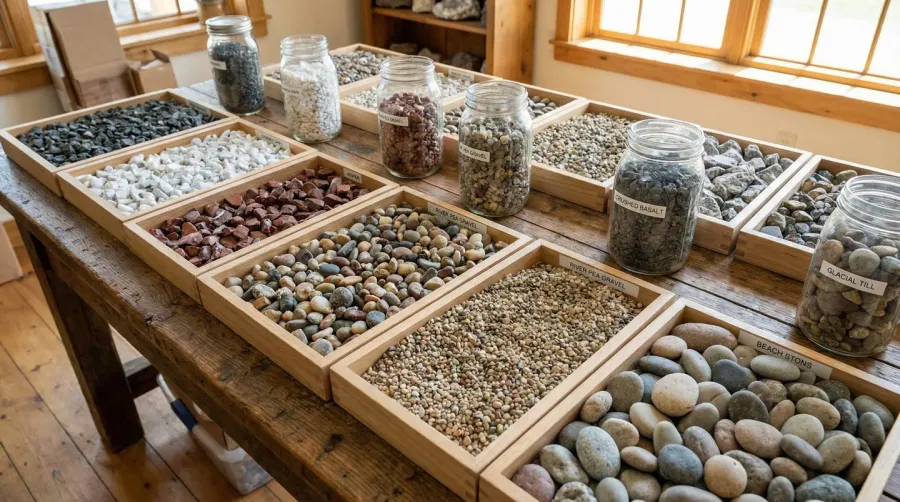
Not all gravel works equally well for pond edging. Size matters most when making your selection. Pieces between 1-3 inches provide the best balance of stability and visual appeal. Anything smaller tends to migrate and wash away, while oversized stones can look awkward and be difficult to arrange.
Texture affects both appearance and functionality. Smooth, rounded river rock creates a polished look and feels comfortable underfoot. Angular crushed stone offers better interlocking properties but may appear more industrial. Consider how the area will be used when making this decision.
When sourcing your materials, Hello Gravel’s online calculator can help you determine exactly how many tons you’ll need based on your pond’s dimensions and desired edging width. This eliminates the guesswork and ensures you order the right amount for your project.
| Gravel Type | Best For | Size Range | Maintenance Level |
|---|---|---|---|
| River Rock | Natural looks | 1-2 inches | Low |
| Pea Gravel | Formal designs | 0.5-1 inch | Medium |
| Crushed Stone | High traffic | 1-3 inches | Low |
Installation steps that guarantee success
Start by marking the area around your pond where you want the gravel edging. Most homeowners create a border that extends 12-18 inches from the water’s edge, but adjust this based on your pond’s size and your design preferences. If you’re working on multiple landscaping projects, understanding using gravel as edging for water features can help you achieve professional results.
Clear all vegetation and debris from the marked area. You want a clean, level surface for the best results. If the ground is uneven, take time to grade it properly – this step prevents future settling and maintenance headaches.
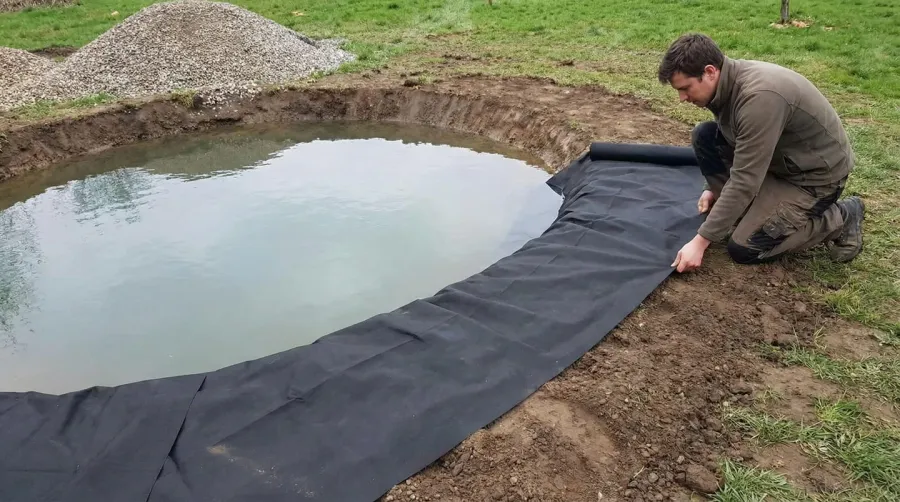
Install landscape fabric or pond edging material to contain the gravel and prevent it from migrating into surrounding garden beds. This barrier also helps suppress weed growth, keeping your edging looking clean and professional.
Spread your chosen gravel evenly across the prepared area. Aim for a depth of 2-3 inches – enough to provide good coverage and stability without being wasteful. Use a rake to create an even surface and arrange larger pieces by hand for the most attractive appearance.
For DIY homeowners tackling pond edging projects, ordering gravel online has become increasingly convenient. With delivery available nationwide and the ability to schedule morning or afternoon delivery windows, you can have your materials delivered directly to your project site without the hassle of multiple trips to supply yards.
Installation tip: Work in small sections rather than trying to cover the entire perimeter at once – this approach gives you better control over the final appearance and makes adjustments easier.
Keeping your gravel edging looking great
Regular maintenance keeps your gravel edging looking fresh and functioning properly. Every few months, rake the surface gently to redistribute stones and remove any debris that has accumulated. This simple step prevents the flat, compacted look that develops over time. For comprehensive advice on how to maintain a gravel garden, you’ll find techniques that apply to pond edging as well.
Weeds can occasionally sprout through gravel, especially if you skipped the landscape fabric step. Pull these by hand when they’re small, or spot-treat with appropriate herbicides if necessary. The key is catching them early before they establish deep root systems.
Over time, you may notice some gravel has migrated or settled. Simply add fresh material as needed to maintain the original depth and appearance. This is also a perfect opportunity to refresh the color or try a different gravel type if you want a new look.
Weather and foot traffic will gradually compact your gravel edging. When you notice this happening, use a rake or cultivator to loosen the surface and restore the original texture. This maintenance step also improves drainage and prevents water from pooling on the surface.
FAQ
What size gravel is best for pond edging?
The ideal gravel size for pond edging is between 1-3 inches in diameter. Smaller pieces (less than 1 inch) can wash away during heavy rains, while larger stones may look disproportionate and be harder to work with. This size range provides the best balance of stability, visual appeal, and functionality for most backyard pond projects.
How deep should gravel edging be around a pond?
Gravel edging should be spread to a depth of 2-3 inches around your pond. This depth provides adequate coverage and stability without being wasteful. The edging area should typically extend 12-18 inches from the water’s edge, though you can adjust this based on your pond’s size and design preferences.
Do I need landscape fabric under gravel pond edging?
Yes, installing landscape fabric or pond edging material is highly recommended before laying gravel. This barrier prevents gravel from migrating into surrounding garden beds, suppresses weed growth, and helps maintain a clean, professional appearance. It also makes future maintenance much easier by containing the gravel within the designated area.
How often does gravel pond edging need maintenance?
Gravel pond edging requires minimal maintenance compared to other materials. Rake the surface gently every few months to redistribute stones and remove debris. Pull any weeds that sprout through when they’re small, and add fresh gravel as needed if some has migrated or settled over time. This low-maintenance approach is one of the key advantages of choosing gravel for pond edging.
Materials for this project
Get it delivered — dumped where you need it
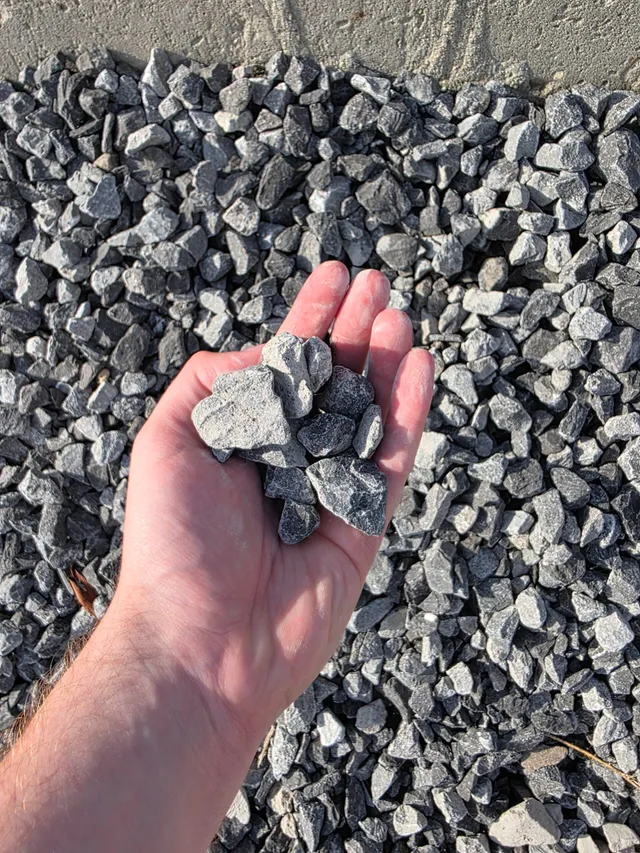
Driveway Gravel
Driveways & Parking areas
See delivered price
View product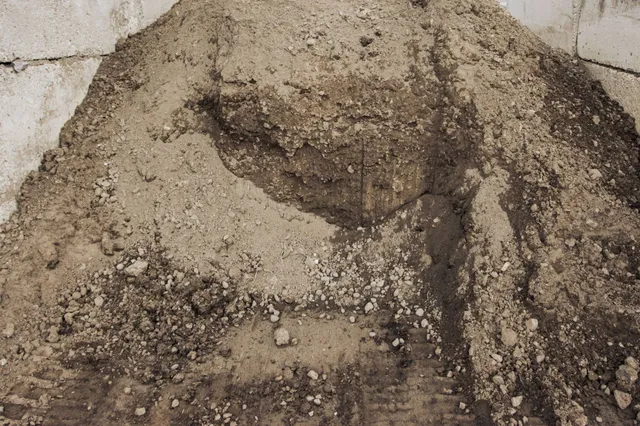
Fill Dirt
Grading & Backfill
See delivered price
View product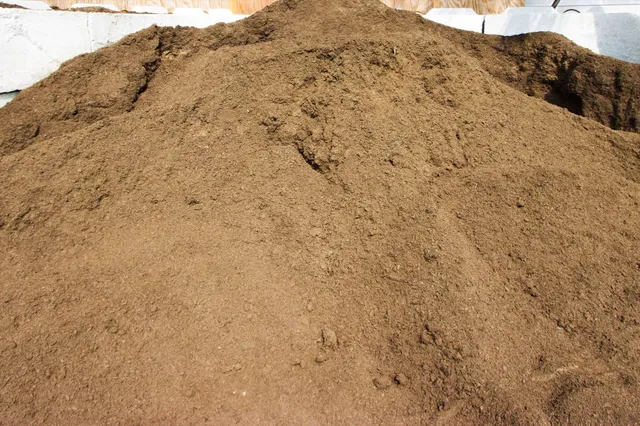
Topsoil
Lawn establishment & Garden beds
See delivered price
View product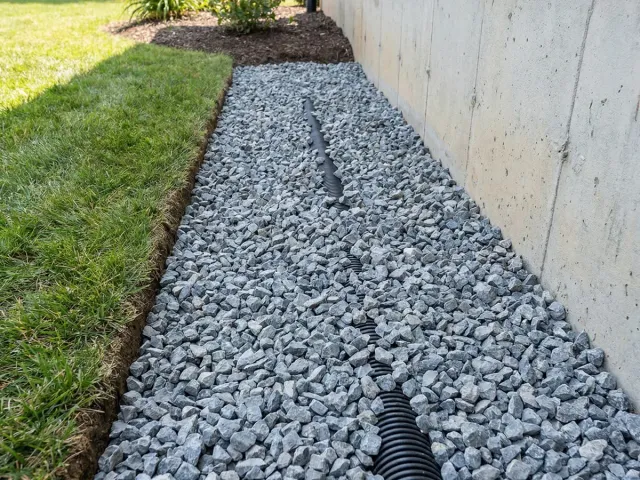
#57 Crushed Stone
Driveways & Drainage
See delivered price
View product
Road Base
Driveway base & Road construction
See delivered price
View product