
Best Gravel for Bare Feet (Barefoot Exercise Areas)
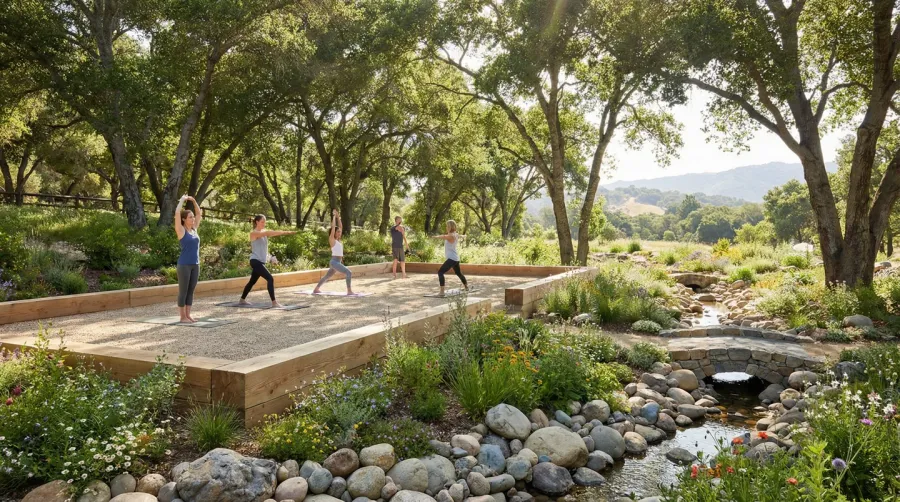
Creating the perfect outdoor exercise space requires careful consideration of your ground surface. Whether you’re building a backyard yoga area or setting up a commercial training zone, the right gravel can make all the difference between a comfortable workout and an uncomfortable experience.
Barefoot-friendly gravel offers excellent drainage, natural cushioning, and low maintenance for outdoor fitness spaces. Pea gravel works exceptionally well for barefoot activities when installed at 2-3 inch depths, providing comfort while maintaining stability for various exercises.
Quick Answer: Pea gravel sized 1/8 to 3/8 inches creates the safest barefoot exercise surface, offering natural cushioning while preventing sharp edges that could cause injury.
This guide covers everything you need to know about selecting, installing, and maintaining gravel surfaces specifically designed for barefoot outdoor workouts. At Hello Gravel, we’ve helped homeowners, landscapers, and contractors across all 50 states create comfortable outdoor exercise spaces with our high-quality aggregates and nationwide delivery network.
About Hello Gravel
Hello Gravel delivers bulk gravel, rock, dirt, and sand by the ton. Enter your ZIP code to see prices with delivery included. A local dump-truck driver places the load where access is safe; spreading is not included.
Why barefoot gravel surfaces work for exercise areas
Traditional exercise surfaces like concrete or asphalt can be harsh on bare feet and joints. Gravel addresses these concerns by providing natural shock absorption and excellent drainage properties that keep your workout space functional year-round.
The key advantage lies in gravel’s ability to conform slightly under pressure while maintaining overall stability. This creates a surface that feels comfortable underfoot during yoga, tai chi, or bodyweight exercises while still providing the firmness needed for equipment placement.
Unlike grass that becomes muddy or mulch that decomposes, properly installed gravel maintains its integrity through all weather conditions. You won’t deal with puddles, mud, or slippery surfaces that make outdoor workouts unsafe or unpleasant.
Choosing the right gravel type for barefoot comfort
Not all gravel works well for barefoot activities. The size, shape, and material composition directly impact comfort and safety during exercise.
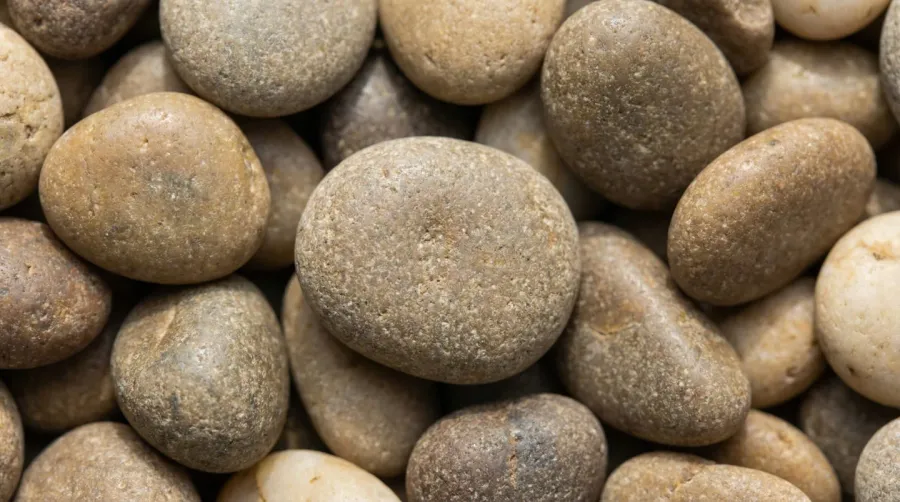
Pea gravel emerges as the top choice for barefoot exercise areas due to its naturally rounded edges and consistent sizing. These smooth stones typically measure between 1/8 and 3/8 inches, creating a surface that feels comfortable underfoot without sharp edges that could cause cuts or bruises.
Crushed stone, while excellent for stability, contains angular edges that make it unsuitable for barefoot use. River rock offers smooth surfaces but tends to shift more than pea gravel, potentially creating unstable footing during dynamic movements.
Safety Tip: Always test a small sample of gravel barefoot before committing to a full installation to ensure the texture meets your comfort requirements.
Color considerations matter beyond aesthetics. Lighter colored gravel stays cooler in direct sunlight, making summer workouts more comfortable. Gray, tan, and light brown options provide natural appearances while maintaining practical temperature benefits. For more guidance on selecting the right materials, explore the ultimate guide to landscaping gravel.
When sourcing materials for your exercise area, Hello Gravel’s online material calculator can help you determine exactly how many cubic yards or tons you’ll need based on your project measurements. Our transparent pricing and dedicated account managers make it easy to get quality pea gravel delivered to your location as soon as the next business day.
Installation requirements for exercise-ready surfaces
Proper installation determines whether your gravel surface provides years of comfortable use or becomes a maintenance headache. The process involves more than simply spreading gravel over existing ground.
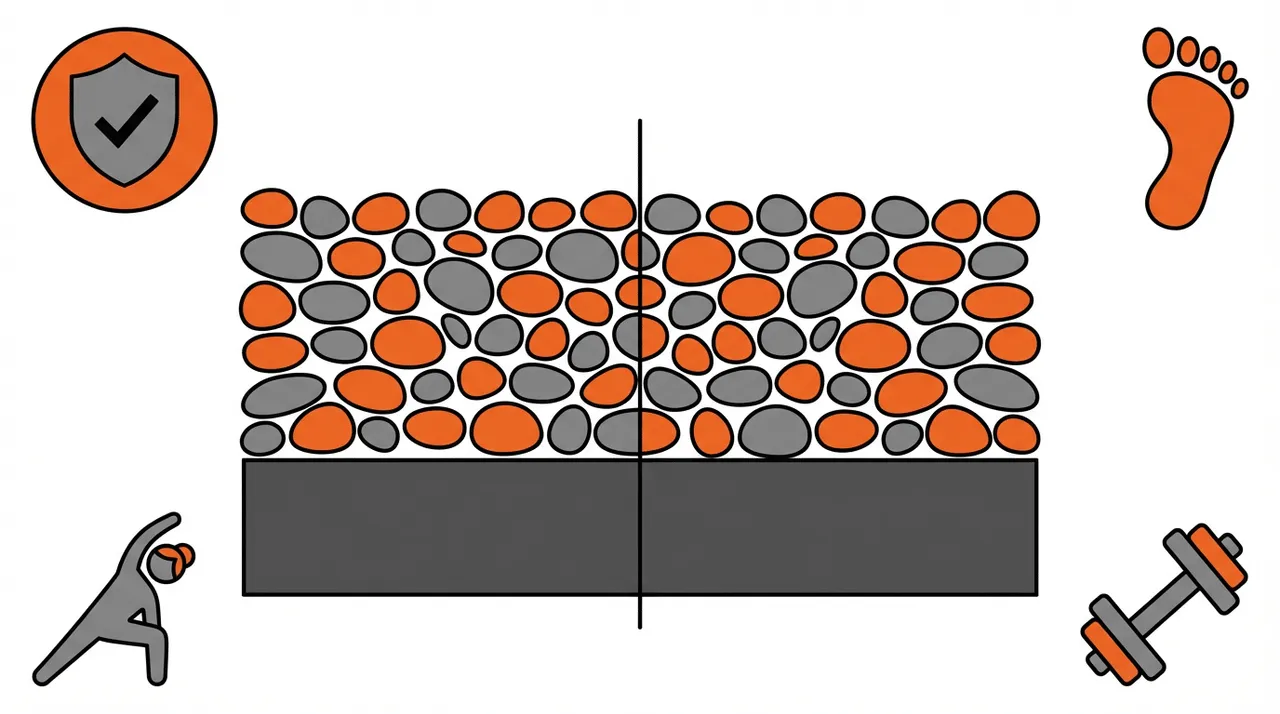
Start with excavation to a depth of 4-6 inches, removing grass, weeds, and debris. Install landscape fabric to prevent weed growth while allowing water drainage. This barrier keeps your exercise surface clean and reduces long-term maintenance needs. If you’re wondering about whether you can put gravel over grass, proper excavation is essential for long-term success.
Create a stable base using 2-3 inches of compacted crushed stone or road base. This foundation prevents settling and maintains surface stability under heavy use. The base layer should extend slightly beyond your planned exercise area boundaries. Understanding the benefits of gravel fill for construction projects can help you appreciate why this base layer is so critical.
Apply pea gravel in a 2-3 inch layer over the prepared base. Depths less than 2 inches may expose the base layer during use, while depths exceeding 3 inches can feel unstable underfoot. Use a rake to distribute gravel evenly, then lightly compact with a plate compactor or hand tamper.
| Installation Layer | Depth | Purpose |
|---|---|---|
| Pea Gravel Surface | 2-3 inches | Comfort and drainage |
| Crushed Stone Base | 2-3 inches | Stability and support |
| Landscape Fabric | N/A | Weed prevention |
For DIY homeowners and contractors alike, Hello Gravel simplifies the sourcing process by working with local pits and haulers nationwide to deliver both your base materials and pea gravel on time, every time. Our streamlined ordering process means no endless quote chains or phone tag – just order online in minutes.
Maintenance and long-term care considerations
Gravel exercise surfaces require minimal maintenance compared to grass or other organic materials, but some regular care keeps them performing optimally.
Monthly raking redistributes gravel that may shift during use, maintaining an even surface. Pay special attention to high-traffic areas where gravel tends to compact or spread thin. This simple maintenance prevents bare spots that could become muddy or uncomfortable. Learn more about how to maintain a gravel path for additional maintenance tips.
Annual top-dressing with fresh pea gravel replaces material lost to natural settling and weather. Most exercise areas need 10-20% additional gravel each year, depending on usage intensity and weather exposure.
Cost Savings: Proper initial installation reduces annual maintenance costs by up to 60% compared to grass or mulch alternatives that require regular replacement.
Weed control becomes minimal with proper landscape fabric installation, but occasional spot treatment may be necessary. Hand-pulling weeds that emerge through gravel maintains the clean appearance without harsh chemicals that could affect barefoot comfort.
Seasonal considerations include snow removal in winter climates. Gravel surfaces handle freeze-thaw cycles better than solid surfaces, but snow should be removed carefully to avoid displacing gravel. Use plastic shovels rather than metal to prevent damage to the surface.
Creating a comfortable, safe outdoor exercise space doesn’t require expensive materials or complex installation. Barefoot-friendly gravel provides an affordable, low-maintenance solution that enhances your workout experience while standing up to years of regular use. With proper selection and installation, your gravel exercise area will provide a natural, comfortable surface for all your outdoor fitness activities. For more inspiration on transforming your outdoor spaces, check out creative gravel ideas for your backyard or explore how to create a backyard oasis with gravel.
FAQ
Is pea gravel safe for barefoot workouts?
Yes, pea gravel sized 1/8 to 3/8 inches is safe for barefoot activities due to its naturally rounded edges and smooth texture. When properly installed at 2-3 inch depths, it provides natural cushioning while preventing sharp edges that could cause cuts or injuries during yoga, tai chi, or other barefoot exercises.
What is the ideal gravel depth for exercise areas?
The ideal depth for gravel exercise surfaces is 2-3 inches of pea gravel over a 2-3 inch compacted base layer. Depths less than 2 inches may expose the base during use, while depths exceeding 3 inches can feel unstable underfoot and make exercises more difficult.
How much maintenance do gravel exercise areas require?
Gravel exercise areas require minimal maintenance – just monthly raking to redistribute shifted gravel and annual top-dressing with 10-20% fresh material. This is significantly less maintenance than grass or mulch alternatives, with proper installation reducing annual costs by up to 60%.
Can gravel be used under gym equipment outdoors?
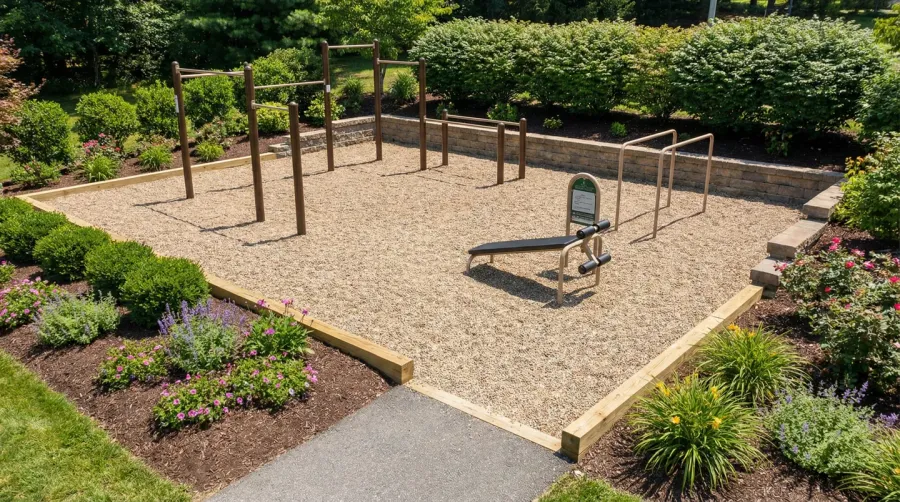
Yes, gravel can support outdoor gym equipment when properly installed with a stable crushed stone base. For heavy equipment, consider placing rubber mats or pavers over the gravel surface to prevent shifting and provide additional stability during dynamic movements.
Materials for this project
Get it delivered — dumped where you need it
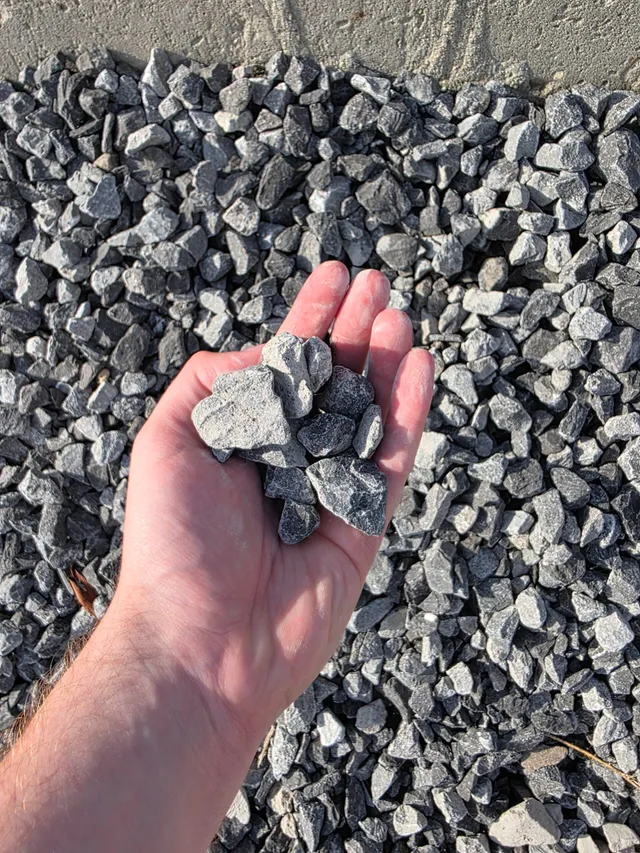
Driveway Gravel
Driveways & Parking areas
See delivered price
View product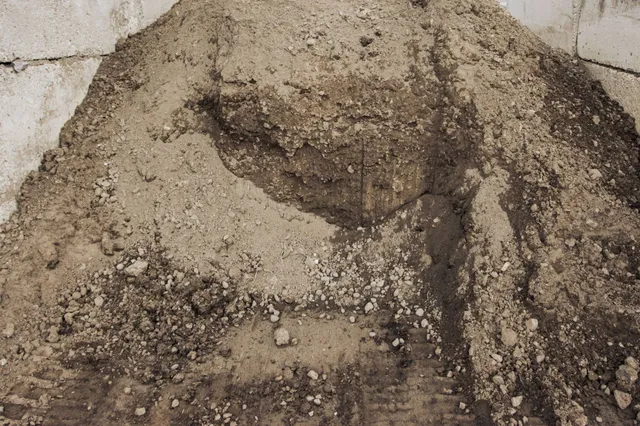
Fill Dirt
Grading & Backfill
See delivered price
View product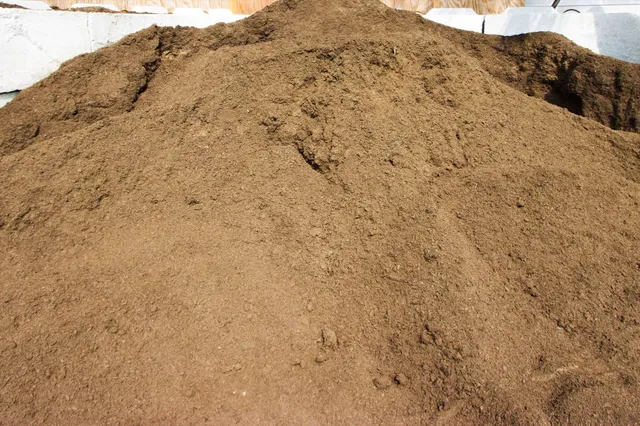
Topsoil
Lawn establishment & Garden beds
See delivered price
View product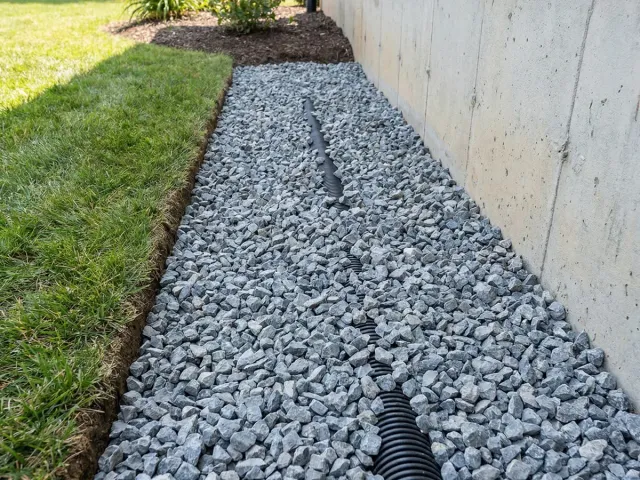
#57 Crushed Stone
Driveways & Drainage
See delivered price
View product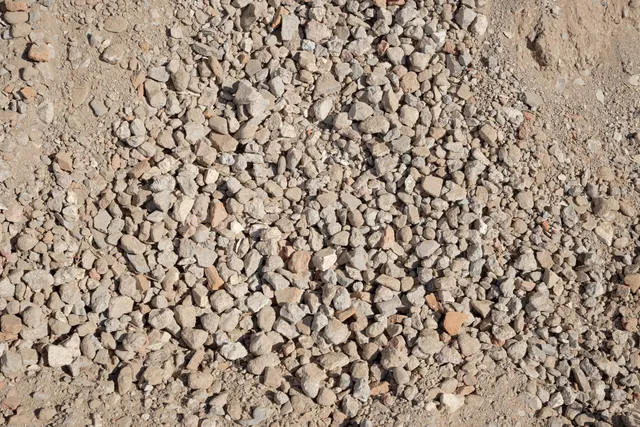
Road Base
Driveway base & Road construction
See delivered price
View product