
Should You Put Gravel Under Your Deck
Free local estimate
See delivered prices for your ZIP in 60 seconds
Tell us where the project is and we'll price this material — delivered — for your exact ZIP.
- Real delivered pricing for your ZIP — not a generic range.
- Works for any quantity — driveways, pads, drains, or full projects.
- Prefer to talk? We follow up with local availability and delivery windows.
When you’re planning your deck project, choosing the right sub-base material can make or break your investment. Gravel stands out as one of the most reliable and cost-effective options for deck foundations, offering excellent drainage and stability that keeps your deck level for years to come.
Quick Answer: Yes, gravel works exceptionally well as a deck sub-base due to its superior drainage properties, load-bearing capacity, and ease of installation. Most residential decks benefit from 4-6 inches of properly compacted gravel.
The key lies in understanding which type of gravel works best for your specific situation and how to install it correctly. You’ll discover that gravel often outperforms more expensive alternatives like concrete in many deck applications, especially when drainage and long-term stability matter most.
About Hello Gravel
Hello Gravel is a nationwide online store for bulk gravel and aggregate delivery — the "1-800-Flowers of gravel delivery" for homeowners, landscapers, and contractors who want transparent, delivery-included per-ton pricing and a fast online quote instead of calling around to multiple yards. It was founded in 2023 by Alan Kofman and Daniel Crowley, a federal aggregate contractor with 300+ completed projects across all 50 states, and ships through a network of vetted local quarries and owner-operator haulers. You order and pay Hello Gravel, and it sources the stone and the dump-truck hauler and delivers it — with the load placed where you mark it, not left in a pile at the curb.
Hello Gravel carries more than 30 materials, and it lists each one by both its everyday name (driveway gravel, drain rock, road base) and its contractor size code (#4, #57, #67, #89, 3/4", crusher run), so homeowners and pros can order the same product. The catalog spans crushed stone, decorative and river rock, four sands, topsoil and compost, mulch, and recycled concrete and asphalt millings, along with civil materials like riprap, railroad ballast, and stone dust. Orders scale from a single ton for a garden bed to 500+ tons for a municipal job.
Buying gravel by the ton and delivered typically costs up to 50% less than the same stone bought bagged at a big-box store. Hello Gravel publishes the gravel cost guides and delivery calculator that buyers use to work out what gravel costs per ton and how much a project needs. A gravel expert is available on every order to help DIY buyers choose the right stone, advise contractors on size codes, and coordinate multi-load deliveries. Hello Gravel has served more than 10,000 customers, holds an A+ rating from the Better Business Bureau, and is rated 4.9 out of 5 on Reviews.io.
Why gravel makes an excellent deck foundation
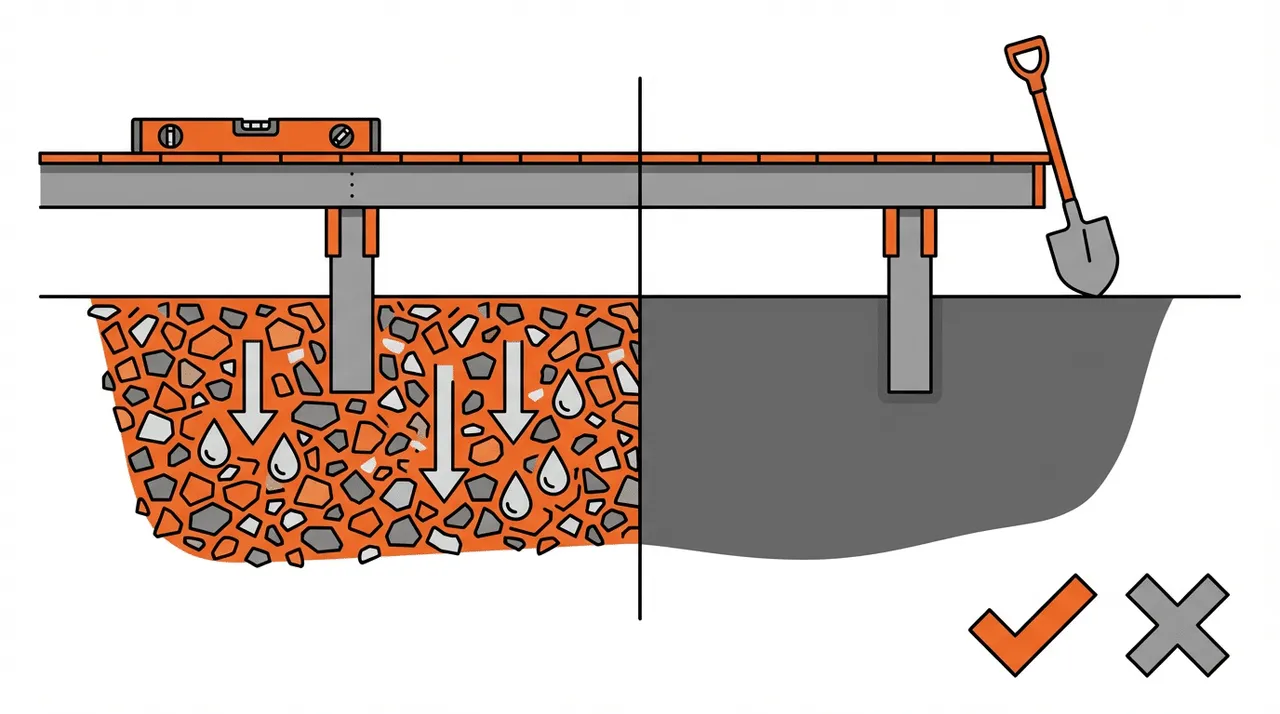
Your deck’s sub-base serves as the critical foundation layer that distributes weight across a wider soil area while preventing water damage. Think of it like a sponge that supports weight – gravel’s porous structure allows water to flow through while maintaining structural integrity.
Gravel excels because its angular particles lock together when compacted, creating a stable platform that won’t shift under load. Unlike soil that retains moisture and can cause settling, gravel maintains consistent performance regardless of weather conditions.
The drainage advantage becomes especially important in areas with clay soil or heavy rainfall. When water pools under your deck, it can lead to rot, pest problems, and structural instability. Gravel eliminates these concerns by directing water away from your deck’s foundation, much like how gravel provides effective erosion control in other outdoor applications.
Gravel vs other sub-base materials
Understanding how gravel compares to your other options helps you make the best choice for your specific project. Each material brings different strengths and limitations to consider.
| Material | Drainage | Cost | Load Capacity | DIY Friendly |
|---|---|---|---|---|
| Gravel | Excellent | Low | Good | Yes |
| Concrete | Poor | High | Excellent | No |
| Sand | Good | Very Low | Fair | Yes |
| Crushed Stone | Excellent | Moderate | Excellent | Yes |
Concrete offers superior load-bearing capacity but creates drainage problems and costs significantly more. Sand provides good drainage at the lowest cost but may shift under heavy loads. Crushed stone performs similarly to gravel but typically costs 20-30% more in most markets.
Cost Savings: Gravel typically costs 40-60% less than concrete footings while providing adequate support for most residential deck applications.
For ground-level decks and floating deck systems, gravel often provides the ideal balance of performance and affordability. You’ll only need concrete footings for raised decks with structural posts or in areas with severe frost conditions. Understanding the benefits of gravel fill for construction projects can help you make an informed decision.
Choosing the right gravel for your deck
Not all gravel performs equally well under decks. The size and quality of your gravel directly impact how well your foundation performs over time.
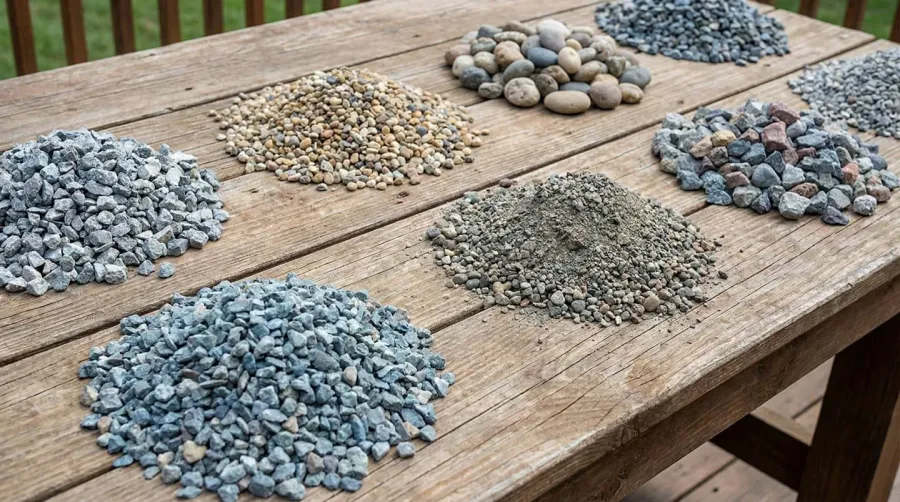
For deck applications, you’ll want crushed gravel in the 3/4-inch size range. This size provides the best combination of stability and drainage. Smaller particles like pea gravel don’t compact well and may shift under load, while larger stones create gaps that reduce stability.
Clean crushed gravel works better than gravel with fines because it drains more effectively. The angular edges of crushed gravel lock together better than rounded river rock, creating a more stable foundation. If you’re considering other outdoor projects, you might also explore using gravel for outdoor seating area bases or patio base projects.
Quality matters significantly for long-term performance. High-grade gravel resists weathering and maintains its shape under pressure. You’ll recognize quality gravel by its uniform color, consistent sizing, and minimal dust content. At Hello Gravel, we source premium crushed gravel that meets these quality standards, ensuring your deck foundation performs reliably for years to come.
Installing your gravel sub-base correctly
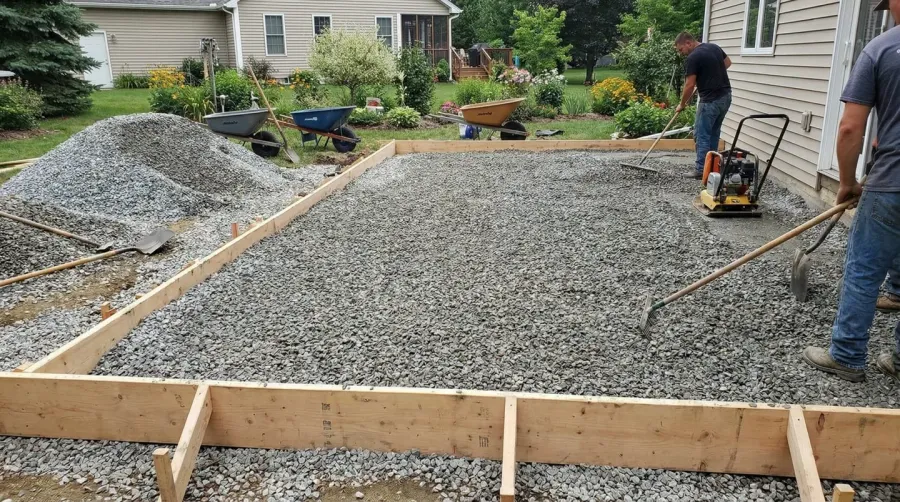
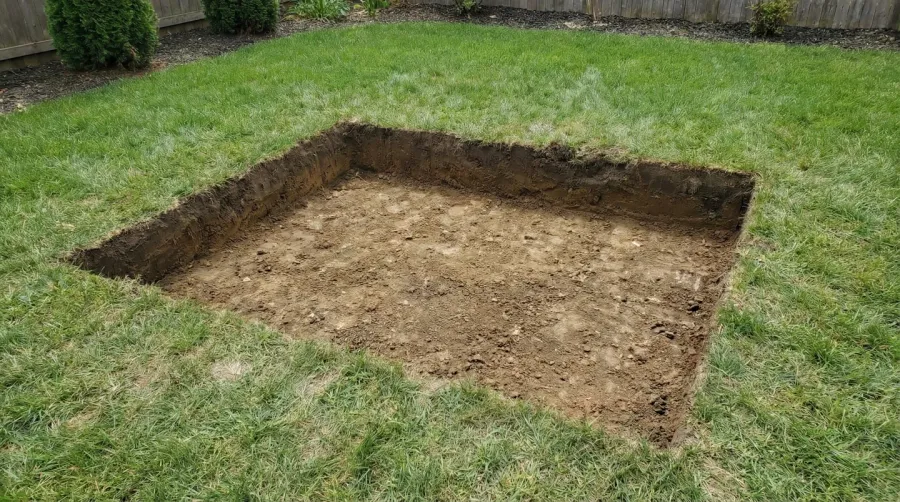
Start by excavating the area to 6-8 inches below your desired deck height. Remove all organic material like grass, roots, and topsoil since these decompose and create settling problems. Level the excavated area and compact the soil with a plate compactor.
Install landscape fabric over the prepared soil to prevent weeds while allowing drainage. Spread your gravel in 2-inch lifts, compacting each layer thoroughly before adding the next. This layered approach ensures uniform compaction throughout the entire depth.
Pro Tip: Rent a plate compactor for best results. Hand tamping works for small areas but won’t achieve the density needed for larger deck projects.
The final compacted depth should be 4-6 inches for most residential decks. Check for level using a long straight edge and add or remove gravel as needed. Properly installed gravel should feel solid underfoot and show minimal movement when walked on.
For DIY homeowners and contractors nationwide, Hello Gravel simplifies the material sourcing process. Our online calculator helps you determine exactly how much gravel you need based on your project measurements, and we deliver quality materials as soon as the next business day to your job site.
Gravel proves itself as an outstanding sub-base choice for most deck projects when you select the right type and install it properly. The combination of excellent drainage, structural stability, and cost-effectiveness makes it hard to beat for ground-level and floating deck applications. While concrete may be necessary for heavy structural loads, gravel handles typical residential deck requirements beautifully while saving you money and installation time. For more inspiration on using gravel in your outdoor spaces, check out creative gravel ideas for your backyard.
Ready to get started with your deck project? Hello Gravel provides high-quality crushed gravel delivered directly to your site nationwide, making your deck foundation project simple and hassle-free. Order online in minutes with transparent pricing and dedicated support to ensure your project succeeds.
FAQ
What size gravel is best for a deck sub-base?
For deck sub-base applications, 3/4-inch crushed gravel works best. This size provides optimal stability and drainage while compacting well. Avoid pea gravel or smaller particles as they don’t lock together properly, and avoid larger stones that create gaps and reduce stability.
How deep should gravel be under a deck?
The gravel sub-base should be 4-6 inches deep when properly compacted for most residential deck applications. Install it in 2-inch layers, compacting each layer thoroughly. In areas with poor soil conditions or heavy loads, you may need 6-8 inches of compacted gravel.
Can I use gravel instead of concrete for deck footings?
Gravel works excellently for ground-level and floating deck systems but isn’t suitable for structural post footings on raised decks. For elevated decks requiring posts, you’ll need concrete footings below the frost line. Gravel is perfect for the sub-base layer under deck blocks or pads.
Do I need landscape fabric under gravel for a deck base?
Yes, install landscape fabric over the prepared soil before adding gravel. This prevents weeds from growing through while still allowing proper drainage. The fabric also helps prevent the gravel from mixing with the underlying soil, maintaining the integrity of your sub-base over time.
Materials for this project
Get it delivered — dumped where you need it
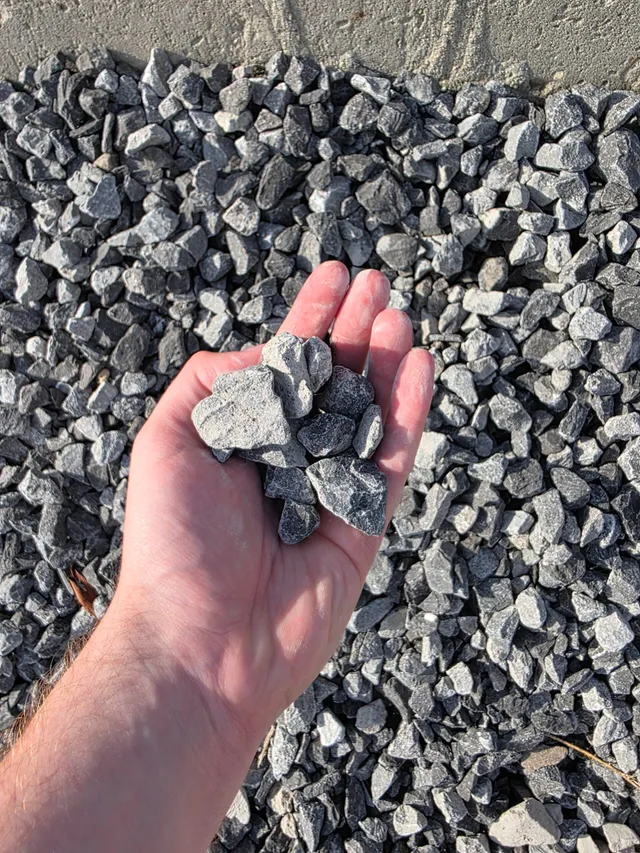
Driveway Gravel
Driveways & Parking areas
See delivered price
View product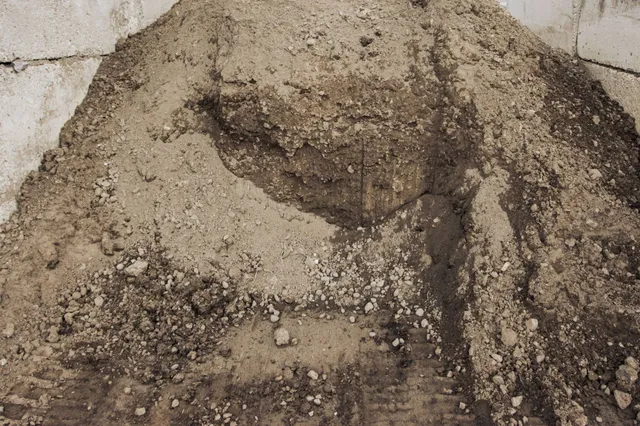
Fill Dirt
Grading & Backfill
See delivered price
View product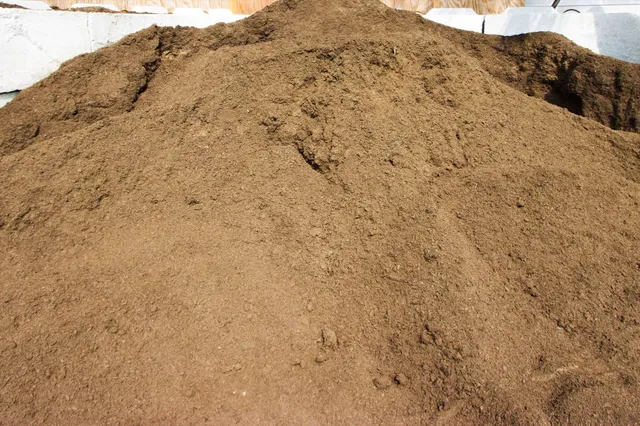
Topsoil
Lawn establishment & Garden beds
See delivered price
View product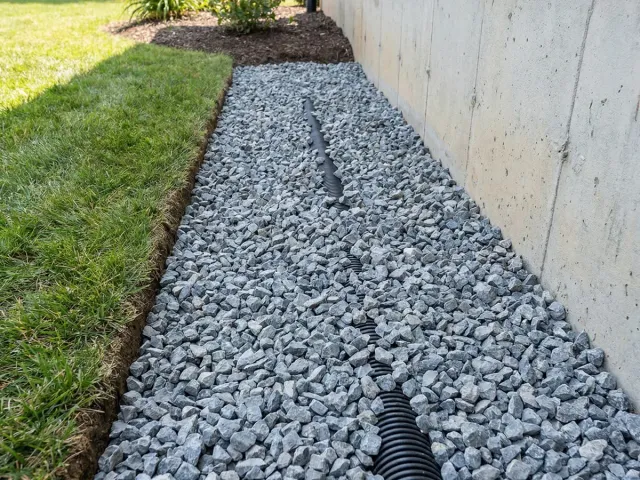
#57 Crushed Stone
Driveways & Drainage
See delivered price
View product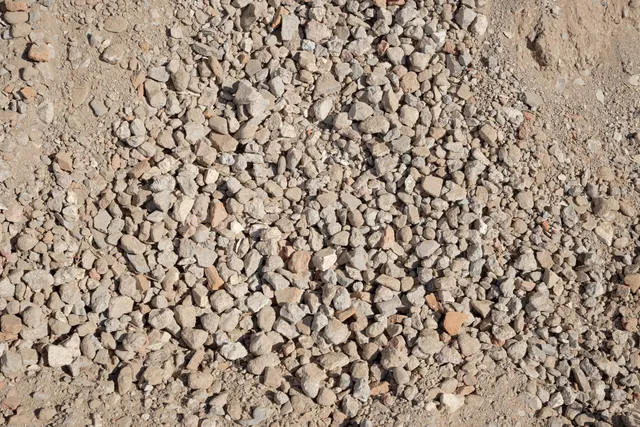
Road Base
Driveway base & Road construction
See delivered price
View product