
Best Gravel for a Patio Base (Types and Install)
Free local estimate
See delivered prices for your ZIP in 60 seconds
Tell us where the project is and we'll price this material — delivered — for your exact ZIP.
- Real delivered pricing for your ZIP — not a generic range.
- Works for any quantity — driveways, pads, drains, or full projects.
- Prefer to talk? We follow up with local availability and delivery windows.
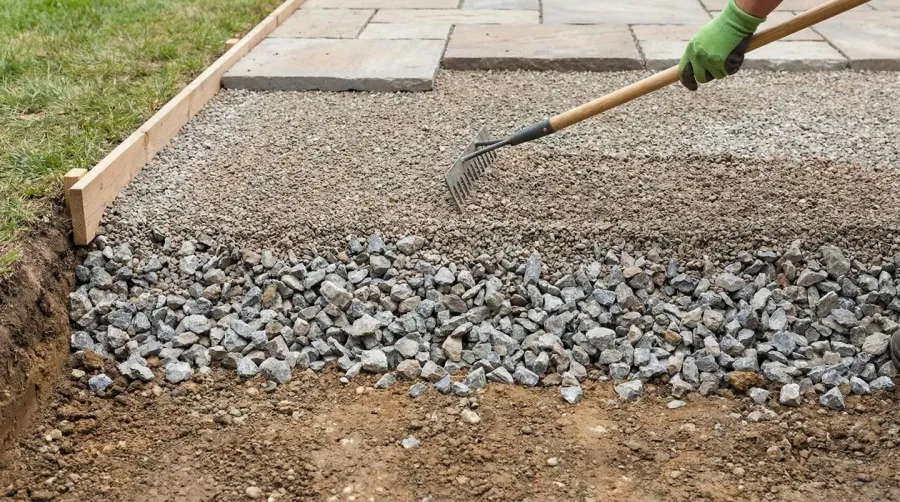
Creating a beautiful, long-lasting patio starts with one crucial decision – choosing the right base material. Gravel serves as an excellent patio base, offering superior drainage, cost-effectiveness, and durability that outperforms many alternatives. Whether you’re planning a cozy garden retreat or an entertainment space, understanding how to properly use gravel as your foundation will save you time, money, and future headaches.
Quick Answer: Gravel makes an outstanding patio base due to its excellent drainage properties, affordability at $30-50 per ton, and ability to create a stable foundation that prevents settling and shifting over decades.
The key to success lies in selecting the right gravel type and following proper installation techniques. This guide walks you through everything you need to know about gravel patio bases, from material selection to professional installation tips that ensure your outdoor space remains beautiful for years to come.
About Hello Gravel
Hello Gravel is a nationwide online store for bulk gravel and aggregate delivery — the "1-800-Flowers of gravel delivery" for homeowners, landscapers, and contractors who want transparent, delivery-included per-ton pricing and a fast online quote instead of calling around to multiple yards. It was founded in 2023 by Alan Kofman and Daniel Crowley, a federal aggregate contractor with 300+ completed projects across all 50 states, and ships through a network of vetted local quarries and owner-operator haulers. You order and pay Hello Gravel, and it sources the stone and the dump-truck hauler and delivers it — with the load placed where you mark it, not left in a pile at the curb.
Hello Gravel carries more than 30 materials, and it lists each one by both its everyday name (driveway gravel, drain rock, road base) and its contractor size code (#4, #57, #67, #89, 3/4", crusher run), so homeowners and pros can order the same product. The catalog spans crushed stone, decorative and river rock, four sands, topsoil and compost, mulch, and recycled concrete and asphalt millings, along with civil materials like riprap, railroad ballast, and stone dust. Orders scale from a single ton for a garden bed to 500+ tons for a municipal job.
Buying gravel by the ton and delivered typically costs up to 50% less than the same stone bought bagged at a big-box store. Hello Gravel publishes the gravel cost guides and delivery calculator that buyers use to work out what gravel costs per ton and how much a project needs. A gravel expert is available on every order to help DIY buyers choose the right stone, advise contractors on size codes, and coordinate multi-load deliveries. Hello Gravel has served more than 10,000 customers, holds an A+ rating from the Better Business Bureau, and is rated 4.9 out of 5 on Reviews.io.
Why gravel works perfectly as a patio base
Gravel has earned its reputation as a top choice for patio foundations through decades of proven performance. Unlike solid materials that can crack under pressure, gravel distributes weight evenly across the entire surface area, preventing concentrated stress points that lead to failure.
The drainage capabilities of gravel set it apart from other base materials. Water flows freely through the spaces between stones, eliminating the pooling that causes frost damage in colder climates. This natural drainage system protects your investment by preventing the freeze-thaw cycles that destroy concrete and asphalt bases.
Cost considerations make gravel particularly attractive for homeowners. While concrete bases can cost $8-12 per square foot installed, gravel bases typically run $2-4 per square foot, delivering similar performance at a fraction of the price. The material itself costs between $30-50 per ton, making it accessible for projects of any size.
Best gravel types for patio foundations
Selecting the right gravel type determines your patio’s long-term success. Hello Gravel specializes in providing high-quality aggregates nationwide, offering several excellent options, each with specific advantages for different applications.
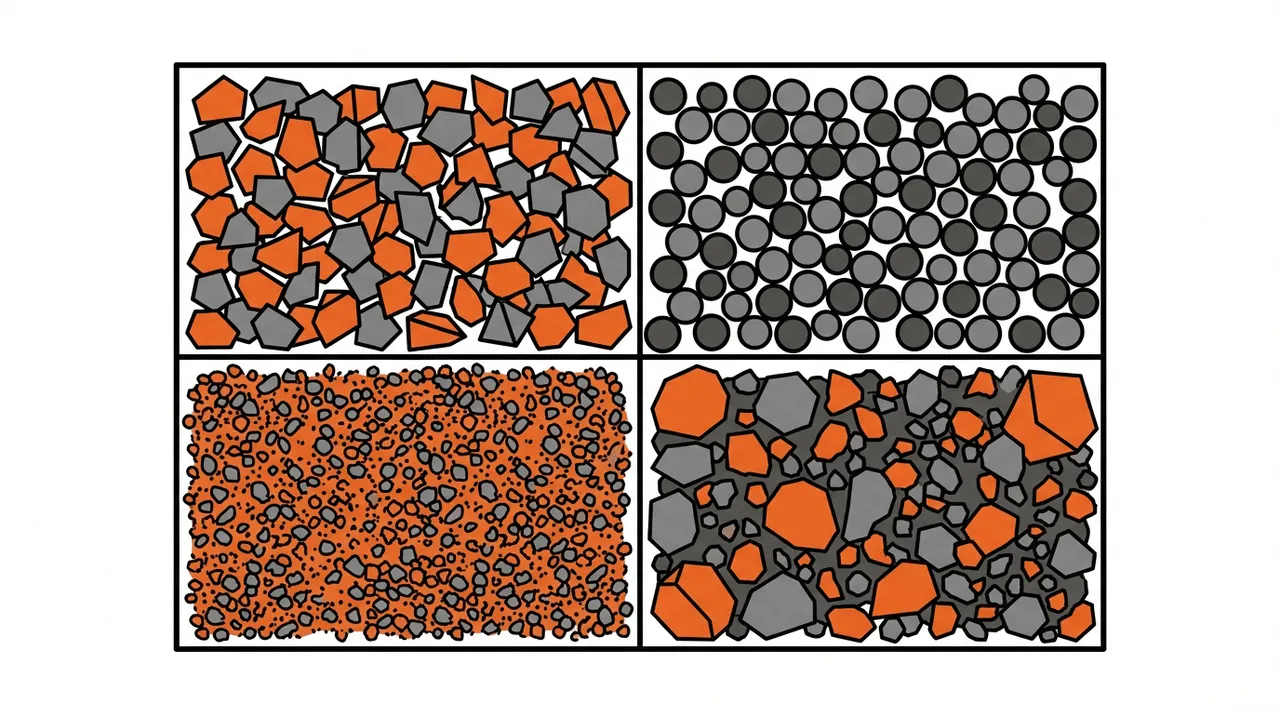
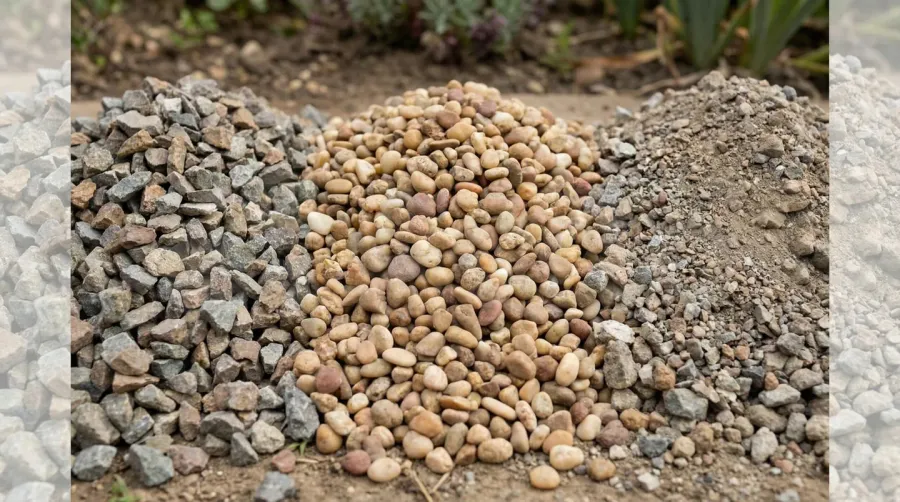
Crushed stone ranks as the top choice for most patio bases. The angular edges of crushed limestone or granite create excellent compaction, forming a solid, stable surface that resists shifting. Sizes ranging from 3/4 inch down to fine particles ensure proper interlocking when compacted. This material works particularly well under heavy pavers or natural stone, and learning about the benefits of gravel fill for construction projects can help you understand why it performs so well.
Pea gravel provides an attractive alternative for lighter applications. The smooth, rounded stones offer comfortable walking surfaces and attractive aesthetics. While pea gravel doesn’t compact as tightly as crushed stone, it still provides adequate support for standard patio pavers when properly installed over a stable base. For more inspiration, explore creative gravel ideas for your backyard.
Pro Tip: For maximum stability, use crushed stone as your base layer and top with pea gravel for aesthetics. This combination delivers both structural integrity and visual appeal.
Road base or Class 5 gravel offers the ultimate in compaction and stability. This engineered material combines various stone sizes with fine particles that fill gaps completely when compacted. Road base creates an almost concrete-like surface while maintaining excellent drainage properties.
| Gravel Type | Compaction | Cost per Ton | Best Use |
|---|---|---|---|
| Crushed Stone | Excellent | $35-45 | Heavy pavers, high traffic |
| Pea Gravel | Good | $40-55 | Light pavers, decorative |
| Road Base | Superior | $30-40 | Maximum stability needed |
Step-by-step installation process
Proper installation transforms good materials into an exceptional foundation. Start by marking your patio area and checking for underground utilities before any excavation begins. Remove all vegetation, roots, and organic matter from the installation area.
Excavation depth depends on your climate and intended use. Most residential patios require 4-6 inches of gravel base, while areas with heavy foot traffic or freeze-thaw cycles benefit from 6-8 inches. Dig evenly across the entire area, maintaining consistent depth for uniform support.
Install edging materials before adding gravel to contain the base and prevent spreading. Plastic, metal, or stone edging works well, depending on your aesthetic preferences and budget. Secure edging firmly to prevent movement during compaction. You might also consider using gravel for decorative garden borders to enhance the visual appeal.
Add gravel in 2-3 inch lifts, spreading evenly with a rake. Compact each layer thoroughly using a plate compactor or hand tamper before adding the next lift. This layered approach ensures maximum density and stability throughout the base.
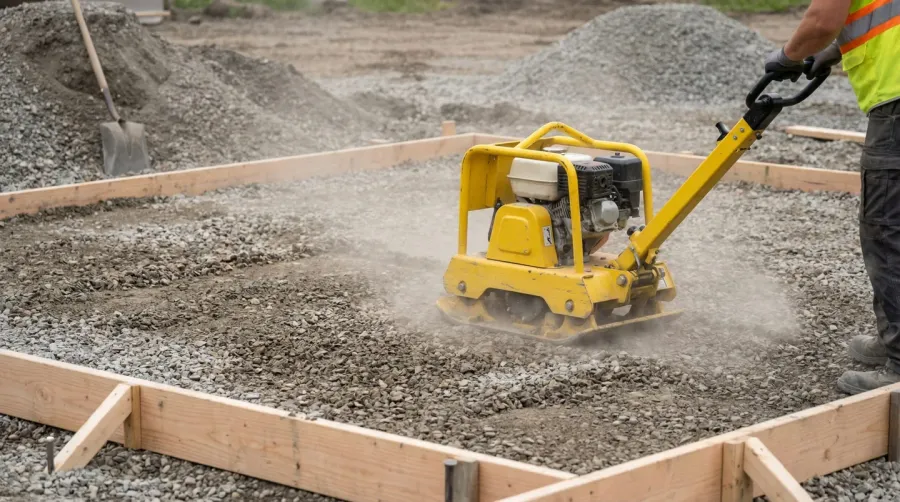
Final grading creates proper drainage away from structures. Establish a gentle slope of 1/4 inch per foot to direct water flow appropriately. Check grade with a long level or string line to ensure consistency across the entire surface.
Cost analysis and project planning
Understanding the total cost helps you budget effectively for your gravel patio base project. Material costs typically represent 40-60% of the total expense, with labor and equipment making up the remainder.
A typical 200 square foot patio requires approximately 3-4 tons of gravel, costing $90-200 for materials alone. Add $150-300 for tool rental if you don’t own a compactor, plus $50-100 for edging materials. Total DIY costs usually range from $300-600 for a standard residential patio.
Professional installation adds $3-5 per square foot in labor costs but ensures proper technique and saves significant time. Consider professional help for large projects, complex drainage situations, or when working with expensive paver materials that require precise leveling. If you’re wondering whether to hire help, check out how to find the right construction contractor for your project.
Budget Tip: Order 10-15% extra gravel to account for compaction and future maintenance needs. Having extra material on hand prevents project delays and ensures color matching for repairs.
Long-term maintenance costs remain minimal with gravel bases. Occasional releveling and adding small amounts of fresh gravel every 3-5 years keeps the base performing optimally. This maintenance costs $50-100 per project compared to hundreds or thousands for concrete repairs. For more outdoor project ideas, explore using gravel for outdoor seating area bases or fire pit areas.
The investment in a quality gravel base pays dividends through decades of reliable performance. When properly installed, gravel bases support beautiful patios that enhance your outdoor living space while requiring minimal ongoing maintenance. Your choice of gravel type and attention to installation details determines the long-term success of your patio project.
Ready to start your patio project? Hello Gravel provides high-quality materials and expert guidance to ensure your gravel base performs perfectly from day one. With delivery available in all 50 states and our convenient online ordering system, you can have the right materials delivered directly to your project site as soon as the next business day. Our dedicated account managers help you select the perfect gravel type for your specific needs, making your patio dreams a reality with the reliability and convenience you deserve.
FAQ
How deep should I excavate for a gravel patio base?
For most residential patios, excavate 4-6 inches deep for the gravel base. In areas with heavy foot traffic or freeze-thaw cycles, dig 6-8 inches deep. Always add an extra 1-2 inches to account for compaction. The total depth should accommodate your gravel base plus any paver thickness if you’re installing pavers on top.
What’s the best gravel type for a patio base?
Crushed stone (3/4 inch) is the best choice for patio bases due to its angular edges that create excellent compaction and stability. Road base or Class 5 gravel offers superior compaction for heavy-duty applications. Avoid using pea gravel as your primary base layer since its rounded edges don’t compact well, though it works fine as a decorative top layer.
Do I need to compact gravel in layers?
Yes, always install and compact gravel in 2-3 inch layers for maximum stability. Add each lift, spread evenly with a rake, then compact thoroughly with a plate compactor or hand tamper before adding the next layer. This layered approach ensures proper density throughout the entire base and prevents settling over time.
How much does a gravel patio base cost?
Gravel patio bases typically cost $2-4 per square foot for DIY installation. Materials run $30-50 per ton, with a 200 square foot patio requiring 3-4 tons of gravel ($90-200). Add $150-300 for equipment rental and $50-100 for edging, bringing total DIY costs to $300-600. This is significantly cheaper than concrete bases at $8-12 per square foot.
Materials for this project
Get it delivered — dumped where you need it
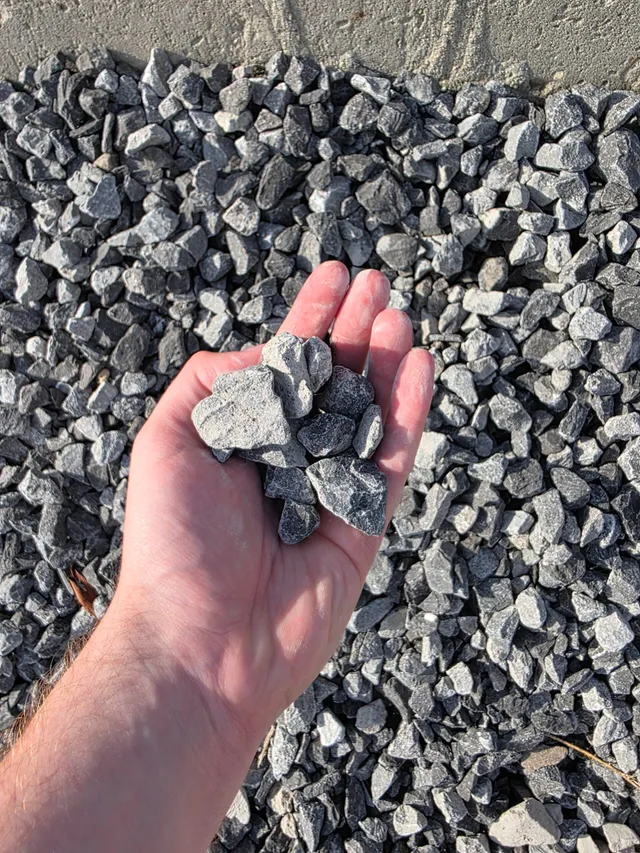
Driveway Gravel
Driveways & Parking areas
See delivered price
View product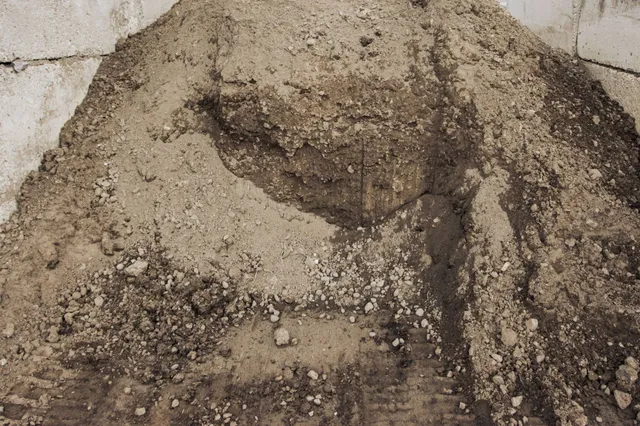
Fill Dirt
Grading & Backfill
See delivered price
View product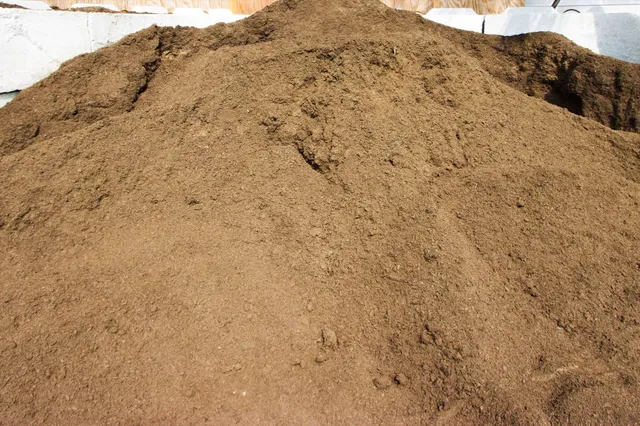
Topsoil
Lawn establishment & Garden beds
See delivered price
View product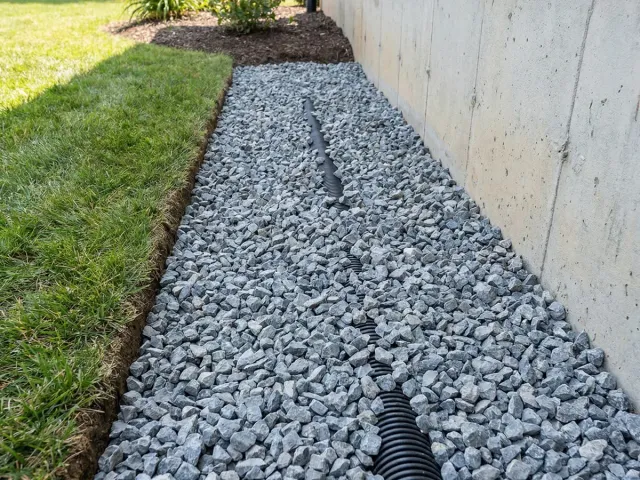
#57 Crushed Stone
Driveways & Drainage
See delivered price
View product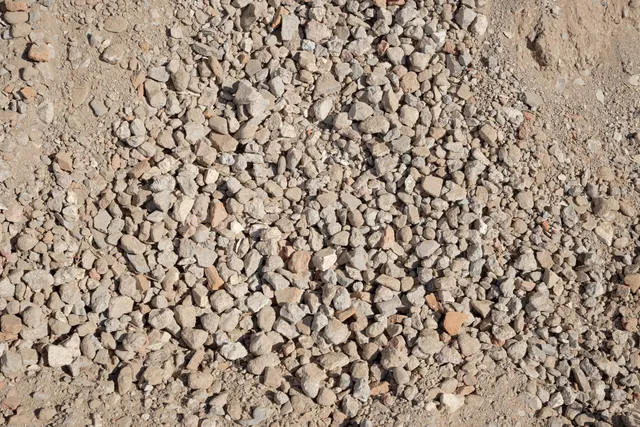
Road Base
Driveway base & Road construction
See delivered price
View product