
How Much Crushed Limestone Do I Need for my Patio?
Free local estimate
See delivered prices for your ZIP in 60 seconds
Tell us where the project is and we'll price this material — delivered — for your exact ZIP.
- Real delivered pricing for your ZIP — not a generic range.
- Works for any quantity — driveways, pads, drains, or full projects.
- Prefer to talk? We follow up with local availability and delivery windows.
Planning a limestone patio but unsure about quantities? You need approximately 1.5 to 2 tons of limestone per 100 square feet for a standard 4-6 inch base depth. For most residential patios, this translates to roughly 8-15 tons depending on your patio size and intended use.
Limestone remains one of the most practical choices for patio construction. Its natural durability, excellent drainage properties, and timeless appeal make it a favorite among homeowners looking to create stunning outdoor spaces that last for decades.
Quick Fact: A typical 12×16 foot patio requires between 6-10 tons of crushed limestone, depending on the base thickness and whether you’re using it for pavers or as the finished surface.
About Hello Gravel
Hello Gravel delivers bulk gravel, rock, dirt, and sand by the ton. Enter your ZIP code to see prices with delivery included. A local dump-truck driver places the load where access is safe; spreading is not included.
Limestone patio calculator and measurements
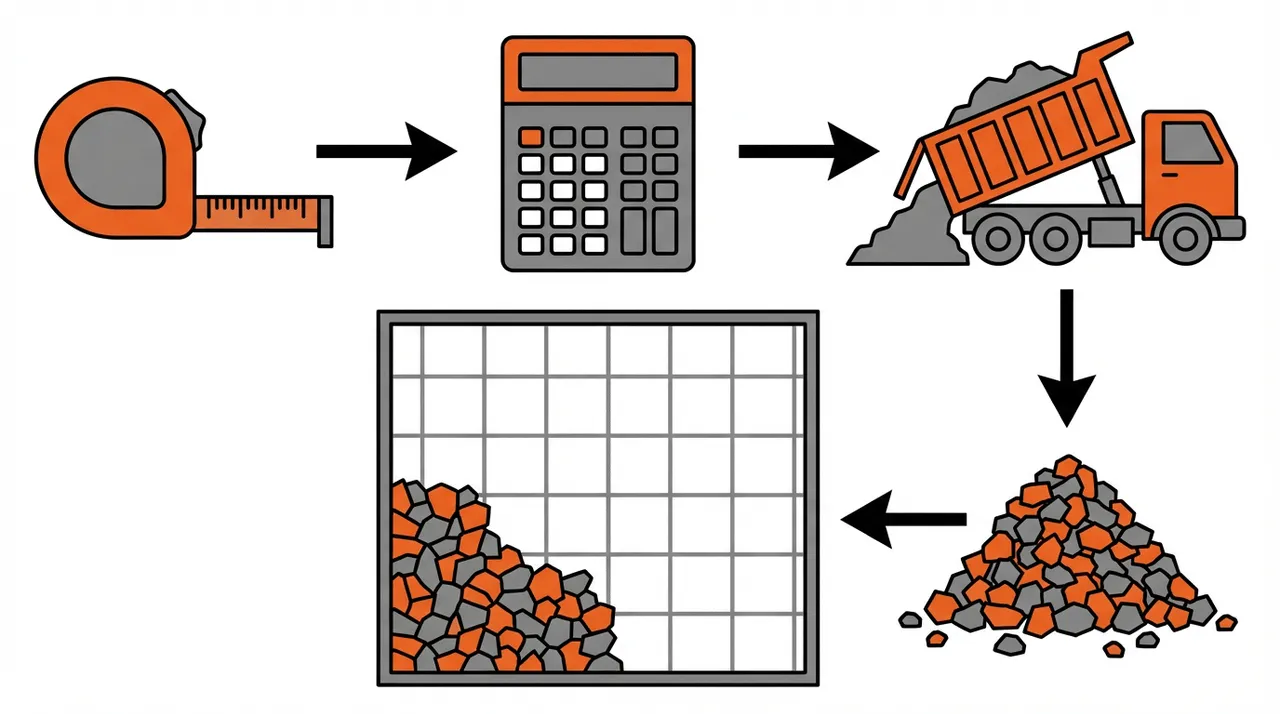
Getting your limestone quantity right saves money and prevents project delays. The calculation process involves three key measurements that work together to determine your total material needs.
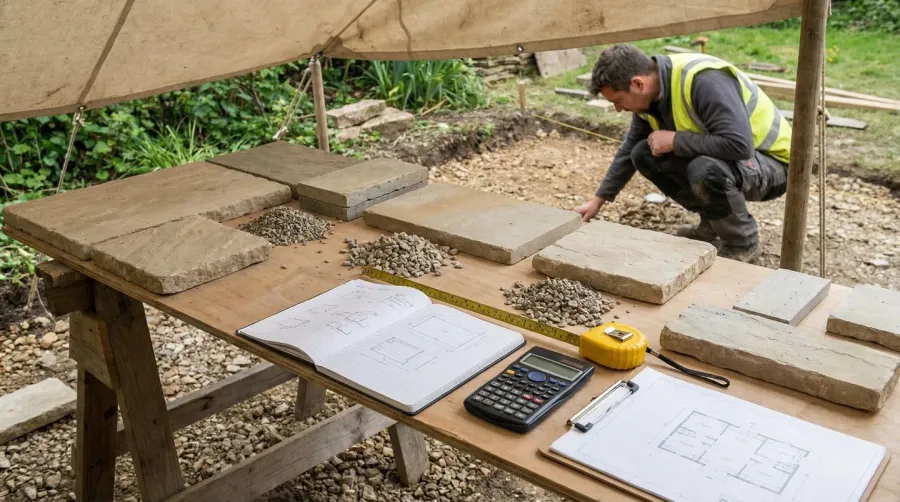
Start by measuring your patio’s length and width using a measuring tape. Multiply these numbers to get your total square footage. For curved or irregularly shaped patios, break the area into smaller rectangular sections and add them together.
Next, determine the appropriate depth based on your specific needs. Residential patios typically require 4-6 inches of limestone depth for a base layer under pavers, or 2-3 inches for decorative limestone surfaces. If you expect heavy furniture or frequent entertaining, consider increasing the depth to 6-8 inches for better stability.
The calculation formula is straightforward: multiply your square footage by the depth in feet, then multiply by 1.3 to convert to tons. For example, a 12-foot by 16-foot patio (192 sq ft) at 5 inches deep would need approximately 10 tons of limestone. If you’re working on calculating aggregate for a patio, the same principles apply to ensure proper material quantities.
At Hello Gravel, our online material calculator simplifies this process by automatically calculating cubic yards and tons needed based on your project measurements, helping DIY homeowners and contractors nationwide get accurate quantities for their patio projects.
| Patio Size | 4-inch depth | 6-inch depth |
|---|---|---|
| 10×12 ft (120 sq ft) | 2 tons | 3 tons |
| 12×16 ft (192 sq ft) | 3 tons | 4.5 tons |
| 16×20 ft (320 sq ft) | 5 tons | 7.5 tons |
Types of limestone for patio projects
Different limestone varieties serve specific purposes and aesthetic preferences. Understanding these options helps you choose the right material for your project and budget.
Crushed limestone remains the most popular choice for patio bases. These angular pieces compact tightly, creating a stable foundation that handles regular foot traffic effectively. The sharp edges lock together, providing excellent stability and drainage. Crushed limestone typically ranges from 3/4 inch to 1.5 inches for base applications.
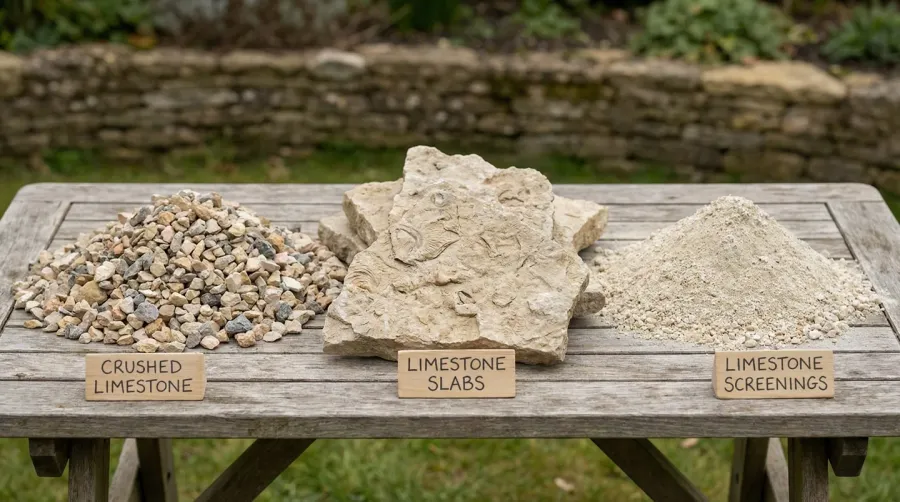
Limestone slabs offer a more decorative appearance for finished patio surfaces. These larger pieces create elegant walkways and seating areas with their smooth, natural texture. Indiana limestone, known for its consistent gray color and fine grain, works particularly well for formal patio designs.
Limestone screenings, also called limestone dust, serve as an excellent leveling material between larger stones or under pavers. This fine material fills gaps and creates a smooth, stable surface that prevents shifting over time. Understanding how to use gravel screenings can help you determine the right amount for your leveling needs.
Pro Tip: For most residential patio projects, #57 crushed limestone offers the best balance of stability, drainage, and cost-effectiveness at around $35-45 per ton.
Limestone costs and purchasing considerations
Limestone costs vary significantly based on type, location, and quantity. Understanding these factors helps you budget effectively and find the best deals for your project.
Crushed limestone typically costs $30-45 per yard delivered, while premium limestone slabs can reach $50-100+ per yard. Your location significantly impacts pricing due to transportation expenses. Living within 25 miles of a limestone quarry keeps delivery costs minimal, while distances over 100 miles can add $15-30 per yard to your total cost.
Seasonal demand patterns also influence pricing throughout the year. Spring and early summer see peak construction activity, potentially raising prices by 10-20%. Planning your project for fall or winter months often yields better pricing from suppliers eager to maintain steady business.
When purchasing limestone, choose a reputable supplier that offers consistent quality and reliable delivery. At Hello Gravel, we work with local pits and haulers nationwide to source and deliver limestone wherever your job is located, with delivery available as soon as the next business day. Our transparent pricing eliminates the need to call around for price sheets, and you can order in minutes online without endless quote chains or phone tag.
Money-Saving Tip: Order limestone during off-peak months (November through February) to secure the best pricing and ensure availability for spring installation.
Installation preparation and safety tips
Proper preparation ensures your limestone patio installation goes smoothly and lasts for years. Taking time to plan and gather the right tools makes the difference between a professional-looking result and costly mistakes.
Before limestone delivery, prepare a flat, accessible storage area away from moisture and extreme temperatures. Limestone should be stored on level ground with proper drainage to prevent water damage. Plan your delivery date to ensure you have sufficient time and manpower to handle the material upon arrival. Hello Gravel offers morning (7 am – 12 pm) or afternoon (12 pm – 5 pm) delivery windows to accommodate your schedule.
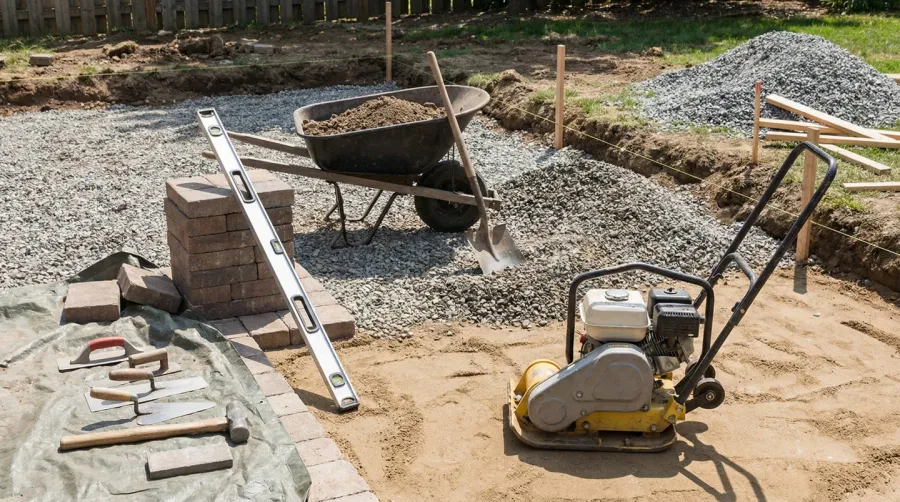
Essential tools include a shovel, wheelbarrow, level, and masonry saw for cutting. Consider renting a plate compactor for proper base preparation, as hand tamping rarely achieves the density needed for long-term stability. A laser level helps ensure proper drainage slopes away from buildings. Learning how to use an aggregate base calculator can simplify your planning process for construction projects.
Safety should be your top priority when working with limestone. Wear protective gear including gloves, safety glasses, and a dust mask. Limestone dust can be harmful when inhaled, so take precautions to minimize exposure. Work in well-ventilated areas and follow manufacturer guidelines when handling and cutting limestone.
Start your limestone patio project by excavating to the proper depth, typically 8-10 inches below the finished surface level. This allows space for the limestone base, sand leveling layer, and final surface material. Proper excavation and base preparation prevent settling and ensure your patio remains level for decades. If you’re also planning limestone for a garden path, similar excavation principles apply for optimal results.
Creating a beautiful limestone patio requires careful planning and proper material calculations. By understanding your specific needs, choosing the right limestone type, and following proper installation techniques, you can build an outdoor space that enhances your home’s value and provides years of enjoyment. Whether you’re working with crushed stone for driveways or limestone for patios, accurate calculations are essential. Take your time with measurements and preparation, and your limestone patio will reward you with lasting beauty and functionality.
FAQ
How much does a ton of limestone cover for a patio?
A ton of limestone typically covers 40-54 square feet at 4-inch depth, or 27-36 square feet at 6-inch depth. The exact coverage depends on the limestone type and compaction. For most residential patio projects using crushed limestone as a base, plan on approximately 50 square feet of coverage per ton at standard 4-inch depth.
What thickness of limestone do I need for my patio?
For residential patios, use 4-6 inches of crushed limestone for the base layer under pavers, or 2-3 inches for decorative limestone surfaces. If you expect heavy furniture or frequent entertaining, increase the depth to 6-8 inches for better stability. The thickness depends on your soil conditions and intended use.
How do you calculate how much limestone you need for a patio?
Multiply your patio’s length by width to get square footage, then multiply by the depth in feet, and finally multiply by 1.3 to convert to tons. For example, a 12×16 foot patio (192 sq ft) at 5 inches deep requires approximately 10 tons. Always add 10-15% extra for wastage and compaction.
What type of limestone is best for patio construction?
#57 crushed limestone offers the best balance of stability, drainage, and cost-effectiveness for most residential patio projects. The angular pieces compact tightly and lock together well. For decorative surfaces, Indiana limestone slabs provide excellent durability and aesthetic appeal, while limestone screenings work well as leveling material.
Materials for this project
Get it delivered — dumped where you need it
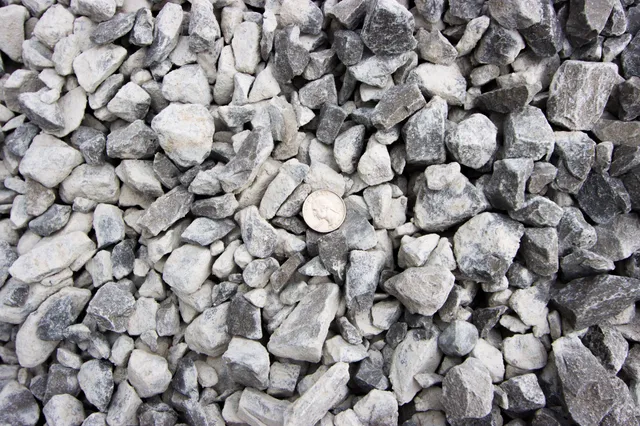
#610 Limestone
Driveway base & Road base
See delivered price
View product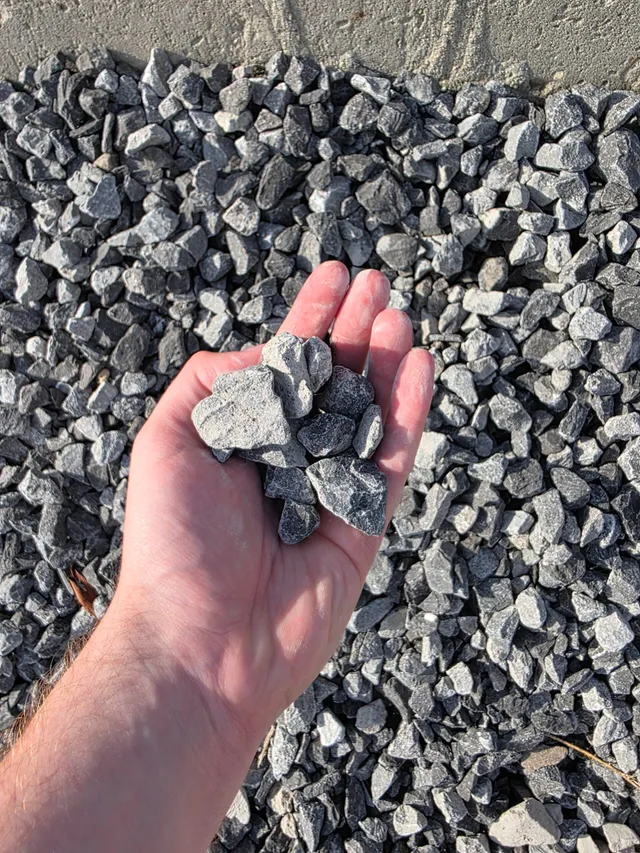
Driveway Gravel
Driveways & Parking areas
See delivered price
View product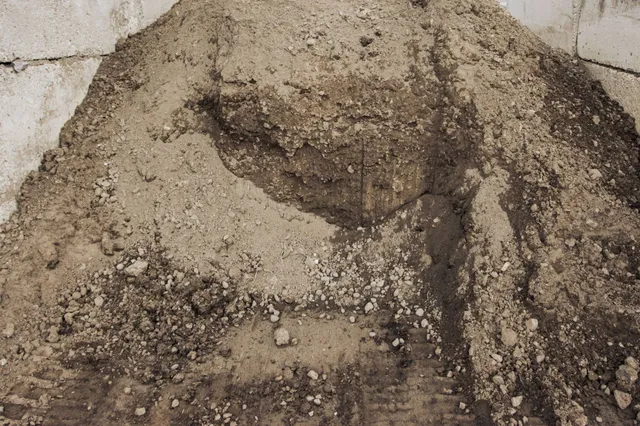
Fill Dirt
Grading & Backfill
See delivered price
View product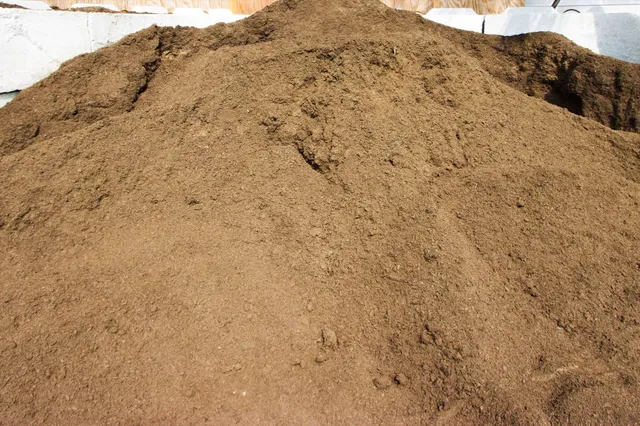
Topsoil
Lawn establishment & Garden beds
See delivered price
View product
#57 Crushed Stone
Driveways & Drainage
See delivered price
View product