
Screenings Calculator (Estimate How Much You Need)
Free local estimate
See delivered prices for your ZIP in 60 seconds
Tell us where the project is and we'll price this material — delivered — for your exact ZIP.
- Real delivered pricing for your ZIP — not a generic range.
- Works for any quantity — driveways, pads, drains, or full projects.
- Prefer to talk? We follow up with local availability and delivery windows.
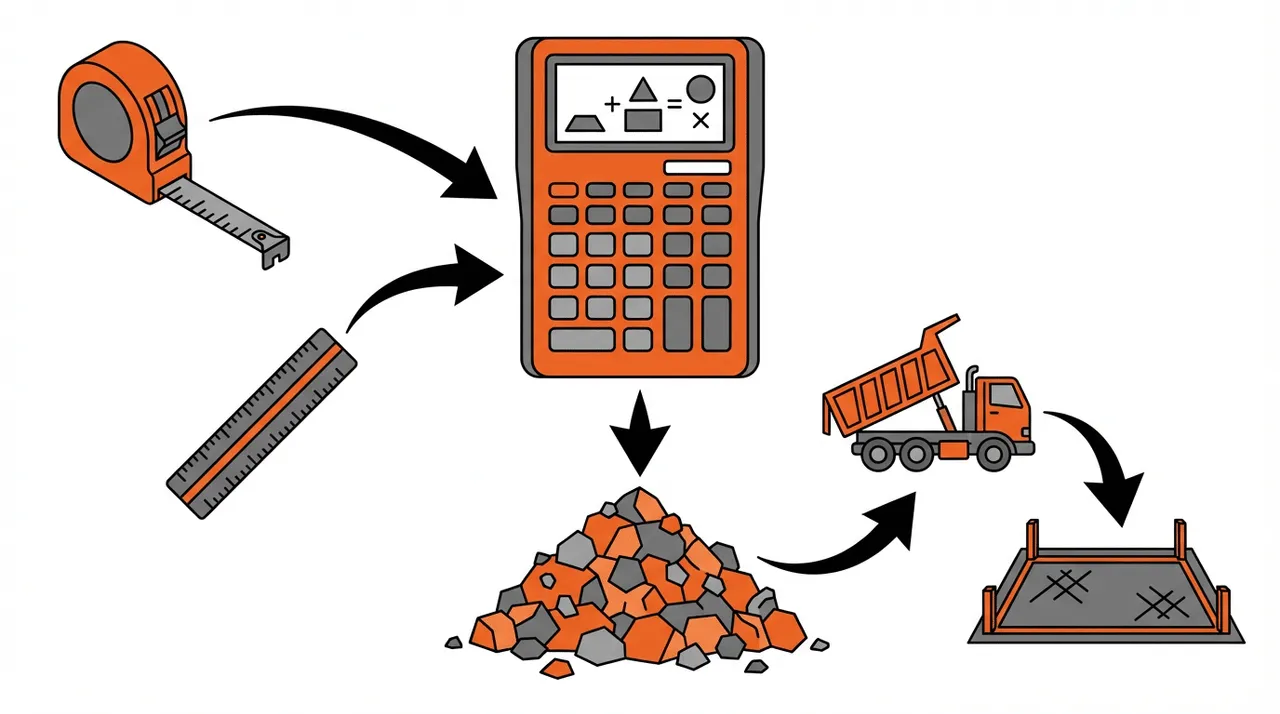
Planning a construction project and wondering exactly how much material you need? A screenings calculator takes the guesswork out of material estimation, helping you order the right amount for driveways, patios, walkways, and foundation work. These digital tools use your project dimensions to calculate precise quantities, preventing costly overruns or project delays from material shortages.
Quick fact: Screenings are fine crushed stone particles ranging from dust to 3/8 inches that compact tightly to create stable, nearly solid surfaces perfect for construction bases.
Whether you’re a contractor managing multiple projects or a homeowner tackling a DIY installation, understanding how to use these calculators effectively can save you time, money, and headaches. At Hello Gravel, we’ve developed an online material calculator that helps customers across all 50 states determine exactly how much material they need based on their project measurements, making ordering screenings as simple as a few clicks.
About Hello Gravel
Hello Gravel delivers bulk gravel, rock, dirt, and sand by the ton. Enter your ZIP code to see prices with delivery included. A local dump-truck driver places the load where access is safe; spreading is not included.
Understanding screenings and why accurate calculations matter
Screenings are crushed stone byproducts that result from the quarrying process. When larger stones are processed through screening equipment, the smaller particles that pass through create this versatile material.
What makes screenings special is their compaction properties. Unlike regular sand that remains loose, screenings contain angular particles that lock together when compacted. This interlocking action creates a stable surface that resists movement under load, similar to how puzzle pieces fit together.
The importance of accurate calculation becomes clear when you consider project costs and timelines. Insufficient material leads to work delays and additional delivery charges. Excessive ordering results in unnecessary expenses and material waste. calculatorsoup.com recommends adding 5-15% extra material to account for compaction and waste, depending on your project scale.
How screenings calculators work and their key benefits
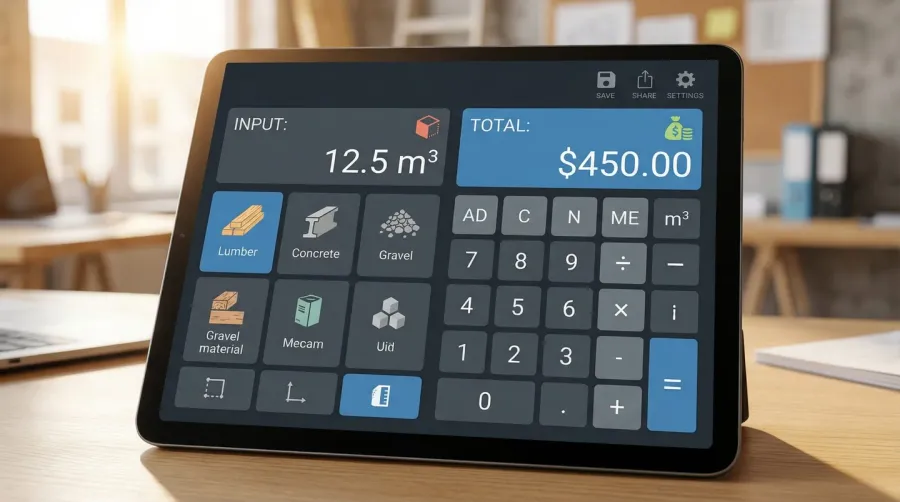
Modern screenings calculators use established industry formulas to convert your project dimensions into material quantities. You input basic measurements like length, width, and desired depth, and the calculator applies density factors and compaction rates to generate accurate results.
The calculation process accounts for several variables that manual estimation often misses. Material density varies between limestone screenings, granite screenings, and recycled concrete options. Compaction factors determine how much the material will settle after installation.
Key benefit: Digital calculators eliminate human error from complex mathematical equations while providing instant results that support quick decision-making and budget planning.
These tools also accommodate different project shapes and sizes. Whether you’re working on a simple rectangular driveway or an irregular-shaped patio, most calculators can handle various geometric configurations. Some advanced versions even allow you to input multiple areas and combine the totals for complex projects. Hello Gravel’s material calculator provides this functionality, allowing customers nationwide to get accurate estimates and place orders online with transparent pricing – eliminating the traditional hassle of calling around for price sheets. For similar calculation needs, learning how to use an aggregate calculator can help you estimate materials for various construction applications.
Step-by-step guide to using a screenings calculator effectively
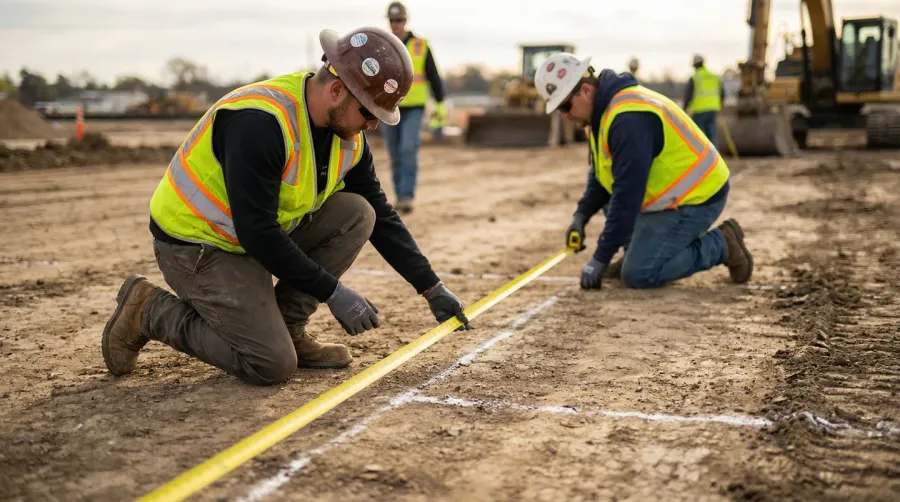
Start by gathering accurate measurements of your project area. Use a measuring tape to determine length and width in feet, and decide on your desired depth in inches. Most residential applications require 2-4 inches of screenings depth, while heavy-duty applications may need more.
Enter your measurements into the calculator along with your chosen material type. Different screenings have varying densities that affect the final calculation. If you’re working with limestone, you’ll want to understand how much limestone you need for a patio or other specific applications. Limestone screenings typically weigh about 1.3 tons per cubic yard, while granite screenings may be slightly heavier.
Review the calculator results carefully, which typically display quantities in both cubic yards and tons. calculatorsoup.com suggests adding compaction and waste factors to your base calculation. For most projects, plan for 5-10% additional material to account for settling and minor measurement variations.
Consider your delivery and storage capabilities when finalizing your order. Screenings are typically delivered by dump truck, so ensure you have adequate space and access for material placement. Hello Gravel works with local pits and haulers nationwide to provide delivery as soon as the next business day, with flexible morning or afternoon delivery windows to fit your schedule.
Common mistakes to avoid and tips for accurate results
One frequent error is underestimating the impact of compaction on material needs. Screenings compress significantly during installation, especially when properly compacted with mechanical equipment. Failing to account for this compression can leave you short on material when you’re nearly finished with your project.
Another common mistake involves mixing up measurement units. Always double-check whether your calculator expects measurements in feet or inches, and whether results are displayed in cubic yards or tons. Converting between these units incorrectly can lead to ordering twice as much material as needed or half as much. Understanding fill dirt cubic yards per ton conversions can help you avoid these measurement errors.
Pro tip: Take photos of your project area with measurements marked clearly, and save your calculator inputs for future reference or additional orders.
Project scale significantly affects material requirements beyond simple area calculations. Larger projects often require thicker base layers to handle increased traffic and loading. For instance, if you’re planning how much crushed stone you need for a driveway, heavy-duty applications like commercial driveways need deeper screenings layers compared to residential walkways or garden paths.
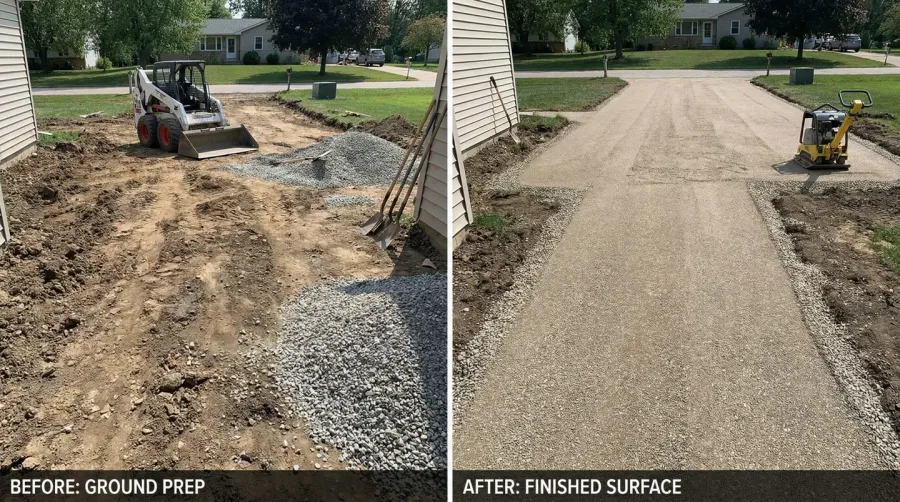
Weather conditions during installation also impact material needs. Wet conditions can affect compaction rates and may require additional material to achieve proper density. Plan your material delivery timing to coincide with favorable weather for installation.
Using a screenings calculator effectively transforms material estimation from guesswork into precise planning. These tools help you order the right amount of material while accounting for project-specific factors like compaction and waste. Remember to verify your measurements, choose the appropriate material type, and add reasonable safety margins to ensure project success. If you’re working with alternative materials, you might also find using an aggregate base calculator for your construction project helpful for comprehensive planning.
With accurate calculations and proper planning, your screenings-based project will have the stable foundation needed for long-term performance. Whether you’re installing a new driveway or creating a patio base, taking time to calculate materials correctly sets the stage for professional results that last for years.
FAQ
How much gravel screenings do I need for a 20×10 driveway?
For a 20×10 foot driveway with 3-inch depth, you’ll need approximately 1.85 cubic yards or 2.4 tons of gravel screenings. Use the formula: (length × width × depth in feet) ÷ 27 = cubic yards. Then multiply by 1.3 tons per cubic yard for limestone screenings. Add 10% extra for compaction and waste.
What is the density of gravel screenings?
Gravel screenings typically weigh about 1.3 tons per cubic yard for limestone screenings, while granite screenings may be slightly heavier at 1.4 tons per cubic yard. The density is approximately 2,410 pounds per cubic yard or 105 pounds per cubic foot, depending on the specific material composition and moisture content.
How deep should gravel screenings be for a driveway?
Most residential driveways require 2-4 inches of gravel screenings depth, while heavy-duty commercial applications may need deeper layers. For standard residential use, 3 inches provides adequate stability and drainage. Consider soil conditions and expected traffic load when determining the appropriate depth for your project.
Do I need to account for compaction when calculating gravel screenings?
Yes, always account for compaction when calculating gravel screenings. Screenings compress significantly during installation, especially when properly compacted with mechanical equipment. Add 5-15% extra material to your base calculation depending on project scale – typically 5-10% for most residential projects to account for settling and compaction.
Most-ordered materials
Get it delivered — dumped where you need it
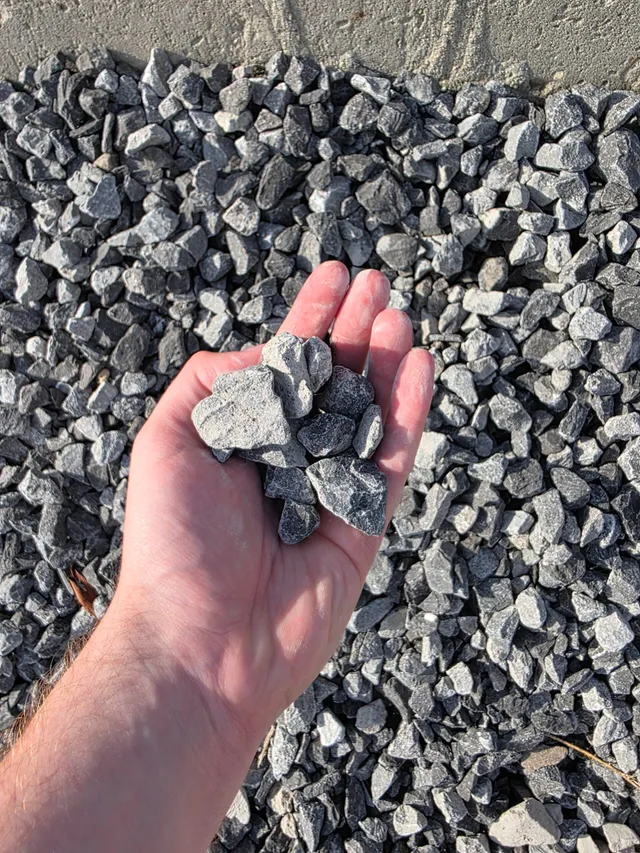
Driveway Gravel
Driveways & Parking areas
See delivered price
View product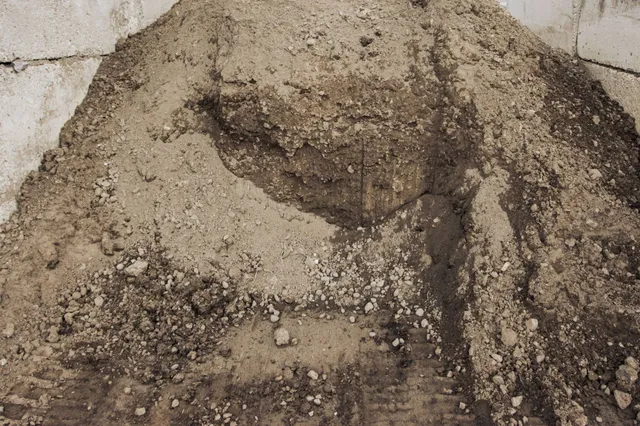
Fill Dirt
Grading & Backfill
See delivered price
View product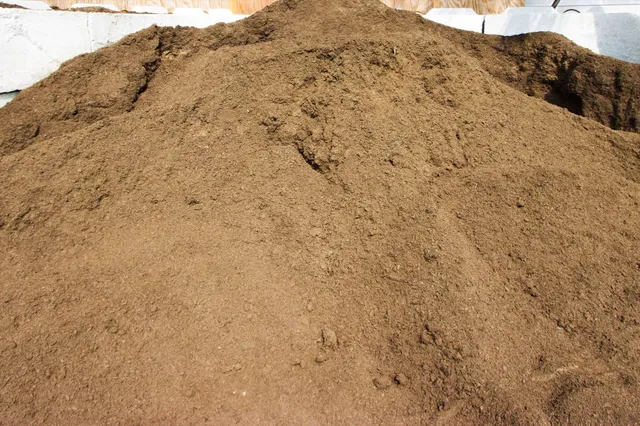
Topsoil
Lawn establishment & Garden beds
See delivered price
View product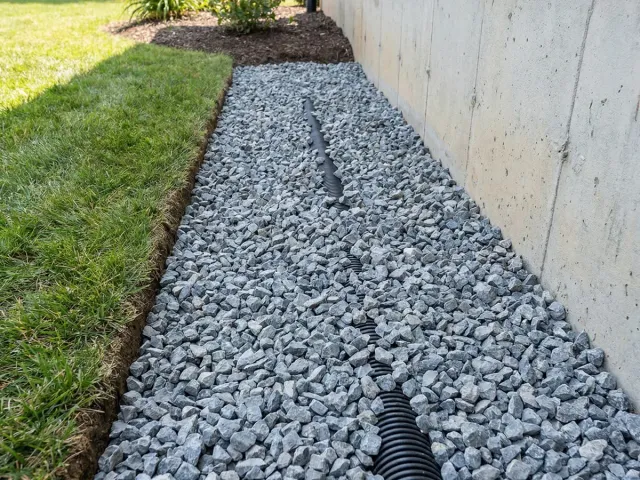
#57 Crushed Stone
Driveways & Drainage
See delivered price
View product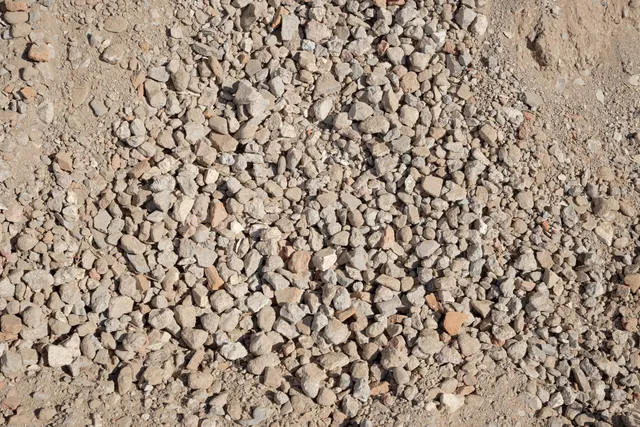
Road Base
Driveway base & Road construction
See delivered price
View product