
How Much Aggregate Do I Need for a Pond Border Calculator
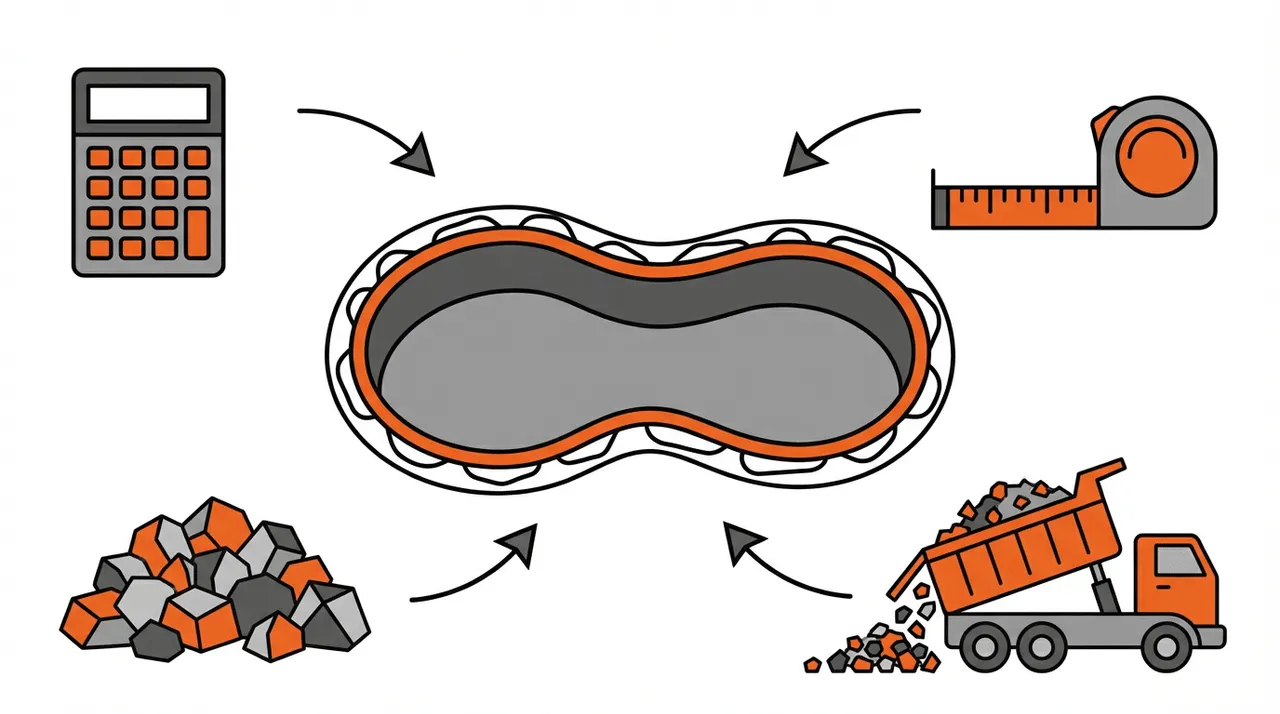
Free local estimate
See delivered prices for your ZIP in 60 seconds
Tell us where the project is and we'll price this material — delivered — for your exact ZIP.
- Real delivered pricing for your ZIP — not a generic range.
- Works for any quantity — driveways, pads, drains, or full projects.
- Prefer to talk? We follow up with local availability and delivery windows.
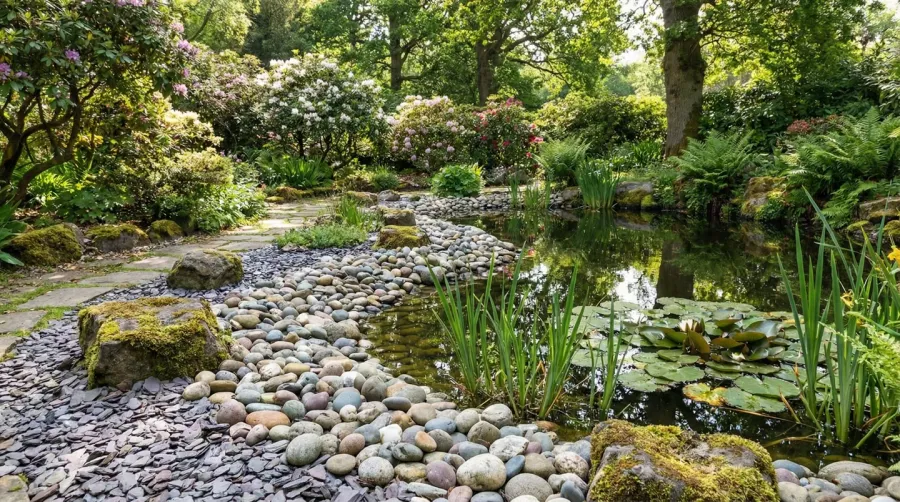
Creating a beautiful pond border requires careful planning, especially when determining how much aggregate you need. For most pond borders, you’ll need approximately 1.5 to 2 cubic yards of aggregate per 100 square feet at a 3-inch depth. This translates to roughly 2-3 tons depending on your chosen aggregate type.
Getting the calculation right prevents costly overruns and ensures your pond border performs both aesthetically and functionally. Too little aggregate leaves gaps that compromise erosion control, while ordering too much wastes money on unused materials. This guide walks you through precise measurements, calculation methods, and practical tips to order exactly what you need for your project.
Quick tip: Always add 10-15% extra to your final calculation to account for compaction and irregular pond edges.
About Hello Gravel
Hello Gravel delivers bulk gravel, rock, dirt, and sand by the ton. Enter your ZIP code to see prices with delivery included. A local dump-truck driver places the load where access is safe; spreading is not included.
Understanding aggregate’s role in pond borders
Aggregate serves multiple purposes beyond just looking attractive around your pond. These materials create a protective barrier that prevents soil erosion during heavy rainfall, keeping your pond water clear and your landscape intact. The stones also provide excellent drainage, allowing excess water to flow away from the pond area rather than pooling around the edges.
When you choose the right aggregate, you’re investing in long-term pond health. The materials create habitat spaces for beneficial bacteria that help maintain water quality naturally. Different aggregate types offer varying benefits, from the smooth texture of river rock that feels comfortable underfoot to the angular stability of crushed stone that locks together for maximum erosion control.
The key is matching your aggregate choice to your specific needs. Consider factors like foot traffic around the pond, local weather patterns, and your overall landscape design when making this decision. At Hello Gravel, we offer a variety of aggregates including river rock, crushed stone, and sand to meet different pond border requirements nationwide.
Measuring and calculating your aggregate needs
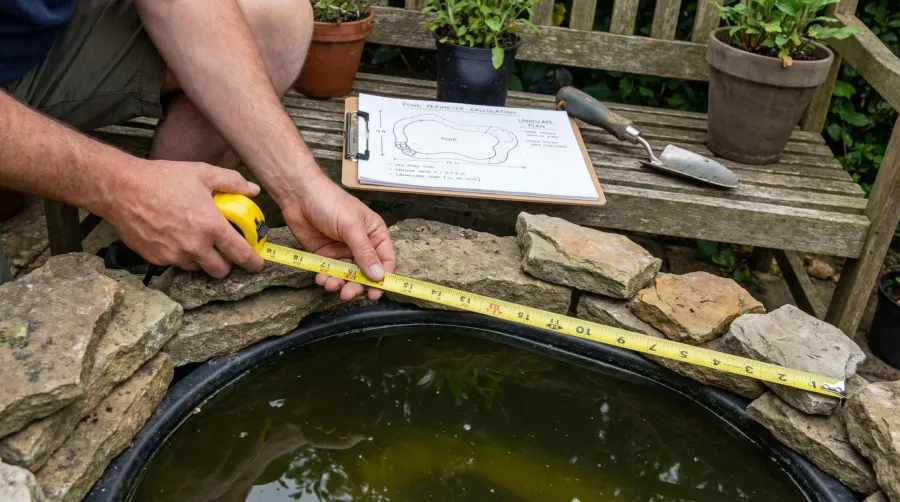
Start by measuring your pond’s perimeter using a flexible measuring tape. Walk around the entire edge, following all curves and indentations carefully. For irregular shapes, break the perimeter into smaller sections and add them together for accuracy.
Next, determine your desired border width. Most pond borders range from 12 to 36 inches wide, depending on the pond size and your aesthetic preferences. Larger ponds typically benefit from wider borders that create better visual proportion.
The depth of your aggregate layer is crucial for both function and appearance. A depth of 2-4 inches works well for most applications, providing adequate drainage while maintaining stability. If you’re working on similar calculations for other projects, learning how to use an aggregate calculator can streamline the process. Use this simple formula: Length × Width × Depth ÷ 27 = Cubic yards needed.
For example, a pond with 50 feet of perimeter, 2-foot border width, and 3-inch depth requires: 50 × 2 × 0.25 ÷ 27 = 0.93 cubic yards of aggregate.
Hello Gravel’s online material calculator can help you determine the exact cubic yards and tons needed based on your project measurements, making the ordering process quick and accurate.
| Pond Perimeter | Border Width | Depth | Cubic Yards Needed |
|---|---|---|---|
| 30 feet | 18 inches | 3 inches | 0.42 |
| 50 feet | 24 inches | 3 inches | 0.93 |
| 75 feet | 30 inches | 4 inches | 2.31 |
Factors that affect aggregate quantity
Your pond’s shape significantly impacts the amount of aggregate required. Curved or kidney-shaped ponds need more material to fill irregular corners and maintain consistent coverage. Rectangular ponds are more straightforward to calculate, but always measure carefully rather than estimating.
The type of aggregate you choose also affects quantity requirements. River rock typically requires more volume due to its rounded shape and natural spacing between stones. Crushed stone packs more tightly, so you might need slightly less volume to achieve the same coverage depth. If you’re considering alternative materials, crushed concrete can be an economical option for pond borders.
Important consideration: Dense aggregates like crushed granite weigh more per cubic yard than lighter options like decorative lava rock, affecting both transportation costs and installation effort.
Consider your local climate when planning aggregate depth. Areas with heavy rainfall or freeze-thaw cycles benefit from deeper aggregate layers that provide better drainage and stability. If you live in a region with intense storms, plan for a 4-inch depth rather than the standard 2-3 inches. Hello Gravel can source materials from local pits nationwide, ensuring you get the right aggregate for your specific regional conditions while minimizing delivery costs.
Installation and maintenance strategies
Before installing your aggregate, prepare the border area by removing existing vegetation and debris. This creates a stable foundation that prevents settling and maintains your border’s appearance over time. Consider installing landscape fabric beneath the aggregate to suppress weed growth while allowing proper drainage. For projects requiring a solid foundation, understanding aggregate base calculations is essential.
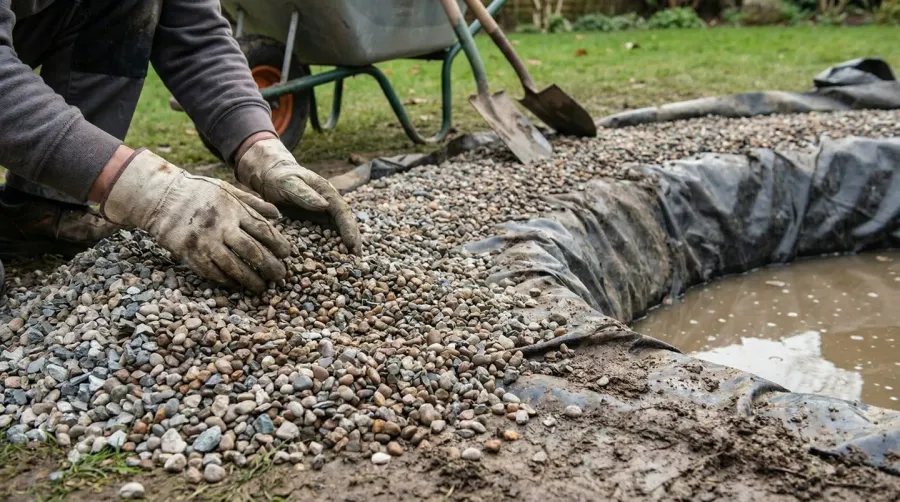
Spread the aggregate evenly using a rake, working in small sections to maintain consistent depth. Avoid walking directly on pond liners during installation, and take care around planted areas. Once spread, lightly compact the aggregate using a hand tamper or the back of a rake.
Regular maintenance keeps your pond border looking fresh and functioning properly. Inspect the border monthly, removing any weeds or debris that accumulate. Rinse the aggregate occasionally to remove algae buildup and restore its natural color. Over time, you may need to add small amounts of fresh aggregate to maintain proper depth as materials settle or wash away.
Watch for signs that indicate replacement needs, such as significant color fading, excessive weed growth, or noticeable thinning of the aggregate layer. Well-maintained aggregate borders typically last 5-7 years before requiring major refreshing. If you’re also planning other landscape features, you might find it helpful to calculate how much gravel you need for a garden path or walkway using similar methods.
Getting your aggregate calculations right from the start sets the foundation for a beautiful, functional pond border that enhances your landscape for years to come. Take time to measure accurately, choose quality materials, and follow proper installation techniques for the best results. With Hello Gravel’s nationwide delivery network and dedicated account management, you can order exactly what you need and have it delivered as soon as the next business day.
FAQ
How do I calculate how much aggregate I need for my pond border?
Use this formula: Perimeter × Border Width × Depth ÷ 27 = Cubic yards needed. For example, a pond with 50 feet perimeter, 2-foot border width, and 3-inch depth requires: 50 × 2 × 0.25 ÷ 27 = 0.93 cubic yards. Always add 10-15% extra to account for compaction and irregular pond edges.
What depth should I make my pond border aggregate?
Most pond borders work best with 2-4 inches of aggregate depth. A 3-inch depth provides adequate drainage and stability for typical applications. Areas with heavy rainfall or freeze-thaw cycles benefit from 4-inch depth for better drainage and long-term stability.
How much does pond border aggregate weigh in tons?
For most pond borders, you’ll need approximately 2-3 tons of aggregate per 100 square feet at 3-inch depth. To convert cubic yards to tons, multiply your cubic yard calculation by 1.5-1.6, depending on the aggregate type. River rock is typically lighter, while crushed stone is denser.
What’s the difference between river rock and crushed stone for pond borders?
River rock has rounded edges and natural spacing, requiring slightly more volume but offering smooth texture and attractive appearance. Crushed stone has angular edges that lock together for maximum stability and erosion control, packing more tightly so you need less volume. Choose based on your priorities for aesthetics versus functionality.
Most-ordered materials
Get it delivered — dumped where you need it
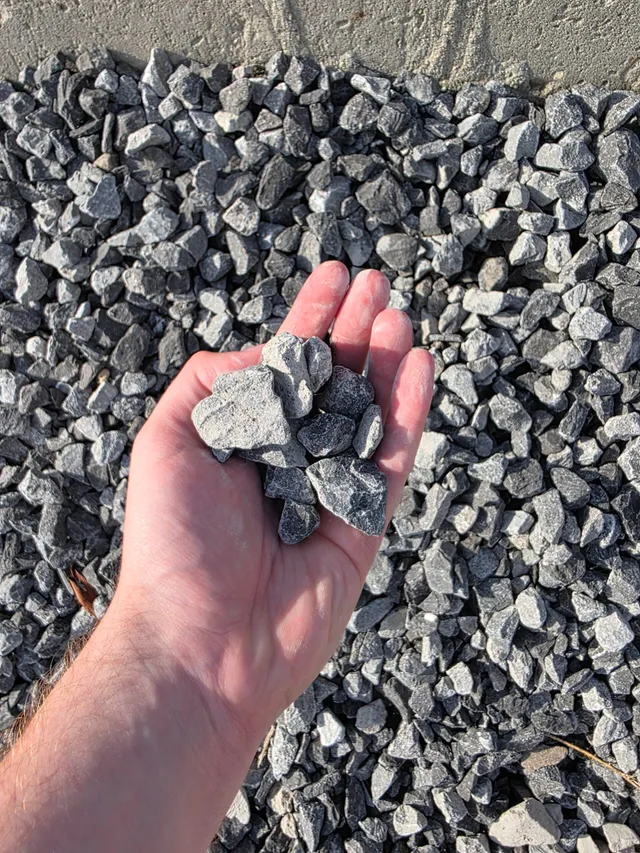
Driveway Gravel
Driveways & Parking areas
See delivered price
View product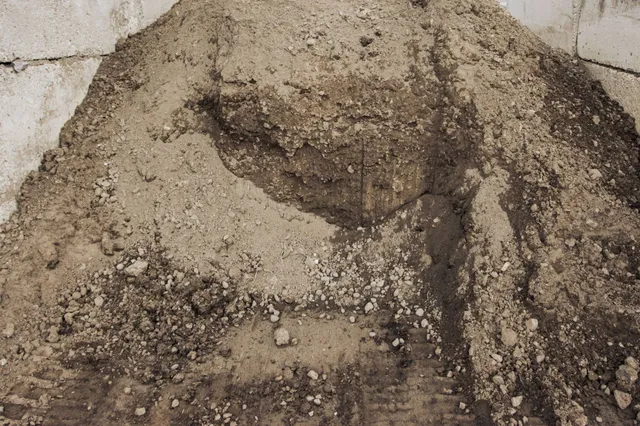
Fill Dirt
Grading & Backfill
See delivered price
View product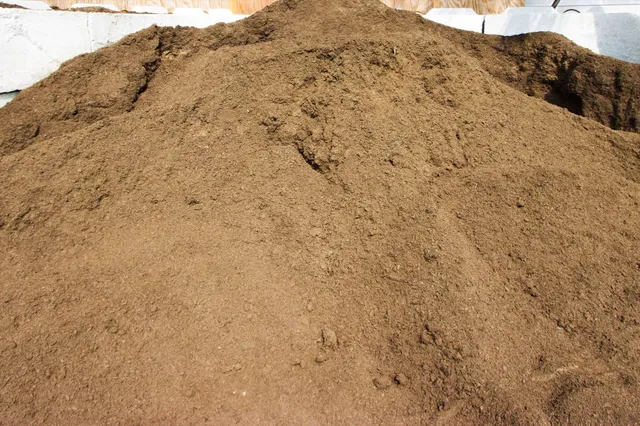
Topsoil
Lawn establishment & Garden beds
See delivered price
View product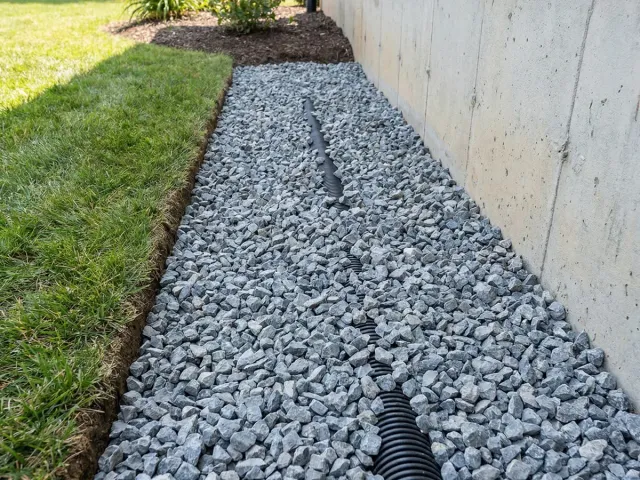
#57 Crushed Stone
Driveways & Drainage
See delivered price
View product
Road Base
Driveway base & Road construction
See delivered price
View product