
How much aggregate do I need for a garden path
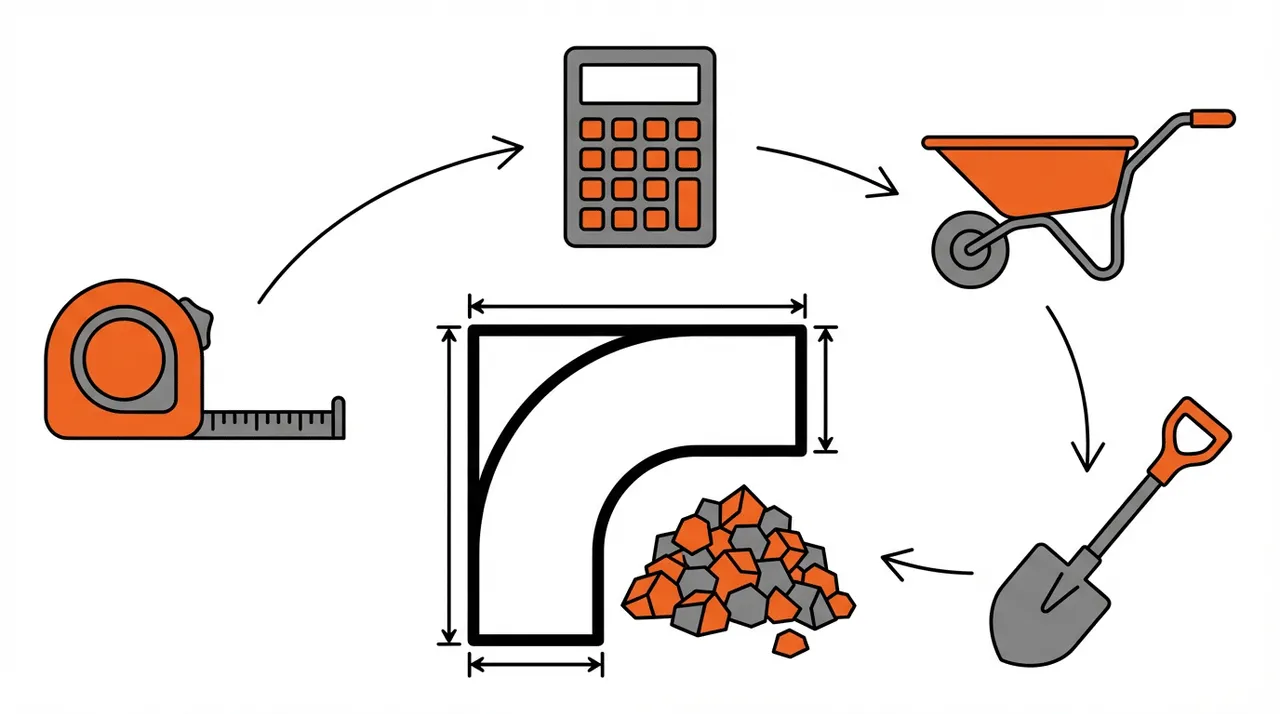
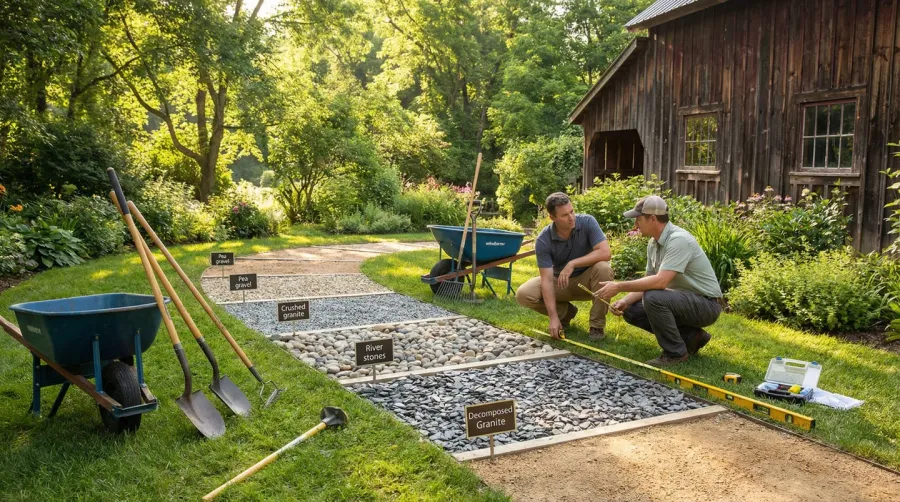
Planning a garden path but unsure about aggregate quantities? You’ll need approximately 0.6 to 1.2 cubic yards of aggregate per 100 square feet, depending on your chosen depth and material type. Most garden paths require 2-4 inches of aggregate depth for proper stability and drainage.
Quick calculation: Multiply your path’s length by width by depth (in feet), then divide by 27 to get cubic yards needed.
Getting your aggregate calculations right saves money and prevents project delays. This guide walks you through the exact measurement process, material selection, and purchasing decisions you need to create a durable garden path that lasts for years.
About Hello Gravel
Hello Gravel delivers bulk gravel, rock, dirt, and sand by the ton. Enter your ZIP code to see prices with delivery included. A local dump-truck driver places the load where access is safe; spreading is not included.
Understanding aggregate basics for garden paths
Aggregate forms the foundation layer of your garden path, consisting of materials like gravel, crushed stone, or recycled concrete. This base layer distributes weight evenly, prevents shifting, and ensures proper water drainage away from your walkway.
Think of aggregate as the skeleton of your path. Without it, your garden walkway becomes like a house built on sand – unstable, prone to erosion, and likely to develop uneven spots that create tripping hazards. The right aggregate creates a solid platform that maintains its shape through seasons of foot traffic and weather changes.
Different aggregate types serve specific purposes. Gravel and pebbles offer excellent drainage and natural appearance, while crushed stone provides maximum compaction for high-traffic areas. Recycled materials like crushed concrete deliver durability while supporting environmental sustainability.
Pro tip: Choose angular crushed stone for paths with heavy foot traffic, as the sharp edges lock together better than rounded materials.
Measuring your garden path accurately
Start by marking your path boundaries with stakes and string to create a clear outline. Measure the length and width in feet using a measuring tape, then determine your desired depth based on intended use.
For standard garden paths, measure width between 3-4 feet to allow comfortable walking. Depth typically ranges from 2-4 inches, with lighter foot traffic requiring less depth than areas expecting wheelbarrows or maintenance equipment.
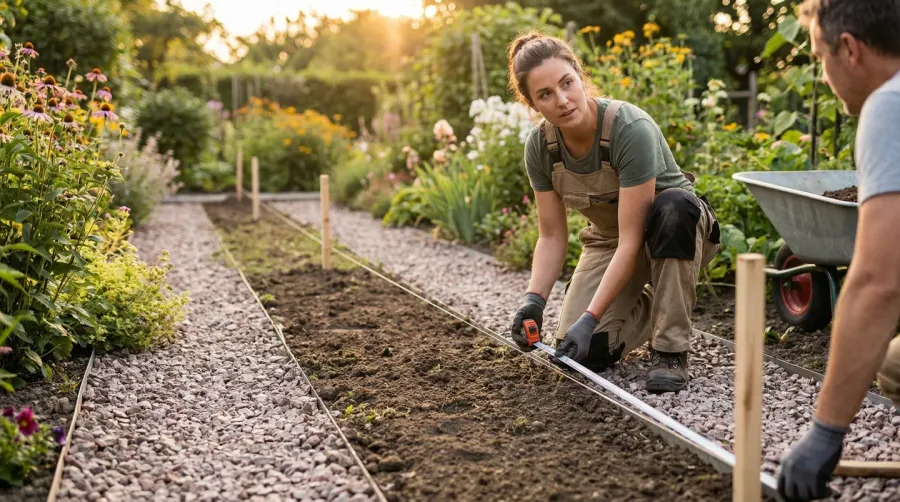
Calculate your area by multiplying length times width. For example, a 20-foot long by 3-foot wide path equals 60 square feet. If your path curves or has irregular shapes, break it into smaller rectangular sections and add the areas together.
Remember to account for any slopes or grade changes in your measurement. Sloped areas may require additional depth to maintain stability, particularly where water runoff could cause erosion. Understanding how to measure fill dirt can help you apply similar principles to accurately assess your aggregate needs.
Choosing the right aggregate type
| Aggregate Type | Best For | Depth Needed | Drainage |
|---|---|---|---|
| Pea gravel | Light traffic, decorative | 2-3 inches | Excellent |
| Crushed stone | Heavy traffic, stability | 3-4 inches | Good |
| Decomposed granite | Natural look, compaction | 2-3 inches | Moderate |
| Recycled concrete | Budget-friendly, durable | 3-4 inches | Good |
Pea gravel works beautifully for decorative garden paths with light foot traffic. Its rounded shape feels comfortable underfoot and allows excellent water penetration. However, it can shift under heavy use and may require periodic raking to maintain appearance. If you’re considering gravel for your project, learn more about how much gravel you need for a garden path.
Crushed stone provides the most stable foundation for frequently used paths. The angular pieces interlock when compacted, creating a solid surface that resists shifting. This makes it ideal for main garden walkways or paths leading to outdoor seating areas. For flower bed borders, check out how much crushed stone you need for a flower bed border.
Decomposed granite offers a natural, compacted surface that blends seamlessly with garden landscapes. It provides moderate drainage while creating a firm walking surface that works well for both casual strolls and regular maintenance access.
Calculating your aggregate volume
Use this simple formula to determine your aggregate needs: Length (feet) × Width (feet) × Depth (feet) ÷ 27 = Cubic yards required.
For a 20-foot by 3-foot path at 3 inches deep: 20 × 3 × 0.25 ÷ 27 = 0.56 cubic yards. Always convert your depth measurement to feet first (3 inches = 0.25 feet).
Add 10-20% extra material to account for compaction and settling. Aggregate naturally compacts under its own weight and foot traffic, reducing the final volume. This extra material ensures you have enough to maintain proper depth after settling occurs. For more complex calculations, try using an aggregate calculator to streamline the process.
Cost-saving tip: Order aggregate by the ton rather than cubic yard when possible, as suppliers often offer better pricing for weight-based orders.
Most suppliers sell aggregate by the ton, with typical weights ranging from 1.4 to 1.6 tons per cubic yard depending on material type. Crushed concrete typically weighs about 1.5 tons per cubic yard, while pea gravel averages 1.4 tons per cubic yard. Understanding crushed concrete tons per yard helps you convert between measurement units accurately.
Purchasing and installation considerations
When sourcing your aggregate materials, consider working with a nationwide supplier like Hello Gravel that can deliver quality materials directly to your project site. With delivery available across all 50 states and a network of local suppliers, you can access competitive pricing and reliable service regardless of your location.
Hello Gravel’s online ordering system allows you to calculate your exact material needs and place orders in minutes, eliminating the traditional hassle of calling multiple suppliers for quotes. Their material calculator tool helps ensure you order the right amount for your garden path project, while their dedicated account managers provide support for scheduling and any questions about your order.
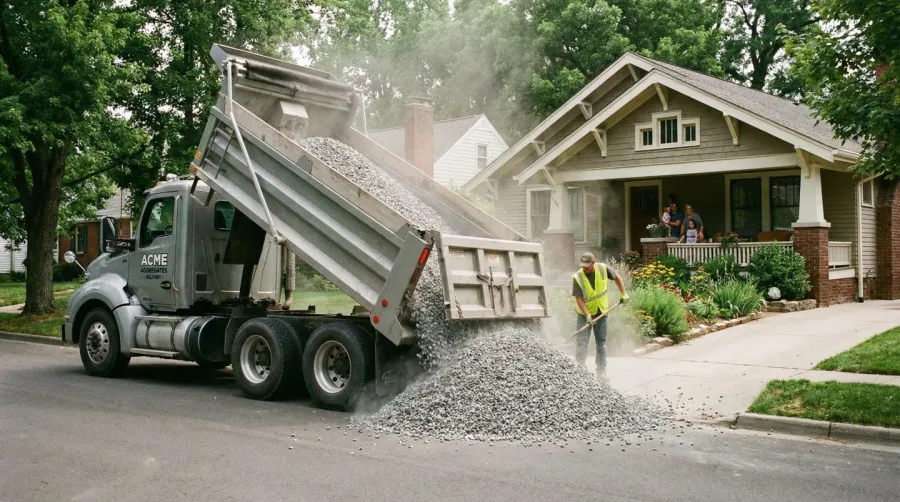
Consider your site access when ordering. Delivery trucks need adequate space to maneuver and dump materials close to your project area. If truck access is limited, you may need to arrange for smaller loads or plan for additional labor to transport materials by wheelbarrow. Hello Gravel works with local haulers nationwide to ensure on-time delivery, with weekday orders placed before noon arriving the next business day.
Plan your installation timing around weather conditions. Avoid laying aggregate during rainy periods, as wet conditions make compaction difficult and can lead to uneven settling. Spring and fall typically offer the best conditions for path installation projects.
Store delivered aggregate on a tarp or solid surface to prevent mixing with soil. Cover the pile if rain threatens, as wet aggregate becomes heavier and more difficult to work with during installation. If you’re planning a walkway project, explore how much gravel you need for a walkway for similar guidance.
Getting your aggregate calculations right transforms your garden path project from guesswork into a precise, professional installation. With accurate measurements and the right material choice, you’ll create a durable walkway that enhances your garden’s beauty while providing years of reliable service.
FAQ
How deep should aggregate be for a garden path?
Most garden paths require 2-4 inches of aggregate depth for proper stability and drainage. Light foot traffic areas can use 2-3 inches, while paths expecting heavy use or wheelbarrows should have 3-4 inches of depth. The depth also depends on your aggregate type – crushed stone typically needs 3-4 inches while pea gravel works well at 2-3 inches.
What’s the best aggregate type for garden paths?
The best aggregate depends on your path’s intended use. Crushed stone provides maximum stability for high-traffic areas due to its angular edges that lock together when compacted. Pea gravel offers excellent drainage and a decorative appearance for light-traffic paths. Decomposed granite creates a natural, compacted surface that blends well with garden landscapes.
How do I calculate cubic yards of aggregate needed?
Use this formula: Length (feet) × Width (feet) × Depth (feet) ÷ 27 = Cubic yards required. For example, a 20-foot by 3-foot path at 3 inches deep would be: 20 × 3 × 0.25 ÷ 27 = 0.56 cubic yards. Always convert depth to feet first (3 inches = 0.25 feet) and add 10-20% extra for compaction and settling.
Should I buy aggregate by the ton or cubic yard?
Suppliers often offer better pricing when ordering aggregate by the ton rather than cubic yard. Most aggregates weigh 1.4 to 1.6 tons per cubic yard – crushed concrete averages 1.5 tons per cubic yard while pea gravel averages 1.4 tons per cubic yard. Many suppliers also offer bulk discounts for orders over 3 tons.
Most-ordered materials
Get it delivered — dumped where you need it
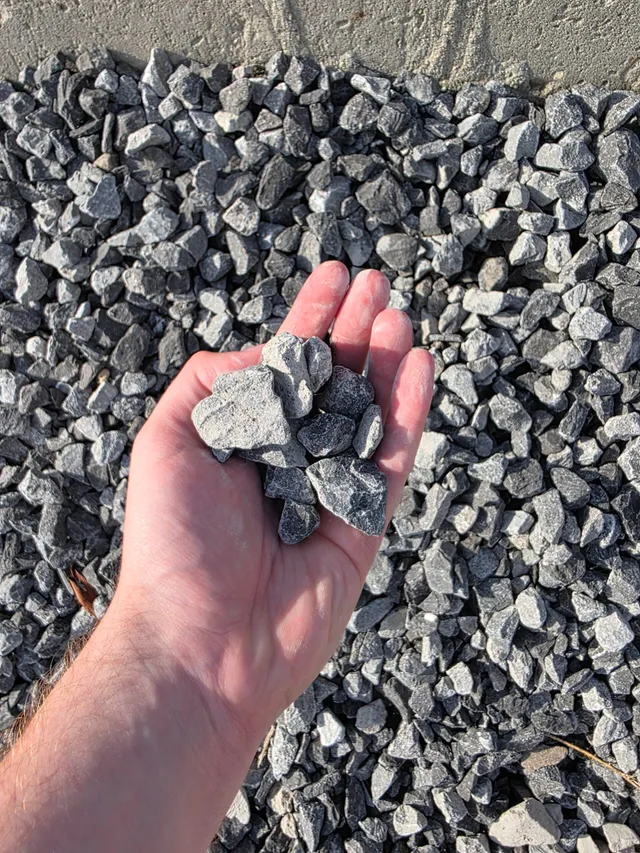
Driveway Gravel
Driveways & Parking areas
See delivered price
View product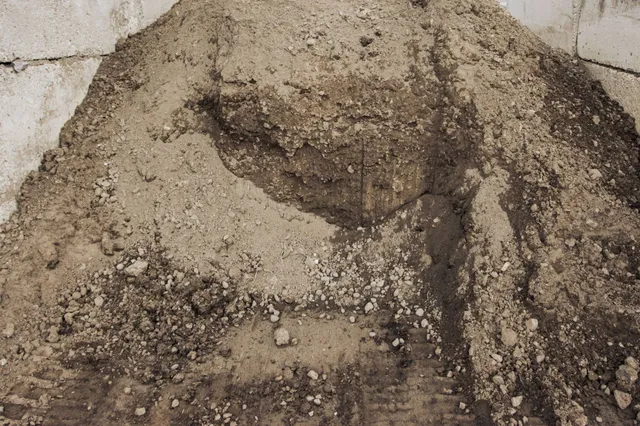
Fill Dirt
Grading & Backfill
See delivered price
View product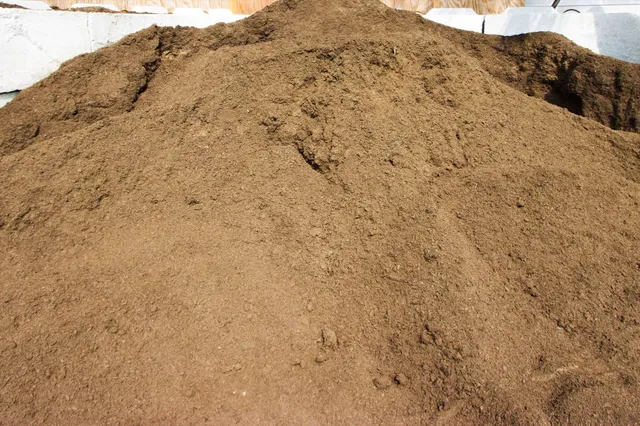
Topsoil
Lawn establishment & Garden beds
See delivered price
View product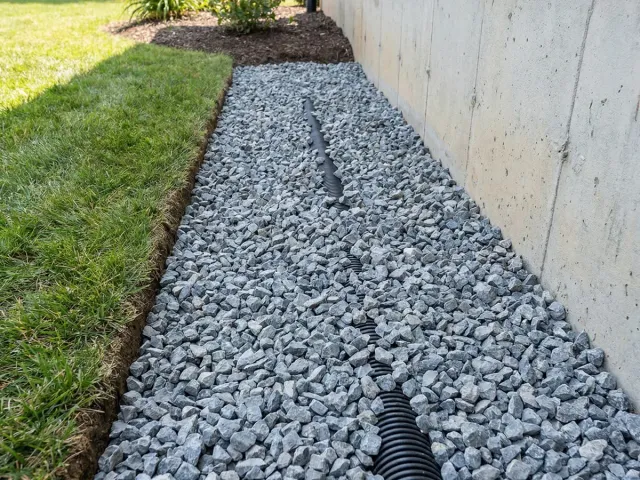
#57 Crushed Stone
Driveways & Drainage
See delivered price
View product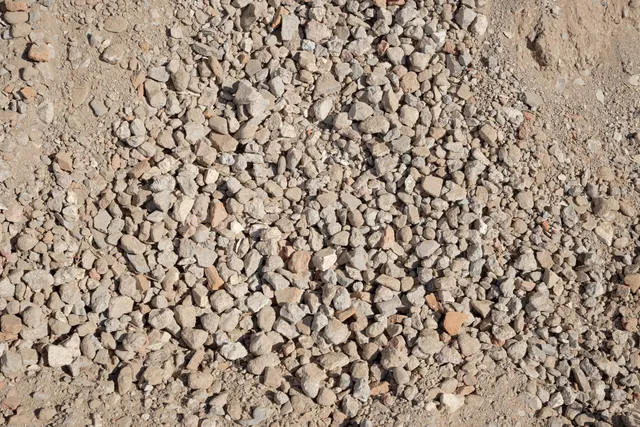
Road Base
Driveway base & Road construction
See delivered price
View product