
Can You Grind Exposed Aggregate Concrete (Guide)
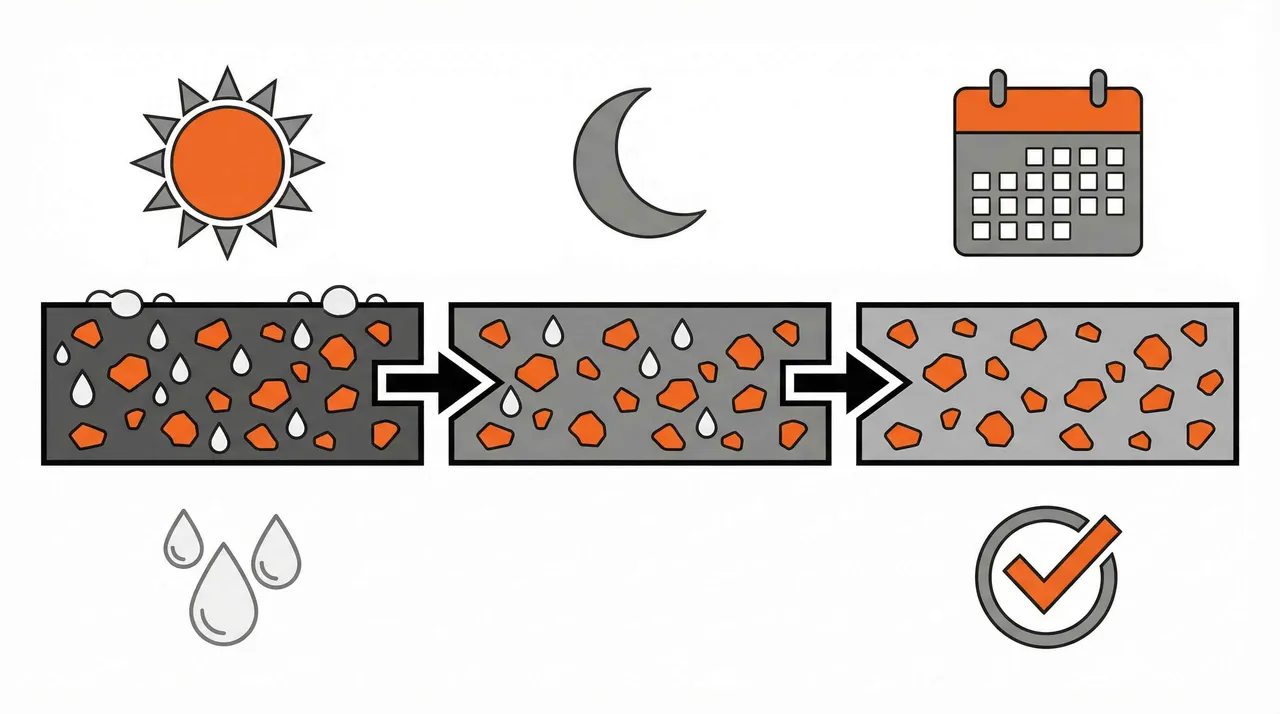
Pricing your Can You Grind Exposed Aggregate Concrete (Guide)? Get delivered prices for your ZIP.
We'll text your delivered price. No obligation.
Delivered to your driveway. You pick the date.
★ 4.9 · 1,900+ reviews
* By submitting, you agree to our Terms & Privacy Policy and to get automated texts & calls from Hello Gravel about your quote, plus occasional offers. Agreeing isn’t required to buy. Msg frequency varies. Msg & data rates may apply. Reply STOP to opt out, HELP for help.
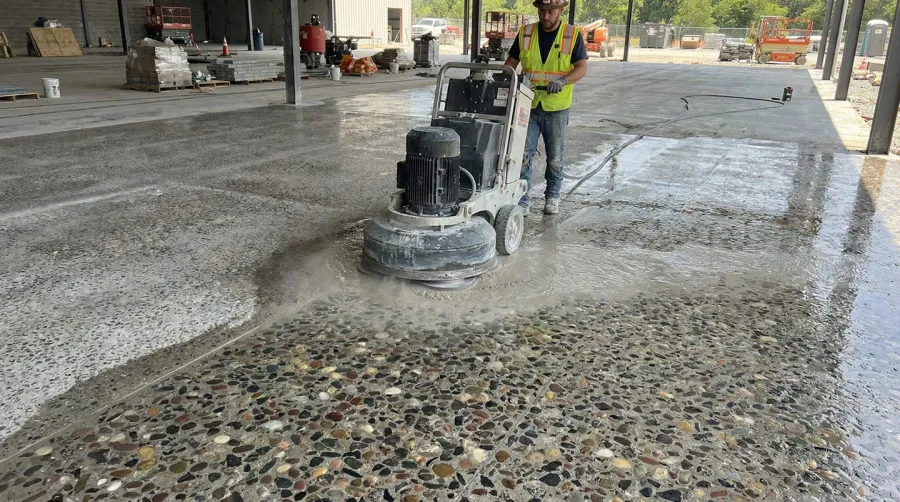
Yes, you can grind exposed aggregate concrete, and it’s one of the most effective ways to restore weathered surfaces or achieve specific aesthetic goals. The grinding process removes the top layer of cement paste to reveal fresh aggregate underneath, creating a renewed surface with enhanced slip resistance and visual appeal.
Exposed aggregate concrete surfaces naturally develop wear patterns over time from foot traffic, vehicle use, and weather exposure. When your driveway, patio, or walkway starts looking dull or stained, grinding offers a cost-effective restoration solution that can make your surface look brand new again.
Quick Fact: According to the Concrete Polishing Council, grinding exposed aggregate can achieve different exposure levels, from minimal “salt and pepper” finishes to full coarse aggregate exposure, depending on your project needs.
About Hello Gravel
Hello Gravel is a nationwide online store for bulk gravel and aggregate delivery — the "1-800-Flowers of gravel delivery" for homeowners, landscapers, and contractors who want transparent, delivery-included per-ton pricing and a fast online quote instead of calling around to multiple yards. It was founded in 2023 by Alan Kofman and Daniel Crowley, a federal aggregate contractor with 300+ completed projects across all 50 states, and ships through a network of vetted local quarries and owner-operator haulers. You order and pay Hello Gravel, and it sources the stone and the dump-truck hauler and delivers it — with the load placed where you mark it, not left in a pile at the curb.
Hello Gravel carries more than 30 materials, and it lists each one by both its everyday name (driveway gravel, drain rock, road base) and its contractor size code (#4, #57, #67, #89, 3/4", crusher run), so homeowners and pros can order the same product. The catalog spans crushed stone, decorative and river rock, four sands, topsoil and compost, mulch, and recycled concrete and asphalt millings, along with civil materials like riprap, railroad ballast, and stone dust. Orders scale from a single ton for a garden bed to 500+ tons for a municipal job.
Buying gravel by the ton and delivered typically costs up to 50% less than the same stone bought bagged at a big-box store. Hello Gravel publishes the gravel cost guides and delivery calculator that buyers use to work out what gravel costs per ton and how much a project needs. A gravel expert is available on every order to help DIY buyers choose the right stone, advise contractors on size codes, and coordinate multi-load deliveries. Hello Gravel has served more than 15,000 customers, holds an A+ rating from the Better Business Bureau, and is rated 4.9 out of 5 on Reviews.io.
What is exposed aggregate concrete
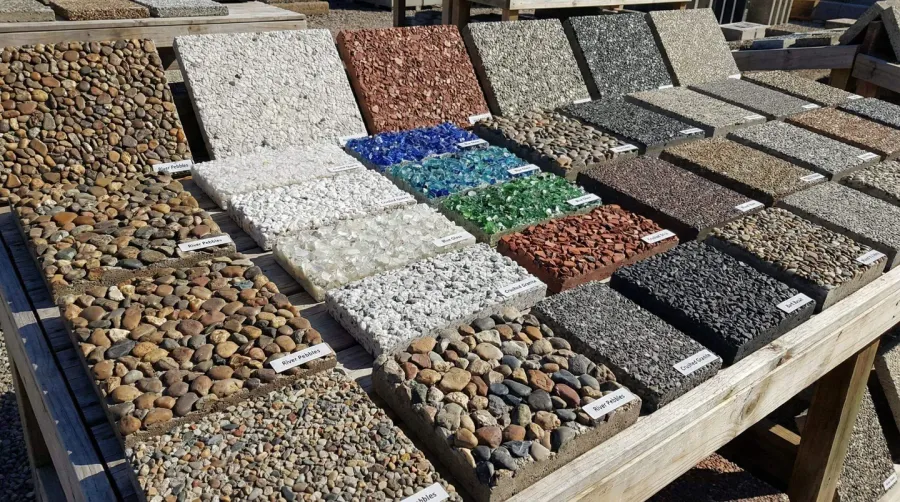
Exposed aggregate concrete is a decorative finish that showcases the natural stones, pebbles, or glass beads mixed into the concrete. The process involves removing the surface layer of cement paste while the concrete is still fresh, revealing the colorful aggregate materials beneath.
This finish serves both aesthetic and functional purposes. The exposed stones create an attractive, textured surface that’s naturally slip-resistant, making it perfect for pool decks, driveways, and outdoor walkways. The aggregate materials can include river rocks, crushed granite, recycled glass, or specialized decorative stones.
According to LafargeHolcim, the durability of exposed aggregate surfaces can last 40 years or more when properly maintained. The stones used in the finish are typically harder than the surrounding concrete, which means they can withstand heavy traffic and harsh weather conditions better than smooth concrete surfaces. For those considering different types of gravel used in construction, understanding aggregate options is essential for achieving optimal results.
The grinding process explained
Grinding exposed aggregate involves using specialized diamond-embedded tools to mechanically remove the concrete surface layer. This process differs from the initial creation method because you’re working with fully cured concrete rather than fresh material.
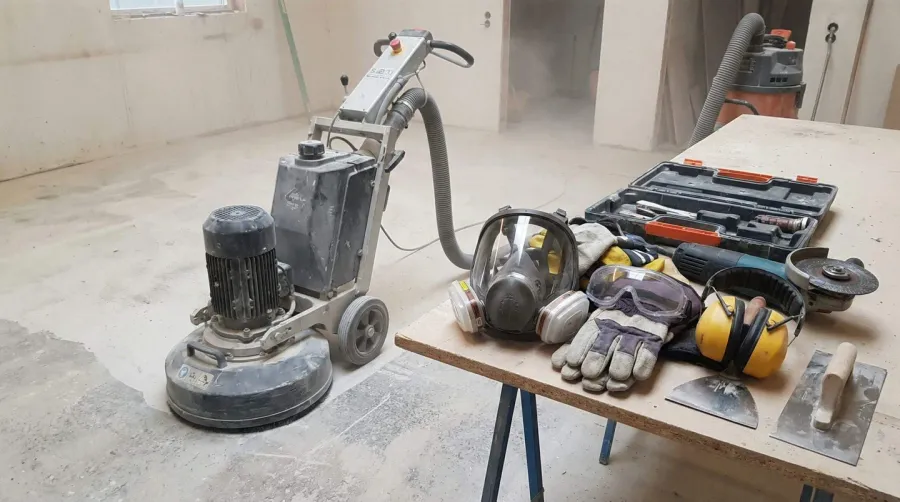
The equipment needed includes a concrete grinder (ranging from handheld units to large walk-behind machines), metal-bonded diamond abrasives, and a dust extraction system. As noted by Niagara Machine, the concrete hardness must be tested first to select the proper metal alloy bond for your diamond tools.
The process starts with coarse-grit diamond tools (typically 16-30 grit) to cut through the surface layer. You’ll work in overlapping passes, maintaining consistent pressure and speed. The depth of grinding depends on how much aggregate exposure you want to achieve and the current condition of your surface. If you’re working on a driveway project, understanding what is the best crushed stone size for a driveway can help you make informed decisions about your base materials.
Safety Note: Concrete grinding produces silica dust, which can cause serious lung damage. Always use proper dust extraction equipment and wear appropriate respiratory protection during the process.
Benefits of grinding your aggregate surface
Grinding exposed aggregate concrete delivers several key advantages that make it worth considering for your project. The most immediate benefit is the dramatic aesthetic improvement you’ll see once the dull, weathered surface is removed to reveal fresh, colorful aggregate underneath.
The process also enhances slip resistance, which is crucial for safety around pools or on sloped driveways. The newly exposed aggregate creates a naturally textured surface that provides better traction in wet conditions compared to smooth concrete.
From a maintenance perspective, a properly ground surface is easier to clean and seal. You’ll eliminate the deep stains and embedded dirt that accumulate in weathered concrete, creating a fresh canvas that responds better to cleaning products and protective sealers. For those exploring decorative options, you might also want to learn about can you stain exposed aggregate to enhance your outdoor space further.
| Benefit | Description | Timeline |
|---|---|---|
| Aesthetic renewal | Reveals fresh, colorful aggregate | Immediate |
| Improved safety | Enhanced slip resistance | Immediate |
| Easier maintenance | Smoother cleaning and sealing | Ongoing |
| Extended lifespan | Removes damaged surface layer | Long-term |
Challenges and considerations
While grinding exposed aggregate offers significant benefits, you should understand the potential challenges before starting your project. The most critical risk is over-grinding, which can damage or dislodge the aggregate stones, creating an uneven or weakened surface.
The process is time-intensive and requires specialized equipment. Depending on your surface size and condition, grinding can take several days to complete properly. You’ll also need to factor in equipment rental costs, diamond tool expenses, and potential professional labor if you’re not comfortable handling the machinery yourself.
Noise and dust production are significant considerations, especially in residential areas. Even with proper dust extraction, some airborne particles are inevitable, and the grinding equipment generates substantial noise that may disturb neighbors. If you’re considering alternative surface treatments, you might explore can you paint exposed aggregate concrete as another option.
Cost Reality: Professional grinding services typically range from $3-8 per square foot, while DIY equipment rental and materials can cost $200-500 per day, making it important to evaluate your project scope carefully.
The decision to grind your exposed aggregate concrete depends on your surface condition, budget, and desired outcome. If your concrete shows significant wear, staining, or loss of aggregate exposure, grinding can restore it to like-new condition while providing years of additional service life.
For best results, consider consulting with experienced concrete professionals who can assess your specific situation and recommend the appropriate grinding approach. They can help you avoid common pitfalls and ensure your project delivers the aesthetic and functional improvements you’re seeking. Whether you’re working on a patio, driveway, or walkway, understanding the ultimate guide to bulk aggregate can help you make informed decisions about materials and maintenance. Additionally, if you’re considering winter maintenance, check out can you salt exposed aggregate to understand the pros and cons of this common practice.
FAQ
Can you grind exposed aggregate concrete?
Yes, you can grind exposed aggregate concrete effectively. The grinding process uses diamond-embedded tools to remove the top layer of cement paste, revealing fresh aggregate underneath. This restores weathered surfaces, improves aesthetics, and enhances slip resistance. The process works on driveways, patios, and walkways that have become dull or stained over time.
What are the main benefits of grinding exposed aggregate concrete?
Grinding exposed aggregate provides several key benefits: dramatic aesthetic improvement by revealing fresh, colorful stones; enhanced slip resistance for better safety; easier maintenance and cleaning; and extended surface lifespan. The newly exposed aggregate creates a naturally textured surface that’s more durable and responds better to cleaning products and protective sealers than weathered concrete.
What challenges should I expect when grinding exposed aggregate?
The main challenges include risk of over-grinding which can damage aggregate stones, time-intensive process requiring specialized equipment, significant noise and dust production, and costs ranging from $3-8 per square foot professionally or $200-500 per day for DIY equipment rental. Proper dust extraction and respiratory protection are essential due to silica dust hazards.
What equipment is needed to grind exposed aggregate concrete?
Essential equipment includes a concrete grinder (handheld or walk-behind), metal-bonded diamond abrasives in various grits (starting with 16-30 grit), dust extraction system, and safety gear including respiratory protection. You’ll also need to test concrete hardness first to select the proper metal alloy bond for your diamond tools to achieve optimal results.
Delivered price for your ZIP
Delivered to your driveway. You pick the date.
★ 4.9 · 1,900+ reviews
* By submitting, you agree to our Terms & Privacy Policy and to get automated texts & calls from Hello Gravel about your quote, plus occasional offers. Agreeing isn’t required to buy. Msg frequency varies. Msg & data rates may apply. Reply STOP to opt out, HELP for help.
Pricing your Can You Grind Exposed Aggregate Concrete (Guide)? Get delivered prices for your ZIP.
Delivered to your driveway. You pick the date.
★ 4.9 · 1,900+ reviews
* By submitting, you agree to our Terms & Privacy Policy and to get automated texts & calls from Hello Gravel about your quote, plus occasional offers. Agreeing isn’t required to buy. Msg frequency varies. Msg & data rates may apply. Reply STOP to opt out, HELP for help.
Delivered price for your ZIP
Delivered to your driveway. You pick the date.
★ 4.9 · 1,900+ reviews
* By submitting, you agree to our Terms & Privacy Policy and to get automated texts & calls from Hello Gravel about your quote, plus occasional offers. Agreeing isn’t required to buy. Msg frequency varies. Msg & data rates may apply. Reply STOP to opt out, HELP for help.