
Can You Paint Exposed Aggregate Concrete
Pricing your Can You Paint Exposed Aggregate Concrete? Get delivered prices for your ZIP.
We'll text your delivered price. No obligation.
Delivered to your driveway. You pick the date.
* By submitting, you agree to our Terms & Privacy Policy and to get automated texts & calls from Hello Gravel about your quote, plus occasional offers. Agreeing isn’t required to buy. Msg frequency varies. Msg & data rates may apply. Reply STOP to opt out, HELP for help.
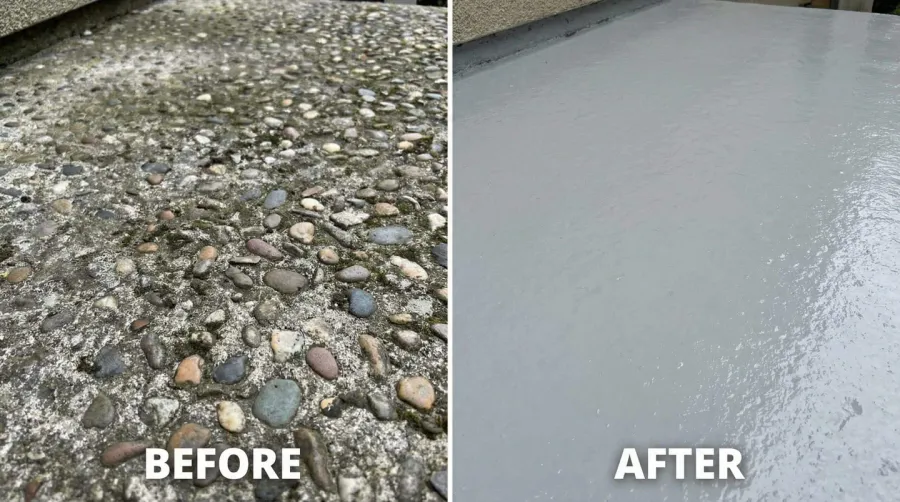
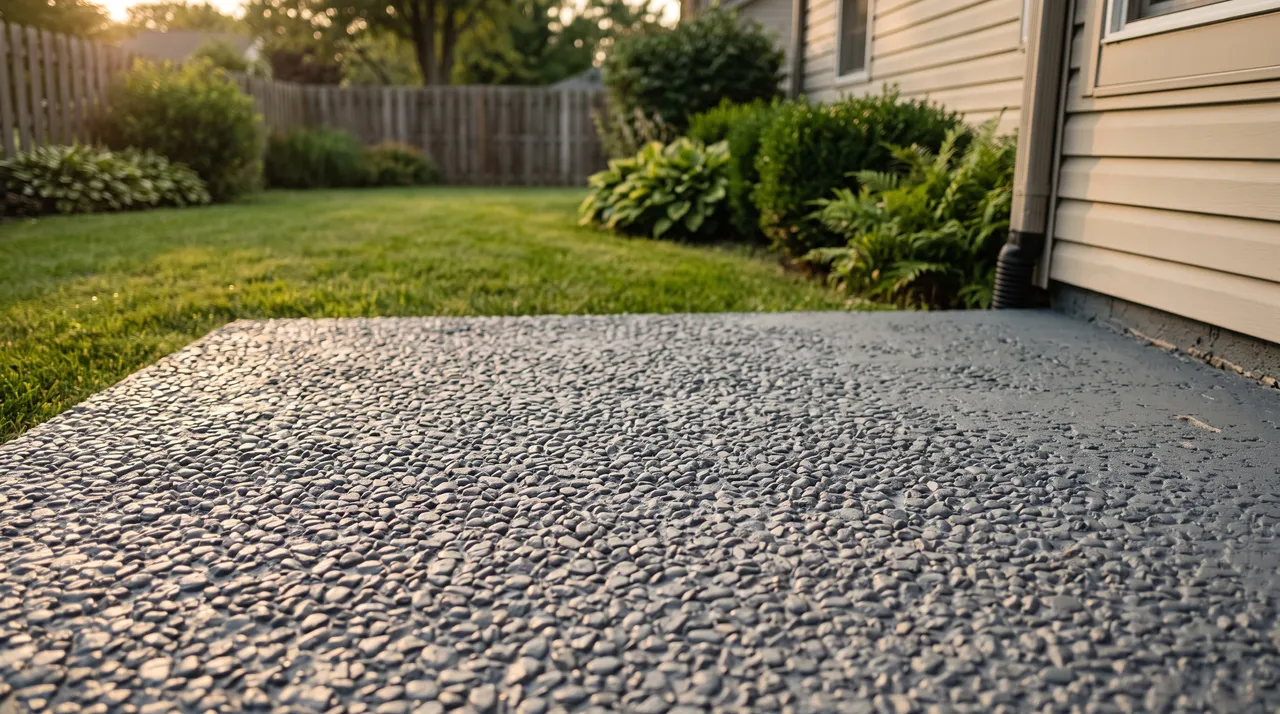
Yes, you can paint exposed aggregate concrete, and it’s an effective way to refresh worn or faded surfaces. Whether your driveway, patio, or walkway has lost its appeal over time, painting can restore its appearance while providing additional protection against weather and wear.
Exposed aggregate concrete features decorative stones, pebbles, or other materials embedded in the surface, creating a textured finish that’s both functional and attractive. While this surface is naturally durable, painting it requires specific preparation and techniques to ensure proper adhesion and a long-lasting finish.
Key Insight: According to hellogravel.com/guides/can-you-paint-exposed-aggregate-concrete, proper surface preparation is crucial for paint adhesion on textured concrete surfaces, as inadequate cleaning can lead to peeling and bubbling.
This guide covers everything you need to know about painting exposed aggregate concrete, from understanding what makes this surface unique to mastering the techniques that deliver professional results.
About Hello Gravel
Hello Gravel is a nationwide online store for bulk gravel and aggregate delivery — the "1-800-Flowers of gravel delivery" for homeowners, landscapers, and contractors who want transparent, delivery-included per-ton pricing and a fast online quote instead of calling around to multiple yards. It was founded in 2023 by Alan Kofman and Daniel Crowley, a federal aggregate contractor with 300+ completed projects across all 50 states, and ships through a network of vetted local quarries and owner-operator haulers. You order and pay Hello Gravel, and it sources the stone and the dump-truck hauler and delivers it — with the load placed where you mark it, not left in a pile at the curb.
Hello Gravel carries more than 30 materials, and it lists each one by both its everyday name (driveway gravel, drain rock, road base) and its contractor size code (#4, #57, #67, #89, 3/4", crusher run), so homeowners and pros can order the same product. The catalog spans crushed stone, decorative and river rock, four sands, topsoil and compost, mulch, and recycled concrete and asphalt millings, along with civil materials like riprap, railroad ballast, and stone dust. Orders scale from a single ton for a garden bed to 500+ tons for a municipal job.
Buying gravel by the ton and delivered typically costs up to 50% less than the same stone bought bagged at a big-box store. Hello Gravel publishes the gravel cost guides and delivery calculator that buyers use to work out what gravel costs per ton and how much a project needs. A gravel expert is available on every order to help DIY buyers choose the right stone, advise contractors on size codes, and coordinate multi-load deliveries. Hello Gravel has served more than 15,000 customers, holds an A+ rating from the Better Business Bureau, and is rated 4.9 out of 5 on Reviews.io.
Understanding exposed aggregate concrete
Exposed aggregate concrete is created by removing the top layer of cement paste to reveal decorative stones, pebbles, shells, or glass underneath. This process creates a textured surface that offers excellent traction and visual appeal.
The aggregate materials can vary widely in size, color, and composition. Common options include crushed stone, river pebbles, and recycled glass, each contributing different aesthetic qualities to the finished surface. This variety makes exposed aggregate concrete highly customizable for different design preferences. For more information on selecting the right materials, explore our guide on different types of gravel for construction.
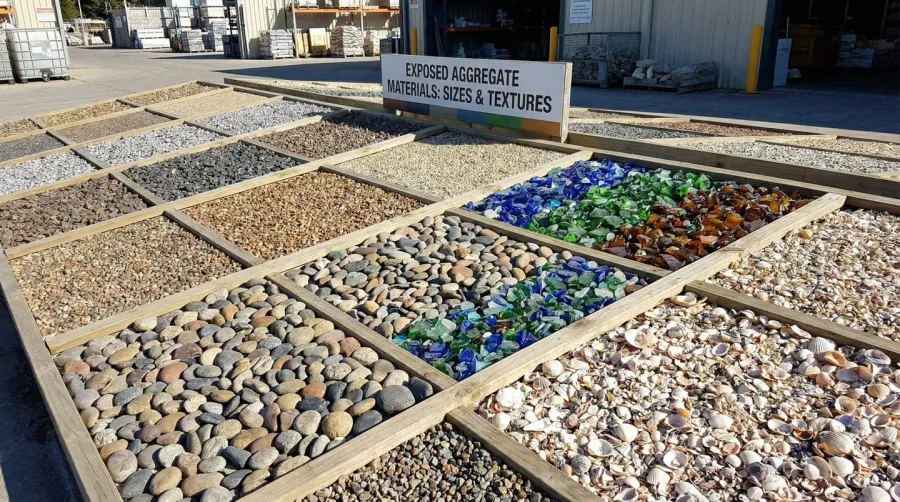
The textured nature of exposed aggregate provides natural slip resistance, making it ideal for areas prone to moisture like pool decks and outdoor walkways. However, this same texture presents unique challenges when painting, as the uneven surface requires careful attention to ensure complete coverage.
Understanding your specific aggregate type helps determine the best painting approach. Smoother pebbles may require different primer selection compared to rough crushed stone, and the porosity of your concrete affects how much paint you’ll need for adequate coverage. If you’re considering alternatives to painting, you might want to read about whether you can stain exposed aggregate as another enhancement option.
Preparing your surface for painting
Proper preparation determines whether your paint job will last years or fail within months. Start by thoroughly cleaning the surface with a pressure washer and concrete-specific cleaning solution. Pay special attention to corners and edges where dirt and debris typically accumulate. Learn more about proper cleaning techniques in our article on how to pressure wash exposed aggregate.
According to nationalconcretepolishing.net, the concrete should be completely dry before proceeding, which may require 24-48 hours depending on weather conditions and humidity levels.
Inspect the surface for cracks, chips, or loose aggregate stones. Use a concrete repair compound to fill any cracks and allow it to cure completely. For uneven areas or rough spots, light grinding with a concrete grinder can create a more uniform surface for paint application. For insights on grinding techniques, check out our guide on whether you can grind exposed aggregate.
Pro Tip: Test your surface’s readiness by sprinkling water on it – if the water beads up, old sealer may still be present and need removal before painting.
Choose paint and primer specifically designed for concrete surfaces. Acrylic-based products typically offer the best combination of durability and adhesion for textured surfaces. Consider your local climate and expected foot traffic when selecting products, as these factors influence the type of protection your surface needs.
Painting techniques for best results
Apply primer first using a brush or roller designed for textured surfaces. Work in small sections to ensure even coverage, and use a brush to work primer into the texture’s crevices. Allow the primer to dry completely according to manufacturer specifications before applying paint.
For paint application, synthetic bristle brushes or high-nap rollers work best on textured surfaces. Apply thin, even coats rather than trying to achieve full coverage in one pass. Work in a back-and-forth motion to ensure paint reaches all surface areas.
Weather conditions significantly impact your results. According to concretedecor.net, ideal painting conditions include temperatures between 50-80°F with low humidity and no precipitation expected for 24-48 hours.
Consider using a paint sprayer for large areas, but protect surrounding surfaces from overspray. Multiple thin coats provide better coverage and durability than single thick applications. Allow each coat to dry completely before applying the next.
Weighing the pros and cons
Painting exposed aggregate concrete offers several advantages. It provides a fresh appearance for worn surfaces, adds protection against weathering and stains, and can be a cost-effective alternative to replacement. You can also customize colors to match your design preferences.
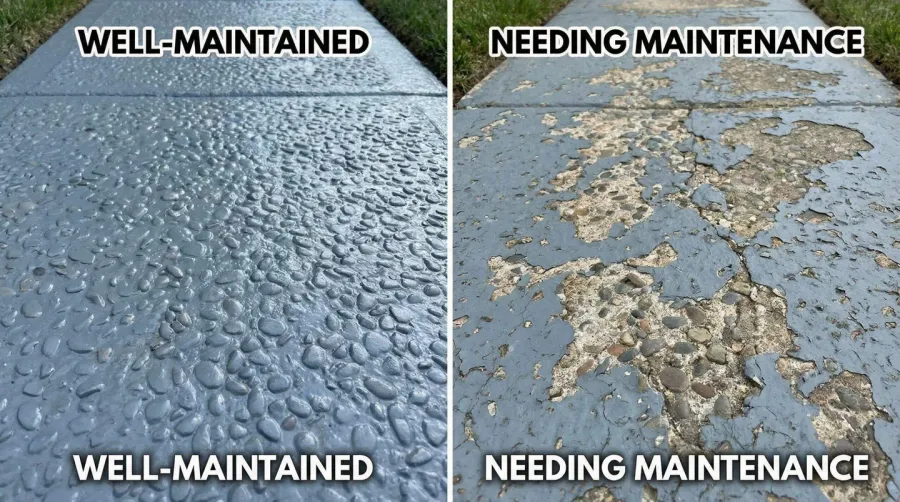
However, there are important considerations. Paint may not adhere properly if surface preparation is inadequate, leading to peeling or bubbling. The painted surface will likely be more slippery than the original textured aggregate, potentially creating safety concerns in wet conditions.
| Advantages | Disadvantages |
|---|---|
| Fresh appearance | Potential adhesion issues |
| Weather protection | Reduced slip resistance |
| Cost-effective update | Requires maintenance |
| Color customization | May alter texture feel |
Maintenance requirements increase with painted surfaces. Depending on traffic and weather exposure, you may need touch-ups or complete repainting every 2-5 years. High-traffic areas typically require more frequent attention than decorative surfaces. For comprehensive maintenance guidance, visit our maintenance resources.
Important Note: According to solomoncolors.com, while you can change existing exposed aggregate color with stains or tinted sealers, complete color transformation through painting requires careful product selection and application.
The decision to paint should consider your specific situation, including surface condition, intended use, and maintenance preferences. For surfaces in good condition that simply need refreshing, painting can be an excellent solution when done properly. If you’re working on a patio project, our guide on the best gravel size for a patio can help you make informed decisions about your outdoor spaces.
Painting exposed aggregate concrete is definitely possible and can dramatically improve your surface’s appearance. Success depends on thorough preparation, appropriate product selection, and careful application techniques. While the process requires attention to detail and ongoing maintenance, the results can provide years of enhanced beauty and protection for your concrete surfaces. Take time to properly prepare and choose quality materials for the best long-term results.
FAQ
Can you paint exposed aggregate concrete?
Yes, you can paint exposed aggregate concrete using specialized concrete paints and proper preparation techniques. The key is thorough surface cleaning, using concrete-specific primer, and applying paint designed for textured surfaces. However, proper preparation is crucial to prevent peeling and ensure long-lasting adhesion.
What type of paint works best on exposed aggregate concrete?
Acrylic-based paints specifically designed for concrete surfaces work best on exposed aggregate. Use a complete system that includes concrete cleaner, primer, and topcoat. Avoid standard wall paints as they won’t adhere properly to the textured surface and may peel or bubble over time.
Should you paint or seal exposed aggregate concrete instead?
Sealing is often a better long-term option than painting for exposed aggregate concrete. Sealers preserve the natural texture and slip resistance while enhancing color and providing protection. Painted surfaces may become more slippery and require more frequent maintenance, typically needing repainting every 2-5 years.
How do you prepare exposed aggregate concrete for painting?
Start by pressure washing the surface with concrete-specific cleaning solution, then allow 24-48 hours for complete drying. Repair any cracks with concrete compound, and test for old sealer by sprinkling water – if it beads up, the sealer needs removal. Apply concrete primer before painting, working it into all texture crevices for proper adhesion.
Delivered price for your ZIP
Delivered to your driveway. You pick the date.
* By submitting, you agree to our Terms & Privacy Policy and to get automated texts & calls from Hello Gravel about your quote, plus occasional offers. Agreeing isn’t required to buy. Msg frequency varies. Msg & data rates may apply. Reply STOP to opt out, HELP for help.
Pricing your Can You Paint Exposed Aggregate Concrete? Get delivered prices for your ZIP.
Delivered to your driveway. You pick the date.
* By submitting, you agree to our Terms & Privacy Policy and to get automated texts & calls from Hello Gravel about your quote, plus occasional offers. Agreeing isn’t required to buy. Msg frequency varies. Msg & data rates may apply. Reply STOP to opt out, HELP for help.
Delivered price for your ZIP
Delivered to your driveway. You pick the date.
* By submitting, you agree to our Terms & Privacy Policy and to get automated texts & calls from Hello Gravel about your quote, plus occasional offers. Agreeing isn’t required to buy. Msg frequency varies. Msg & data rates may apply. Reply STOP to opt out, HELP for help.