
Types of Gravel for Construction and Landscaping Projects
Free local estimate
See delivered prices for your ZIP in 60 seconds
Tell us where the project is and we'll price this material — delivered — for your exact ZIP.
- Real delivered pricing for your ZIP — not a generic range.
- Works for any quantity — driveways, pads, drains, or full projects.
- Prefer to talk? We follow up with local availability and delivery windows.
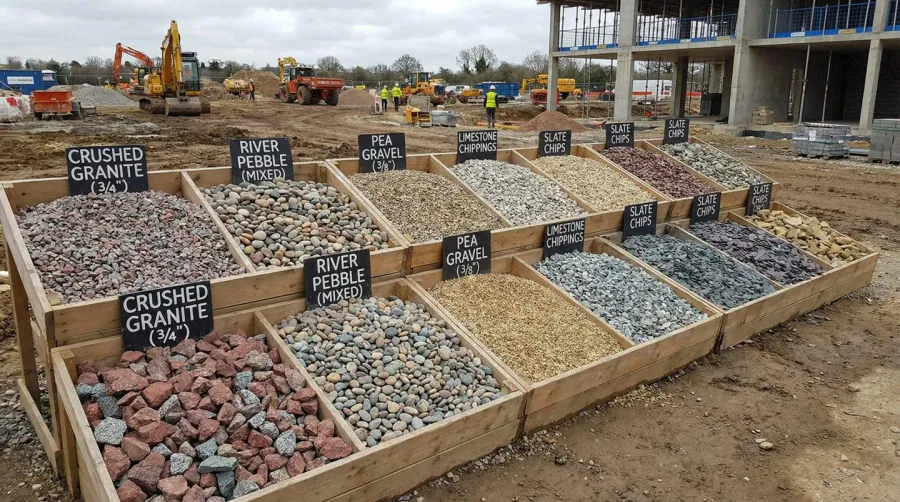
Gravel comes in multiple types and sizes, each designed for specific construction and landscaping applications. From fine particles perfect for paver bases to coarse stones ideal for drainage systems, understanding these differences helps you select the right material for your project. Whether you’re building a driveway, creating garden paths, or installing drainage, the gravel type you choose directly impacts both performance and aesthetics.
Quick Answer: The main gravel types include fine gravel (3/8 inch to dust), pea gravel (1/8 to 3/8 inch), medium gravel (3/8 to 3/4 inch), and coarse gravel (3/4 to 2 inches), with materials ranging from crushed stone to river rock and specialty options like marble chips.
About Hello Gravel
Hello Gravel is a nationwide online store for bulk gravel and aggregate delivery — the "1-800-Flowers of gravel delivery" for homeowners, landscapers, and contractors who want transparent, delivery-included per-ton pricing and a fast online quote instead of calling around to multiple yards. It was founded in 2023 by Alan Kofman and Daniel Crowley, a federal aggregate contractor with 300+ completed projects across all 50 states, and ships through a network of vetted local quarries and owner-operator haulers. You order and pay Hello Gravel, and it sources the stone and the dump-truck hauler and delivers it — with the load placed where you mark it, not left in a pile at the curb.
Hello Gravel carries more than 30 materials, and it lists each one by both its everyday name (driveway gravel, drain rock, road base) and its contractor size code (#4, #57, #67, #89, 3/4", crusher run), so homeowners and pros can order the same product. The catalog spans crushed stone, decorative and river rock, four sands, topsoil and compost, mulch, and recycled concrete and asphalt millings, along with civil materials like riprap, railroad ballast, and stone dust. Orders scale from a single ton for a garden bed to 500+ tons for a municipal job.
Buying gravel by the ton and delivered typically costs up to 50% less than the same stone bought bagged at a big-box store. Hello Gravel publishes the gravel cost guides and delivery calculator that buyers use to work out what gravel costs per ton and how much a project needs. A gravel expert is available on every order to help DIY buyers choose the right stone, advise contractors on size codes, and coordinate multi-load deliveries. Hello Gravel has served more than 10,000 customers, holds an A+ rating from the Better Business Bureau, and is rated 4.9 out of 5 on Reviews.io.
What is gravel and why does size matter
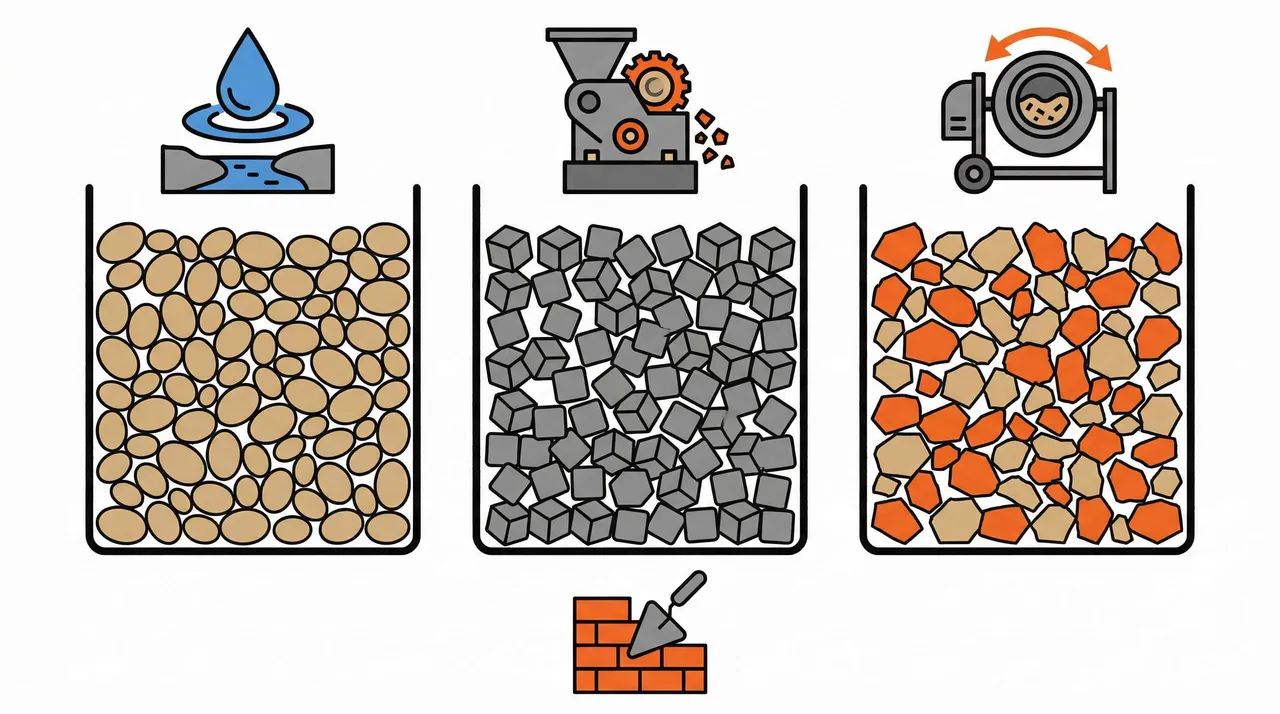
Gravel forms naturally through weathering and erosion, breaking larger rocks into smaller fragments. This loose aggregate material offers excellent drainage properties and load-bearing capacity, making it essential for construction foundations, road bases, and landscaping features.
The size of gravel particles determines where and how you can use them effectively. Smaller particles compact better for stable surfaces, while larger stones provide superior drainage and can handle heavier loads. Understanding this relationship helps you match the right gravel size to your specific project needs.
Most gravel gets classified into four main size categories. Fine gravel works best for compacting under pavers and creating smooth surfaces. Pea gravel excels in decorative applications and comfortable walking surfaces. Medium gravel provides the ideal balance for driveways and walkways. Coarse gravel handles heavy-duty applications like road construction and major drainage projects.
Gravel classification by size
Fine gravel
Fine gravel consists of particles ranging from 3/8 inch down to dust-sized pieces. This material compacts exceptionally well, creating a solid, stable base for pavers, walkways, and patios. The small particle size allows for tight interlocking, which prevents shifting and maintains level surfaces over time.
You’ll often find fine gravel used in landscaping projects where a clean, polished appearance matters. It provides excellent water drainage while preventing puddle formation, making it ideal for areas around plants and garden features.
Pea gravel
Pea gravel features small, naturally rounded stones about the size of a pea, typically measuring 1/8 to 3/8 inch in diameter. Its smooth texture makes it comfortable for walking and safe for children’s play areas. The rounded shape creates an attractive, natural appearance that complements most landscape designs.
This gravel type works particularly well for garden paths, playground surfaces, and decorative mulching. The stones allow water to flow through easily while preventing soil erosion, making pea gravel an excellent choice for drainage applications around plants and structures.
Medium gravel
Medium gravel ranges from 3/8 to 3/4 inch in diameter and offers the best balance between stability and drainage. This size category, sometimes called crushed gravel, provides excellent load-bearing capacity while still allowing proper water flow.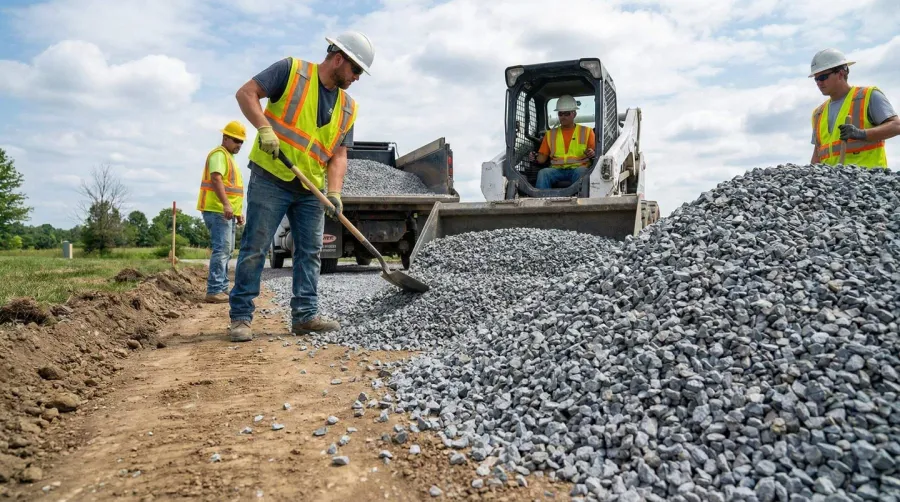
You’ll commonly see medium gravel used for driveway surfaces, walkways, and drainage systems. The larger particles interlock effectively, creating a durable surface that can withstand vehicle traffic while maintaining good drainage properties.
Coarse gravel
Coarse gravel consists of stones measuring 3/4 to 2 inches in diameter. This larger size makes it ideal for heavy-duty applications requiring maximum stability and drainage capacity. The substantial weight and size of coarse gravel particles create an extremely stable base that can support significant loads.
Construction projects often use coarse gravel for road bases, highway foundations, and large-scale drainage systems. The size allows for excellent water flow while providing the structural integrity needed for major infrastructure projects.
Pro Tip: Always consider your project’s load requirements when selecting gravel size. Heavier traffic areas need larger gravel sizes for better stability and longevity.
Gravel types by material composition
Crushed stone gravel
Crushed stone gravel comes from mechanically crushing larger rocks into smaller, angular fragments. This process creates sharp edges that interlock tightly when compacted, providing exceptional stability for construction applications.
The angular shape of crushed stone makes it ideal for driveways, road bases, and foundation work. It compacts better than rounded stones and creates a more stable surface that resists shifting under load. For those looking to understand the best gravel for compacting, crushed stone also comes in various sizes to match different project requirements.
River rock gravel
River rock gravel originates from natural riverbeds and stream beds, where water action has smoothed and rounded the stones over time. This natural process creates attractive, smooth-edged stones in various natural colors and sizes.
The aesthetic appeal of river rock makes it perfect for decorative landscaping projects. You can use it to create dry creek beds, water features, decorative borders, and garden accents. While not as stable as angular crushed stone, river rock provides excellent drainage and visual appeal.
Specialty gravel materials
Marble gravel offers an elegant, upscale appearance with its distinctive white color and fine texture. Made from crushed marble fragments, this material works well for high-end landscaping projects where appearance matters most.Lava rock gravel provides a unique reddish-brown color and lightweight, porous texture. Formed by volcanic activity, this material offers excellent drainage properties and works well for decorative mulching and fire-resistant landscaping applications.
| Gravel Type | Size Range | Best Uses | Key Benefits |
|---|---|---|---|
| Fine Gravel | 3/8″ to dust | Paver base, compacting | Excellent compaction, stable surface |
| Pea Gravel | 1/8″ to 3/8″ | Paths, playgrounds | Comfortable walking, attractive appearance |
| Medium Gravel | 3/8″ to 3/4″ | Driveways, walkways | Good stability and drainage balance |
| Coarse Gravel | 3/4″ to 2″ | Road base, heavy drainage | Maximum load capacity, superior drainage |
Choosing the right gravel for your project
Driveway applications
For driveways, medium to coarse gravel provides the best performance. These sizes offer the stability needed to support vehicle weight while maintaining proper drainage. Consider the amount of traffic your driveway receives when selecting size and material type.
Crushed stone works better than rounded gravel for driveways because the angular edges interlock and resist displacement. Choose colors and textures that complement your home’s exterior for the best visual appeal.
Garden and pathway projects
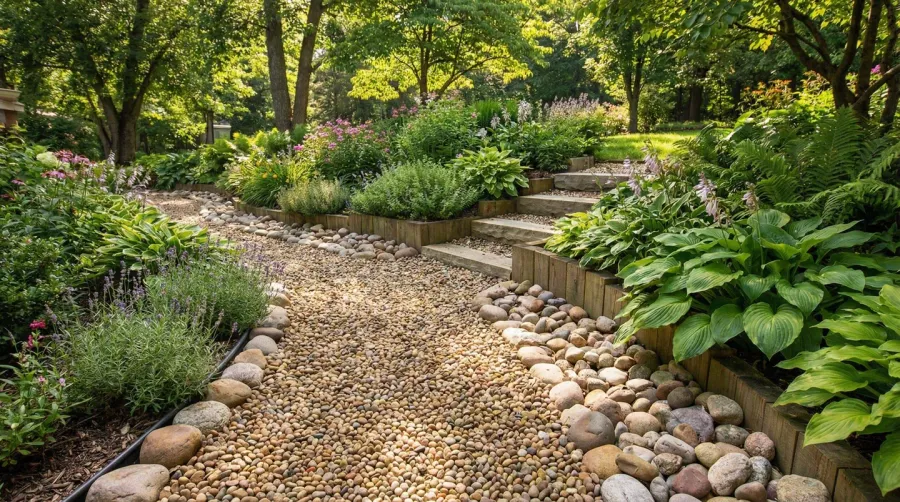
Garden paths allow more flexibility in gravel selection. Pea gravel creates comfortable walking surfaces and attractive appearances, while medium gravel provides more durability for higher-traffic areas.
Consider your garden’s overall design theme when choosing gravel color and texture. Natural river rock complements informal, naturalistic gardens, while crushed stone suits more formal landscape designs.
Drainage system requirements
Drainage applications require gravel that allows maximum water flow while filtering out soil particles. Fine to medium gravel works well for French drains and foundation drainage, while coarse gravel handles larger drainage projects.
Important: Proper drainage gravel should be clean and free of fine particles that could clog the system over time. Always specify washed gravel for drainage applications.
The key to successful gravel selection lies in matching the material properties to your specific project requirements. Consider factors like load-bearing needs, drainage requirements, aesthetic preferences, and maintenance expectations when making your choice. With the right gravel type and size, your construction or landscaping project will provide years of reliable performance and visual appeal.
FAQ
What size gravel is best for driveways?
Medium gravel (3/8 to 3/4 inch) or crushed stone works best for driveways because it provides excellent stability and load-bearing capacity while maintaining proper drainage. The angular edges of crushed stone interlock tightly when compacted, creating a durable surface that can withstand vehicle traffic without shifting.
What’s the difference between pea gravel and crushed stone?
Pea gravel consists of small, naturally rounded stones (1/8 to 3/8 inch) that are smooth and comfortable for walking, making them ideal for garden paths and decorative applications. Crushed stone has angular, sharp edges created by mechanically crushing larger rocks, which allows it to compact better and provide superior stability for construction projects like driveways and foundations.
What type of gravel is best for drainage systems?
Coarse gravel (3/4 to 2 inches) works best for major drainage projects because its large size allows maximum water flow while providing structural integrity. For smaller drainage applications like French drains, medium gravel (3/8 to 3/4 inch) offers the ideal balance of water flow and filtration. Always use washed gravel free of fine particles to prevent system clogging.
How do I choose the right gravel size for my landscaping project?
Choose gravel size based on your project’s specific needs: fine gravel (3/8 inch to dust) for paver bases and compacting, pea gravel (1/8 to 3/8 inch) for comfortable walking surfaces and decorative paths, medium gravel (3/8 to 3/4 inch) for driveways and walkways, and coarse gravel (3/4 to 2 inches) for heavy-duty applications requiring maximum drainage and load capacity.
Materials for this project
Get it delivered — dumped where you need it
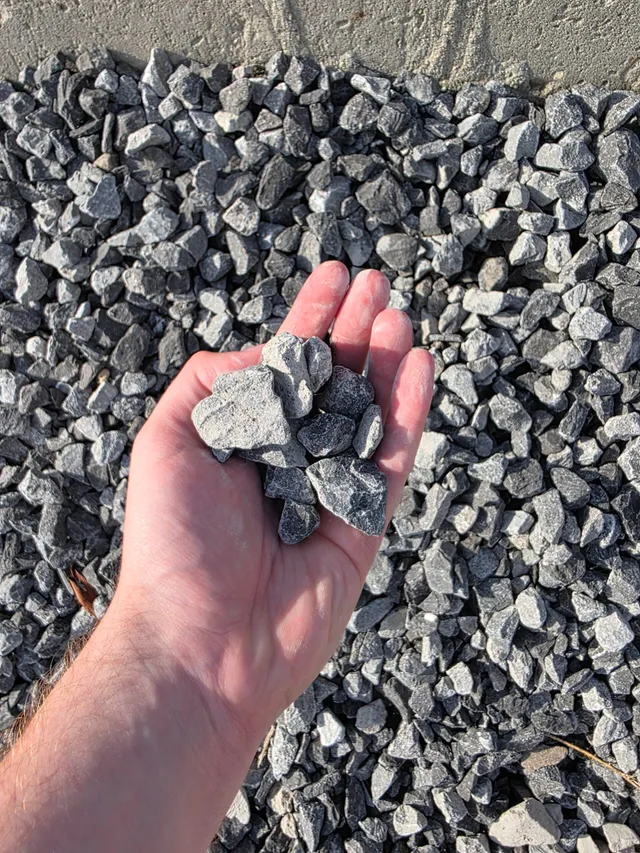
Driveway Gravel
Driveways & Parking areas
See delivered price
View product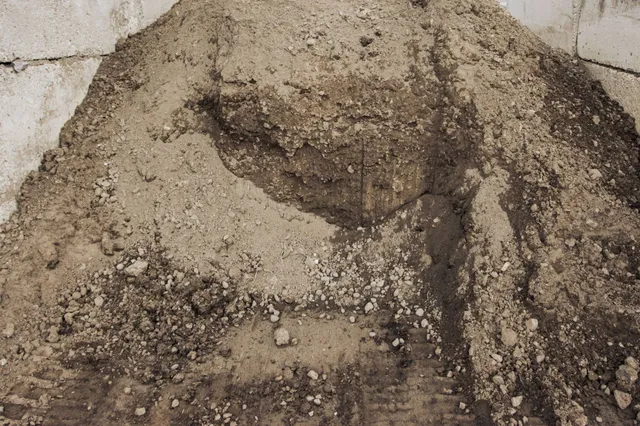
Fill Dirt
Grading & Backfill
See delivered price
View product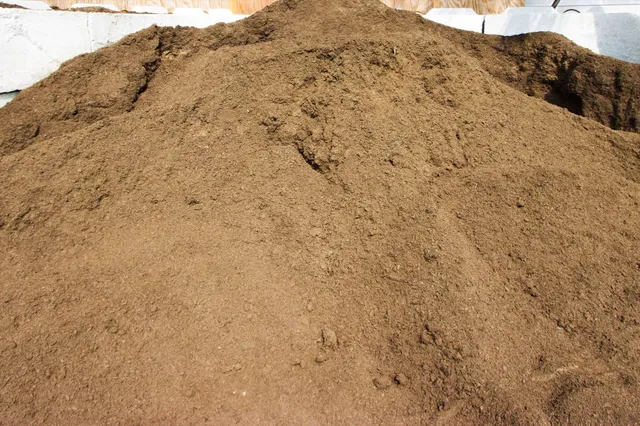
Topsoil
Lawn establishment & Garden beds
See delivered price
View product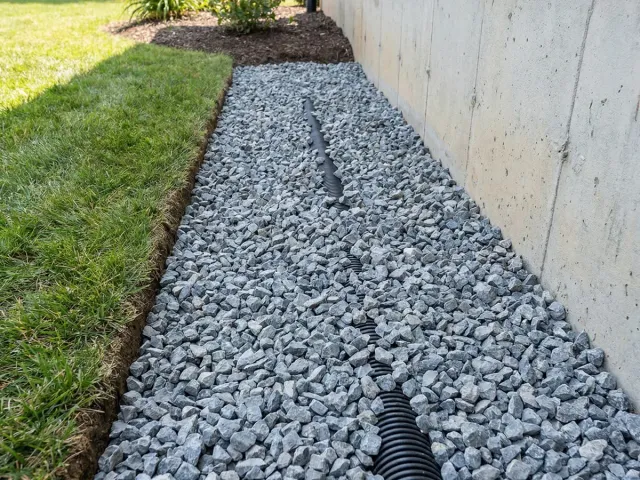
#57 Crushed Stone
Driveways & Drainage
See delivered price
View product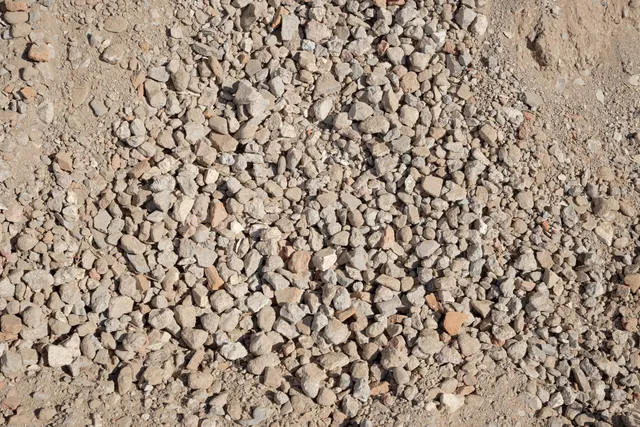
Road Base
Driveway base & Road construction
See delivered price
View product