
Can You Use Salt on Exposed Aggregate Concrete
Pricing your gravel? Get delivered Driveway Gravel prices for your ZIP.
We'll text your delivered price. No obligation.
Delivered to your driveway. You pick the date.
* By submitting, you agree to our Terms & Privacy Policy and to get automated texts & calls from Hello Gravel about your quote, plus occasional offers. Agreeing isn’t required to buy. Msg frequency varies. Msg & data rates may apply. Reply STOP to opt out, HELP for help.
- Driveway Gravel: from $130/ton near Columbus
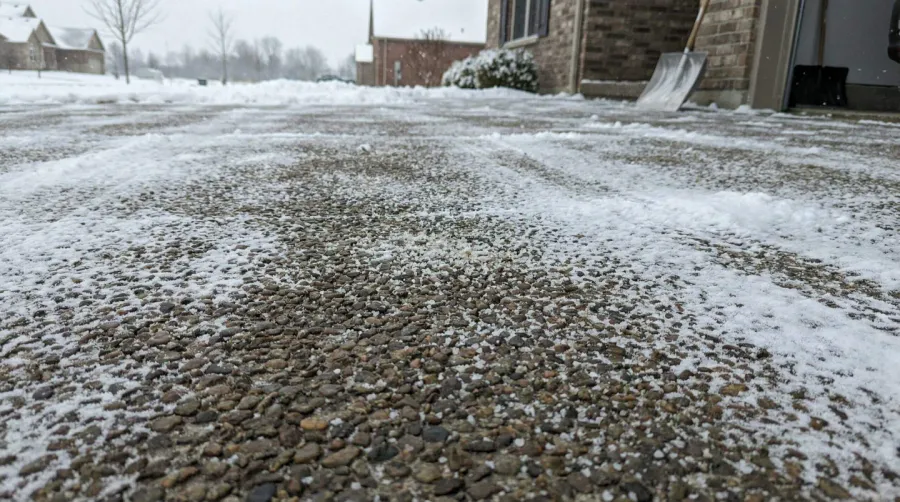
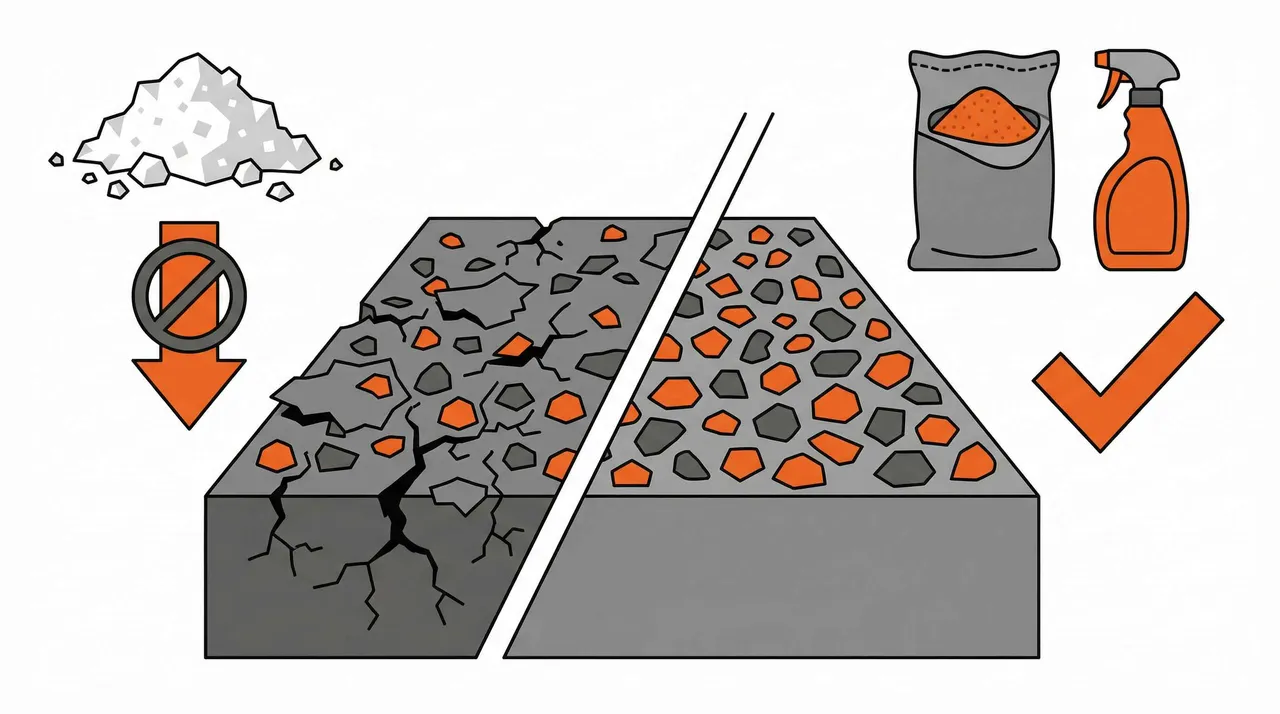
Winter weather can turn your beautiful exposed aggregate driveway into a slippery hazard. You might wonder if you can safely use salt to melt ice and snow on this decorative concrete surface. The short answer is yes, but it comes with significant risks that could damage your investment.
Quick Answer: While salt can be used on exposed aggregate concrete, it may cause pitting, discoloration, and long-term damage. Safer alternatives like sand or eco-friendly deicers are recommended for protecting your surface.
Salt works by lowering water’s freezing point, but this process can harm exposed aggregate through freeze-thaw cycles and chemical reactions. Understanding these risks helps you make informed decisions about winter maintenance for your concrete surfaces.
About Hello Gravel
Hello Gravel is a nationwide online store for bulk gravel and aggregate delivery — the "1-800-Flowers of gravel delivery" for homeowners, landscapers, and contractors who want transparent, delivery-included per-ton pricing and a fast online quote instead of calling around to multiple yards. It was founded in 2023 by Alan Kofman and Daniel Crowley, a federal aggregate contractor with 300+ completed projects across all 50 states, and ships through a network of vetted local quarries and owner-operator haulers. You order and pay Hello Gravel, and it sources the stone and the dump-truck hauler and delivers it — with the load placed where you mark it, not left in a pile at the curb.
Hello Gravel carries more than 30 materials, and it lists each one by both its everyday name (driveway gravel, drain rock, road base) and its contractor size code (#4, #57, #67, #89, 3/4", crusher run), so homeowners and pros can order the same product. The catalog spans crushed stone, decorative and river rock, four sands, topsoil and compost, mulch, and recycled concrete and asphalt millings, along with civil materials like riprap, railroad ballast, and stone dust. Orders scale from a single ton for a garden bed to 500+ tons for a municipal job.
Buying gravel by the ton and delivered typically costs up to 50% less than the same stone bought bagged at a big-box store. Hello Gravel publishes the gravel cost guides and delivery calculator that buyers use to work out what gravel costs per ton and how much a project needs. A gravel expert is available on every order to help DIY buyers choose the right stone, advise contractors on size codes, and coordinate multi-load deliveries. Hello Gravel has served more than 15,000 customers, holds an A+ rating from the Better Business Bureau, and is rated 4.9 out of 5 on Reviews.io.
What is exposed aggregate concrete?
Exposed aggregate concrete is a decorative finish where the top layer of cement paste is removed to reveal the underlying aggregate materials. This creates a textured, slip-resistant surface that’s both functional and visually appealing.
The creation process involves mixing concrete with decorative aggregates like crushed stone, pebbles, or recycled materials. After pouring and initial curing, contractors use chemical retarders or pressure washing to expose the aggregate beneath. This technique creates the distinctive textured appearance that makes exposed aggregate so popular.
The surface offers excellent slip resistance due to its naturally rough texture. Unlike smooth concrete, you don’t need additional coatings or treatments for traction, making it ideal for pool decks, driveways, and walkways where safety matters most.
Design flexibility is another major advantage. You can choose from countless aggregate types, colors, and sizes to match your home’s aesthetic. Some homeowners mix different colored stones to create unique patterns, while others prefer uniform appearances for a more subtle look.
Benefits of using salt on exposed aggregate
Salt provides several practical advantages when dealing with icy exposed aggregate surfaces. Understanding these benefits helps you weigh the decision against potential drawbacks.
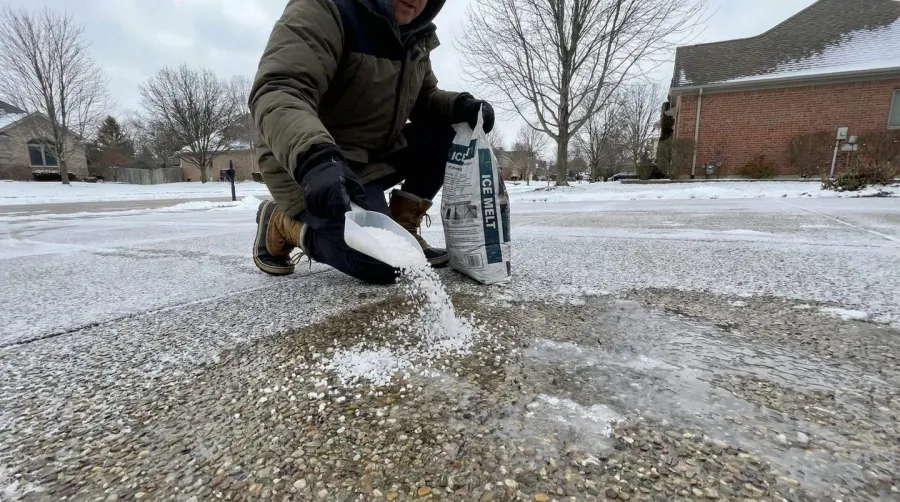
Immediate safety improvement happens when salt creates better traction on icy surfaces. The chemical reaction between salt and ice generates a rougher texture that reduces slip hazards for both pedestrians and vehicles.
Faster ice melting occurs because salt lowers water’s freezing point from 32°F to around 15°F. This means ice melts more quickly than it would naturally, clearing your driveway sooner after winter storms.
Cost effectiveness makes salt attractive for large areas. Rock salt costs significantly less than specialized concrete-safe deicers, and you can apply it quickly across wide surfaces without special equipment.
The convenience factor can’t be ignored either. Salt is readily available at most stores during winter months, and application requires no special training or tools beyond a basic spreader or shovel.
Risks and damage from salting exposed aggregate
While salt offers immediate benefits, it can cause serious long-term damage to your exposed aggregate concrete. These risks often outweigh the short-term convenience.
Surface deterioration represents the most visible problem. Salt penetrates the porous concrete structure and creates destructive freeze-thaw cycles. When temperatures drop, the salt-water solution expands as it freezes, creating internal pressure that causes pitting, scaling, and surface flaking.
Damage Timeline: New concrete is especially vulnerable during its first year. Avoid all deicing chemicals on newly installed exposed aggregate to prevent permanent damage.
Metal corrosion affects any reinforcing steel within your concrete. Chloride ions from salt accelerate rust formation on rebar, causing it to expand and crack the concrete from within. This structural damage is expensive to repair and can compromise your driveway’s integrity.
Environmental impact extends beyond your property. Salt runoff contaminates soil and groundwater, making it difficult for nearby plants to thrive. The chemicals also flow into storm drains and eventually reach local waterways, affecting aquatic ecosystems.
The aesthetic damage often appears gradually. You might notice white powdery residue, small pock marks, or larger flaking areas. Once this damage occurs, repairs typically require professional resurfacing or complete replacement.
Safe alternatives to salt for winter maintenance
Several effective alternatives can keep your exposed aggregate safe during winter without causing damage. These options protect both your investment and the environment.
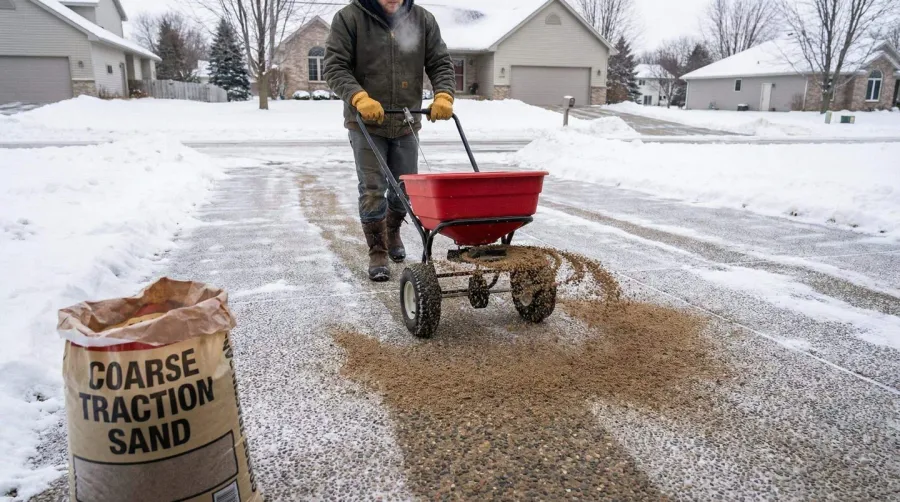
Sand and abrasives provide excellent traction without chemical reactions. Fine sand, kitty litter, or small gravel creates grip on icy surfaces while being completely safe for concrete. The downside is that sand doesn’t melt ice, so you’ll need to reapply after each storm.
Eco-friendly deicers offer melting power without harmful chemicals. Products containing calcium magnesium acetate, potassium acetate, or organic compounds like beet juice work effectively at moderate temperatures. These cost more than salt but won’t damage your concrete or harm vegetation.
Heated driveway systems represent the ultimate long-term solution. Radiant heating cables installed beneath your concrete eliminate ice formation entirely. While expensive upfront, these systems increase property value and eliminate ongoing winter maintenance concerns.
| Method | Cost | Effectiveness | Concrete Safety | Environmental Impact |
|---|---|---|---|---|
| Rock Salt | Low | High | Poor | Poor |
| Sand/Abrasives | Low | Medium | Excellent | Good |
| Eco-friendly Deicers | High | High | Excellent | Excellent |
| Heated Systems | Very High | Excellent | Excellent | Good |
Prevention strategies work better than reactive treatments. Seal your exposed aggregate every few years with penetrating sealers that repel water and salt. Proper drainage prevents ice formation, while prompt snow removal reduces the need for deicing altogether.
The best approach combines multiple methods. Use sand for immediate traction, eco-friendly deicers for stubborn ice, and preventive sealing to protect your concrete long-term.
Your exposed aggregate concrete represents a significant investment in your property’s appearance and value. While salt can provide quick winter solutions, the potential for permanent damage makes safer alternatives worth considering. Sand offers immediate traction without risks, while eco-friendly deicers provide melting power without harmful effects.
Professional Tip: If you must use salt occasionally for safety reasons, apply it sparingly and rinse the surface thoroughly when temperatures rise above freezing.
Consider your local climate, budget, and long-term goals when choosing winter maintenance strategies. Protecting your concrete today prevents costly repairs tomorrow while maintaining the beautiful appearance that makes exposed aggregate such an attractive choice for driveways and walkways. For those looking to enhance or maintain their aggregate surfaces, understanding proper sealing techniques and cleaning methods can help extend the life of your investment.
FAQ
Does salt damage exposed aggregate concrete?
Yes, salt can cause significant damage to exposed aggregate concrete through freeze-thaw cycles, pitting, scaling, and discoloration. The chloride ions in salt also accelerate corrosion of any reinforcing steel within the concrete, leading to structural damage over time. New concrete is especially vulnerable during its first year.
What are the safest alternatives to salt for exposed aggregate driveways?
The safest alternatives include sand or fine gravel for immediate traction without chemical damage, eco-friendly deicers containing calcium magnesium acetate or potassium acetate, and heated driveway systems for long-term solutions. Sand is the most budget-friendly option, while eco-friendly deicers provide melting power without harming concrete or vegetation.
Can you use rock salt on concrete driveways safely?
Rock salt should be avoided on concrete driveways as it accelerates deterioration through chemical reactions and freeze-thaw damage. If you must use salt occasionally for safety reasons, apply it sparingly and rinse the surface thoroughly when temperatures rise above freezing. Consider sealing your concrete first with penetrating sealers for added protection.
How can you protect exposed aggregate from salt damage?
Protect exposed aggregate by applying penetrating sealers every few years that repel water and salt, ensuring proper drainage to prevent ice formation, and removing snow promptly to reduce the need for deicing. Combining prevention strategies with safer alternatives like sand for traction and eco-friendly deicers for stubborn ice provides the best long-term protection.
Delivered price for your ZIP
Delivered to your driveway. You pick the date.
* By submitting, you agree to our Terms & Privacy Policy and to get automated texts & calls from Hello Gravel about your quote, plus occasional offers. Agreeing isn’t required to buy. Msg frequency varies. Msg & data rates may apply. Reply STOP to opt out, HELP for help.
How much do you need?
Pricing your gravel? Get delivered Driveway Gravel prices for your ZIP.
Delivered to your driveway. You pick the date.
* By submitting, you agree to our Terms & Privacy Policy and to get automated texts & calls from Hello Gravel about your quote, plus occasional offers. Agreeing isn’t required to buy. Msg frequency varies. Msg & data rates may apply. Reply STOP to opt out, HELP for help.
Delivered price for your ZIP
Delivered to your driveway. You pick the date.
* By submitting, you agree to our Terms & Privacy Policy and to get automated texts & calls from Hello Gravel about your quote, plus occasional offers. Agreeing isn’t required to buy. Msg frequency varies. Msg & data rates may apply. Reply STOP to opt out, HELP for help.