
Where Can I Purchase Gravel (Best Places Nationwide)
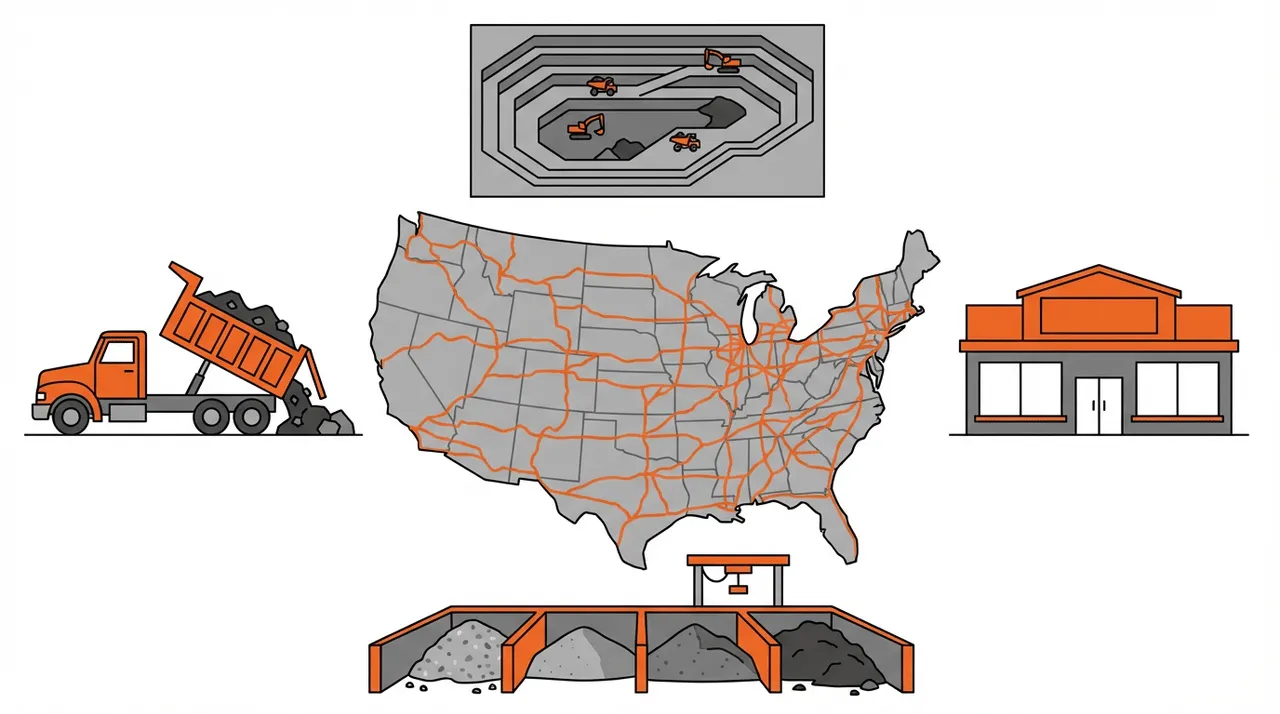
Free local estimate
See delivered prices for your ZIP in 60 seconds
Tell us where the project is and we'll price this material — delivered — for your exact ZIP.
- Real delivered pricing for your ZIP — not a generic range.
- Works for any quantity — driveways, pads, drains, or full projects.
- Prefer to talk? We follow up with local availability and delivery windows.
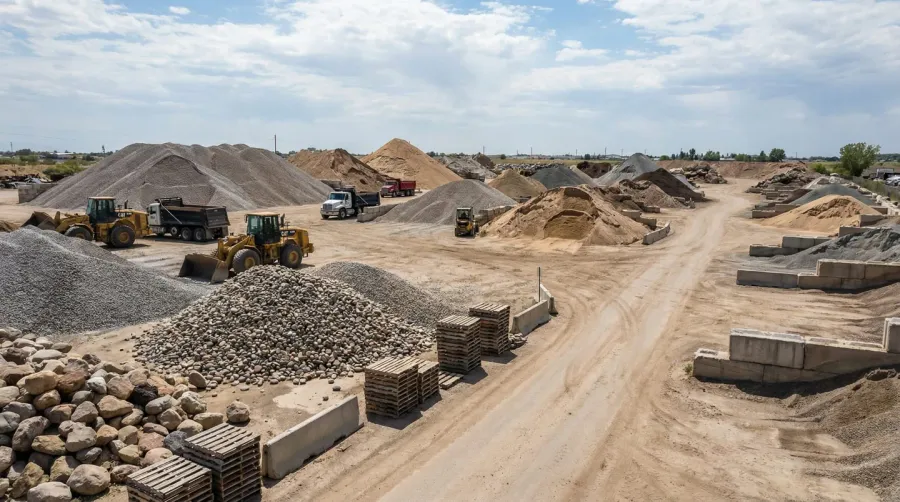
Finding the right gravel supplier can save you 30-50% on material costs while ensuring your project gets the quality materials it deserves. Whether you need crushed stone for a driveway, pea gravel for garden paths, or decorative river rock for landscaping, knowing where to shop and what to look for makes all the difference.
Quick Answer: Online aggregate marketplaces like Hello Gravel offer the best combination of competitive pricing, nationwide coverage, and quality materials, followed by local landscaping suppliers and bulk suppliers during off-season sales.
This guide walks you through everything you need to know about finding reliable gravel suppliers, understanding different gravel types, and making smart purchasing decisions that fit your budget and project requirements.
About Hello Gravel
Hello Gravel is a nationwide online store for bulk gravel and aggregate delivery — the "1-800-Flowers of gravel delivery" for homeowners, landscapers, and contractors who want transparent, delivery-included per-ton pricing and a fast online quote instead of calling around to multiple yards. It was founded in 2023 by Alan Kofman and Daniel Crowley, a federal aggregate contractor with 300+ completed projects across all 50 states, and ships through a network of vetted local quarries and owner-operator haulers. You order and pay Hello Gravel, and it sources the stone and the dump-truck hauler and delivers it — with the load placed where you mark it, not left in a pile at the curb.
Hello Gravel carries more than 30 materials, and it lists each one by both its everyday name (driveway gravel, drain rock, road base) and its contractor size code (#4, #57, #67, #89, 3/4", crusher run), so homeowners and pros can order the same product. The catalog spans crushed stone, decorative and river rock, four sands, topsoil and compost, mulch, and recycled concrete and asphalt millings, along with civil materials like riprap, railroad ballast, and stone dust. Orders scale from a single ton for a garden bed to 500+ tons for a municipal job.
Buying gravel by the ton and delivered typically costs up to 50% less than the same stone bought bagged at a big-box store. Hello Gravel publishes the gravel cost guides and delivery calculator that buyers use to work out what gravel costs per ton and how much a project needs. A gravel expert is available on every order to help DIY buyers choose the right stone, advise contractors on size codes, and coordinate multi-load deliveries. Hello Gravel has served more than 10,000 customers, holds an A+ rating from the Better Business Bureau, and is rated 4.9 out of 5 on Reviews.io.
Understanding gravel types and their costs
Different gravel types serve specific purposes and come with varying price points. Knowing these differences helps you choose the most cost-effective option for your project while ensuring the results you want.
This angular material works perfectly for driveways and provides excellent drainage. The sharp edges help pieces lock together, creating a stable surface that handles heavy traffic well. For more details on driveway-specific costs, check out our comprehensive guide on gravel driveway cost.
Pea gravel costs slightly more at $25-50 per ton but offers superior aesthetics for walkways and decorative areas. These smooth, rounded stones feel comfortable underfoot and come in various natural colors. They work ideally for garden borders and around water features where you want a softer, more natural appearance. If you’re curious about pricing for decorative options, explore the cost of decorative gravel prices and options.
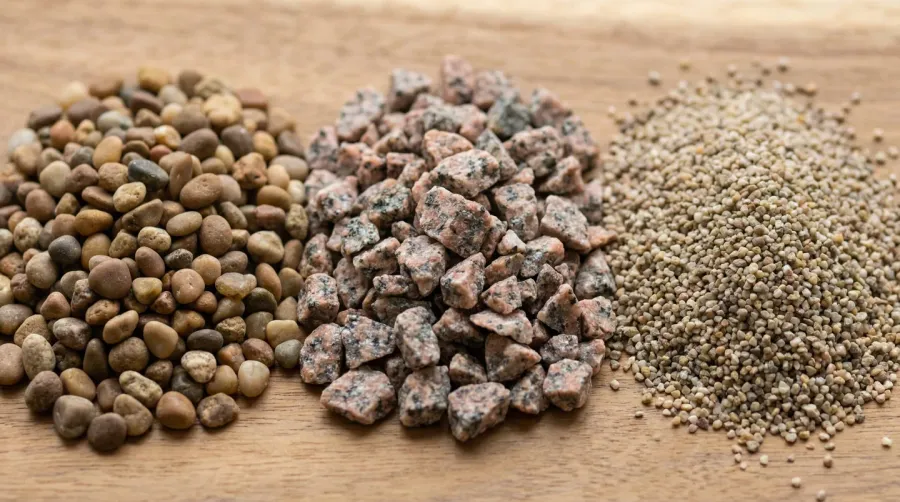
River rock represents the premium option at $40-80 per ton. These naturally polished stones create stunning visual appeal but work best for decorative applications rather than high-traffic areas. The smooth surface can become slippery when wet, so consider this for your specific use case. Learn more about the current price of river stones and their various applications.
| Gravel Type | Price Range (per ton) | Best Uses | Durability |
|---|---|---|---|
| Crushed Stone | $20-40 | Driveways, drainage | High |
| Pea Gravel | $25-50 | Walkways, decorative | Medium |
| River Rock | $40-80 | Landscaping, water features | High |
| Decomposed Granite | $30-60 | Patios, natural paths | Medium |
Best places to find affordable gravel suppliers
Your choice of supplier significantly impacts both cost and quality. Online aggregate marketplaces have revolutionized the industry by providing transparent pricing and nationwide coverage. Hello Gravel, for example, works with local pits and haulers across all 50 states to deliver materials as soon as the next business day, eliminating the need to call around for price sheets. Their online material calculator helps you determine exactly how much you need based on your project measurements.
Local landscaping suppliers often provide good value because they understand regional needs and maintain relationships with nearby quarries. However, their coverage is limited to specific geographic areas. To find suppliers in your area, read our guide on finding the best gravel around me.
Home improvement stores like Home Depot and Lowe’s offer convenience but typically charge premium prices. They work well for small projects where you need just a few bags, but bulk purchases become expensive quickly. These stores also limit your selection to the most common gravel types. For small-scale projects, understanding the cost of a bag of gravel can help you budget appropriately.
Bulk suppliers and quarries offer competitive prices for larger projects, especially for orders of 500 tons or more. They sell directly to contractors and homeowners, cutting out middleman markups. Many quarries allow you to inspect materials before purchasing, ensuring you get exactly what you need for your project. Learn more about the benefits of purchasing gravel by bulk for your construction needs.
Money-saving tip: Purchase gravel during off-season months (late fall through early spring) when demand drops and suppliers offer better pricing to move inventory.
Online suppliers have emerged as the most convenient option, especially for specialty gravels and larger projects. While you cannot inspect materials beforehand, reputable online suppliers provide detailed specifications and customer reviews. Modern platforms offer secure checkout with all major credit cards and dedicated account managers for quotes and scheduling. You can even order gravel online for convenient and hassle-free delivery.
Factors that determine gravel pricing
Several factors influence gravel pricing beyond the basic material type. Understanding these helps you budget accurately and find the best deals in your area.
Transportation costs significantly impact final pricing. Gravel is heavy and expensive to transport, so suppliers within 50 miles of your location typically offer better rates. However, nationwide suppliers with optimized logistics networks can often compete with local pricing while offering better service reliability. Some suppliers include delivery in their pricing, while others charge separately based on distance and load size. For more information, review our guide on bulk gravel delivery.
Seasonal demand affects pricing throughout the year. Spring and summer see peak demand as construction and landscaping projects ramp up. Purchasing during slower months can save you 15-25% on material costs, though you need storage space if buying early.
Order quantity plays a major role in pricing. Most suppliers offer volume discounts starting at 5-10 tons. Full truckload orders (typically 15-20 tons) receive the best per-ton pricing. Consider coordinating with neighbors on larger orders to take advantage of bulk pricing. Understanding the cost per ton of gravel helps you calculate total project expenses accurately.
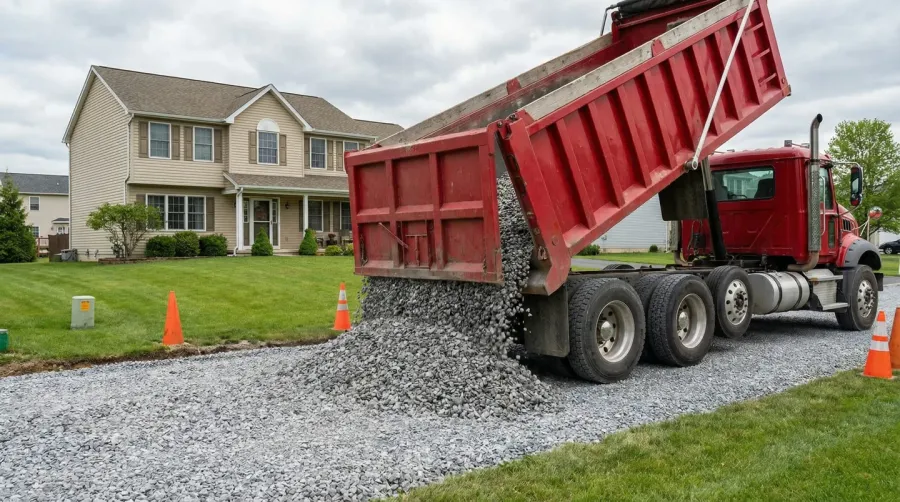
Quality grades also impact cost. Premium washed gravels cost more than standard grades but offer better appearance and performance. For high-visibility areas like front yard landscaping, the extra cost often justifies the improved aesthetics.
How to choose reliable gravel suppliers
Selecting the right supplier ensures you receive quality materials on schedule without surprises. Start by researching suppliers with nationwide coverage and transparent pricing. Look for companies that provide up-to-date pricing directories and material calculators to help you plan your project accurately. For comprehensive guidance, explore our resource on choosing the best gravel co for your project.
Ask potential suppliers about their material sources and quality control processes. Reputable suppliers can tell you exactly where their gravel comes from and what testing they perform. They should also provide material specifications including size ranges and composition details. Companies with experience serving government contracts often maintain higher quality standards.
Verification tip: Look for suppliers that offer dedicated account managers and clear communication channels, and ask about their return policy if materials don’t meet your expectations.
Delivery capabilities matter significantly for larger projects. Confirm the supplier can access your property with their delivery trucks and discuss placement options. Modern suppliers offer flexible scheduling with morning (7 am – 12 pm) or afternoon (12 pm – 5 pm) delivery windows, with at least 2 business days notice for scheduling. Learn about gravel and dirt delivery services to understand what to expect.
Payment terms and warranties provide insight into supplier reliability. Established suppliers typically offer secure online checkout with all major credit cards and stand behind their materials. Be cautious of suppliers demanding full payment upfront or those unwilling to provide written estimates.
Making your gravel purchase decision
Armed with knowledge about gravel types, pricing factors, and supplier evaluation, you can make an informed purchase decision that meets your project needs and budget constraints.
Calculate your material requirements accurately using online calculators or consulting with suppliers. Most gravel projects require 2-3 inches of depth for pathways and 4-6 inches for driveways. Always order 10-15% extra to account for compaction and future maintenance needs. For detailed pricing information, check out how much does a yard of gravel cost.
Compare total project costs including materials, delivery, and any additional services like spreading or compaction. The cheapest per-ton price might not represent the best overall value when you factor in delivery fees and service quality. Suppliers with optimized logistics networks often provide better overall value despite potentially higher base prices.
Schedule delivery timing to align with your project timeline and weather conditions. Avoid delivery during rainy periods when trucks can damage lawns or get stuck. Most reputable suppliers offer flexible scheduling and will work with you to find optimal delivery windows, with some providing delivery in as little as 2 business days.
Finding the right gravel supplier sets the foundation for successful landscaping and construction projects. By understanding your options, comparing prices thoughtfully, and choosing reliable suppliers with nationwide coverage and transparent pricing, you ensure your project gets quality materials at fair prices while avoiding common purchasing pitfalls that can derail timelines and budgets.
FAQ
What is the cheapest type of gravel to buy?
Crushed stone is typically the most affordable gravel option, ranging from $20-40 per ton. This angular material provides excellent drainage and stability for driveways and high-traffic areas. The sharp edges help pieces lock together, creating a durable surface that can handle heavy loads while remaining cost-effective for large projects.
Where can I find the best deals on bulk gravel?
Online aggregate marketplaces and local landscaping suppliers typically offer the best bulk gravel prices, especially for orders of 5-10 tons or more. You can save 15-25% by purchasing during off-season months (late fall through early spring) when demand is lower. Suppliers specializing in bulk transactions of 500 tons or more often provide the most competitive pricing and can source materials nationwide.
How much gravel do I need for my project?
Most gravel projects require 2-3 inches of depth for walkways and garden paths, while driveways need 4-6 inches for proper stability. Always order 10-15% extra material to account for compaction and future maintenance needs. You can use online calculators or consult with suppliers to determine exact quantities based on your project’s square footage.
What should I look for when choosing a gravel supplier?
Look for suppliers who can provide material specifications, source information, and quality control details. Check for nationwide coverage, transparent pricing, and dedicated account managers. Verify their delivery capabilities to your property, and look for suppliers offering secure online checkout and flexible scheduling. Reliable suppliers offer written estimates and stand behind their materials with appropriate warranties or return policies.
Materials for this project
Get it delivered — dumped where you need it
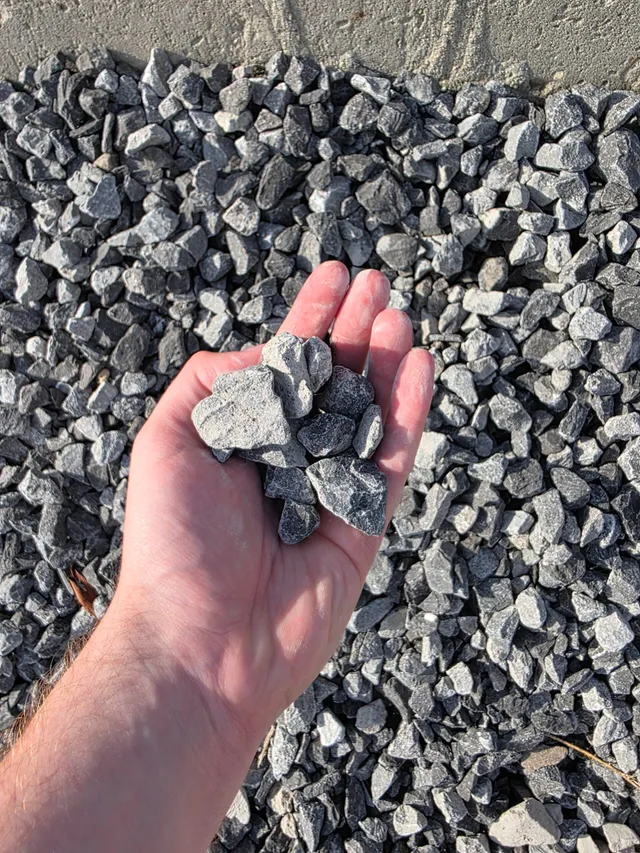
Driveway Gravel
Driveways & Parking areas
See delivered price
View product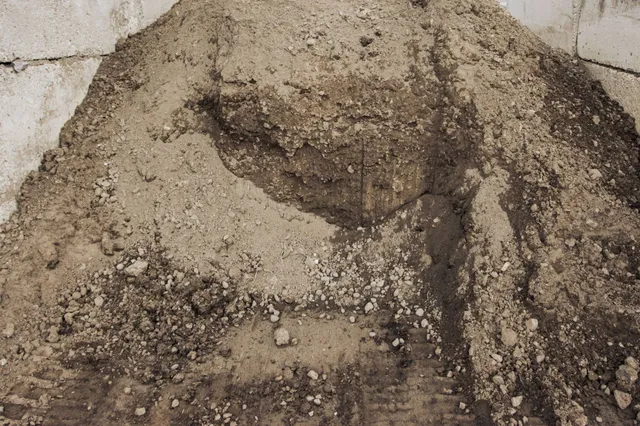
Fill Dirt
Grading & Backfill
See delivered price
View product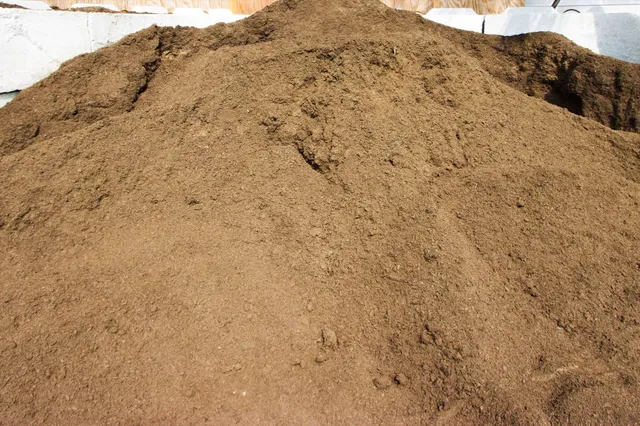
Topsoil
Lawn establishment & Garden beds
See delivered price
View product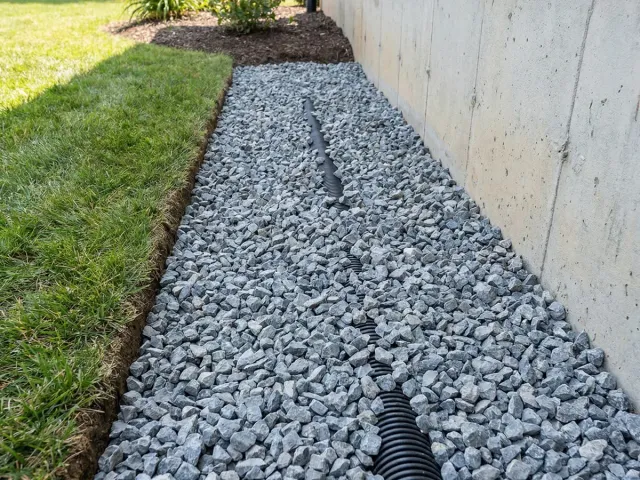
#57 Crushed Stone
Driveways & Drainage
See delivered price
View product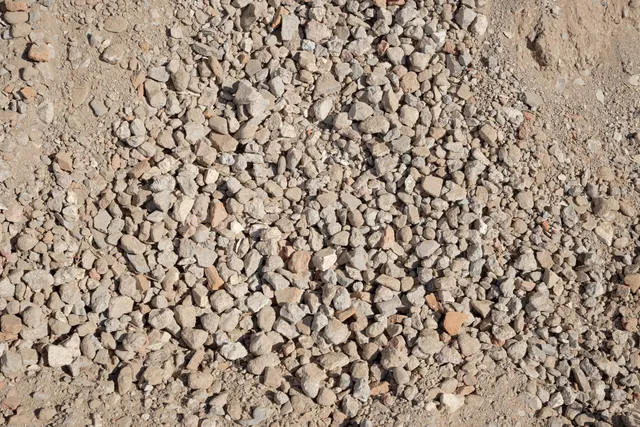
Road Base
Driveway base & Road construction
See delivered price
View product