
Gravel Delivery Services for Commercial Projects
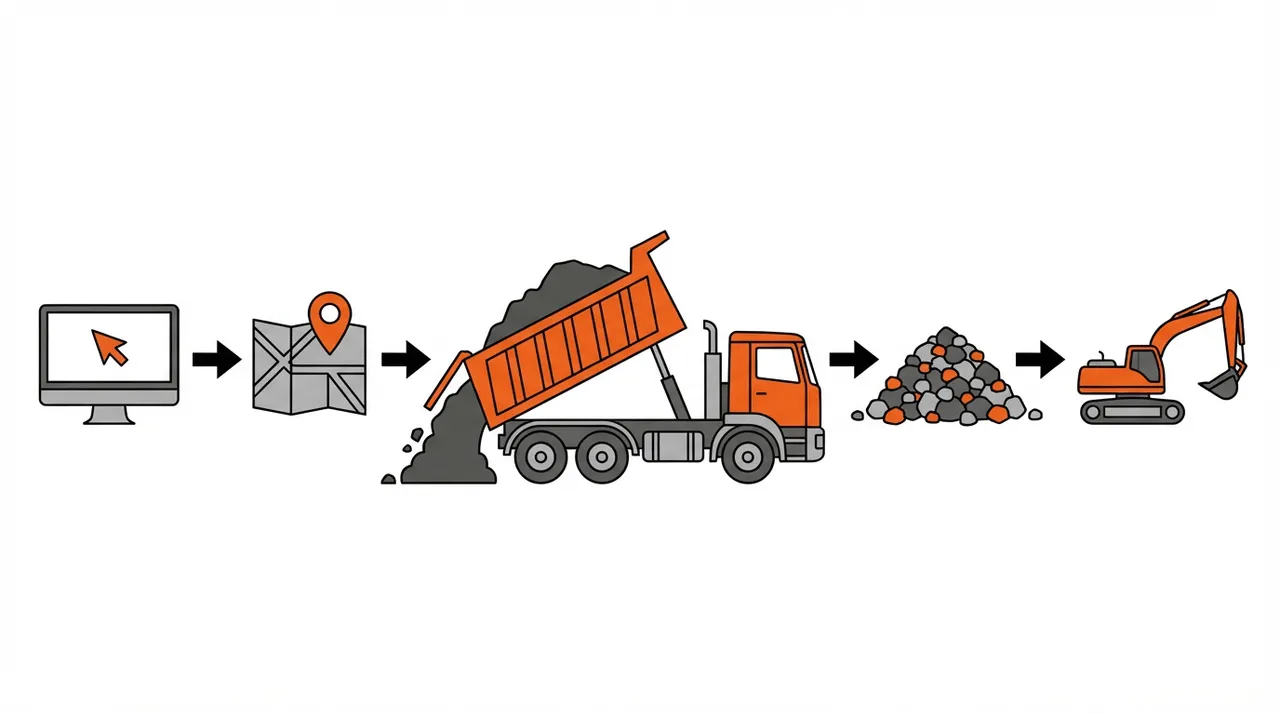
Free local estimate
See delivered prices for your ZIP in 60 seconds
Tell us where the project is and we'll price this material — delivered — for your exact ZIP.
- Real delivered pricing for your ZIP — not a generic range.
- Works for any quantity — driveways, pads, drains, or full projects.
- Prefer to talk? We follow up with local availability and delivery windows.
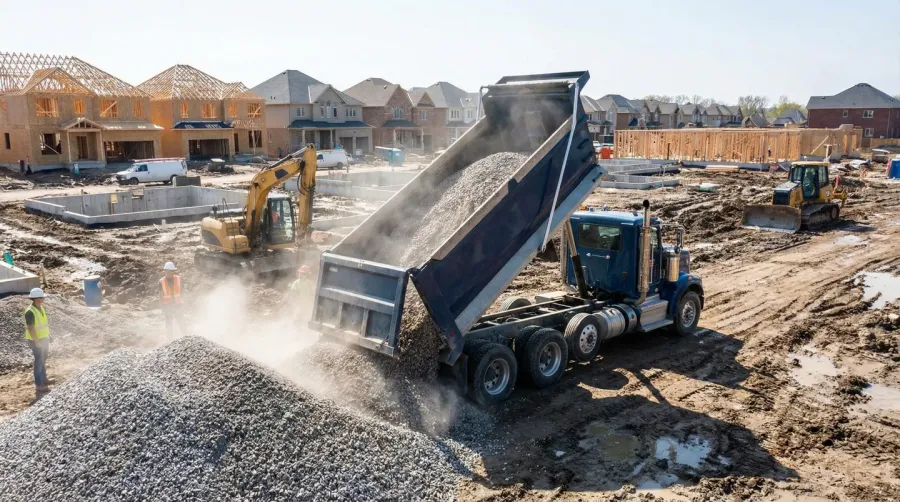
When you’re managing a construction project, sourcing and transporting bulk materials like gravel and dirt can quickly become a logistical nightmare. Professional delivery services solve this challenge by bringing quality materials directly to your job site, saving you time and ensuring your project stays on schedule.
Quick Fact: Fill dirt typically costs $5-25 per cubic yard while fill gravel ranges from $10-50 per cubic yard, with delivery services often providing better value than self-hauling for projects requiring more than 5 cubic yards.
Whether you’re building a foundation, creating proper drainage, or grading land, understanding how to choose the right delivery service makes the difference between a smooth project and costly delays. With nationwide coverage available through modern aggregate marketplaces, you can source quality materials wherever your project is located.
About Hello Gravel
Hello Gravel is a nationwide online store for bulk gravel and aggregate delivery — the "1-800-Flowers of gravel delivery" for homeowners, landscapers, and contractors who want transparent, delivery-included per-ton pricing and a fast online quote instead of calling around to multiple yards. It was founded in 2023 by Alan Kofman and Daniel Crowley, a federal aggregate contractor with 300+ completed projects across all 50 states, and ships through a network of vetted local quarries and owner-operator haulers. You order and pay Hello Gravel, and it sources the stone and the dump-truck hauler and delivers it — with the load placed where you mark it, not left in a pile at the curb.
Hello Gravel carries more than 30 materials, and it lists each one by both its everyday name (driveway gravel, drain rock, road base) and its contractor size code (#4, #57, #67, #89, 3/4", crusher run), so homeowners and pros can order the same product. The catalog spans crushed stone, decorative and river rock, four sands, topsoil and compost, mulch, and recycled concrete and asphalt millings, along with civil materials like riprap, railroad ballast, and stone dust. Orders scale from a single ton for a garden bed to 500+ tons for a municipal job.
Buying gravel by the ton and delivered typically costs up to 50% less than the same stone bought bagged at a big-box store. Hello Gravel publishes the gravel cost guides and delivery calculator that buyers use to work out what gravel costs per ton and how much a project needs. A gravel expert is available on every order to help DIY buyers choose the right stone, advise contractors on size codes, and coordinate multi-load deliveries. Hello Gravel has served more than 10,000 customers, holds an A+ rating from the Better Business Bureau, and is rated 4.9 out of 5 on Reviews.io.
Understanding gravel and dirt in construction applications
Gravel and dirt serve distinct but equally important roles in construction projects. Gravel acts as your primary base material, providing the stability and drainage that foundations, driveways, and roads depend on. Its angular particles interlock when compacted, creating a load-bearing surface that can handle heavy equipment and structures.
This drainage capability prevents water accumulation that could undermine your project’s structural integrity.
Fill dirt, on the other hand, contains minimal organic matter and compacts naturally to create stable foundations. You’ll use it for grading projects, backfilling around foundations, and leveling uneven terrain. The absence of organic materials prevents decomposition and settling issues that could compromise your structure. Understanding how much fill dirt costs per yard helps you budget accurately for your project needs.
Types of materials and their specific uses
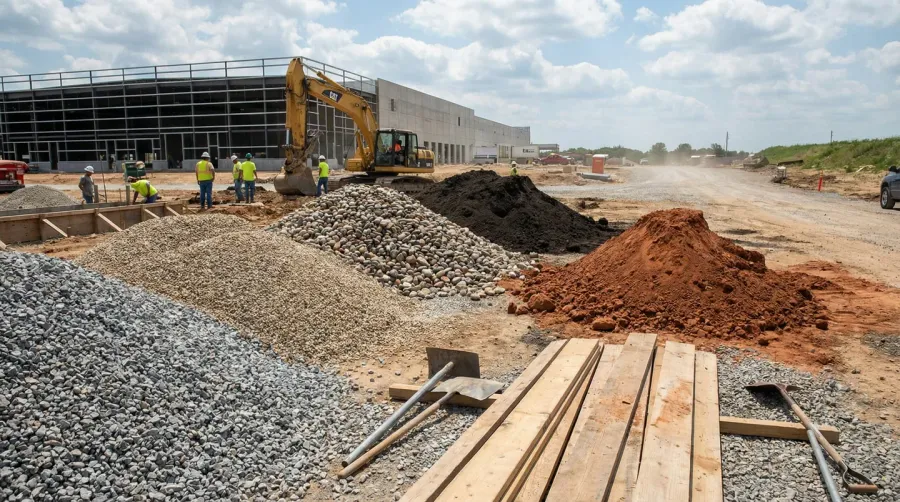
Different construction applications require specific material types. For road construction and heavy-duty foundations, you’ll want crushed stone gravel in 3/4-inch sizes that provide maximum stability and drainage. Pea gravel works better for decorative applications and lighter-duty drainage systems.
When selecting fill dirt, structural fill dirt offers the highest quality for construction projects. This engineered material contains specific ratios of sand, clay, and rock particles that compact well and provide reliable load-bearing capacity. Regular fill dirt works fine for basic grading and landscaping applications where structural support isn’t critical.
Key Insight: Structural fill dirt costs more than regular fill dirt but prevents settling issues that could damage your foundation or require expensive repairs later.
Understanding these differences helps you specify exactly what materials you need when requesting quotes from delivery services. This precision saves money and ensures you get materials suited for your specific application. For detailed pricing information, check out fill dirt prices to compare options in your area.
Choosing the right delivery service provider
Selecting a reliable delivery service requires evaluating several key factors. Start by checking the provider’s track record for on-time deliveries and material quality. Late deliveries can shut down your entire project, while poor-quality materials create long-term structural problems.
Look for services that offer material testing and quality certifications. Reputable providers source materials from established quarries and can provide documentation showing their products meet local building codes and specifications. Modern aggregate marketplaces work with local pits and haulers nationwide to ensure materials can be sourced and delivered nearby wherever your job is located. When researching options, consider reading the ultimate guide to choosing a gravel supply company for comprehensive selection criteria.
| Service Feature | What to Look For |
|---|---|
| Delivery timeframe | Next business day standard |
| Minimum order | Varies by location |
| Quality assurance | Material testing certificates |
| Coverage area | Local sourcing preferred |
Consider the provider’s equipment and delivery capabilities. Dump trucks work best for most construction sites, but you’ll need to ensure your site can accommodate the vehicle size and weight. Some providers offer smaller trucks for residential projects with access limitations. Leading services offer delivery windows (morning 7 am – 12 pm or afternoon 12 pm – 5 pm) to coordinate with your project schedule.
Delivery process and project planning
Professional delivery services typically follow a structured process that begins with site assessment and material calculation. You’ll work with the provider to determine exact quantities needed based on your project specifications and site conditions. Many services now offer online material calculators to help you determine cubic yards or tons needed based on your project measurements.
Most services offer delivery scheduling that aligns with your construction timeline. This coordination prevents materials from sitting on-site too long, which can lead to contamination or theft. Plan deliveries for when you’re ready to use the materials immediately or have proper storage arrangements. Learn more about how much fill dirt delivered costs to factor delivery timing into your budget.
Planning Tip: Schedule gravel deliveries before dirt deliveries when both materials are needed, as gravel provides a stable base for equipment access and prevents soil contamination.
The actual delivery process involves the driver positioning the truck for optimal material placement. Good providers will call ahead to confirm delivery details and ensure someone is on-site to direct placement. This attention to detail prevents costly material repositioning and keeps your project moving efficiently. Professional services typically require at least 2 business days notice for delivery scheduling.
Cost considerations and value optimization
Material costs vary significantly based on type, quantity, and delivery distance.
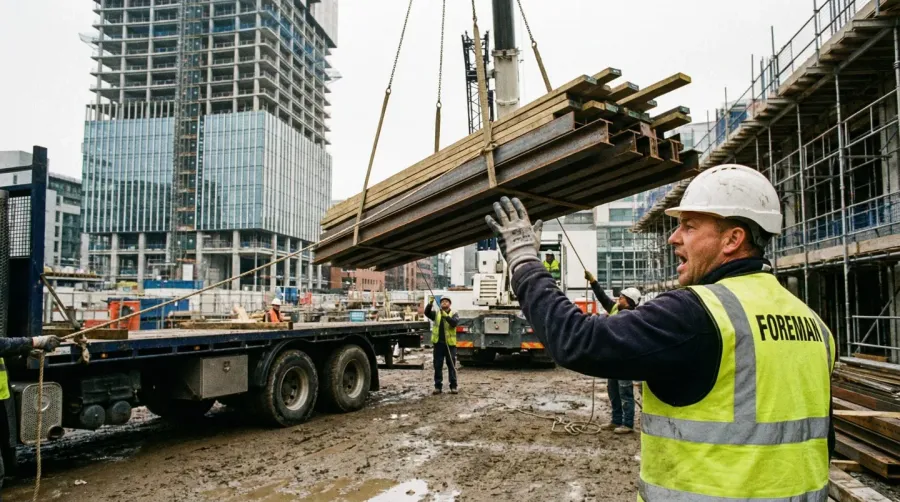
Delivery fees often represent a significant portion of total costs, especially for smaller orders. Many providers offer free delivery within certain radius limits or for orders above minimum thresholds. Calculate whether multiple smaller deliveries or one large delivery makes more financial sense for your project timeline. For comprehensive pricing information, explore fill dirt delivery cost factors that impact your total investment.
Consider the total value proposition beyond just material costs. Reliable delivery services save you equipment rental fees, transportation time, and labor costs associated with self-hauling. For projects requiring more than a few cubic yards, professional delivery typically provides better overall value than attempting to transport materials yourself. Modern aggregate marketplaces serve as free directories of up-to-date pricing, helping you compare options without endless quote chains or phone tag. You can also review how to find the best deals on aggregates for large projects to maximize your purchasing power.
Professional gravel and dirt delivery services streamline your construction projects by handling the complex logistics of material sourcing and transportation. By understanding material types, choosing reliable providers, and planning deliveries strategically, you ensure your project has the foundation materials it needs exactly when needed. This approach keeps your timeline on track while often providing better value than attempting to handle material logistics independently.
FAQ
How much does gravel delivery cost per yard?
Fill gravel typically ranges from $10-50 per cubic yard, while fill dirt costs $5-25 per cubic yard. Delivery fees vary based on distance and order size, with many providers offering free delivery within certain radius limits or for orders above minimum thresholds. For projects requiring more than 5 cubic yards, professional delivery often provides better value than self-hauling when factoring in equipment rental and transportation costs.
What’s the difference between gravel and fill dirt for construction?
Gravel serves as a primary base material providing stability and drainage for foundations, driveways, and roads. Its angular particles interlock when compacted and allow water to flow freely. Fill dirt contains minimal organic matter and compacts naturally to create stable foundations for grading, backfilling, and leveling terrain. Structural fill dirt offers the highest quality for construction with specific ratios of sand, clay, and rock particles.
How do I choose the right gravel and dirt delivery service?
Look for providers with a proven track record for on-time deliveries and material quality certifications. Check that they offer material testing documentation and source from established quarries that meet local building codes. Consider their equipment capabilities, delivery timeframes (the best deliver the next business day), coverage area, and whether they can accommodate your site’s access limitations with appropriate truck sizes.
When should I schedule gravel and dirt deliveries for my construction project?
Schedule deliveries when you’re ready to use materials immediately or have proper storage arrangements to prevent contamination or theft. Plan gravel deliveries before dirt deliveries when both materials are needed, as gravel provides a stable base for equipment access. Coordinate delivery timing with your construction schedule to prevent materials from sitting on-site too long and ensure someone is available to direct proper placement.
Materials for this project
Get it delivered — dumped where you need it
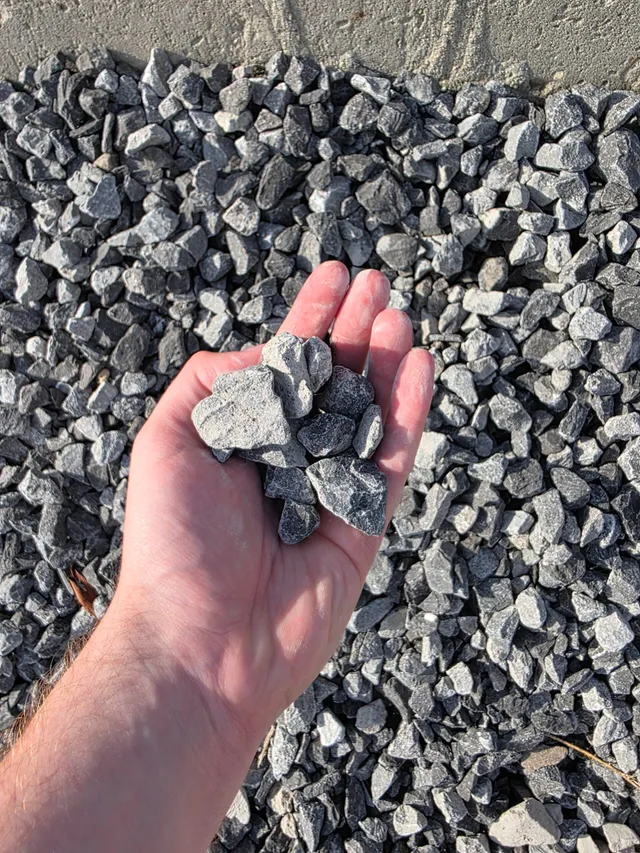
Driveway Gravel
Driveways & Parking areas
See delivered price
View product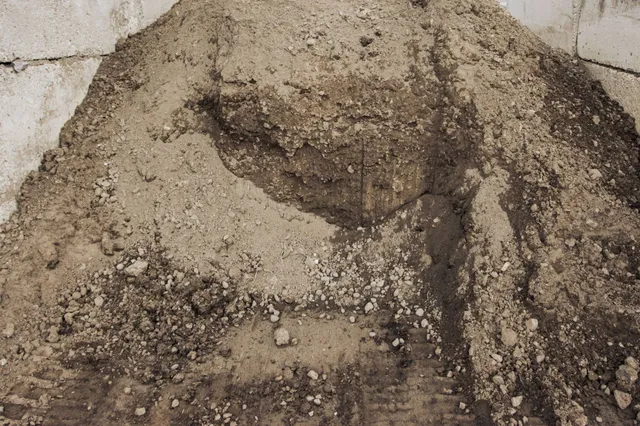
Fill Dirt
Grading & Backfill
See delivered price
View product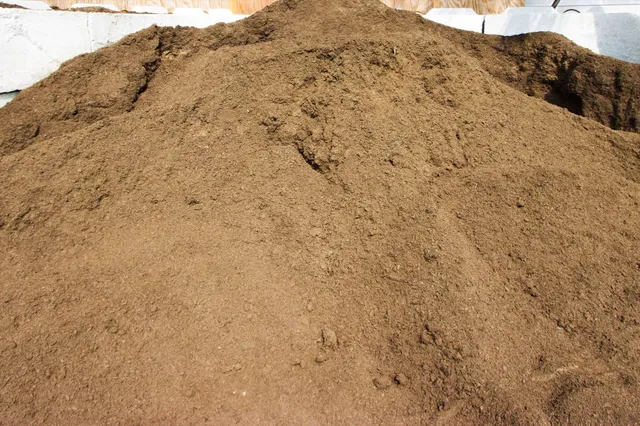
Topsoil
Lawn establishment & Garden beds
See delivered price
View product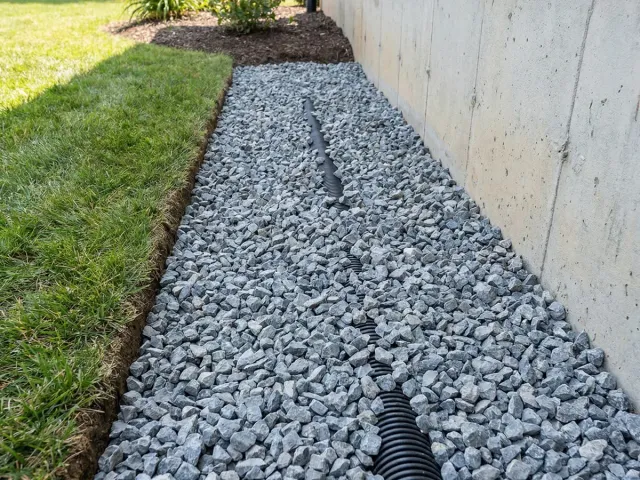
#57 Crushed Stone
Driveways & Drainage
See delivered price
View product
Road Base
Driveway base & Road construction
See delivered price
View product