
Do You Need Gravel Behind a Retaining Wall
Yes, gravel can absolutely be used for retaining wall base projects and is actually one of the most effective materials for this purpose. The key lies in choosing the right type of gravel and understanding how different varieties serve specific functions in your wall system.
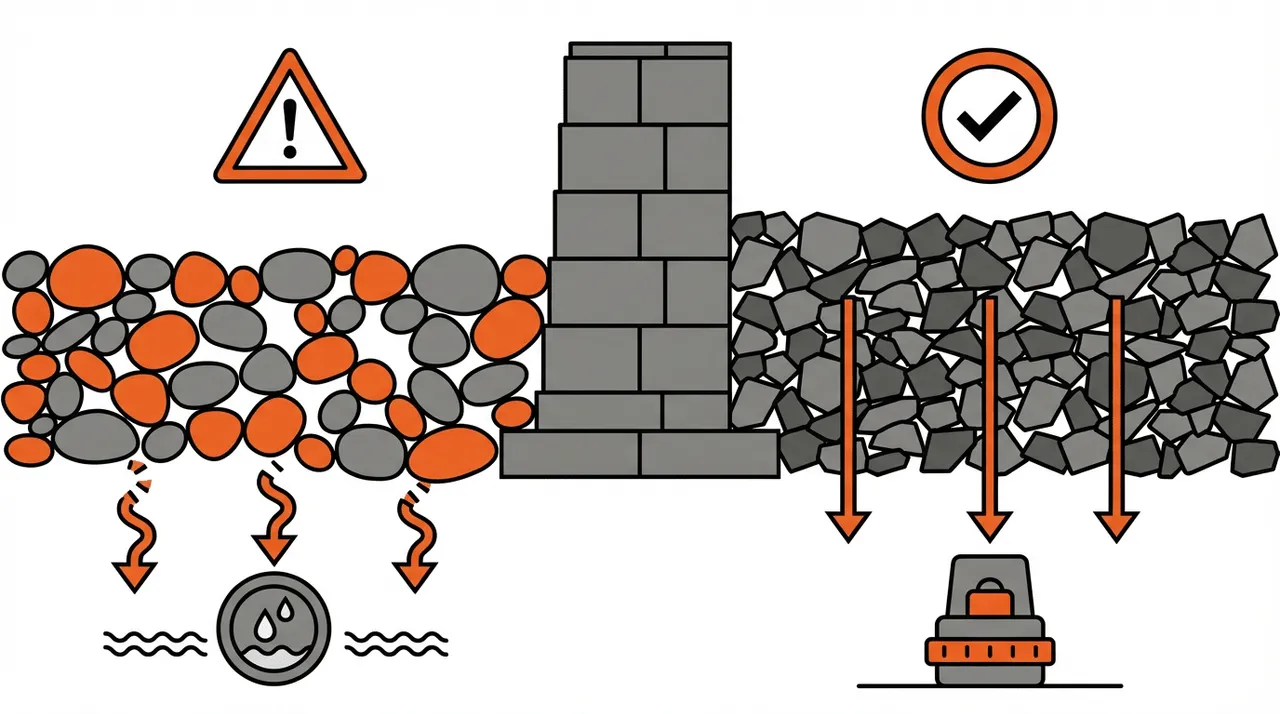
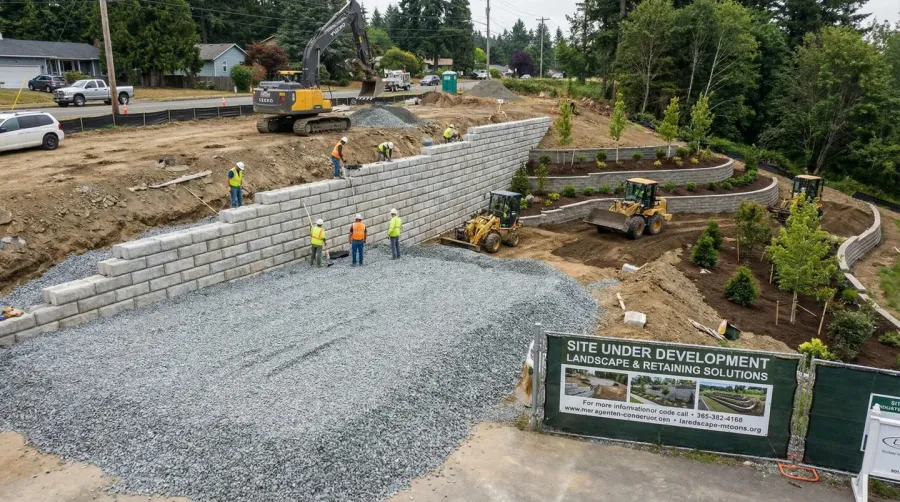
Most successful retaining walls use a combination approach where compacted crushed stone forms the structural base directly under the blocks, while pea gravel handles drainage behind the wall. This dual strategy gives you both the stability needed to support your wall and the water management that prevents costly failures.
Quick fact: A properly installed gravel base should be 6-12 inches deep for most residential retaining walls, with depth increasing based on wall height and soil conditions.
The choice between gravel types makes all the difference in your project’s success. While rounded pea gravel excels at drainage, angular crushed stone provides the interlocking strength your wall foundation requires. At Hello Gravel, we help DIY homeowners, landscapers, and contractors across all 50 states source the right materials for their retaining wall projects with delivery as soon as the next business day.
About Hello Gravel
Hello Gravel delivers bulk gravel, rock, dirt, and sand by the ton. Enter your ZIP code to see prices with delivery included. A local dump-truck driver places the load where access is safe; spreading is not included.
What makes gravel effective for retaining wall bases
Gravel works so well for retaining walls because it solves the two biggest challenges these structures face: supporting weight and managing water. Think of your retaining wall base like the foundation of a house – it needs to be both strong enough to carry the load and smart enough to handle water properly.
The secret lies in gravel’s structure. Unlike solid materials that can crack under pressure or trap water, gravel creates a network of interconnected spaces. These spaces allow water to flow through while the stone particles distribute weight evenly across the ground below.
Angular crushed stone excels as a structural base because the jagged edges lock together when compacted. This creates a solid platform that won’t shift under the weight of your wall blocks and the soil pressure behind them. The interlocking action is similar to how puzzle pieces fit together – each stone supports its neighbors.
For drainage applications, the spaces between gravel particles create pathways for water to escape. This prevents hydrostatic pressure from building up behind your wall, which is the leading cause of retaining wall failures. Understanding the benefits of gravel fill for construction projects can help you appreciate why this material is so versatile for various applications.
Best gravel types for different retaining wall applications
Not all gravel serves the same purpose in retaining wall construction. Understanding which type works best for each application helps you build a wall that lasts decades instead of failing within a few seasons.
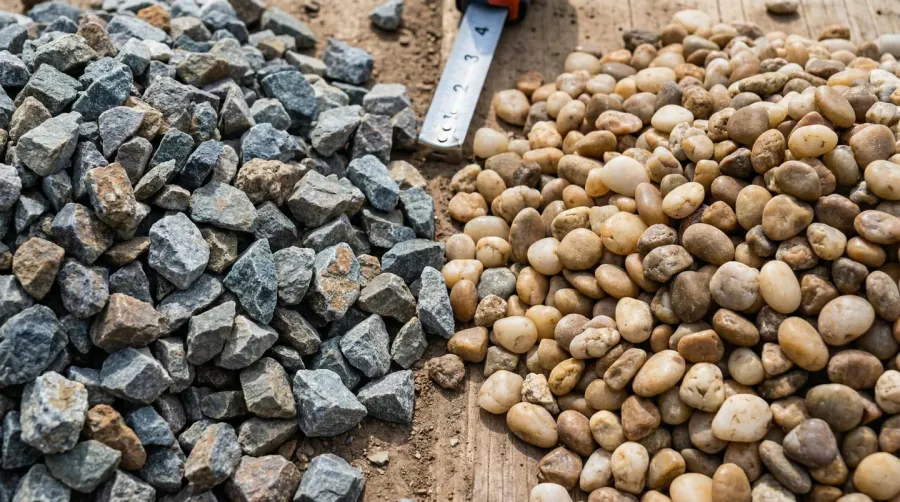
Crushed stone works best for the structural base layer directly under your wall blocks. Look for 3/4-inch minus material or dense-graded crushed stone. This product contains a mix of larger stones and fine particles that compact tightly together. The angular shapes prevent shifting while the fines fill gaps between larger pieces.
Pea gravel excels as drainage backfill behind your wall blocks. The rounded stones create excellent drainage pathways while being easy to work with during installation. However, avoid using pea gravel as your primary structural base since the round shape prevents proper interlocking.
Clean stone like #57 or #78 works well for drainage zones and around perforated drain pipes. These larger, uniform stones provide maximum water flow while maintaining structural integrity in non-load-bearing applications.
The table below shows how different gravel types perform in various retaining wall applications:
| Gravel Type | Structural Base | Drainage Backfill | Around Drain Pipes | Compaction Ability |
|---|---|---|---|---|
| Crushed Stone (3/4″ minus) | Excellent | Good | Fair | Excellent |
| Pea Gravel | Poor | Excellent | Good | Poor |
| Clean Stone (#57/#78) | Fair | Good | Excellent | Fair |
Key benefits that make gravel the preferred choice
Gravel offers several advantages that make it the go-to material for retaining wall bases. These benefits explain why most building codes and block manufacturers specify gravel-based foundations for their products.
Superior drainage tops the list of gravel’s advantages. Water buildup behind retaining walls creates hydrostatic pressure that can push even well-built walls over. Gravel’s natural drainage prevents this pressure from developing, protecting your investment for years to come. Similar drainage principles apply when using gravel for outdoor exercise area ground cover projects.
Easy installation makes gravel accessible for both professional contractors and DIY builders. You can pour, spread, and level gravel quickly without special equipment. A plate compactor or hand tamper is all you need to create a solid foundation.
Cost-effectiveness gives gravel a major advantage over alternatives like concrete or specialized base materials. Quality gravel typically costs 50-70% less than concrete while providing comparable performance for most residential applications.
Flexibility allows gravel bases to adapt to minor ground movement without cracking. This is especially important in areas with freeze-thaw cycles or expansive soils that can damage rigid foundations.
Step-by-step installation process for gravel bases
Installing a gravel base requires attention to detail but follows a straightforward process that most homeowners can handle. The key is taking time with each step rather than rushing to get your wall blocks in place.
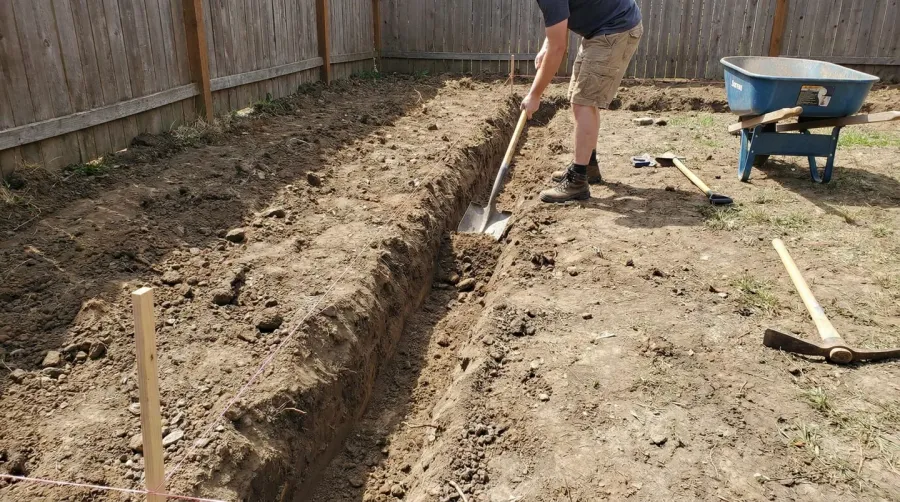
Site preparation starts your project on the right foot. Remove all vegetation, debris, and loose soil from the area where your wall will sit. Excavate to the proper depth – typically 6 inches for walls under 3 feet tall, and up to 12 inches for taller structures.
Gravel placement comes next. Pour your crushed stone base material and spread it evenly across the excavated area. Work in 2-3 inch lifts rather than dumping the entire depth at once. This approach ensures better compaction throughout the base layer. The same principles apply when using gravel for a patio base project or creating a sub-base for a deck project.
Compaction transforms loose gravel into a solid foundation. Use a plate compactor for best results, making multiple passes over the entire area. The surface should feel firm underfoot and show minimal movement when you walk on it.
Leveling puts the finishing touches on your base. Use a screed board or rake to create a smooth, level surface that follows your desired grade. Check with a level frequently to ensure consistency across the entire base area.
Pro tip: Lightly mist the gravel with water before final compaction. The moisture helps particles bind together while preventing dust clouds during the compaction process.
Remember that your base extends beyond just the area under your wall blocks. Plan for proper drainage behind the wall by continuing your gravel work into the backfill area where water management happens. If you’re working with a professional, finding the right construction contractor for your project ensures quality installation from start to finish.
A well-installed gravel base sets the stage for a retaining wall that performs reliably for decades. Take time with these foundation steps, and you’ll avoid the costly repairs that come from cutting corners on base preparation. The small investment in quality materials and careful installation pays dividends in the long-term performance of your retaining wall project. Whether you’re a DIY homeowner or professional contractor, Hello Gravel’s nationwide network of local suppliers can deliver the right crushed stone and gravel materials directly to your job site, making your retaining wall project both convenient and successful.
FAQ
How thick should the gravel base be for a retaining wall?
The gravel base should be 6-12 inches deep for most residential retaining walls, with the depth increasing based on wall height and soil conditions. For walls under 3 feet tall, a 6-inch base is typically sufficient, while taller structures may require up to 12 inches. Always compact the gravel in 2-3 inch lifts rather than placing the entire depth at once for optimal stability.
What type of gravel is best for retaining wall bases?
Crushed stone (3/4-inch minus) is the best choice for the structural base layer directly under wall blocks because the angular edges lock together when compacted, creating a solid foundation. For drainage behind the wall, pea gravel works excellently due to its rounded shape that allows water to flow freely. Avoid using pea gravel as your primary structural base since it doesn’t compact or interlock properly.
Can I use sand instead of gravel for my retaining wall base?
Sand is not recommended for retaining wall bases because it doesn’t provide adequate drainage and can shift under load. Unlike gravel, sand retains water and can create hydrostatic pressure behind your wall, leading to failure. Sand also lacks the interlocking properties of angular crushed stone that create a stable foundation. Stick with properly graded crushed stone for the best long-term performance.
How do I properly compact gravel for a retaining wall base?
Use a plate compactor for best results, working in 2-3 inch lifts rather than compacting the entire depth at once. Make multiple passes over the entire area until the surface feels firm underfoot with minimal movement. Lightly mist the gravel with water before final compaction to help particles bind together and reduce dust. The properly compacted base should be level and show no shifting when walked on.
Materials for this project
Get it delivered — dumped where you need it
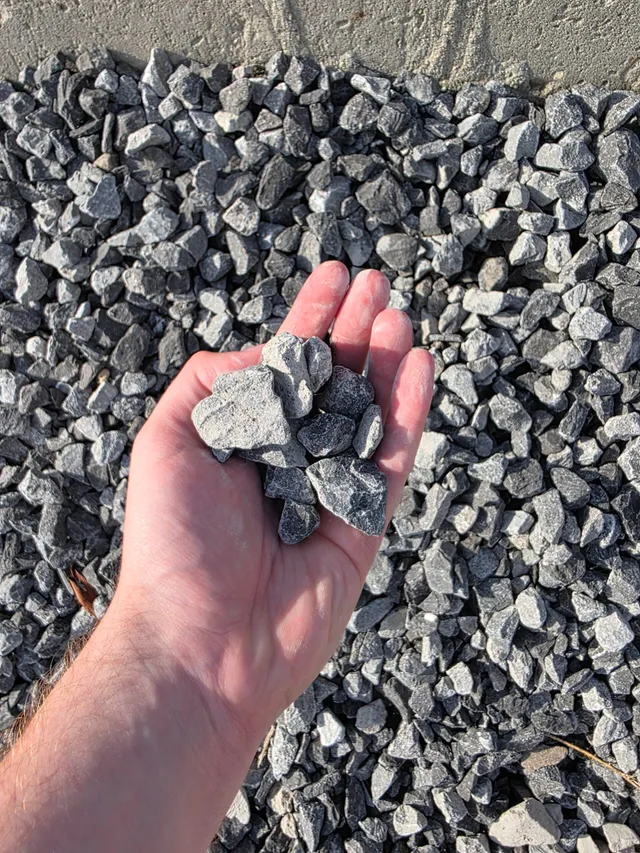
Driveway Gravel
Driveways & Parking areas
See delivered price
View product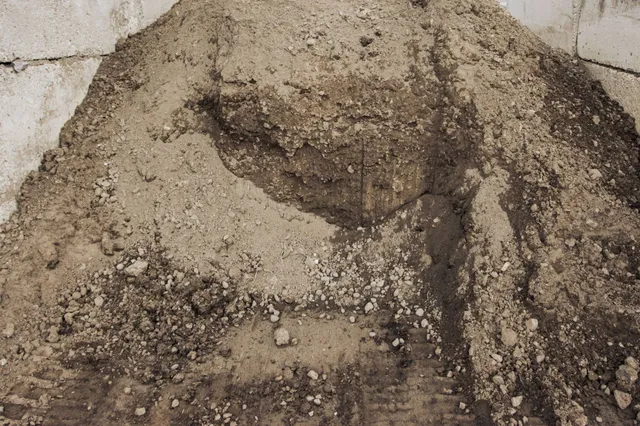
Fill Dirt
Grading & Backfill
See delivered price
View product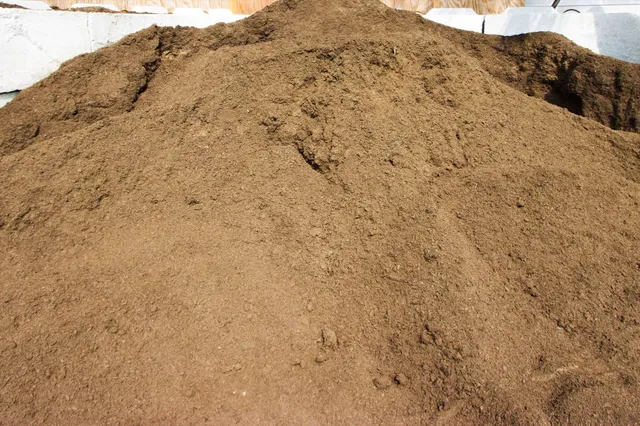
Topsoil
Lawn establishment & Garden beds
See delivered price
View product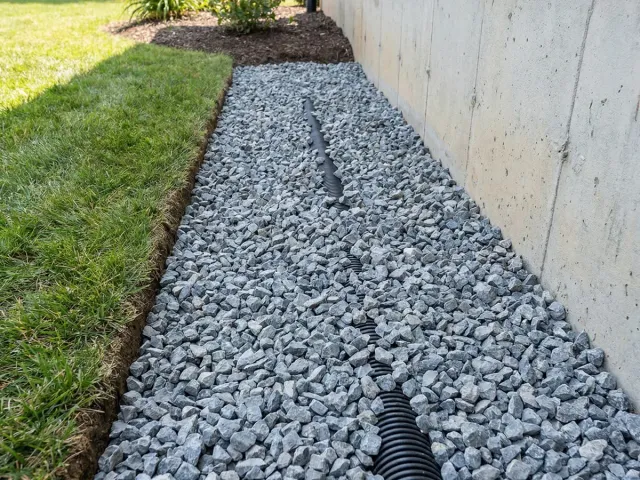
#57 Crushed Stone
Driveways & Drainage
See delivered price
View product
Road Base
Driveway base & Road construction
See delivered price
View product