
Best Gravel for Garden Paths (Types and Install)
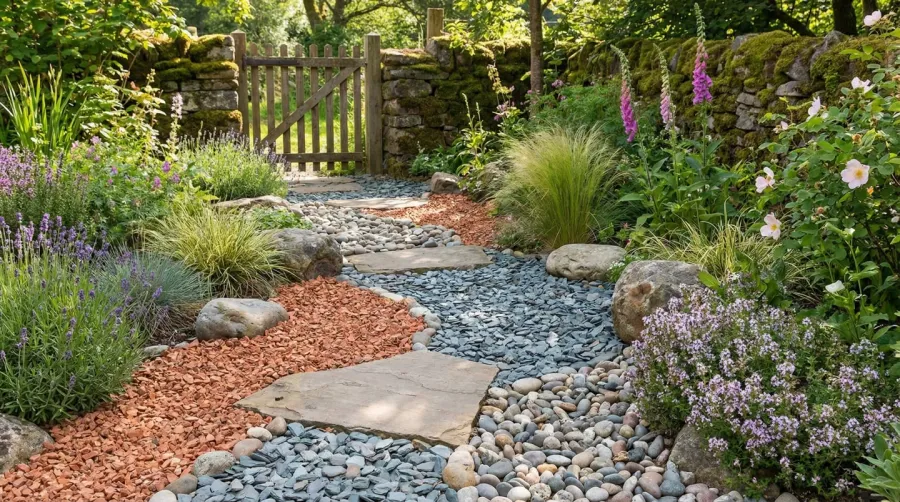
Creating stunning garden paths doesn’t require expensive materials or professional installation. Gravel offers an affordable, versatile solution that transforms ordinary walkways into attractive landscape features. Whether you’re dealing with muddy garden areas or planning a complete outdoor makeover, the right gravel choice makes all the difference.
Quick Answer: Pea gravel (3/8-inch) works best for most garden paths, offering excellent drainage, comfort underfoot, and natural beauty at 30-50% less cost than traditional paving materials.
This guide walks you through everything you need to know about choosing, installing, and maintaining gravel paths that enhance your garden’s appeal while standing up to daily use.
About Hello Gravel
Hello Gravel delivers bulk gravel, rock, dirt, and sand by the ton. Enter your ZIP code to see prices with delivery included. A local dump-truck driver places the load where access is safe; spreading is not included.
Understanding gravel types for garden paths
The type of gravel you choose dramatically affects both the appearance and functionality of your garden path. Each variety offers unique benefits that suit different garden styles and practical needs.
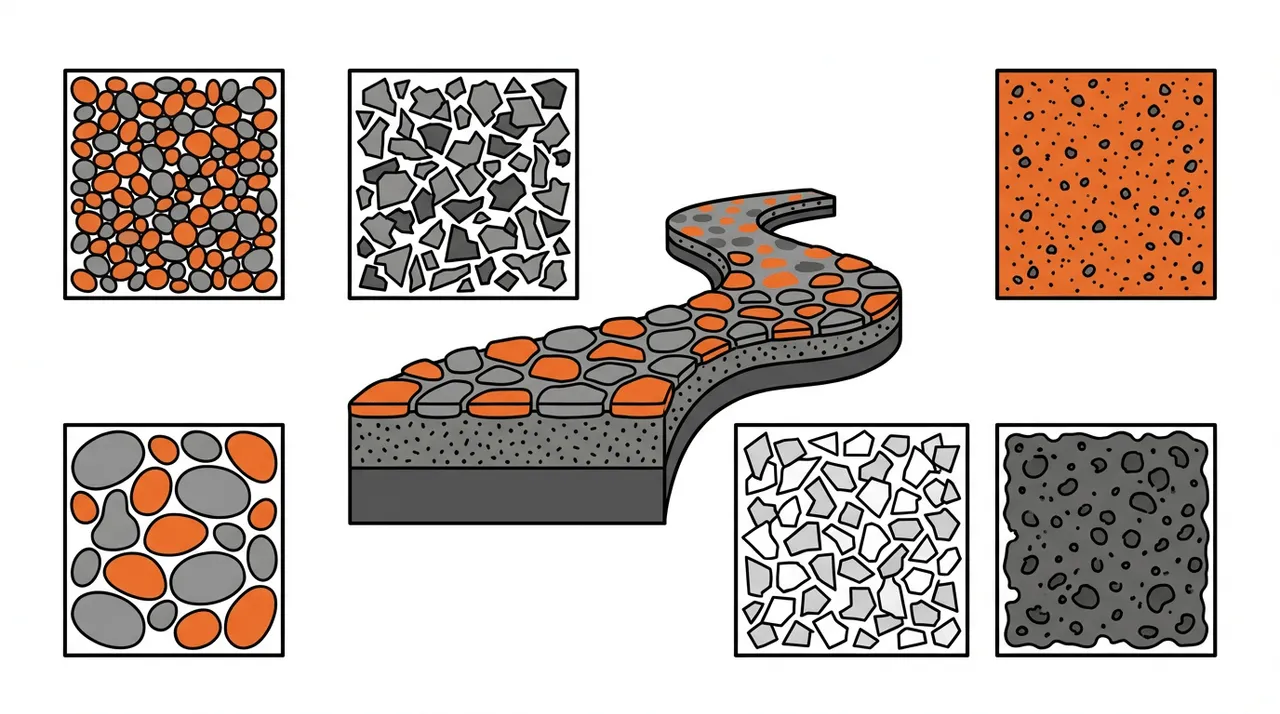
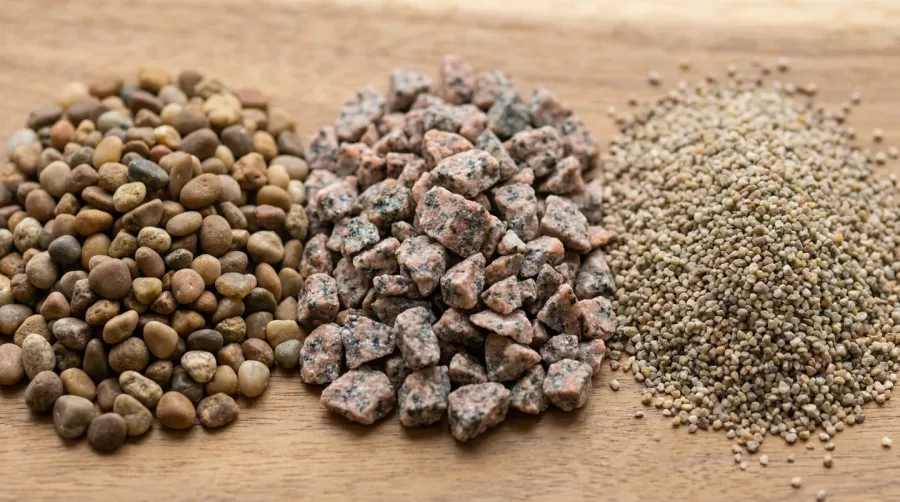
Pea gravel remains the most popular choice for garden paths. These small, rounded stones typically measure 1/8 to 3/8 inches in diameter and feel comfortable to walk on. The smooth texture prevents sharp edges from catching shoes or bare feet, making it ideal for high-traffic areas. River pea gravel, naturally polished by flowing water, offers the premium option with unmatched elegance.
Crushed granite provides excellent stability and compaction. Made from granite rocks crushed into angular pieces, this material locks together tightly when installed properly. You’ll find crushed granite in various colors including gray, pink, and gold, allowing you to match your garden’s existing color scheme.
Pro Tip: Choose 3/8-inch gravel for the perfect balance between stability and comfort. Smaller sizes shift too easily, while larger stones feel uncomfortable underfoot.
Fine gravel and decomposed granite create more formal appearances. These materials compact well and create smooth surfaces that work beautifully in contemporary garden designs. However, they may require more maintenance to prevent weeds and maintain their refined look. For a comprehensive overview of different gravel options, explore our ultimate guide to landscaping gravel.
At Hello Gravel, we work with local suppliers nationwide to source high-quality pea gravel, crushed stone, and sand for DIY homeowners and landscapers. Our material calculator helps you determine exactly how many cubic yards you’ll need for your garden path project, taking the guesswork out of ordering.
Installation guide for DIY garden paths
Installing a gravel garden path makes an excellent weekend project that delivers professional-looking results. Proper preparation ensures your path remains stable and attractive for years to come.
Start by planning your path route and marking it with spray paint or string. Consider natural traffic patterns and how the path connects different garden areas. Most garden paths work best at 3-4 feet wide, allowing comfortable passage while maintaining garden proportions. If you’re wondering what type of gravel is best for a walkway, consider your specific usage patterns and aesthetic preferences.
Excavate the marked area to a depth of 4-6 inches, removing all grass and vegetation. This depth accommodates both the base layer and gravel surface. Install edging along both sides using metal, plastic, or stone borders to contain the gravel and create clean lines.
Create a stable foundation by laying 2-3 inches of crushed stone or road base. Compact this base layer thoroughly using a hand tamper or plate compactor. This foundation prevents settling and provides drainage beneath your gravel surface. Understanding the benefits of gravel fill for construction projects can help you appreciate the importance of proper base preparation.
| Installation Step | Depth/Amount | Purpose |
|---|---|---|
| Excavation | 4-6 inches | Remove vegetation, create space |
| Base layer | 2-3 inches | Stability and drainage |
| Gravel surface | 2-3 inches | Walking surface |
With Hello Gravel’s nationwide delivery network, you can have your materials delivered as soon as the next business day, making it easy to complete your garden path project on schedule. Our dedicated account managers can help coordinate delivery timing to match your installation timeline.
Maintenance tips for long-lasting paths
Gravel paths require minimal maintenance when properly installed, but regular care keeps them looking their best. Simple maintenance tasks prevent common problems and extend your path’s lifespan.
Regular raking redistributes gravel and maintains an even surface. Rake monthly during heavy use seasons and seasonally during quieter periods. This prevents the formation of ruts and keeps edges neat. Focus on areas where gravel tends to migrate, such as path intersections and slopes. For detailed maintenance strategies, check out our guide on how to maintain a gravel path.
Weed control becomes easier with proper installation techniques. Installing landscape fabric beneath the gravel significantly reduces weed growth. For existing paths, apply pre-emergent herbicides in early spring before weeds germinate. Hand-pulling occasional weeds works well for organic maintenance approaches.
Maintenance Schedule: Rake monthly, add fresh gravel annually, and edge twice per year for optimal appearance and function.
Top-dress your path annually with fresh gravel to maintain proper depth and appearance. Weather and foot traffic gradually compact and displace gravel, so adding a thin layer keeps the surface looking fresh. This also provides an opportunity to refresh the path’s color if fading occurs. If you’re maintaining a larger gravel garden, our article on how to maintain a gravel garden offers additional insights.
Cost comparison and material selection
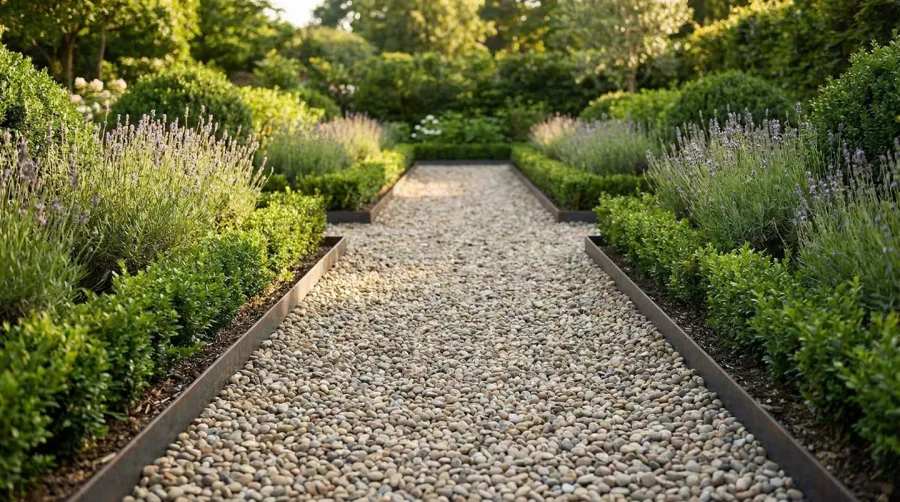
Understanding gravel costs helps you budget effectively while choosing materials that deliver the best value for your specific needs. Gravel paths typically cost significantly less than alternatives like brick pavers or concrete.
Pea gravel generally costs between $30-50 per cubic yard, making it an economical choice for most garden path projects. A typical 50-foot path requires 2-3 cubic yards of material, bringing total gravel costs to under $200 for most installations. This represents substantial savings compared to brick or stone alternatives.
Crushed granite costs slightly more at $40-60 per cubic yard but offers superior stability for high-traffic areas. The additional cost often proves worthwhile for main garden pathways or areas that receive heavy use. Consider crushed granite for paths leading to frequently used garden features.
Factor in additional materials when budgeting your project. Edging materials range from $2-8 per linear foot depending on the type chosen. Base materials add approximately $25-35 per cubic yard. Including these materials, most DIY gravel path projects cost $300-600 for a 50-foot pathway. For contractors looking to optimize their budgets, our guide on how to save money as a general contractor provides valuable cost-saving strategies.
The long-term value of gravel paths extends beyond initial installation costs. Unlike concrete or pavers that may crack or shift, gravel paths adapt to ground movement and remain functional for decades with minimal maintenance. This durability makes gravel an excellent investment for garden infrastructure.
Hello Gravel’s transparent pricing eliminates the need to call around for quotes. Our online marketplace provides up-to-date aggregate prices from local suppliers, helping you make informed decisions about your garden path materials. With delivery available in all 50 states, you can source quality materials wherever your project is located.
Gravel garden paths offer an ideal combination of affordability, beauty, and functionality that suits most garden styles and budgets. With proper material selection and installation techniques, you’ll create pathways that enhance your outdoor space while requiring minimal ongoing maintenance. The key lies in choosing the right gravel type for your specific needs and following proven installation practices that ensure long-lasting results.
FAQ
What gravel size is best for garden paths?
Pea gravel measuring 3/8-inch in diameter works best for most garden paths. This size provides the perfect balance between stability and comfort underfoot. Smaller sizes tend to shift too easily, while larger stones can feel uncomfortable to walk on. The rounded edges of pea gravel also prevent sharp edges from catching shoes or bare feet.
How deep should I dig for a gravel garden path?
Excavate 4-6 inches deep for a proper gravel path installation. This depth accommodates a 2-3 inch base layer of crushed stone or road base, plus a 2-3 inch surface layer of your chosen gravel. The base layer is crucial for stability and drainage, preventing settling and maintaining the path’s structure over time.
How much does a gravel garden path cost compared to other materials?
Gravel paths cost 30-50% less than traditional paving materials. Pea gravel typically costs $30-50 per cubic yard, with most 50-foot garden paths requiring 2-3 cubic yards. Including edging and base materials, DIY gravel path projects usually cost $300-600 total, compared to $800-1500 for brick or concrete alternatives.
How often do gravel paths need maintenance?
Gravel paths require minimal maintenance when properly installed. Rake monthly during heavy use seasons to redistribute gravel and maintain an even surface. Add fresh gravel annually to maintain proper depth, and edge the path twice per year for optimal appearance. Weed control can be managed with landscape fabric installation and seasonal pre-emergent herbicide applications.
Materials for this project
Get it delivered — dumped where you need it
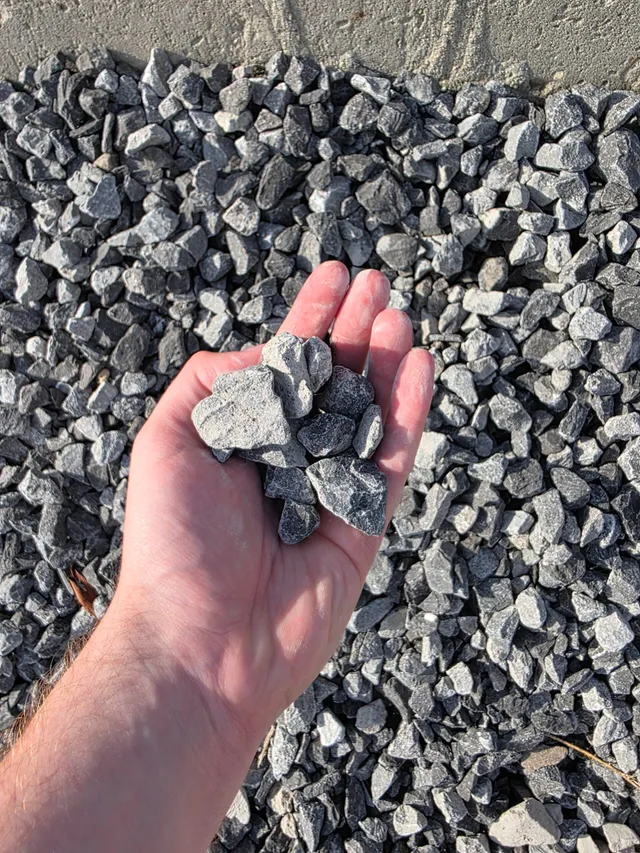
Driveway Gravel
Driveways & Parking areas
See delivered price
View product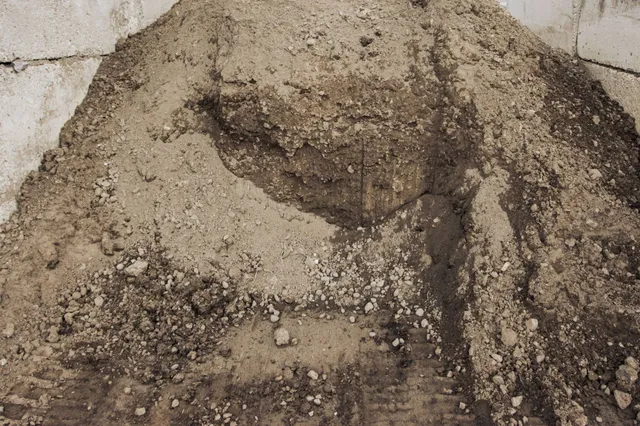
Fill Dirt
Grading & Backfill
See delivered price
View product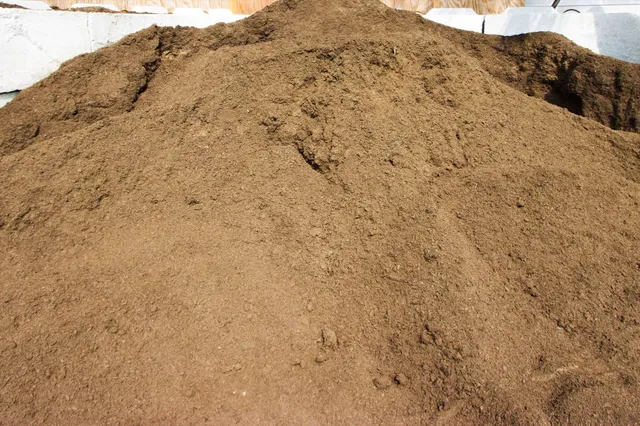
Topsoil
Lawn establishment & Garden beds
See delivered price
View product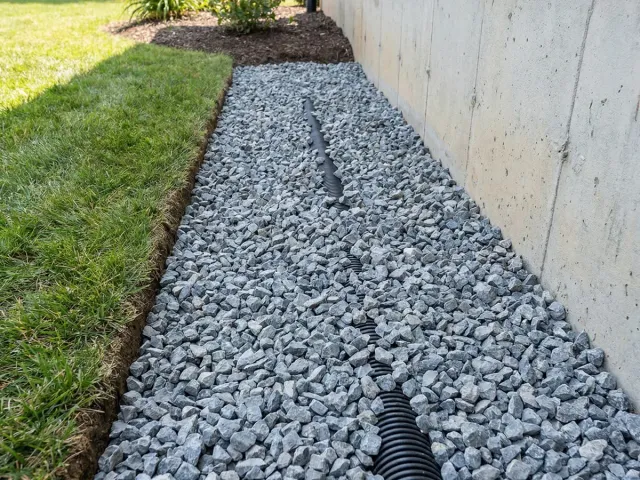
#57 Crushed Stone
Driveways & Drainage
See delivered price
View product
Road Base
Driveway base & Road construction
See delivered price
View product