
Bulk Aggregate Pricing for Construction
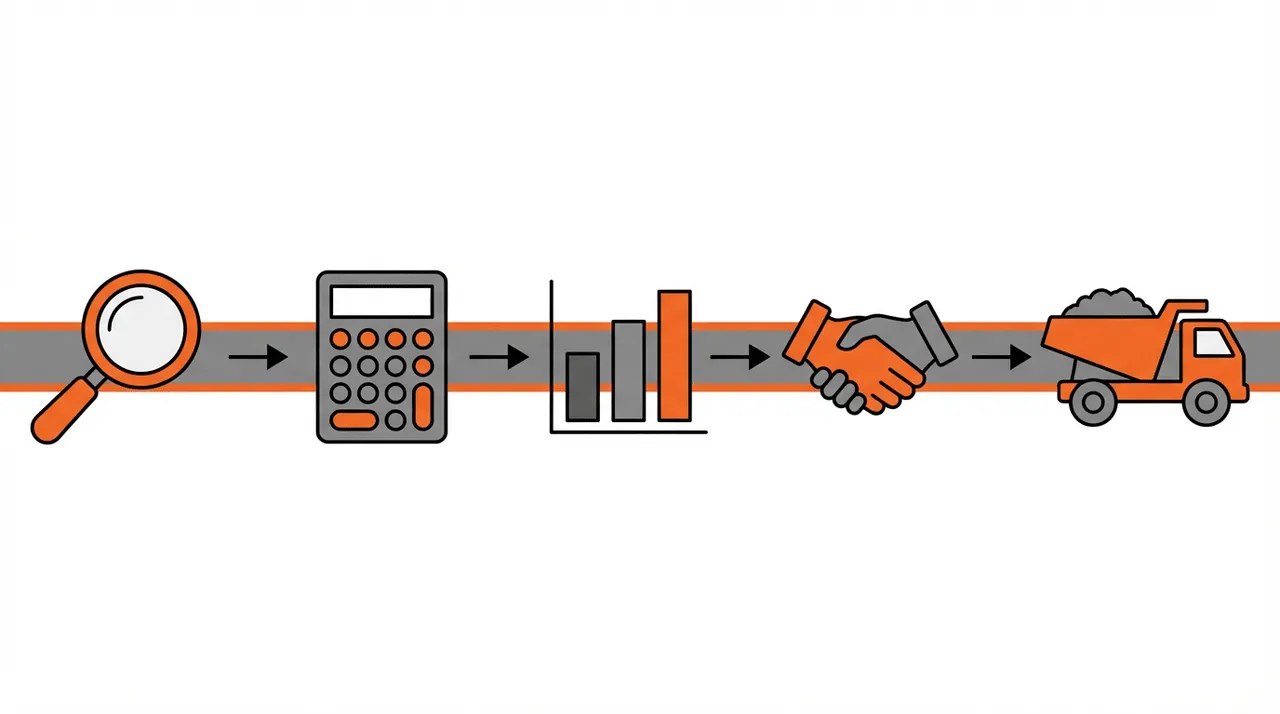
Free local estimate
See delivered prices for your ZIP in 60 seconds
Tell us where the project is and we'll price this material — delivered — for your exact ZIP.
- Real delivered pricing for your ZIP — not a generic range.
- Works for any quantity — driveways, pads, drains, or full projects.
- Prefer to talk? We follow up with local availability and delivery windows.
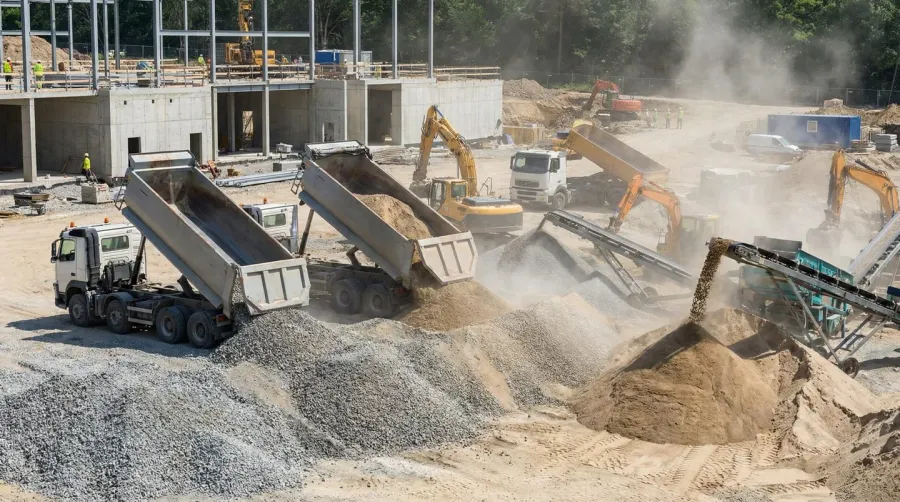
Finding the best deals on bulk aggregates can save you thousands of dollars on your construction project. Whether you’re building a commercial foundation or installing a residential driveway, the right sourcing strategy makes all the difference between staying on budget and facing costly overruns.
Bulk aggregates typically range from $15 to $75 per ton depending on type and location, with transportation costs adding another $5-15 per ton to your final bill. The key to securing competitive prices lies in understanding market dynamics, comparing multiple suppliers, and timing your purchases strategically.
Quick Fact: Bulk aggregate purchases can reduce material costs by 30-50% compared to smaller retail quantities, making proper sourcing essential for project profitability.
This guide walks you through proven strategies that contractors and project managers use to secure the best aggregate deals while maintaining quality standards. At Hello Gravel, we’ve helped deliver millions of tons of materials for projects ranging from small driveways to large civil construction, and we understand what it takes to optimize your aggregate purchasing decisions.
About Hello Gravel
Hello Gravel delivers bulk gravel, rock, dirt, and sand by the ton. Enter your ZIP code to see prices with delivery included. A local dump-truck driver places the load where access is safe; spreading is not included.
Understanding bulk aggregate pricing factors
Several key factors influence the price you’ll pay for bulk aggregates, and understanding these helps you negotiate better deals and plan your budget more accurately.
Supply and demand fluctuations hit aggregate prices harder than many other construction materials. When major infrastructure projects launch in your area, expect local prices to climb as suppliers compete for limited materials. Conversely, during construction slowdowns, you might find suppliers offering better rates to maintain cash flow.
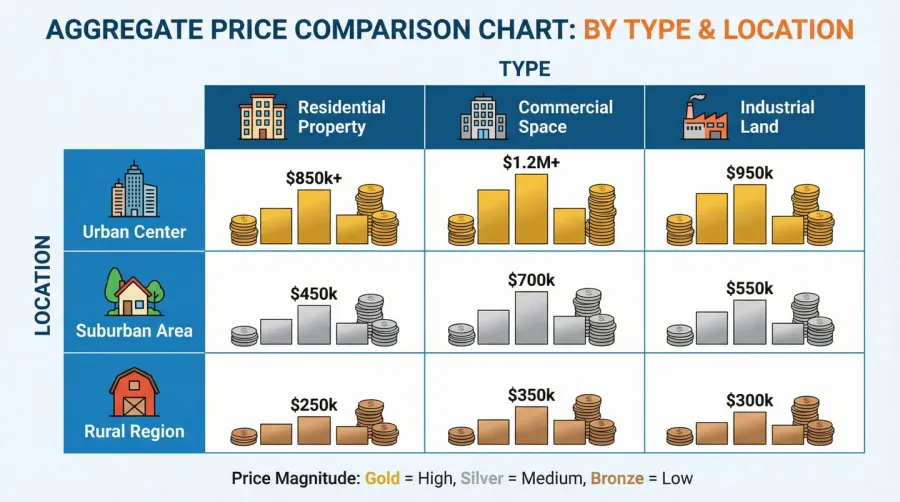
Location plays a crucial role in determining your final costs. Aggregates are heavy, low-value materials where transportation can easily double your expenses. A quarry 50 miles away might seem attractive until trucking fees eliminate any savings. Local sourcing typically offers the best value proposition for most projects, which is why Hello Gravel sources materials from local pits and haulers near your job site to minimize transportation costs and environmental impact.
Quality specifications also impact pricing significantly. High-grade aggregates that meet strict engineering standards command premium prices due to extensive testing and processing requirements. However, these materials often justify higher upfront costs through improved performance and reduced maintenance needs. Understanding the cost per ton of gravel helps you evaluate whether you’re getting a fair deal for your specific material needs.
Comparing suppliers and getting competitive quotes
The key to securing the best aggregate deals lies in systematic supplier comparison and strategic quote collection. Start by identifying at least three to five suppliers in your area who can handle your project volume and timeline requirements.
When requesting quotes, provide detailed project specifications including aggregate type, quantity needed, delivery timeline, and site access requirements. This ensures you receive accurate, comparable pricing from each supplier. Ask for itemized quotes that separate material costs from delivery charges and any additional fees. Modern online platforms can streamline this process significantly – instead of dealing with phone tag and lengthy quote chains, you can get transparent pricing and place orders efficiently.
Don’t focus solely on the lowest price when evaluating suppliers. Consider their reputation, delivery reliability, and customer service quality. A supplier who consistently delivers on time and maintains quality standards often provides better overall value than the cheapest option that creates project delays. When choosing a gravel supply company, prioritize those with proven track records and nationwide coverage who can source materials locally for faster delivery.
Pro Tip: Request quotes during slower construction periods (typically late fall and winter) when suppliers are more likely to offer competitive rates to secure business.
Establish relationships with multiple suppliers even if you don’t use them immediately. Having backup options protects you from price spikes and supply shortages during peak construction seasons. Look for suppliers who offer dedicated account management for professional contractors, as this can provide access to exclusive pricing and priority service.
Timing your aggregate purchases strategically
Strategic timing can significantly impact your aggregate costs, with seasonal patterns and market conditions creating opportunities for substantial savings.
Late fall and winter months typically offer the best pricing opportunities as construction activity slows and suppliers compete for limited projects. Planning your aggregate purchases during these periods can result in 10-20% cost savings compared to peak spring and summer rates.
Consider the broader construction market when timing your purchases. Major infrastructure projects or development booms in your area can create supply shortages and drive up prices. Monitoring local construction activity helps you anticipate these fluctuations and adjust your purchasing strategy accordingly.
For large projects spanning multiple months, consider splitting your aggregate purchases rather than buying everything upfront. This approach allows you to take advantage of price drops while avoiding storage costs and material degradation from extended outdoor exposure. Learn more about material sourcing secrets for busy contractors to optimize your purchasing timeline.
| Purchase Timing | Typical Savings | Best For |
|---|---|---|
| Late Fall/Winter | 10-20% | Non-urgent projects |
| Off-peak hours | 5-10% | Flexible delivery schedules |
| Bulk contracts | 15-25% | Multi-phase projects |
Maximizing value through smart purchasing decisions
Smart purchasing decisions extend beyond finding the lowest price to encompass total project value and long-term cost considerations.
Consolidate your aggregate needs across multiple project phases to qualify for volume discounts. Many suppliers offer tiered pricing that rewards larger orders, and combining smaller purchases can help you reach these beneficial pricing tiers. While Hello Gravel specializes in orders of 500+ tons, we accommodate smaller quantities to help contractors of all sizes access competitive bulk pricing. Understanding the benefits of purchasing gravel by bulk can help you maximize these opportunities.
Consider alternative aggregate types that meet your project specifications while offering cost advantages. Recycled aggregates like crushed concrete and crushed asphalt often cost 20-30% less than virgin materials while providing comparable performance for many applications. For specific projects, explore options like crushed concrete cost per ton as an economical alternative.
Negotiate payment terms that work in your favor. Some suppliers offer early payment discounts, while others provide better rates for customers who can pay upon delivery rather than requiring credit terms. Understanding these options helps you optimize your cash flow while securing better pricing.
Money-Saving Strategy: Ask suppliers about their “off-spec” materials – aggregates that don’t meet standard specifications but work perfectly for non-critical applications at significantly reduced prices.
Work with suppliers to optimize delivery schedules that minimize their costs and yours. Coordinating deliveries during off-peak hours or allowing flexible scheduling can result in reduced delivery charges and better overall pricing. Look for suppliers who can deliver as soon as the next business day when you need materials quickly, but also offer scheduling flexibility for cost savings. When comparing aggregates price vs. performance, factor in these delivery considerations to get the complete cost picture.
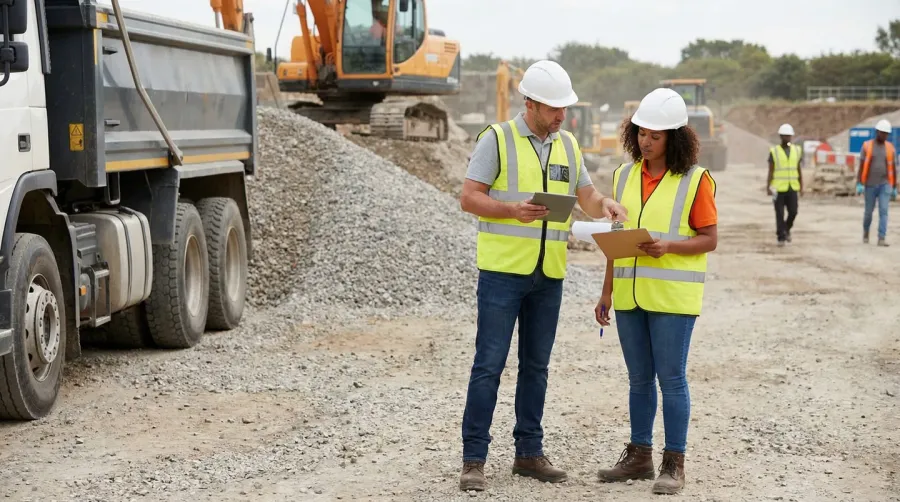
Finding the best deals on bulk aggregates requires a combination of market knowledge, strategic timing, and relationship building with reliable suppliers. By understanding pricing factors, comparing multiple options, timing purchases strategically, and making smart purchasing decisions, you can significantly reduce your project costs while maintaining quality standards. Remember that the cheapest option isn’t always the best value – focus on suppliers who offer competitive pricing along with reliability and quality service that keeps your project on track. With the right approach and trusted partners, you can optimize your aggregate supply chain to save both time and money on every project.
FAQ
What are bulk aggregates and how much do they typically cost?
Bulk aggregates are construction materials like sand, gravel, and crushed stone sold in large quantities for construction projects. They typically range from $15 to $75 per ton depending on type and location, with transportation costs adding another $5-15 per ton. Purchasing in bulk can reduce material costs by 30-50% compared to smaller retail quantities.
When is the best time to purchase bulk aggregates for cost savings?
Late fall and winter months typically offer the best pricing opportunities as construction activity slows and suppliers compete for limited projects. This timing can result in 10-20% cost savings compared to peak spring and summer rates. Avoid purchasing during major infrastructure projects in your area when demand drives up prices.
How many suppliers should I compare when getting quotes for bulk aggregates?
You should identify at least three to five suppliers in your area who can handle your project volume and timeline requirements. When requesting quotes, provide detailed project specifications including aggregate type, quantity needed, delivery timeline, and site access requirements to ensure accurate, comparable pricing from each supplier.
What factors should I consider beyond price when selecting an aggregate supplier?
Consider the supplier’s reputation, delivery reliability, customer service quality, and location proximity to your project site. Transportation costs can easily double your expenses, so local sourcing typically offers the best value. A supplier who consistently delivers on time and maintains quality standards often provides better overall value than the cheapest option that creates project delays.
Most-ordered materials
Get it delivered — dumped where you need it
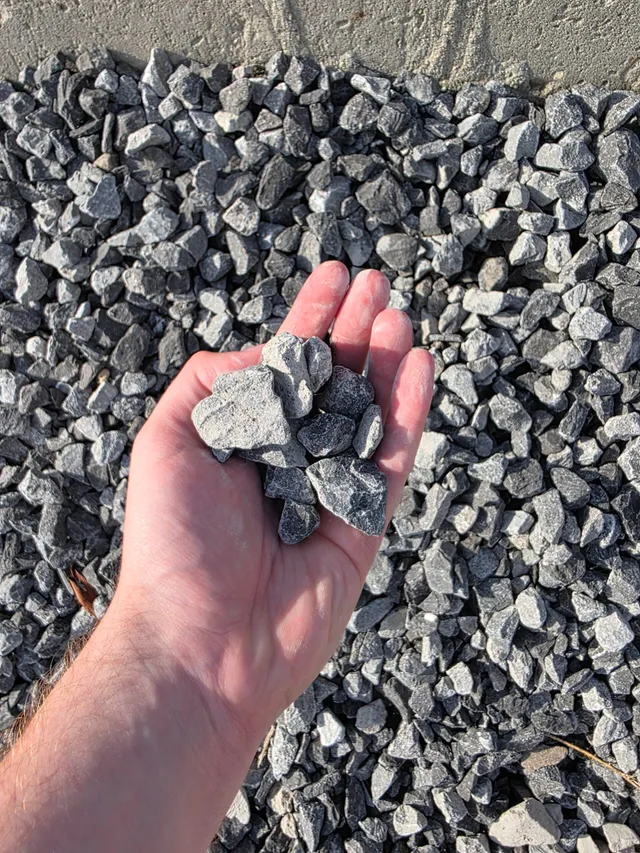
Driveway Gravel
Driveways & Parking areas
See delivered price
View product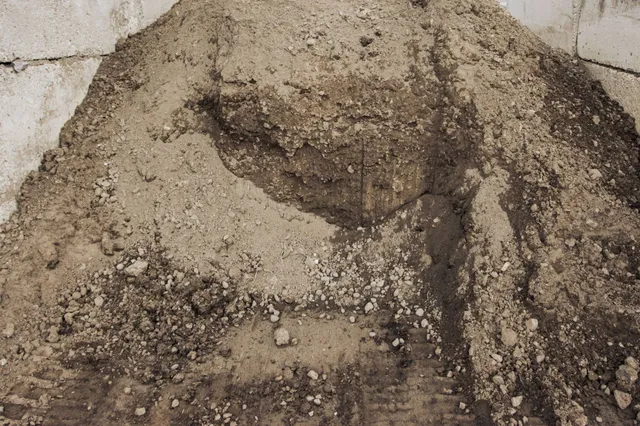
Fill Dirt
Grading & Backfill
See delivered price
View product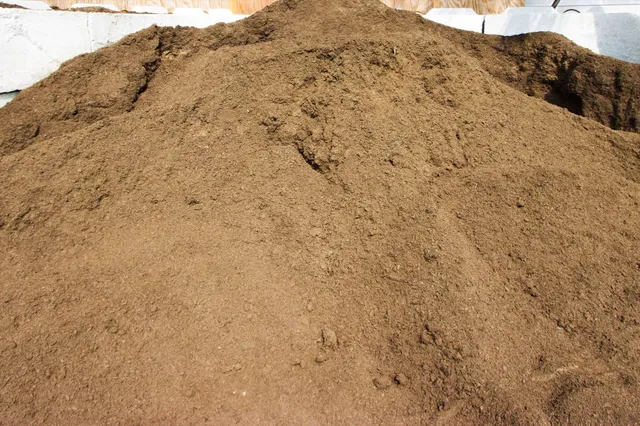
Topsoil
Lawn establishment & Garden beds
See delivered price
View product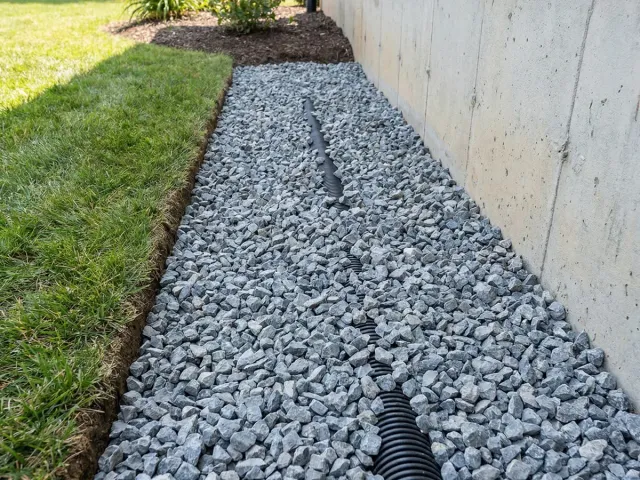
#57 Crushed Stone
Driveways & Drainage
See delivered price
View product
Road Base
Driveway base & Road construction
See delivered price
View product