
How Much Limestone Do I Need for a Garden Path in 2026
Free local estimate
See delivered prices for your ZIP in 60 seconds
Tell us where the project is and we'll price this material — delivered — for your exact ZIP.
- Real delivered pricing for your ZIP — not a generic range.
- Works for any quantity — driveways, pads, drains, or full projects.
- Prefer to talk? We follow up with local availability and delivery windows.
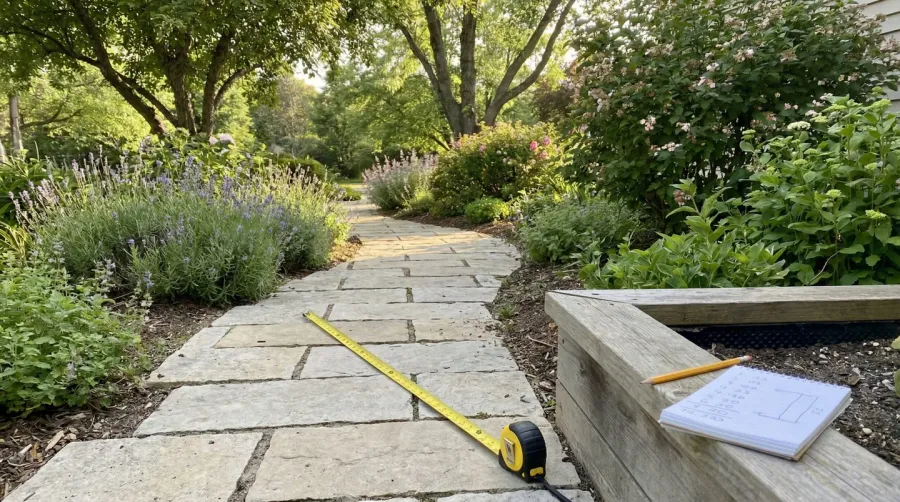
Planning a limestone garden path but unsure about quantities? You’ll need approximately 1.5 to 2 tons of limestone per 100 square feet for a standard 3-4 inch deep garden path. The exact amount depends on your path dimensions, desired depth, and limestone type.
Quick Answer: For most residential garden paths, calculate using this formula: Length × Width × Depth (in feet) × 105 = pounds of limestone needed. A typical 50-foot by 3-foot path requires about 1,400 pounds of limestone.
This guide walks you through the complete calculation process, from measuring your space to choosing the right limestone size and avoiding common purchasing mistakes. You’ll learn practical techniques that ensure you buy exactly what you need without waste or shortages.
About Hello Gravel
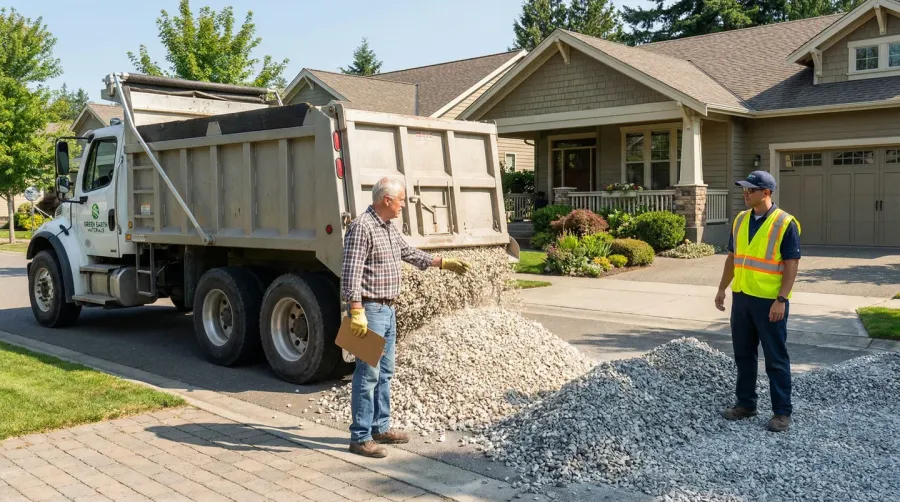
Hello Gravel delivers bulk gravel, rock, dirt, and sand by the ton. Enter your ZIP code to see prices with delivery included. A local dump-truck driver places the load where access is safe; spreading is not included.
Understanding limestone requirements for garden paths
Limestone depth directly impacts both durability and material costs. For pedestrian garden paths, you’ll want a 3-4 inch depth that provides stability without over-engineering. This depth handles regular foot traffic while allowing proper drainage through the natural stone.
The type of limestone affects your calculations too. Crushed limestone compacts more efficiently than larger pieces, meaning you might need 10-15% less material for the same coverage area. At Hello Gravel, we’ve found that 2-inch crushed limestone offers the perfect balance for most residential applications across all 50 states we serve.
Your local climate plays a role in depth requirements. Areas with freeze-thaw cycles benefit from slightly deeper installations, around 4-5 inches, to prevent shifting during temperature changes. This extra depth adds roughly 25% to your material needs but prevents costly repairs later.
Measuring and calculating your limestone needs
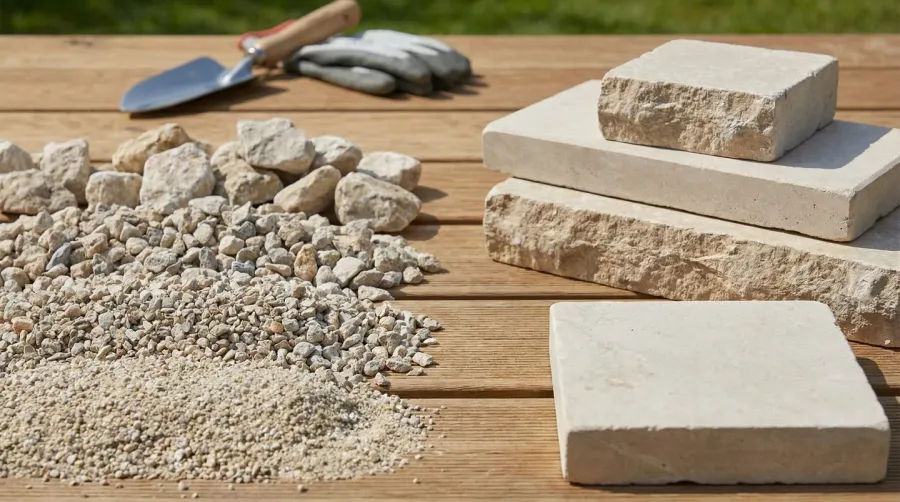
Start by measuring your path’s length and width in feet using a measuring tape. For curved sections, break them into smaller straight segments and measure each separately. This approach gives you more accurate square footage than estimating curved areas.
Calculate your square footage by multiplying length times width. A 40-foot long by 4-foot wide path equals 160 square feet. Next, determine your depth in feet by dividing inches by 12. A 3-inch depth equals 0.25 feet.
Use this formula for cubic feet: Length × Width × Depth = Cubic Feet. Then convert to weight using limestone’s density of approximately 105 pounds per cubic foot. Your 160 square foot path at 3 inches deep needs 40 cubic feet, or about 4,200 pounds of limestone.
If you’re working on similar calculations for other materials, you might find our guide on how much aggregate do I need for a garden path helpful for understanding the broader calculation principles. Our online material calculator tool can help you determine exactly how many cubic yards or tons you need based on your project measurements.
Pro Tip: Always add 10% extra to your calculations to account for compaction and minor measurement variations. This buffer prevents project delays from material shortages.
Choosing the right limestone size and type
Small limestone (1/4 to 1/2 inch) works well for formal garden paths with light traffic. This size creates smooth walking surfaces but requires more frequent maintenance to prevent shifting. It’s ideal for decorative pathways between flower beds.
Medium limestone (1/2 to 1 inch) handles moderate foot traffic beautifully while maintaining visual appeal. Through our experience delivering to DIY homeowners, landscapers, and contractors nationwide, we’ve found this size works best for most residential garden paths because it balances stability with ease of installation.
Large limestone pieces (1 to 3 inches) provide maximum durability for high-traffic areas but create rougher walking surfaces. Consider this option for rustic garden designs or paths leading to frequently used areas like vegetable gardens or tool sheds. For comparison, check out how much gravel do I need for a walkway to understand how different materials compare.
| Limestone Size | Best Use | Coverage per Ton | Walking Comfort |
|---|---|---|---|
| 1/4 – 1/2 inch | Light traffic, formal paths | 80-100 sq ft | Smooth |
| 1/2 – 1 inch | Standard garden paths | 70-90 sq ft | Comfortable |
| 1 – 3 inches | Heavy traffic, rustic design | 60-80 sq ft | Textured |
Smart purchasing and installation tips
Local suppliers often offer better prices than big box stores, especially for bulk quantities over one ton. At Hello Gravel, we work with local pits and haulers nationwide to ensure competitive pricing and fast delivery – often the next business day. Our marketplace serves as a free directory of up-to-date aggregate prices, helping you compare options in your area.
Consider timing your purchase during off-peak seasons like late fall or winter when demand drops. You might save 15-20% compared to spring prices when everyone starts landscaping projects.
Money-Saving Tip: Order slightly more than calculated if you’re close to a bulk pricing tier. The cost difference between 1.8 tons and 2 tons is often minimal, and having extra limestone helps with future maintenance.
Prepare your installation area before delivery by clearing vegetation and creating a level base. Compact the soil and add a thin sand layer for easier limestone placement. This preparation ensures your calculated quantities work as planned. If you’re planning multiple landscaping projects, our aggregate base calculator guide can help you estimate materials for various applications.
For those considering alternative materials, you might also explore how much crushed stone do I need for a flower bed border or learn about crushed concrete for walkways as cost-effective options.
With Hello Gravel’s simple online ordering process, you can order in minutes without endless quote chains or phone tag. We accept all major credit cards through secure checkout, and our dedicated account managers help with quotes, scheduling, and repeat orders.
Conclusion
Calculating limestone needs for your garden path becomes straightforward when you follow the measurement formula and account for your specific conditions. Remember that proper depth, appropriate limestone size, and smart purchasing decisions create paths that last decades with minimal maintenance. Take accurate measurements, add your 10% buffer, and choose reputable suppliers who can guide you through the process. Your investment in quality limestone and proper planning pays off with a beautiful, durable garden path that enhances your outdoor space for years to come.
FAQ
How do I calculate how much limestone I need for my garden path?
Use this formula: Length × Width × Depth (in feet) × 105 = pounds of limestone needed. For example, a 50-foot by 3-foot path at 3 inches deep requires: 50 × 3 × 0.25 × 105 = 3,937 pounds (about 2 tons). Always add 10% extra for compaction and measurement variations.
What depth should my limestone garden path be?
For standard pedestrian garden paths, use 3-4 inches of limestone depth. This provides adequate stability for foot traffic while ensuring proper drainage. In areas with freeze-thaw cycles, consider 4-5 inches depth to prevent shifting during temperature changes, which adds about 25% to your material needs.
What size limestone is best for garden paths?
Medium limestone (1/2 to 1 inch) is ideal for most residential garden paths as it balances stability with walking comfort. Small limestone (1/4 to 1/2 inch) works for light traffic formal paths, while large pieces (1 to 3 inches) are best for high-traffic or rustic designs. Medium size provides 70-90 square feet coverage per ton.
How much does limestone cost and where should I buy it?
Local suppliers typically offer better prices than big box stores, especially for bulk quantities over one ton. Prices vary by region, but you can save 15-20% by purchasing during off-peak seasons like late fall or winter. Many suppliers offer free delivery on larger orders, and ordering slightly more to reach bulk pricing tiers is often cost-effective.
Materials for this project
Get it delivered — dumped where you need it
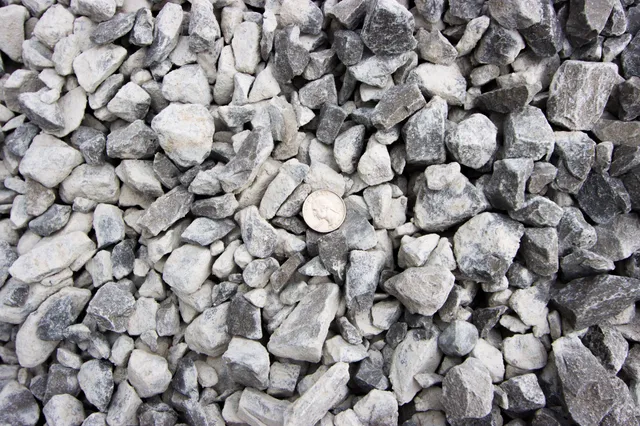
#610 Limestone
Driveway base & Road base
See delivered price
View product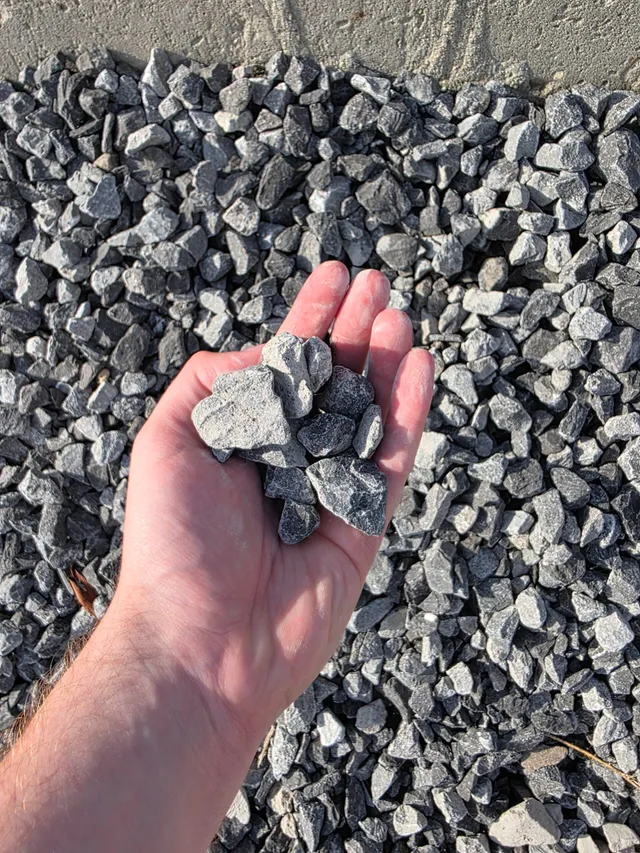
Driveway Gravel
Driveways & Parking areas
See delivered price
View product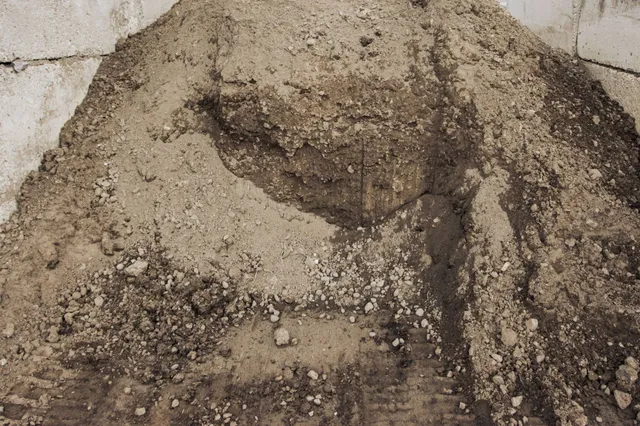
Fill Dirt
Grading & Backfill
See delivered price
View product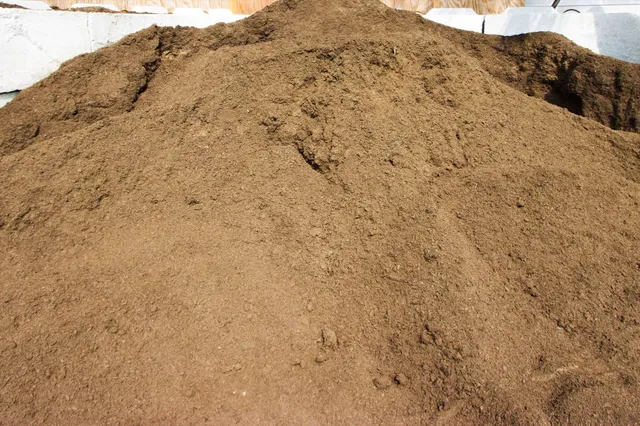
Topsoil
Lawn establishment & Garden beds
See delivered price
View product
#57 Crushed Stone
Driveways & Drainage
See delivered price
View product