
Crushed Concrete Calculator (How Much You Need)
Free local estimate
See delivered prices for your ZIP in 60 seconds
Tell us where the project is and we'll price this material — delivered — for your exact ZIP.
- Real delivered pricing for your ZIP — not a generic range.
- Works for any quantity — driveways, pads, drains, or full projects.
- Prefer to talk? We follow up with local availability and delivery windows.
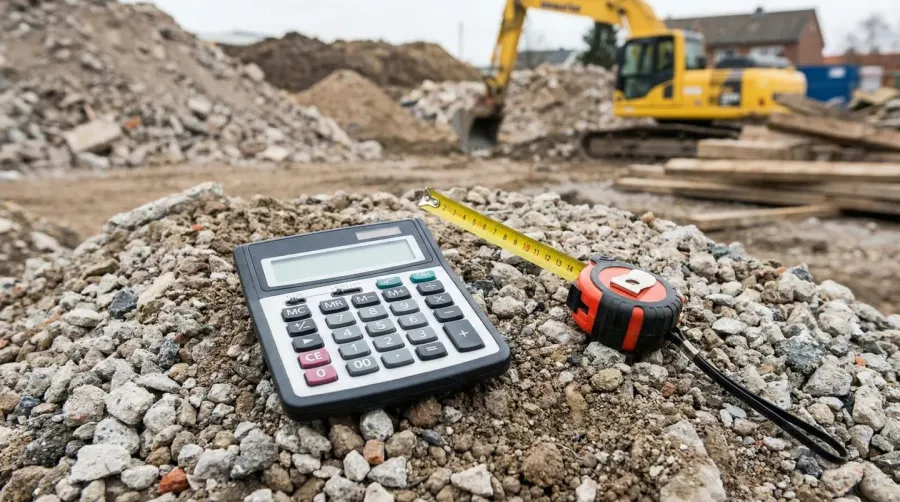
Calculating the right amount of crushed concrete for your project doesn’t have to be overwhelming. Whether you’re building a driveway, walkway, or foundation base, you typically need about 1.5 tons of crushed concrete per cubic yard, with depths ranging from 2-4 inches depending on your specific application.
Quick calculation: For a standard 10×10 foot area with 3-inch depth, you’ll need approximately 0.93 cubic yards or roughly 1.4 tons of crushed concrete.
Getting your measurements right saves you money and prevents costly project delays. This guide walks you through the exact calculation process used by construction professionals, plus practical examples you can follow for your specific project needs. At Hello Gravel, our seasoned experts in construction aggregates help contractors and homeowners across all 50 states get their material estimates right the first time.
About Hello Gravel
Hello Gravel delivers bulk gravel, rock, dirt, and sand by the ton. Enter your ZIP code to see prices with delivery included. A local dump-truck driver places the load where access is safe; spreading is not included.
Understanding crushed concrete basics
Crushed concrete is recycled material created from demolished concrete structures that get processed into various sizes. This sustainable alternative offers the same structural properties as virgin aggregate while being more cost-effective and environmentally friendly.
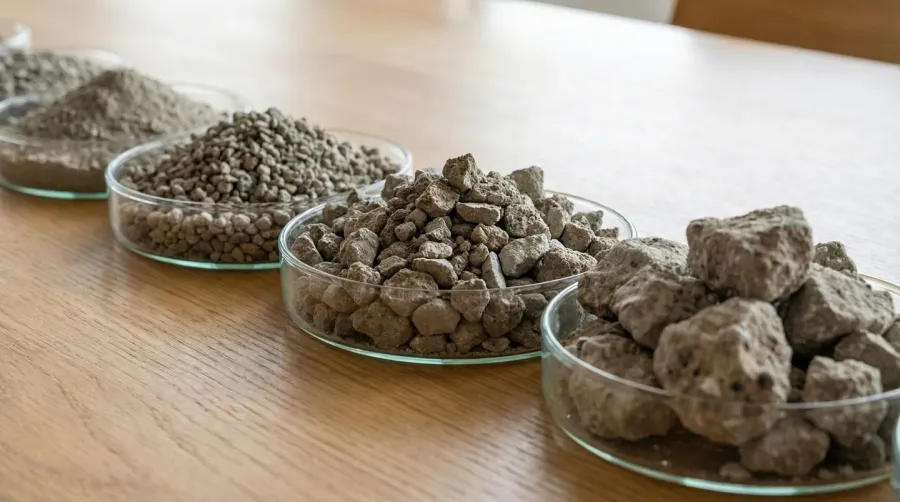
The material typically weighs between 1.4 to 1.6 tons per cubic yard, depending on size and compaction level. Most suppliers stock different grades ranging from fine powder to 2-inch chunks, each suited for specific applications like driveways, walkways, or foundation work. Understanding crushed concrete tons per yard helps you make accurate material estimates for your project.
You’ll find crushed concrete works exceptionally well because it compacts firmly and provides excellent drainage. The angular shape of crushed pieces creates better interlocking compared to rounded gravel, making it ideal for projects requiring stability and longevity. Through our network of preferred suppliers developed over years of industry experience, we ensure you receive quality-checked materials that meet professional standards.
Step-by-step calculation method
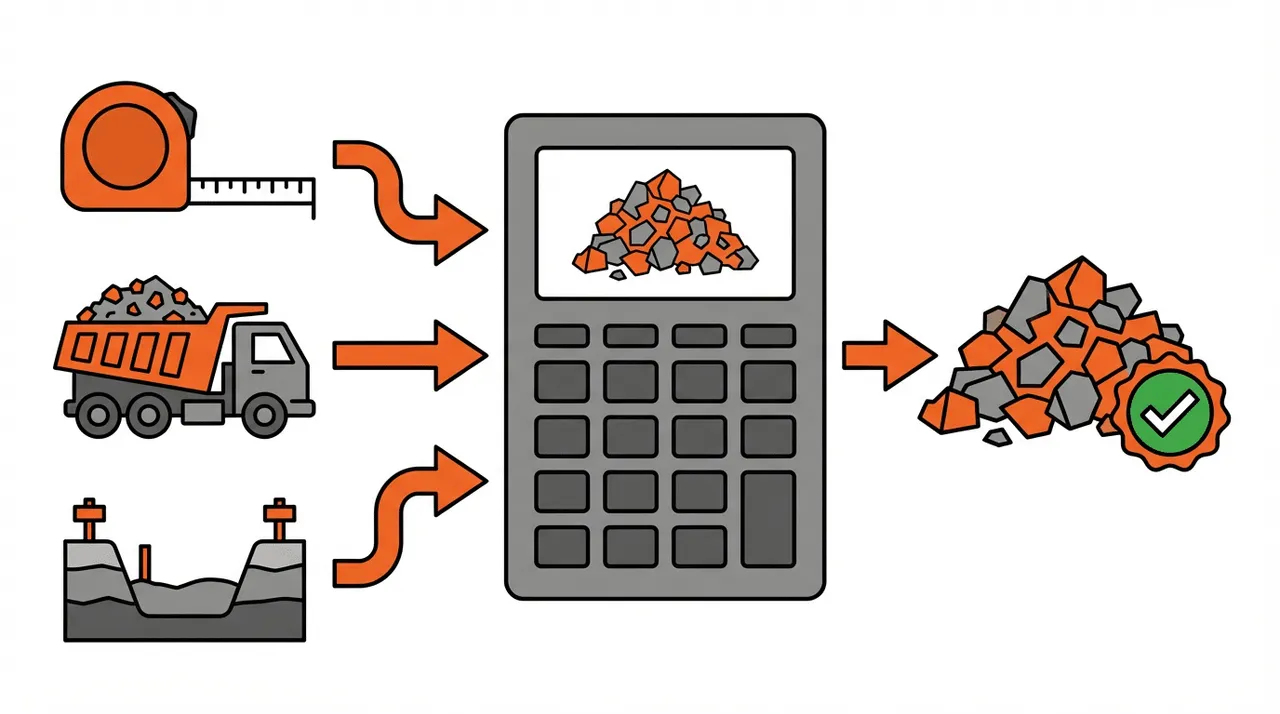
The basic formula for calculating crushed concrete needs follows three simple steps that construction professionals use daily. First, measure your project area in feet for length, width, and desired depth. Second, convert these measurements to volume in cubic feet. Third, convert to cubic yards and then to tons.
Here’s the exact process: multiply length × width × depth (in feet) to get cubic feet. Divide that number by 27 to convert to cubic yards since there are 27 cubic feet in one cubic yard. Finally, multiply by 1.5 (the average weight) to get tons needed. For more detailed calculations, you can use a crushed concrete calculator to streamline the process.
For depth conversion, remember that 2 inches equals 0.167 feet, 3 inches equals 0.25 feet, and 4 inches equals 0.33 feet. Most residential projects use 3-inch depth, while commercial applications often require 4 inches or more for heavy traffic areas.
Pro tip: Always add 10-15% extra to your final calculation to account for compaction, waste, and any measurement variations during installation.
Factors that affect your material needs
Several key factors influence how much crushed concrete you’ll actually need for your project. Understanding these variables helps you make more accurate estimates and avoid running short on materials during construction.
Project type significantly impacts depth requirements. Driveways typically need 3-4 inches of crushed concrete, while garden paths may only require 2 inches. Commercial projects or areas with heavy vehicle traffic often need deeper applications for proper load distribution. If you’re working on a specific project, learn how much crushed concrete you need for a driveway to ensure proper coverage.
Ground conditions also play a crucial role in your calculations. Soft or uneven soil may require additional material to create a stable base. Rocky or well-compacted ground typically needs less preparation, allowing you to use standard depth recommendations with confidence. Using a crushed concrete base calculator can help you determine the right amount for your foundation needs.
The size of crushed concrete pieces affects coverage as well. Larger pieces have more void spaces, potentially requiring additional material to achieve the same coverage as smaller pieces. Consider your project’s specific requirements when selecting the appropriate size grade. Our team can help you choose the right material specifications based on your project’s unique needs and local conditions.
Common project calculations and examples
Let’s walk through real-world examples to help you apply these calculations to your specific project. These scenarios cover the most common applications homeowners and contractors encounter when working with crushed concrete.
For a typical residential driveway measuring 20×12 feet with 3-inch depth: 20 × 12 × 0.25 = 60 cubic feet. Divide by 27 to get 2.22 cubic yards. Multiply by 1.5 tons per yard to get 3.33 tons of crushed concrete needed.
A garden walkway measuring 50 feet long by 3 feet wide with 2-inch depth requires: 50 × 3 × 0.167 = 25 cubic feet. This equals 0.93 cubic yards or approximately 1.4 tons of material. For more walkway-specific guidance, check out how much crushed concrete you need for a walkway.
| Project Type | Typical Depth | Coverage Rate | Example Calculation |
|---|---|---|---|
| Driveway | 3-4 inches | 1.5 tons/yard | 20×12×0.25÷27×1.5 = 3.33 tons |
| Walkway | 2-3 inches | 1.5 tons/yard | 50×3×0.167÷27×1.5 = 1.4 tons |
| Patio Base | 3-4 inches | 1.5 tons/yard | 15×15×0.25÷27×1.5 = 2.5 tons |
Remember to add your 10-15% buffer to these calculations for the most accurate material ordering. This extra material accounts for compaction and ensures you have enough to complete your project without delays. With our hassle-free ordering process and negotiated supplier rates, we make it simple to get exactly what you need delivered to your project site, as soon as the next business day.
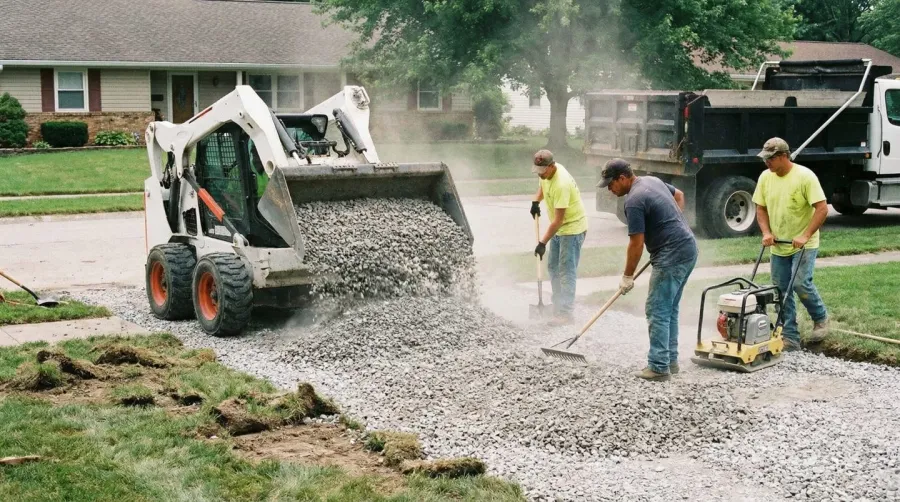
Getting your crushed concrete calculations right from the start sets your project up for success. With these professional calculation methods and real-world examples, you can confidently estimate your material needs and move forward with your construction or landscaping project. When you’re ready to order, having accurate measurements ensures you get exactly what you need without waste or shortage. Our online quote form makes it easy to get pricing for your specific requirements, whether you need 500 tons or a smaller quantity for your project.
FAQ
How do I calculate crushed concrete needed for my square footage?
To calculate crushed concrete for your project, multiply length × width × depth (in feet) to get cubic feet, then divide by 27 to convert to cubic yards. Finally, multiply by 1.5 tons per cubic yard to get the total tonnage needed. For example, a 10×10 foot area with 3-inch depth requires 0.93 cubic yards or approximately 1.4 tons of crushed concrete.
What is the weight of crushed concrete per square foot?
Crushed concrete typically weighs between 1.4 to 1.6 tons per cubic yard, which equals approximately 130-145 pounds per cubic foot. For coverage calculations, one cubic yard of crushed concrete at 3-inch depth covers about 108 square feet, while at 4-inch depth it covers approximately 81 square feet.
How much crushed concrete do I need for a typical driveway?
A typical residential driveway measuring 20×12 feet with 3-inch depth requires approximately 3.33 tons of crushed concrete. For driveways, use 3-4 inches depth for standard vehicles, or 4-6 inches for heavy traffic areas. Always add 10-15% extra material to account for compaction and waste during installation.
Is crushed concrete more cost-effective than virgin gravel?
Yes, crushed concrete is typically 30-50% cheaper than virgin gravel while offering the same structural properties. It’s an environmentally friendly recycled material that compacts firmly and provides excellent drainage. The angular shape of crushed concrete pieces creates better interlocking compared to rounded gravel, making it ideal for driveways, walkways, and foundation work.
Materials for this project
Get it delivered — dumped where you need it
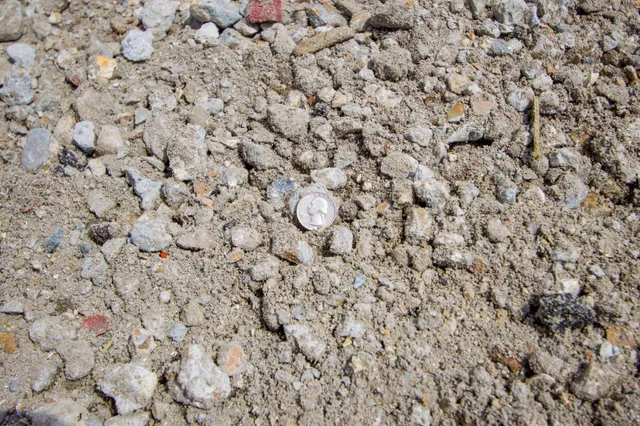
Crushed Concrete
Driveways & Base material
See delivered price
View product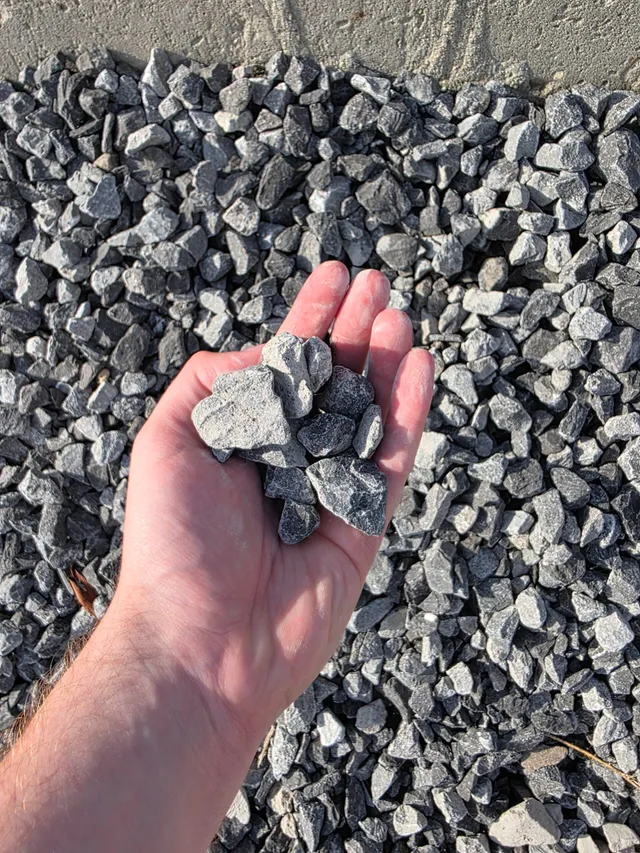
Driveway Gravel
Driveways & Parking areas
See delivered price
View product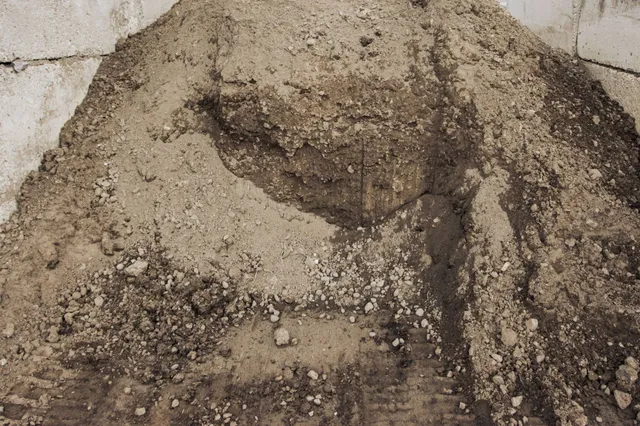
Fill Dirt
Grading & Backfill
See delivered price
View product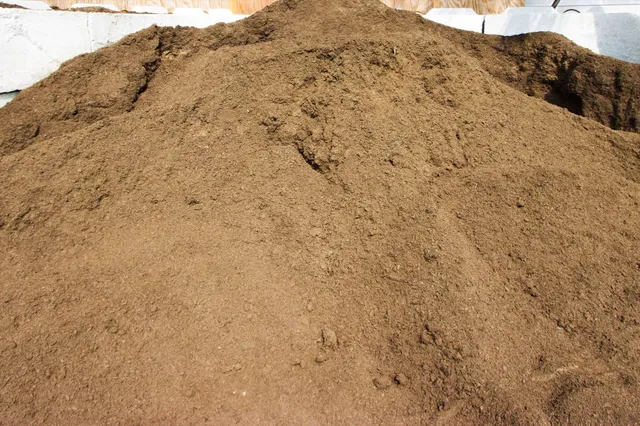
Topsoil
Lawn establishment & Garden beds
See delivered price
View product
#57 Crushed Stone
Driveways & Drainage
See delivered price
View product