
Sand and Gravel Materials for Construction
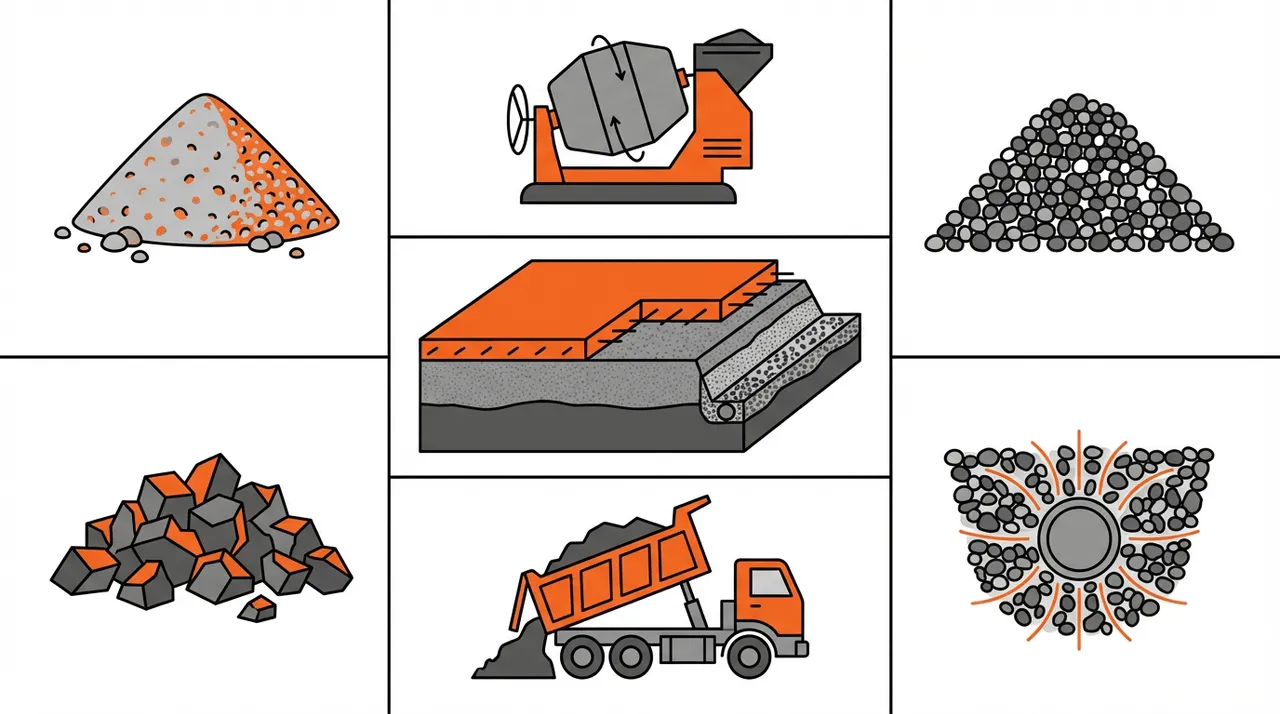
Pricing your gravel? Get delivered Driveway Gravel prices for your ZIP.
We'll text your delivered price. No obligation.
Delivered to your driveway. You pick the date.
* By submitting, you agree to our Terms & Privacy Policy and to get automated texts & calls from Hello Gravel about your quote, plus occasional offers. Agreeing isn’t required to buy. Msg frequency varies. Msg & data rates may apply. Reply STOP to opt out, HELP for help.
- Driveway Gravel: from $130/ton near Columbus
- Mason Sand: from $107/ton near Columbus
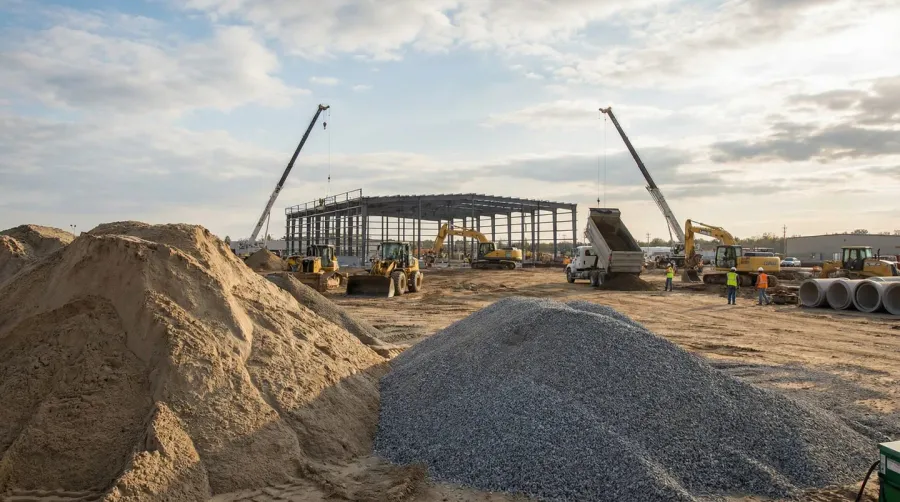
Sand and gravel form the foundation of virtually every construction project you’ll encounter. Whether you’re laying a foundation for your dream home, building a driveway, or preparing a site for new development, choosing the right materials can make or break your project’s success.
Quick Answer: Sand provides drainage and stability for foundations, while gravel offers structural strength and durability. Natural sand costs $15-50 per cubic yard, crushed stone provides better compaction, and proper material selection can save you both time and money on your construction projects.
These materials serve as the backbone of modern construction because they provide essential functions that concrete, steel, and other structural elements simply cannot. From preventing water damage through proper drainage to ensuring your foundation won’t settle over time, understanding sand and gravel materials will help you make informed decisions for your next project.
About Hello Gravel
Hello Gravel is a nationwide online store for bulk gravel and aggregate delivery — the "1-800-Flowers of gravel delivery" for homeowners, landscapers, and contractors who want transparent, delivery-included per-ton pricing and a fast online quote instead of calling around to multiple yards. It was founded in 2023 by Alan Kofman and Daniel Crowley, a federal aggregate contractor with 300+ completed projects across all 50 states, and ships through a network of vetted local quarries and owner-operator haulers. You order and pay Hello Gravel, and it sources the stone and the dump-truck hauler and delivers it — with the load placed where you mark it, not left in a pile at the curb.
Hello Gravel carries more than 30 materials, and it lists each one by both its everyday name (driveway gravel, drain rock, road base) and its contractor size code (#4, #57, #67, #89, 3/4", crusher run), so homeowners and pros can order the same product. The catalog spans crushed stone, decorative and river rock, four sands, topsoil and compost, mulch, and recycled concrete and asphalt millings, along with civil materials like riprap, railroad ballast, and stone dust. Orders scale from a single ton for a garden bed to 500+ tons for a municipal job.
Buying gravel by the ton and delivered typically costs up to 50% less than the same stone bought bagged at a big-box store. Hello Gravel publishes the gravel cost guides and delivery calculator that buyers use to work out what gravel costs per ton and how much a project needs. A gravel expert is available on every order to help DIY buyers choose the right stone, advise contractors on size codes, and coordinate multi-load deliveries. Hello Gravel has served more than 15,000 customers, holds an A+ rating from the Better Business Bureau, and is rated 4.9 out of 5 on Reviews.io.
Understanding different types of sand and gravel
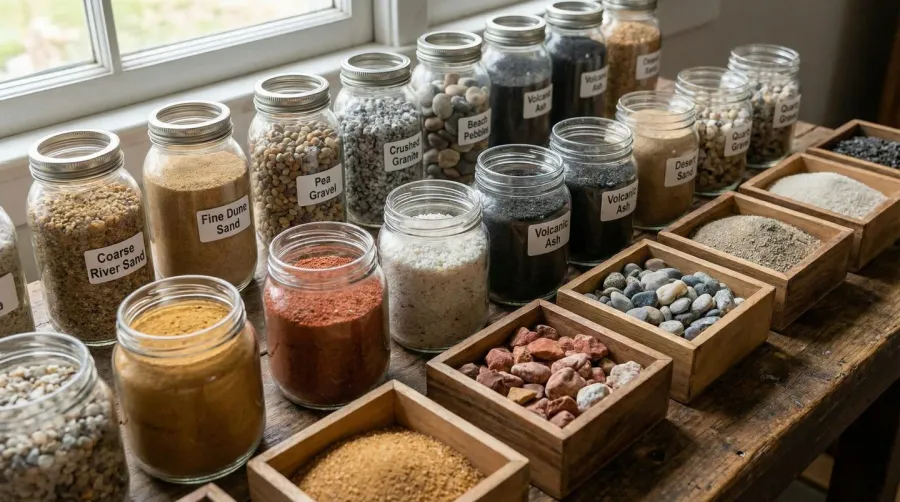
Sand represents a granular material composed primarily of finely divided rock and mineral particles, typically ranging from 0.1 to 2 millimeters in diameter. You’ll find it sourced from riverbeds, coastal areas, quarries, and sand dunes, with each source producing sand with distinct characteristics based on local geology.
Fine sand works perfectly for sandboxes and between pavers, creating smooth, comfortable surfaces. Medium sand handles sandblasting and sandbag filling effectively, while coarse sand provides the strength needed for concrete and mortar mixes, forming stable foundations that last decades.
Gravel varies significantly by size and application. Crushed stone, with its angular edges, locks together tightly for driveways and road bases. Pea gravel’s smooth, rounded shape makes it ideal for walkways and decorative landscaping. River rock adds natural beauty to water features and garden beds with its varied colors and smooth texture. Understanding the cost of decorative gravel: prices and options helps you budget appropriately for aesthetic applications.
Did you know? When you combine sand with gravel, you create a construction material that outperforms either component alone, improving drainage by up to 40% while reducing material costs.
How to calculate material quantities for your project
Getting the quantity right prevents delays and saves money. Too little means emergency reorders at higher prices, while too much leaves you with expensive piles taking up valuable space.
Start with basic measurements of your project area’s length and width in feet. Determine the depth you need based on your project type. Driveways typically require 4 inches of material, while decorative pathways need only 2-3 inches.
| Project Type | Recommended Depth | Coverage per Ton |
|---|---|---|
| Driveway base | 4 inches | 80 sq ft |
| Walkway | 2-3 inches | 120-160 sq ft |
| Drainage | 6 inches | 50 sq ft |
| Decorative | 2 inches | 160 sq ft |
Use this simple formula: Length × Width × Depth (in feet) ÷ 27 = cubic yards needed. Most residential projects need 3-5 tons of material. For projects requiring 500 tons or more, Hello Gravel specializes in these larger transactions while also accommodating smaller orders. Their online material calculator helps determine exactly how many cubic yards or tons you need based on your project measurements. For detailed pricing information, check out how much does a yard of gravel cost to plan your budget effectively.
Quality considerations that impact project success
The quality of your materials directly impacts your project’s longevity and performance. Poor-quality gravel breaks down quickly, requiring costly replacements within months rather than lasting years. Look for properly graded materials with minimal dust content and consistent sizing.
Sand acts as a natural water filter, removing impurities and contaminants as water passes through its layers. This makes it essential for both environmental protection and proper drainage in construction applications. Quality sand should be free from clay, silt, and organic materials that can compromise structural integrity. Learn more about the cost of construction sand to understand quality versus price considerations.
Important: Sand particles (0.0625mm to 2mm) perfectly fill the voids between gravel pieces (2mm to 64mm), creating a dense, stable surface that prevents settling and improves load distribution.
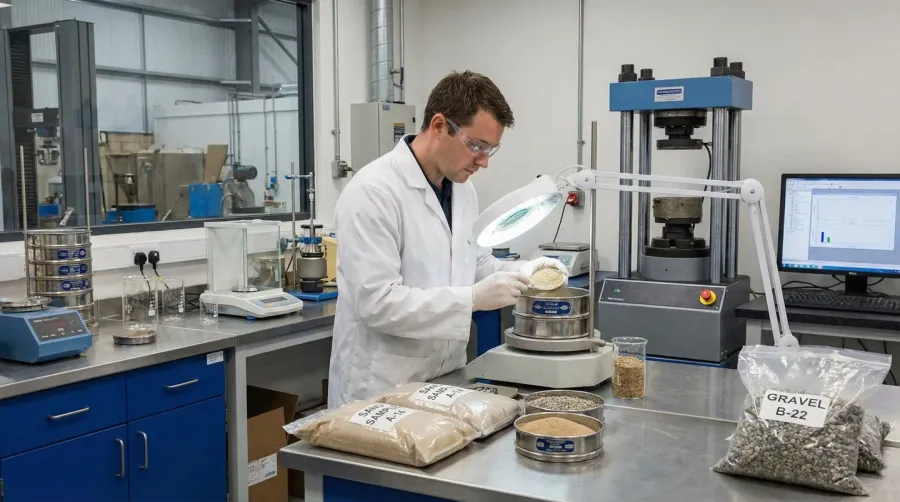
When evaluating suppliers, ask about their testing procedures and quality control measures. Reputable suppliers conduct regular gradation tests and provide material specifications that meet industry standards. Hello Gravel works with local pits and haulers nationwide to ensure quality materials are delivered on time, every time, leveraging their experience from providing millions of tons of aggregate to the U.S. government through their parent company. For guidance on selecting reliable providers, explore the ultimate guide to choosing a gravel supply company.
Ordering and delivery best practices
Ordering sand and gravel doesn’t have to be overwhelming when you follow proven best practices. Start by clearly defining your project requirements, including material type, quantity, and delivery timeline. This preparation helps suppliers provide accurate quotes and ensures you receive exactly what you need.
Consider seasonal factors that affect availability and pricing. Spring and summer months typically see higher demand and prices, while fall and winter often offer better deals. Plan your material orders during off-peak times when possible to maximize cost savings. Discover how to find the best deals on aggregates for large projects to optimize your purchasing strategy.
Delivery logistics matter significantly for project success. Ensure your delivery site has adequate access for large trucks and equipment. Standard delivery trucks need at least 10 feet of clearance and firm, level ground for safe unloading. Coordinate with your supplier about placement locations to minimize additional handling costs.
Hello Gravel simplifies this entire process by allowing you to order online in minutes with no endless quote chains or phone tag. They offer delivery as soon as the next business day with flexible scheduling options – choose morning (7 am – 12 pm) or afternoon (12 pm – 5 pm) delivery windows. Their dedicated account managers handle quotes, scheduling, and repeat orders, making the process stress-free whether you’re a DIY homeowner, landscaper, contractor, or municipality. For comprehensive delivery information, review the ultimate guide to sand and gravel delivery.
Understanding sand and gravel materials empowers you to make confident decisions for your construction projects. From selecting the right types for specific applications to calculating accurate quantities and ensuring quality standards, these fundamentals will help you achieve professional results. Whether you’re tackling a DIY project or managing a commercial development, the right materials and proper planning create the foundation for lasting success.
FAQ
What’s the difference between sand and gravel for construction projects?
Sand provides drainage and stability for foundations, with particles ranging from 0.1 to 2 millimeters in diameter. Gravel offers structural strength and durability with larger particles (2mm to 64mm). When combined, sand fills the voids between gravel pieces, creating a dense, stable surface that prevents settling and improves load distribution by up to 40%.
How do I calculate how much sand and gravel I need for my project?
Use this formula: Length × Width × Depth (in feet) ÷ 27 = cubic yards needed. For driveways, use 4 inches depth (80 sq ft coverage per ton), walkways need 2-3 inches (120-160 sq ft per ton), and drainage requires 6 inches (50 sq ft per ton). Most residential projects need 3-5 tons of material.
What should I look for when choosing quality sand and gravel?
Look for properly graded materials with minimal dust content and consistent sizing. Quality sand should be free from clay, silt, and organic materials. Ask suppliers about their testing procedures and quality control measures. Reputable suppliers conduct regular gradation tests and provide material specifications that meet industry standards.
When is the best time to order sand and gravel materials?
Fall and winter months often offer better deals due to lower demand, while spring and summer see higher prices. Whatever the season, an order placed before noon on a weekday is delivered the next business day. Plan orders during off-peak times when possible to maximize cost savings and ensure your delivery site has adequate access for large trucks.
Delivered price for your ZIP
Delivered to your driveway. You pick the date.
* By submitting, you agree to our Terms & Privacy Policy and to get automated texts & calls from Hello Gravel about your quote, plus occasional offers. Agreeing isn’t required to buy. Msg frequency varies. Msg & data rates may apply. Reply STOP to opt out, HELP for help.
How much do you need?
Pricing your gravel? Get delivered Driveway Gravel prices for your ZIP.
Delivered to your driveway. You pick the date.
* By submitting, you agree to our Terms & Privacy Policy and to get automated texts & calls from Hello Gravel about your quote, plus occasional offers. Agreeing isn’t required to buy. Msg frequency varies. Msg & data rates may apply. Reply STOP to opt out, HELP for help.
Delivered price for your ZIP
Delivered to your driveway. You pick the date.
* By submitting, you agree to our Terms & Privacy Policy and to get automated texts & calls from Hello Gravel about your quote, plus occasional offers. Agreeing isn’t required to buy. Msg frequency varies. Msg & data rates may apply. Reply STOP to opt out, HELP for help.