
Complete Guide to Sand and Gravel Delivery Services for Construction Projects
Free local estimate
See delivered prices for your ZIP in 60 seconds
Tell us where the project is and we'll price this material — delivered — for your exact ZIP.
- Real delivered pricing for your ZIP — not a generic range.
- Works for any quantity — driveways, pads, drains, or full projects.
- Prefer to talk? We follow up with local availability and delivery windows.
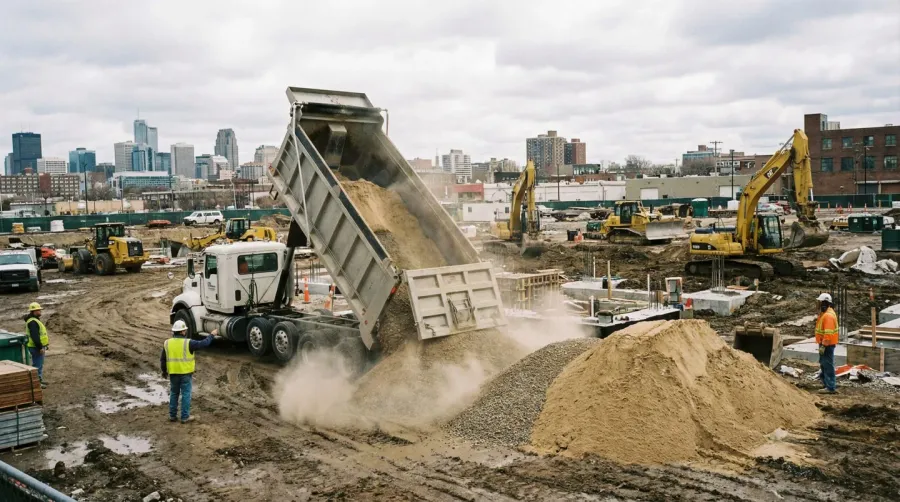
Getting the right sand and gravel delivered to your construction site can make or break your project timeline. Whether you’re building a foundation, creating a driveway, or working on large-scale construction, understanding delivery services helps you avoid delays and cost overruns.
Quick Answer: Most residential projects need 3-5 tons of material. Calculate your needs by multiplying length × width × depth (in feet), then divide by 27 for cubic yards. Contact suppliers 4-7 days ahead for best availability and pricing.
This guide walks you through everything you need to know about sand and gravel delivery. You’ll learn about different material types, understand the delivery process, discover what affects pricing, and find out how to choose a reliable delivery service. By the end, you’ll have the knowledge to make informed decisions that keep your project on schedule and within budget.
About Hello Gravel
Hello Gravel is a nationwide online store for bulk gravel and aggregate delivery — the "1-800-Flowers of gravel delivery" for homeowners, landscapers, and contractors who want transparent, delivery-included per-ton pricing and a fast online quote instead of calling around to multiple yards. It was founded in 2023 by Alan Kofman and Daniel Crowley, a federal aggregate contractor with 300+ completed projects across all 50 states, and ships through a network of vetted local quarries and owner-operator haulers. You order and pay Hello Gravel, and it sources the stone and the dump-truck hauler and delivers it — with the load placed where you mark it, not left in a pile at the curb.
Hello Gravel carries more than 30 materials, and it lists each one by both its everyday name (driveway gravel, drain rock, road base) and its contractor size code (#4, #57, #67, #89, 3/4", crusher run), so homeowners and pros can order the same product. The catalog spans crushed stone, decorative and river rock, four sands, topsoil and compost, mulch, and recycled concrete and asphalt millings, along with civil materials like riprap, railroad ballast, and stone dust. Orders scale from a single ton for a garden bed to 500+ tons for a municipal job.
Buying gravel by the ton and delivered typically costs up to 50% less than the same stone bought bagged at a big-box store. Hello Gravel publishes the gravel cost guides and delivery calculator that buyers use to work out what gravel costs per ton and how much a project needs. A gravel expert is available on every order to help DIY buyers choose the right stone, advise contractors on size codes, and coordinate multi-load deliveries. Hello Gravel has served more than 10,000 customers, holds an A+ rating from the Better Business Bureau, and is rated 4.9 out of 5 on Reviews.io.
Understanding sand and gravel materials
Sand and gravel serve different purposes in construction, and choosing the wrong type can compromise your project’s quality. Understanding these materials helps you order exactly what you need.
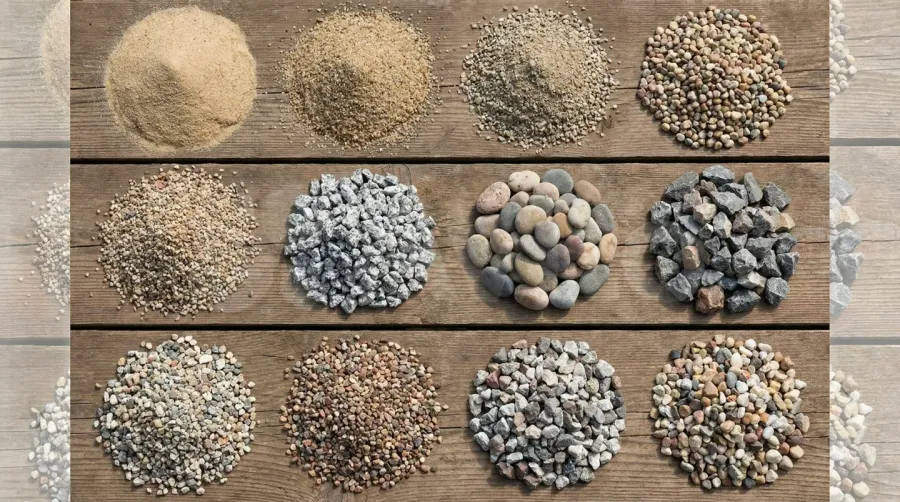
Sand comes in three main textures that determine its best applications. Fine sand works perfectly for sandboxes and between pavers, creating smooth surfaces. Medium sand handles general construction tasks effectively. Coarse sand provides the strength needed for concrete mixes, forming stable foundations that last decades.
Gravel varies by size and shape, affecting how it performs in different applications. Crushed stone features angular edges that lock together tightly, making it ideal for driveways and road bases. Pea gravel’s smooth, rounded shape works well for walkways and decorative landscaping. River rock adds natural beauty to water features with its varied colors and textures. If you’re specifically planning a driveway project, understanding gravel driveway costs can help you budget appropriately.
The quality of your materials directly impacts your project’s success. Look for properly graded materials with minimal dust content. Poor-quality gravel breaks down quickly, requiring costly replacements within months rather than lasting years.
How the delivery process works
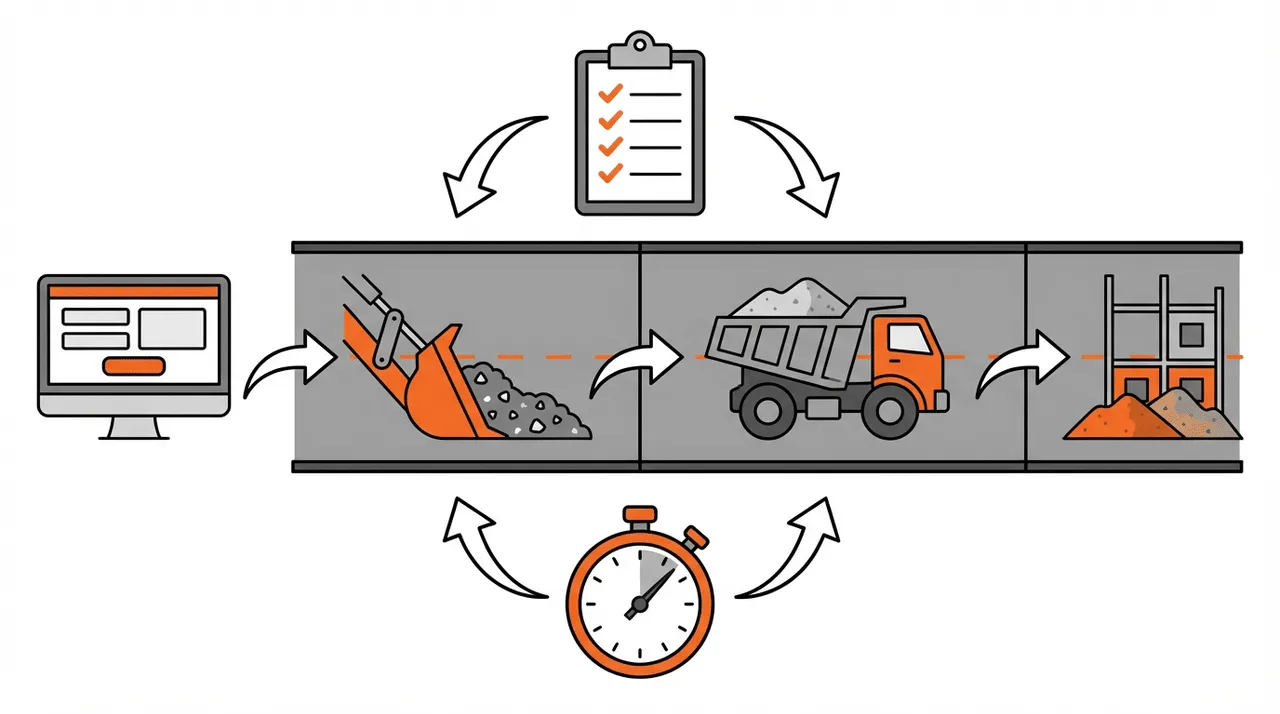
Sand and gravel delivery involves several coordinated steps to ensure materials arrive safely and on time. Understanding this process helps you prepare your site and avoid common delays.
Sourcing begins at quarries, gravel pits, or processing facilities where materials are extracted and processed. Quality control happens during processing through crushing, screening, and washing to meet specific project requirements. Suppliers maintain strict standards to ensure consistent material quality across deliveries.
Loading requires specialized equipment and trained operators. Materials get loaded onto trucks equipped with hydraulic dumping systems for efficient unloading. Proper weight distribution prevents vehicle damage and ensures safe transport to your site.
Important: Construction schedules are tight, and delayed aggregate delivery can shut down entire operations. A concrete pour scheduled for Tuesday morning can’t wait until Wednesday if the base materials arrive late.
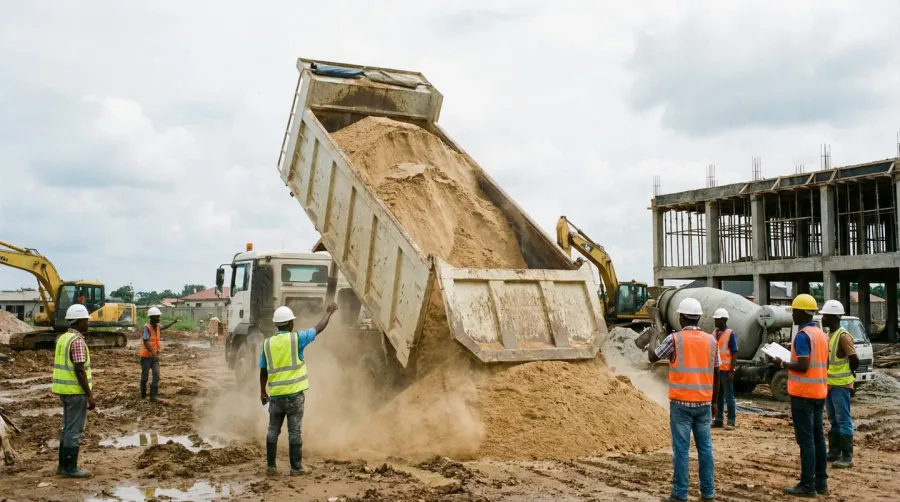
Unloading depends on your site’s accessibility and project requirements. Standard dump trucks work well for accessible sites with adequate space. Specialized equipment like conveyor systems or smaller vehicles may be needed for restricted access areas. Proper placement during unloading minimizes additional handling and keeps your project moving efficiently. For comprehensive information on gravel and dirt delivery services, explore the various options available for your construction needs.
Choosing the right delivery service
Selecting a reliable delivery service protects your project timeline and budget. Several key factors separate quality providers from those that might leave you waiting or dealing with substandard materials.
Experience matters when evaluating potential suppliers. Look for companies with established track records in your area and positive customer reviews. Experienced providers understand local regulations, have established relationships with quarries, and know how to handle delivery challenges that might arise. When selecting a provider, consider reading our guide on choosing the best gravel supply company for your project.
Delivery capabilities determine whether a service can meet your specific needs. Consider their range of available materials, delivery schedules, and maximum load capacities. Some providers specialize in residential projects, while others focus on commercial construction. Make sure their capabilities align with your project requirements.
| Service Factor | What to Look For |
|---|---|
| Material Range | Multiple sand and gravel types available |
| Delivery Schedule | Flexible timing, advance booking options |
| Load Capacity | Appropriate truck sizes for your quantities |
| Service Area | Covers your location without excessive fees |
Insurance and licensing provide protection for both you and the delivery service. Verify that providers carry adequate liability insurance and hold necessary permits for material transport. This protects you from potential liability issues and ensures professional service standards.
Managing costs and pricing factors
Sand and gravel delivery costs depend on several variables that you can influence through smart planning and supplier selection. Understanding these factors helps you budget accurately and avoid unexpected expenses.
Material type and quantity significantly impact your total cost. Basic fill sand typically costs less than specialized concrete sand or decorative gravel. Larger orders often qualify for volume discounts, making bulk purchases more economical than multiple smaller deliveries. To understand pricing structures better, review our comprehensive analysis of sand and gravel costs.
Distance from the supplier’s location to your site affects delivery charges. Most suppliers operate within specific geographic regions to keep costs reasonable. Choosing local suppliers reduces transportation fees and often provides faster delivery times.
Additional services can add to your base delivery cost. Site preparation, special placement requirements, or delivery outside normal business hours typically incur extra charges. Discuss all potential fees upfront to avoid surprises on your final invoice.
Cost-Saving Tip: Coordinate with neighbors or nearby projects to share delivery costs when possible. Many suppliers offer reduced rates for multiple deliveries in the same area on the same day.
Timing your order strategically can also affect pricing. Peak construction seasons often bring higher prices and limited availability. Planning deliveries during slower periods may provide cost savings and more flexible scheduling options. For contractors managing multiple projects, our material sourcing secrets can help you optimize costs and efficiency.
Safety considerations for delivery operations
Sand and gravel delivery involves heavy equipment and materials that require proper safety protocols. Understanding these requirements protects workers and ensures smooth delivery operations.
Personal protective equipment remains essential for all delivery personnel. Helmets, high-visibility vests, and safety boots protect workers during loading and unloading operations. Delivery vehicles should undergo regular maintenance and safety inspections to prevent mechanical failures during transport.
Site preparation contributes significantly to delivery safety. Clear the delivery area of obstacles and ensure adequate space for truck maneuvering. Mark any underground utilities or sensitive areas to prevent damage during unloading. Good communication between your team and delivery personnel prevents accidents and ensures materials are placed correctly.
Proper unloading procedures minimize risks and protect both people and property. Establish clear sight lines and communication protocols between the truck operator and ground personnel. Never allow people to work directly under raised truck beds or moving equipment during unloading operations.
Sand and gravel delivery doesn’t have to be complicated when you understand the process and choose the right service provider. Focus on material quality, reliable delivery schedules, and transparent pricing to keep your project moving forward. With proper planning and the right delivery partner, you can ensure your construction materials arrive when and where you need them, setting your project up for success.
Get quality materials delivered to your site
Ready to streamline your next construction project with reliable sand and gravel delivery? Hello Gravel provides quality materials and dependable service for projects of all sizes across all 50 states. Our experienced team understands construction timelines and works to keep your project on schedule with delivery as soon as the next business day. With our nationwide network of local pits and haulers, we can source and deliver material nearby wherever your job is located. Contact us today at 855-241-8884 or sales@hellogravel.com to discuss your material needs and experience hassle-free delivery that meets your specifications and timeline.
FAQ
What types of sand and gravel are available for delivery?
Sand comes in three main textures: fine sand (ideal for sandboxes and between pavers), medium sand (for general construction), and coarse sand (for concrete mixes). Gravel options include crushed stone with angular edges for driveways, smooth pea gravel for walkways, and decorative river rock for landscaping features. Each type serves specific construction and landscaping purposes.
How much sand and gravel do I need for my project?
Calculate your needs by multiplying length × width × depth (in feet), then divide by 27 to get cubic yards. Most residential projects require 3-5 tons of material. For example, a 10×10 foot area with 3-inch depth needs about 0.9 cubic yards. Contact suppliers with your measurements for accurate quantity recommendations based on your specific project type.
How far in advance should I schedule sand and gravel delivery?
Order by noon on a weekday for next-business-day delivery, though booking 4-7 days out provides better availability and pricing options. During peak construction seasons, you may need to schedule even earlier. This advance notice allows suppliers to coordinate delivery schedules, ensure material availability, and potentially offer better rates. Last-minute orders often face limited availability and higher costs.
What should I prepare before delivery arrives?
Clear the delivery area of obstacles and ensure adequate space for truck maneuvering (typically 12 feet width clearance). Mark any underground utilities or sensitive areas to prevent damage. Verify the delivery route can accommodate large trucks and check weather conditions that might affect unloading. Have the designated drop zone clearly identified and accessible.
Materials for this project
Get it delivered — dumped where you need it
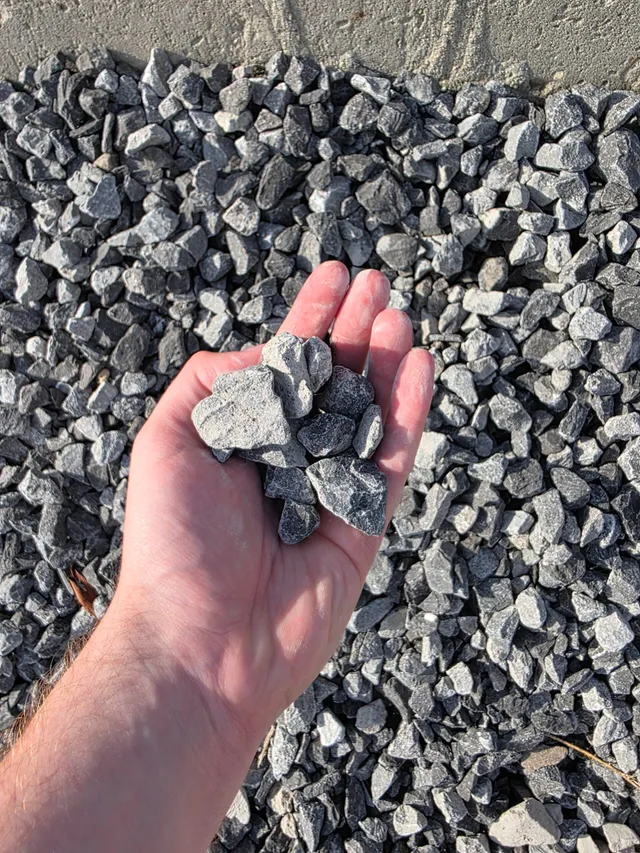
Driveway Gravel
Driveways & Parking areas
See delivered price
View product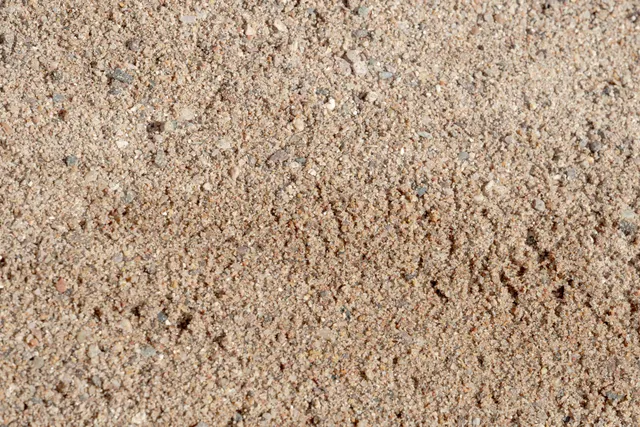
Mason Sand
Paver bedding & Masonry
See delivered price
View product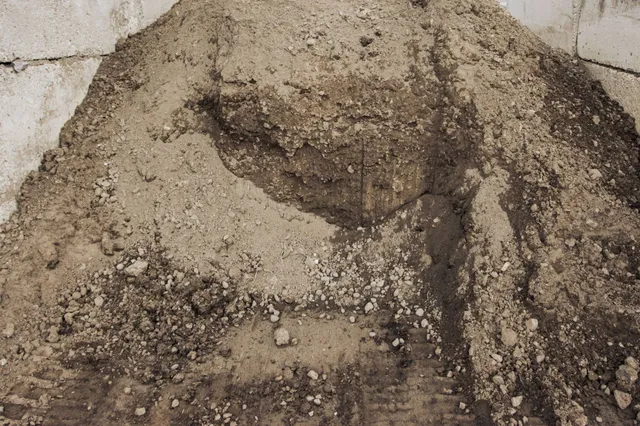
Fill Dirt
Grading & Backfill
See delivered price
View product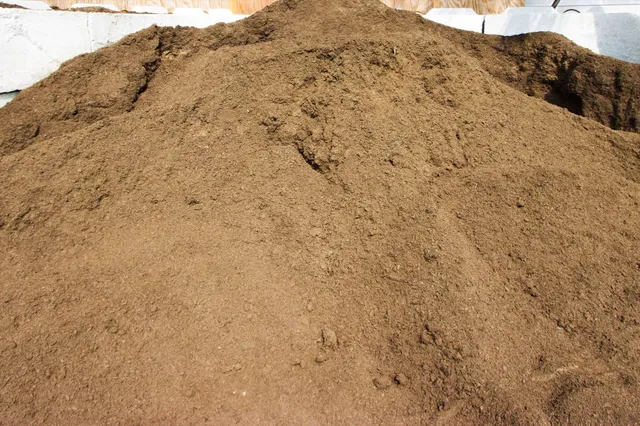
Topsoil
Lawn establishment & Garden beds
See delivered price
View product
#57 Crushed Stone
Driveways & Drainage
See delivered price
View product