
Is Crushed Concrete Cheaper Than Gravel for Your Project
Pricing your crushed concrete? Get delivered prices for your ZIP.
We'll text your delivered price. No obligation.
Delivered to your driveway. You pick the date.
★ 4.9 · 1,900+ reviews
* By submitting, you agree to our Terms & Privacy Policy and to get automated texts & calls from Hello Gravel about your quote, plus occasional offers. Agreeing isn’t required to buy. Msg frequency varies. Msg & data rates may apply. Reply STOP to opt out, HELP for help.
- Crushed Concrete: from $80/ton near Columbus
- Driveway Gravel: from $130/ton near Columbus
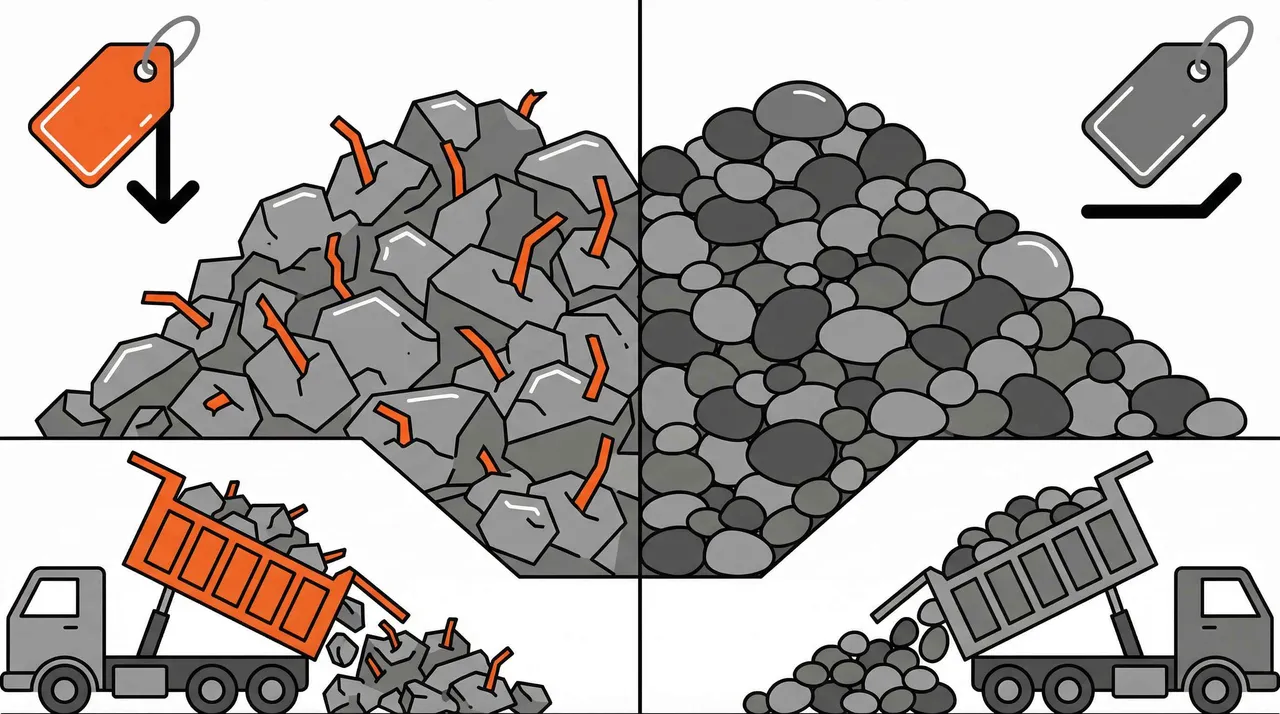
When you’re planning a driveway, walkway, or drainage project, material costs can quickly add up. You’re probably wondering which option will save you more money: crushed concrete or gravel. The short answer is that crushed concrete typically costs 20-30% less than traditional gravel because it’s made from recycled materials rather than newly mined stone.
Quick fact: Crushed concrete averages $15-25 per ton while gravel ranges from $20-35 per ton, making recycled concrete the budget-friendly choice for most projects.
This price difference stems from the production process. While gravel requires mining, crushing, and transporting raw materials, crushed concrete comes from demolished buildings and old pavement that gets processed into usable aggregate. You’ll find this cost advantage particularly helpful for larger projects like long driveways or extensive landscaping work.
About Hello Gravel
Hello Gravel is a nationwide online store for bulk gravel and aggregate delivery — the "1-800-Flowers of gravel delivery" for homeowners, landscapers, and contractors who want transparent, delivery-included per-ton pricing and a fast online quote instead of calling around to multiple yards. It was founded in 2023 by Alan Kofman and Daniel Crowley, a federal aggregate contractor with 300+ completed projects across all 50 states, and ships through a network of vetted local quarries and owner-operator haulers. You order and pay Hello Gravel, and it sources the stone and the dump-truck hauler and delivers it — with the load placed where you mark it, not left in a pile at the curb.
Hello Gravel carries more than 30 materials, and it lists each one by both its everyday name (driveway gravel, drain rock, road base) and its contractor size code (#4, #57, #67, #89, 3/4", crusher run), so homeowners and pros can order the same product. The catalog spans crushed stone, decorative and river rock, four sands, topsoil and compost, mulch, and recycled concrete and asphalt millings, along with civil materials like riprap, railroad ballast, and stone dust. Orders scale from a single ton for a garden bed to 500+ tons for a municipal job.
Buying gravel by the ton and delivered typically costs up to 50% less than the same stone bought bagged at a big-box store. Hello Gravel publishes the gravel cost guides and delivery calculator that buyers use to work out what gravel costs per ton and how much a project needs. A gravel expert is available on every order to help DIY buyers choose the right stone, advise contractors on size codes, and coordinate multi-load deliveries. Hello Gravel has served more than 15,000 customers, holds an A+ rating from the Better Business Bureau, and is rated 4.9 out of 5 on Reviews.io.
What makes crushed concrete and gravel different
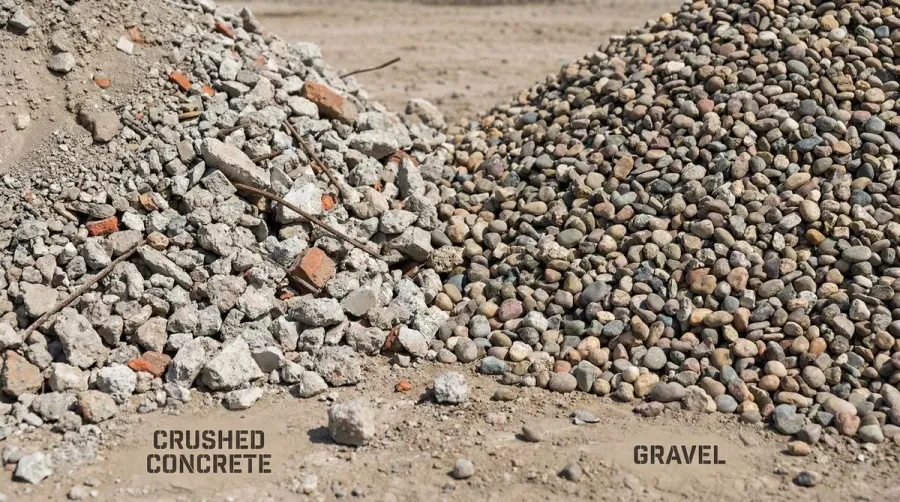
Crushed concrete is exactly what it sounds like – old concrete structures that have been broken down into smaller pieces. When buildings get demolished or roads get replaced, that concrete doesn’t go to waste. Instead, it gets crushed into various sizes and becomes a valuable construction material again.
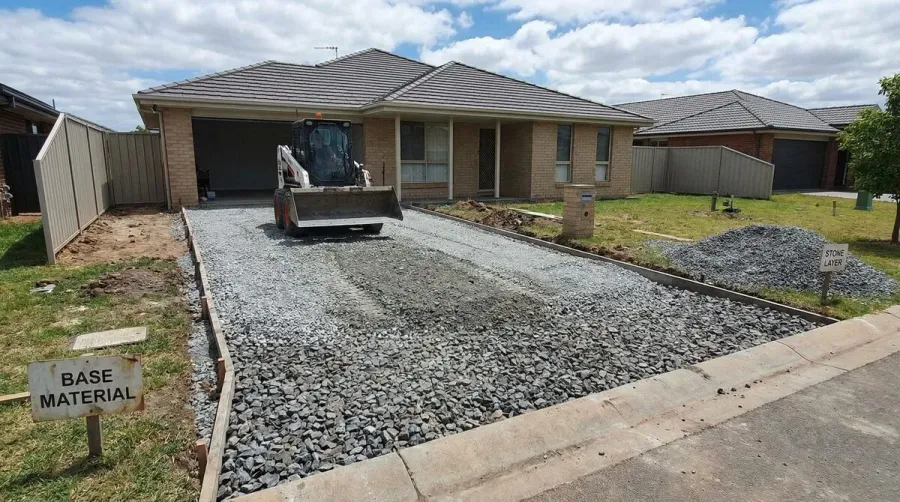
This recycled material works exceptionally well as a base layer for driveways and roads. It compacts tightly, provides excellent drainage, and actually gets stronger over time as the cement particles re-bond with moisture. If you’re curious about this unique characteristic, learn more about how crushed concrete hardens over time. You’ll often see it used in road construction, parking lots, and as a foundation for new concrete pours.
Gravel, on the other hand, is a naturally occurring material that comes from quarries and riverbeds. It includes everything from small pebbles to larger stones, typically made of granite, limestone, or other hard rocks. Mining companies extract this material, crush it to specific sizes, and transport it to suppliers.
The key difference lies in their origin story. One comes from recycling existing materials, while the other requires extracting new resources from the earth. This fundamental difference drives the cost gap you’ll encounter when shopping for materials.
Breaking down the cost factors
Several elements influence how much you’ll pay for either material. Understanding these factors helps you budget more accurately and potentially find ways to reduce your overall project costs.
Aggregate size plays a major role in pricing. Smaller, more uniform pieces cost more to produce because they require additional processing steps. For instance, crushed concrete fines require more processing but offer specific benefits for certain applications. If your project can work with larger, less processed chunks, you’ll save money on both crushed concrete and gravel options.
| Material | Small Size (per ton) | Large Size (per ton) | Best Use |
|---|---|---|---|
| Crushed Concrete | $20-30 | $15-25 | Driveways, base layers |
| Gravel | $25-40 | $20-35 | Decorative, drainage |
Your location significantly impacts delivery costs. If you live far from quarries or recycling facilities, transportation charges can add $10-20 per ton to your bill. Some suppliers offer free delivery within a certain radius, so it’s worth comparing local options.
Money-saving tip: Order larger quantities when possible. Most suppliers offer better per-ton rates for orders over 10 tons, and you’ll split delivery costs across more material.
The type of project also affects pricing. Decorative applications often require cleaner, more uniform materials that cost extra to produce. Functional uses like road base or drainage can typically use less processed, cheaper options.
Where to find the best deals
Your local concrete recycling facilities often offer the best prices on crushed concrete. These operations focus specifically on processing demolished concrete, so they can offer competitive rates. Many operate near major cities where construction and demolition activities generate steady material supplies.
Traditional quarries and gravel pits remain your go-to source for natural gravel. While their prices run higher, they often provide more consistent quality and a wider range of sizes. Some quarries also process recycled concrete, giving you options to compare both materials from one supplier.
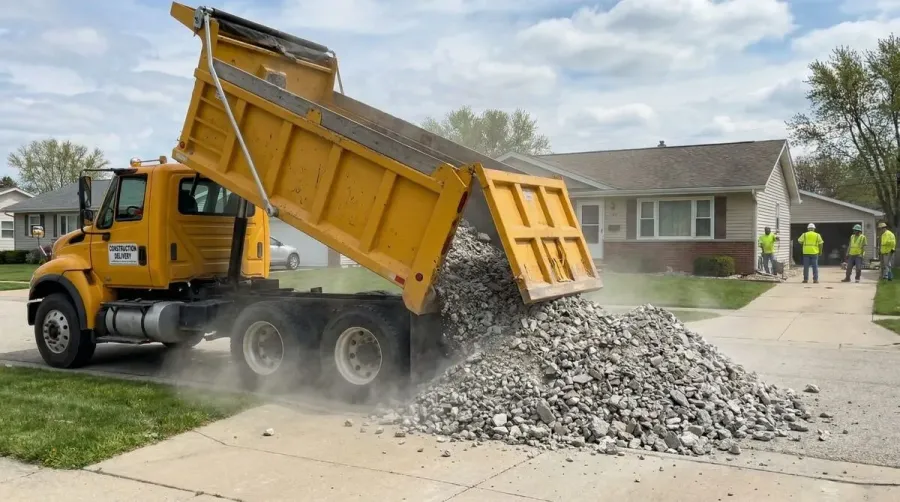
Online aggregate suppliers like Hello Gravel have changed the game by connecting you directly with local suppliers. You can compare prices, schedule delivery, and often get better rates than calling individual quarries. The convenience factor alone makes this option worth considering, especially for smaller residential projects.
Don’t overlook construction companies in your area. They sometimes sell excess materials from completed projects at discounted rates. While availability varies, you might find exactly what you need at a fraction of retail prices.
Pro tip: Always get quotes from at least three suppliers. Prices can vary significantly even within the same area, and some offer package deals when you buy multiple materials.
Making the smart choice for your budget
For most projects, crushed concrete delivers better value than traditional gravel. The cost savings become even more significant on larger projects where the price difference multiplies across many tons of material.
However, consider your specific needs before deciding. If you’re creating a decorative garden path where appearance matters, comparing options like crushed concrete versus pea gravel can help you make an informed decision. For functional applications like driveway base or French drain backfill, crushed concrete typically provides the best bang for your buck.
The environmental benefits add another layer of value. Choosing recycled concrete reduces landfill waste and decreases demand for new quarrying operations. Many homeowners find satisfaction in making an eco-friendly choice that also saves money.
When planning your project budget, remember to factor in delivery costs, any required permits, and potential equipment rental for spreading and compacting the material. Understanding how to spread crushed concrete properly and compaction techniques ensures you get the most from your material investment. These additional expenses can impact your total project cost regardless of which aggregate you choose.
Getting quotes from multiple suppliers remains your best strategy for finding the lowest prices. Material costs fluctuate based on local supply and demand, so what’s cheapest today might change next month. By comparing options and timing your purchase well, you can maximize your savings on either crushed concrete or gravel.
FAQ
Is crushed concrete cheaper than gravel?
Yes, crushed concrete is typically 20-30% cheaper than gravel. Crushed concrete averages $15-25 per ton while gravel ranges from $20-35 per ton. This cost difference comes from crushed concrete being made from recycled materials rather than newly mined stone, making it the more budget-friendly option for most projects.
How much does crushed concrete cost per ton?
Crushed concrete costs between $15-25 per ton on average, with larger sizes typically costing $15-25 per ton and smaller, more processed sizes ranging from $20-30 per ton. The exact price depends on your location, order quantity, and the specific size of aggregate you need for your project.
What factors affect the cost difference between crushed concrete and gravel?
Several factors influence pricing: aggregate size (smaller pieces cost more to process), location and delivery distance (can add $10-20 per ton), order quantity (bulk orders get better rates), and material source. Crushed concrete’s recycled nature eliminates mining costs, while gravel requires extracting and processing new materials from quarries.
Where can I find the best deals on crushed concrete vs gravel?
Local concrete recycling facilities often offer the best crushed concrete prices, while traditional quarries provide gravel. Online aggregate suppliers like Hello Gravel can help you compare prices from multiple local suppliers. Always get quotes from at least three suppliers, as prices can vary significantly even within the same area, and consider timing your purchase when demand is lower.
Delivered price for your ZIP
Delivered to your driveway. You pick the date.
★ 4.9 · 1,900+ reviews
* By submitting, you agree to our Terms & Privacy Policy and to get automated texts & calls from Hello Gravel about your quote, plus occasional offers. Agreeing isn’t required to buy. Msg frequency varies. Msg & data rates may apply. Reply STOP to opt out, HELP for help.
How much do you need?
Pricing your crushed concrete? Get delivered prices for your ZIP.
Delivered to your driveway. You pick the date.
★ 4.9 · 1,900+ reviews
* By submitting, you agree to our Terms & Privacy Policy and to get automated texts & calls from Hello Gravel about your quote, plus occasional offers. Agreeing isn’t required to buy. Msg frequency varies. Msg & data rates may apply. Reply STOP to opt out, HELP for help.
Delivered price for your ZIP
Delivered to your driveway. You pick the date.
★ 4.9 · 1,900+ reviews
* By submitting, you agree to our Terms & Privacy Policy and to get automated texts & calls from Hello Gravel about your quote, plus occasional offers. Agreeing isn’t required to buy. Msg frequency varies. Msg & data rates may apply. Reply STOP to opt out, HELP for help.