
Crushed Concrete Fines (Uses and Benefits)
Free local estimate
See delivered prices for your ZIP in 60 seconds
Tell us where the project is and we'll price this material — delivered — for your exact ZIP.
- Real delivered pricing for your ZIP — not a generic range.
- Works for any quantity — driveways, pads, drains, or full projects.
- Prefer to talk? We follow up with local availability and delivery windows.
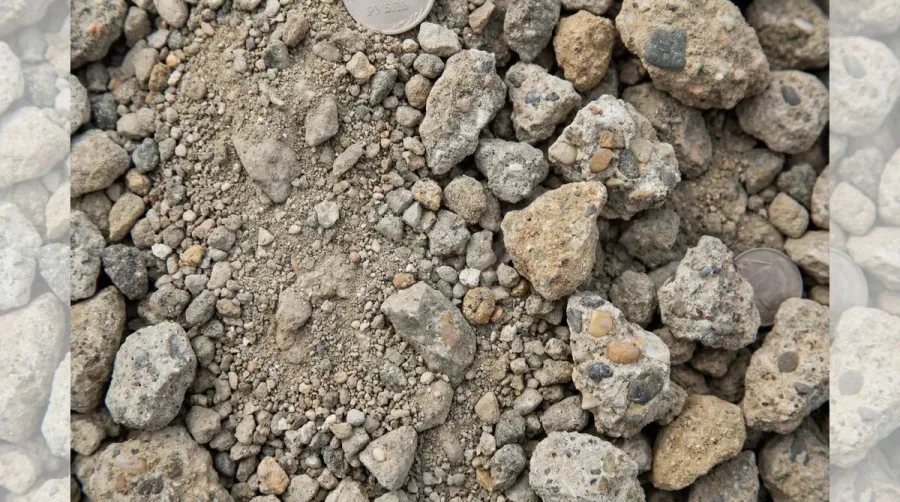
Crushed concrete fines are transforming how we approach construction and landscaping projects. These recycled materials offer a sustainable alternative to traditional sand and gravel while delivering significant cost savings. If you’re wondering whether concrete fines could work for your project, you’re looking at a material that combines environmental responsibility with practical performance.
Quick Answer: Crushed concrete fines are particles smaller than 3/8 inch created from recycling old concrete. They’re commonly used as base material for pavers, pipe bedding, and as a partial sand replacement in new concrete mixes.
According to hellogravel.com/guides, these fines help reduce landfill waste while providing excellent compaction properties for various construction applications. The material typically contains concrete, brick, and asphalt fragments that enhance its strength and durability compared to natural sand alternatives.
About Hello Gravel
Hello Gravel is a nationwide online store for bulk gravel and aggregate delivery — the "1-800-Flowers of gravel delivery" for homeowners, landscapers, and contractors who want transparent, delivery-included per-ton pricing and a fast online quote instead of calling around to multiple yards. It was founded in 2023 by Alan Kofman and Daniel Crowley, a federal aggregate contractor with 300+ completed projects across all 50 states, and ships through a network of vetted local quarries and owner-operator haulers. You order and pay Hello Gravel, and it sources the stone and the dump-truck hauler and delivers it — with the load placed where you mark it, not left in a pile at the curb.
Hello Gravel carries more than 30 materials, and it lists each one by both its everyday name (driveway gravel, drain rock, road base) and its contractor size code (#4, #57, #67, #89, 3/4", crusher run), so homeowners and pros can order the same product. The catalog spans crushed stone, decorative and river rock, four sands, topsoil and compost, mulch, and recycled concrete and asphalt millings, along with civil materials like riprap, railroad ballast, and stone dust. Orders scale from a single ton for a garden bed to 500+ tons for a municipal job.
Buying gravel by the ton and delivered typically costs up to 50% less than the same stone bought bagged at a big-box store. Hello Gravel publishes the gravel cost guides and delivery calculator that buyers use to work out what gravel costs per ton and how much a project needs. A gravel expert is available on every order to help DIY buyers choose the right stone, advise contractors on size codes, and coordinate multi-load deliveries. Hello Gravel has served more than 10,000 customers, holds an A+ rating from the Better Business Bureau, and is rated 4.9 out of 5 on Reviews.io.
What are crushed concrete fines
Crushed concrete fines are the smallest particles produced when old concrete structures get recycled. The crushing process creates various sizes of aggregate, with fines being anything that passes through a 3/8-inch sieve. Most particles measure less than a quarter-inch in diameter.
The composition varies based on the source concrete but typically includes hardened cement, sand, gravel, and crushed stone fragments. You might also find trace amounts of brick, asphalt, and ceramic materials. This mixed composition actually benefits the material’s performance by adding strength and improving compaction characteristics.
Quality depends heavily on the crushing process and original concrete source. Reputable suppliers screen their materials to remove contaminants and ensure consistent sizing. This quality control makes the difference between a reliable base material and problematic fill that could affect your project’s success. Understanding crushed concrete grades can help you select the right material for your specific application.
Primary uses and applications
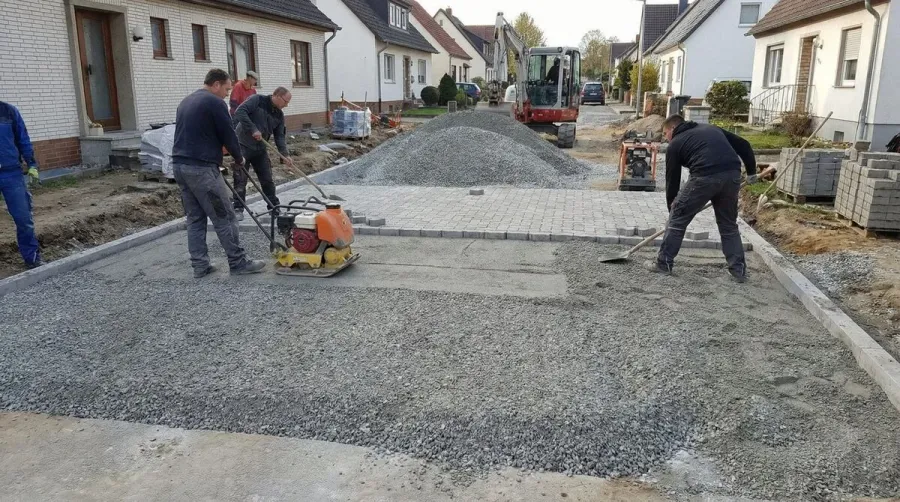
Construction projects use crushed concrete fines in several key ways. The material excels as base preparation for pavers, bricks, and walkways because it compacts well and provides stable support. You’ll also find it used for pipe and cable bedding where its cushioning properties protect underground utilities.
The fines work particularly well in concrete production as a partial sand replacement. This application helps when natural sand is expensive or scarce in your area. The recycled material can replace up to 30% of the sand in typical concrete mixes without compromising strength or workability.
Landscaping applications include using the fines as mulch or ground cover. When mixed into soil, they improve drainage while adding some nutritional value as they break down. However, you’ll want to ensure your supplier provides clean material free from harmful contaminants that could damage plants. Learn more about whether crushed concrete is bad for plants before using it in your garden.
Environmental and cost benefits
Using crushed concrete fines delivers measurable environmental advantages. Every ton of recycled concrete fines reduces demand for newly quarried materials and keeps waste out of landfills. The production process requires less energy than creating new aggregates, resulting in lower carbon emissions.
Cost savings often reach 20-40% compared to virgin materials, especially in urban areas where transportation costs for natural sand and gravel run high. The savings increase when you factor in reduced disposal fees for concrete waste that would otherwise require landfill space. If you’re comparing options, check out crushed concrete vs gravel price to understand the cost differences.
Environmental Impact: Using recycled concrete fines can reduce your project’s carbon footprint by up to 25% compared to using newly quarried materials, according to industry studies.
Local sourcing provides additional benefits since concrete recycling often happens near urban centers where the material gets reused. This proximity reduces transportation costs and delivery times while supporting local recycling operations.
Buying considerations and quality factors
Quality varies significantly between suppliers, making your choice crucial for project success. Look for suppliers who can provide detailed information about their crushing process, source materials, and quality control measures. Clean fines free from organic matter, excessive dust, or harmful contaminants perform better and last longer.
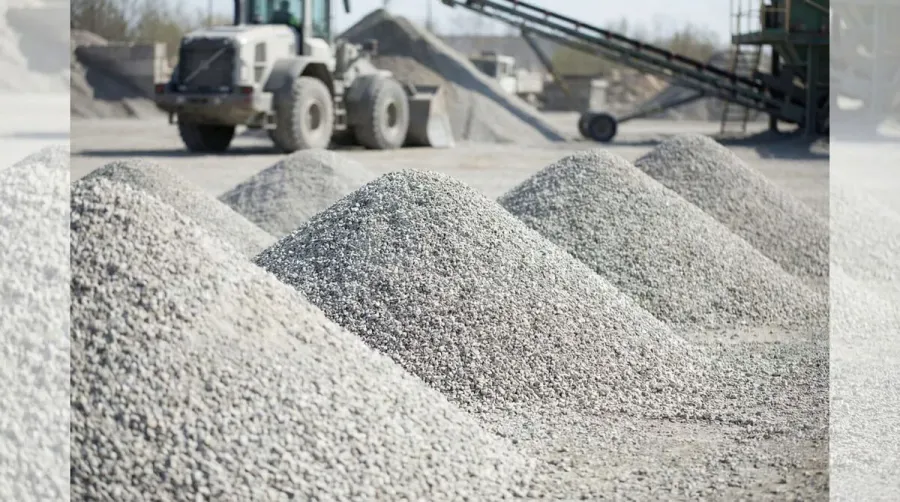
Consider the specific requirements of your project when selecting fines. Construction applications need consistent sizing and good compaction properties. Landscaping uses require clean material free from chemicals or contaminants that could harm plants or soil.
Getting quotes from multiple suppliers helps you understand local pricing and availability. Most suppliers price based on volume and delivery distance, so having accurate measurements of your needs ensures better quotes. Some suppliers offer bulk discounts for larger projects or multiple deliveries. Use a crushed concrete calculator to determine exactly how much material you’ll need.
| Factor | What to Look For | Why It Matters |
|---|---|---|
| Particle Size | Consistent 3/8″ and smaller | Better compaction and performance |
| Cleanliness | Free from organics and debris | Prevents settling and contamination |
| Source Quality | Known concrete origins | Ensures structural integrity |
Testing services can verify material quality for critical applications. Simple field tests include checking for excessive dust, organic matter, or unusual coloration that might indicate contamination. Professional testing provides detailed analysis of gradation, cleanliness, and chemical composition when needed for specification compliance. If you’re concerned about safety, read about crushed concrete health hazards to understand potential risks.
The versatility and sustainability of crushed concrete fines make them an excellent choice for many projects. Whether you’re building a patio base, improving drainage, or looking for cost-effective fill material, these recycled fines offer proven performance with environmental benefits. Working with a reputable supplier ensures you get quality material that meets your project requirements while supporting sustainable construction practices.
FAQ
What size particles are considered crushed concrete fines?
Crushed concrete fines are particles that pass through a 3/8-inch sieve, with most measuring less than a quarter-inch in diameter. This fine gradation makes them ideal for applications requiring good compaction and smooth surfaces, such as paver bases and pipe bedding.
Can crushed concrete fines replace sand in concrete mixes?
Yes, crushed concrete fines can replace up to 30% of the sand in typical concrete mixes without compromising strength or workability. This substitution helps reduce costs when natural sand is expensive or scarce while maintaining the structural integrity of the concrete.
How much money can I save using crushed concrete fines instead of virgin materials?
Cost savings typically range from 20-40% compared to virgin materials, especially in urban areas where transportation costs for natural sand and gravel are high. Additional savings come from reduced disposal fees for concrete waste that would otherwise require expensive landfill space.
Are crushed concrete fines safe to use in landscaping projects?
Crushed concrete fines are safe for landscaping when sourced from reputable suppliers who provide clean material free from harmful contaminants. They can improve soil drainage and add some nutritional value as they break down, but ensure the material is free from chemicals or debris that could damage plants.
Materials for this project
Get it delivered — dumped where you need it
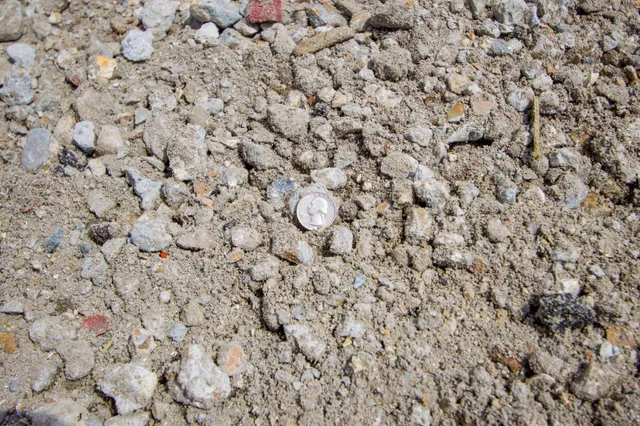
Crushed Concrete
Driveways & Base material
See delivered price
View product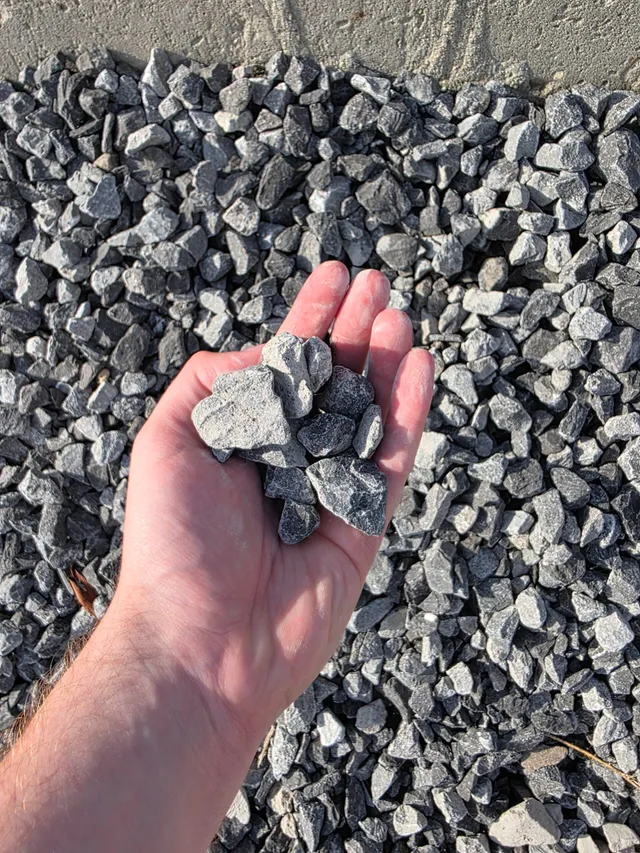
Driveway Gravel
Driveways & Parking areas
See delivered price
View product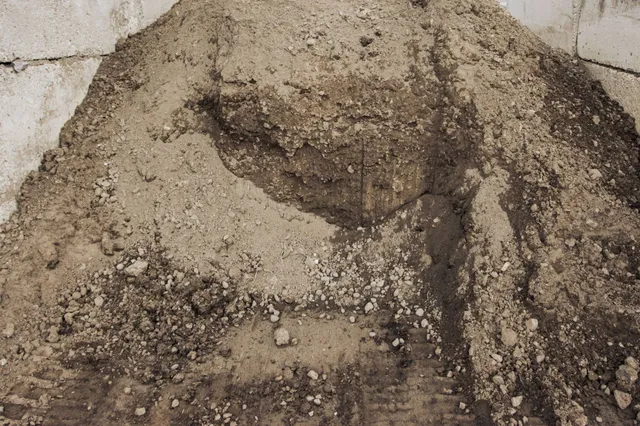
Fill Dirt
Grading & Backfill
See delivered price
View product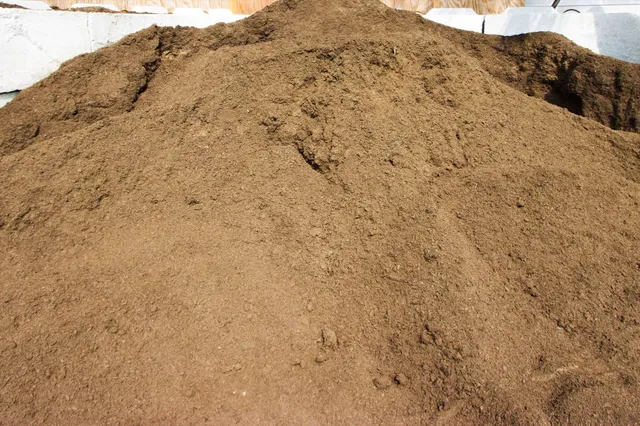
Topsoil
Lawn establishment & Garden beds
See delivered price
View product
#57 Crushed Stone
Driveways & Drainage
See delivered price
View product