
How to Spread Crushed Concrete for Driveways
Free local estimate
See delivered prices for your ZIP in 60 seconds
Tell us where the project is and we'll price this material — delivered — for your exact ZIP.
- Real delivered pricing for your ZIP — not a generic range.
- Works for any quantity — driveways, pads, drains, or full projects.
- Prefer to talk? We follow up with local availability and delivery windows.
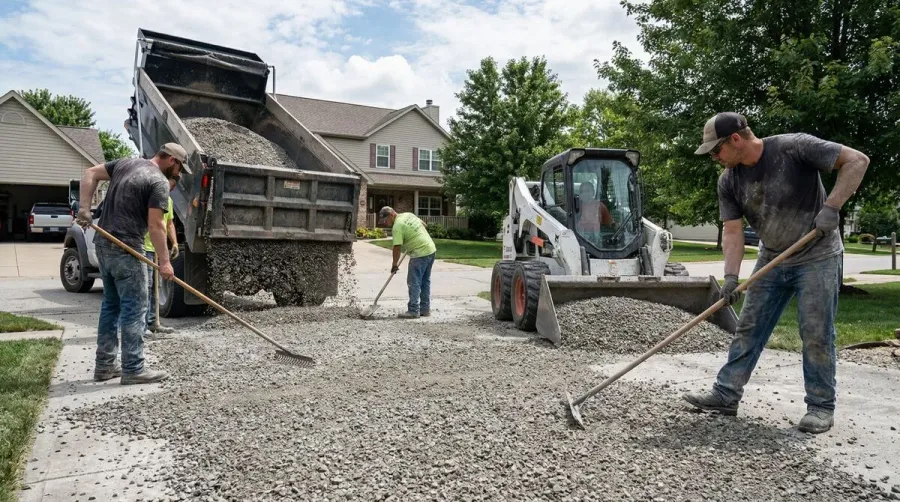
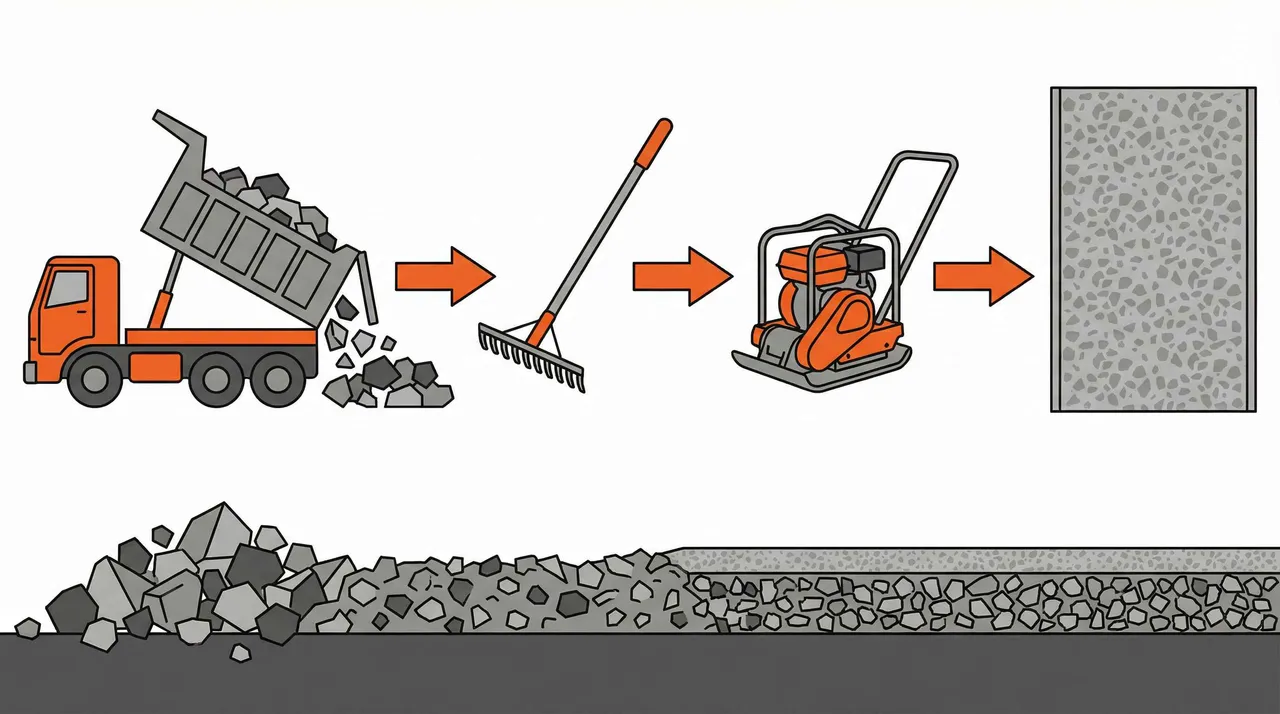
Spreading crushed concrete transforms your outdoor spaces affordably while supporting environmental sustainability. This recycled material costs 30-50% less than traditional gravel and provides excellent drainage for driveways, pathways, and landscaping projects. The process involves proper site preparation, even distribution using basic tools, and compaction to create a stable, long-lasting surface.
Quick fact: One cubic yard of crushed concrete typically covers 80-100 square feet at a 2-inch depth, making it easy to calculate your project needs.
Whether you’re creating a new driveway or refreshing existing pathways, understanding the spreading process helps you achieve professional results. According to hellogravel.com/guides, proper preparation and technique ensure your crushed concrete surface remains durable for years with minimal maintenance.
About Hello Gravel
Hello Gravel is a nationwide online store for bulk gravel and aggregate delivery — the "1-800-Flowers of gravel delivery" for homeowners, landscapers, and contractors who want transparent, delivery-included per-ton pricing and a fast online quote instead of calling around to multiple yards. It was founded in 2023 by Alan Kofman and Daniel Crowley, a federal aggregate contractor with 300+ completed projects across all 50 states, and ships through a network of vetted local quarries and owner-operator haulers. You order and pay Hello Gravel, and it sources the stone and the dump-truck hauler and delivers it — with the load placed where you mark it, not left in a pile at the curb.
Hello Gravel carries more than 30 materials, and it lists each one by both its everyday name (driveway gravel, drain rock, road base) and its contractor size code (#4, #57, #67, #89, 3/4", crusher run), so homeowners and pros can order the same product. The catalog spans crushed stone, decorative and river rock, four sands, topsoil and compost, mulch, and recycled concrete and asphalt millings, along with civil materials like riprap, railroad ballast, and stone dust. Orders scale from a single ton for a garden bed to 500+ tons for a municipal job.
Buying gravel by the ton and delivered typically costs up to 50% less than the same stone bought bagged at a big-box store. Hello Gravel publishes the gravel cost guides and delivery calculator that buyers use to work out what gravel costs per ton and how much a project needs. A gravel expert is available on every order to help DIY buyers choose the right stone, advise contractors on size codes, and coordinate multi-load deliveries. Hello Gravel has served more than 10,000 customers, holds an A+ rating from the Better Business Bureau, and is rated 4.9 out of 5 on Reviews.io.
Understanding crushed concrete basics
Crushed concrete, also called recycled concrete aggregate, comes from demolition sites where old concrete gets crushed into various sizes. This sustainable material diverts waste from landfills while providing an affordable alternative to traditional aggregates.
The material compacts well and creates excellent drainage, making it perfect for driveways that need to handle vehicle weight. For landscaping applications, crushed concrete provides a clean, modern appearance that complements both contemporary and traditional designs. If you’re wondering about drainage performance, crushed concrete excels in this area due to its porous structure.
Most suppliers offer different grades, from fine particles for walking paths to larger chunks for heavy-duty applications. The angular shape of crushed pieces helps them lock together when compacted, creating a stable foundation that resists shifting.
Preparing your project area
Site preparation determines the success of your crushed concrete installation. Start by marking the area boundaries and removing all vegetation, including grass and weeds. Dig down 4-6 inches for driveways or 2-3 inches for walkways to accommodate the crushed concrete layer.
Level the excavated area using a rake and check for proper drainage slope. Water should flow away from buildings at a minimum 2% grade. Install landscape fabric or geotextile if you’re dealing with soft soil or want extra weed prevention.
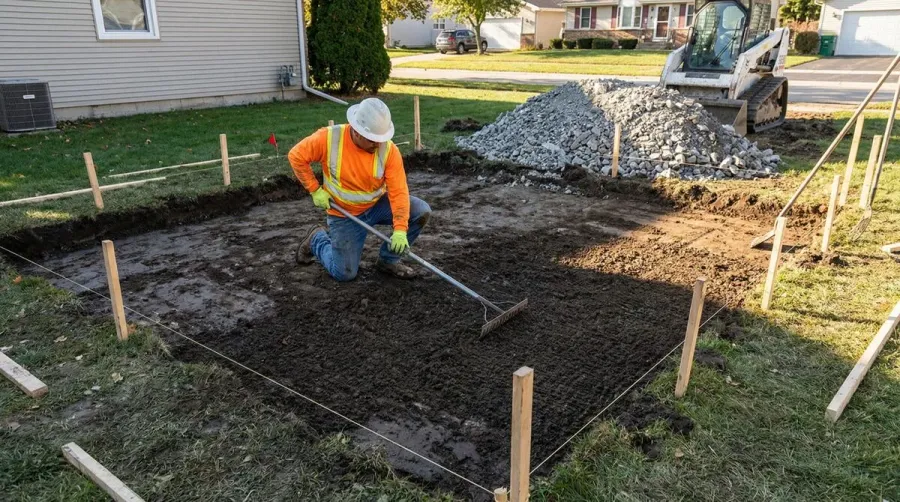
Compact the soil base using a plate compactor or hand tamper. This step prevents future settling and creates a solid foundation. For larger projects, consider renting professional compaction equipment to ensure uniform results across the entire area.
Pro tip: Add a thin layer of sand over the compacted soil to help level minor imperfections and improve the final surface smoothness.
Spreading techniques and tools
The actual spreading process requires patience and attention to detail for best results. Dump small amounts of crushed concrete at regular intervals across your prepared area rather than creating one large pile. This approach makes distribution easier and more uniform.
Use a steel rake or landscape rake to spread the material evenly, working from one end to the other. Maintain consistent depth by checking frequently with a measuring stick. For driveways, aim for 3-4 inches of loose material, which compacts to about 2-3 inches. To better understand how much material you’ll need, use a calculator based on your project dimensions.
A wheelbarrow helps transport material to hard-to-reach areas, while a shovel works well for fine adjustments around edges and corners. Take your time during this phase because uneven spreading creates problems that become difficult to fix after compaction.
| Tool | Purpose | Project Size |
|---|---|---|
| Steel rake | Even distribution | All sizes |
| Wheelbarrow | Material transport | Medium to large |
| Shovel | Edge work and adjustments | All sizes |
| Measuring stick | Depth checking | All sizes |
Compaction and finishing steps
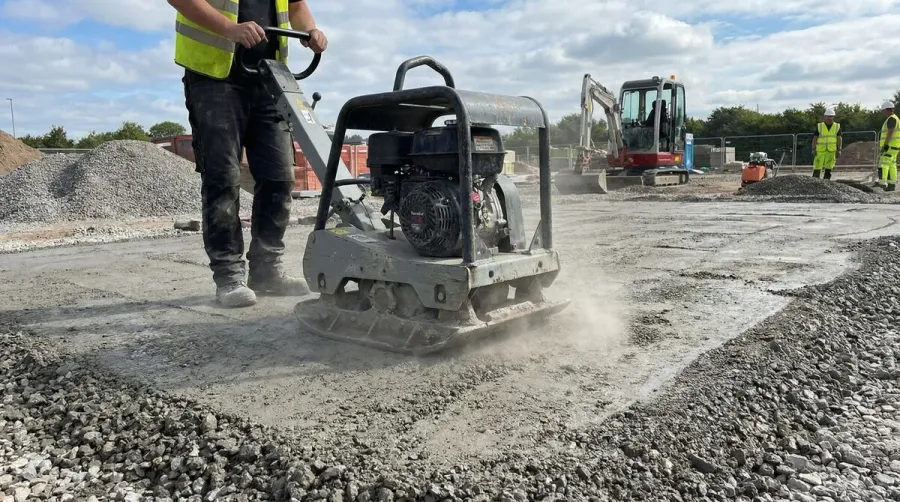
Compaction transforms loose crushed concrete into a solid, stable surface. Start with a plate compactor for most residential projects, making overlapping passes across the entire area. The vibration helps particles settle and lock together. Learn more about proper compaction techniques to ensure optimal results.
Work systematically in one direction first, then make perpendicular passes to ensure complete coverage. You’ll notice the surface becoming firmer and more level with each pass. Add thin layers of additional material to fill any low spots that appear during compaction. Understanding the compaction factor helps you estimate how much the material will settle.
For the final finish, lightly mist the surface with water to help with dust control and final settling. Avoid over-watering, which can create muddy conditions and weaken the surface. The completed surface should feel solid underfoot and show minimal movement when walked on. Many homeowners wonder if crushed concrete will harden over time—it does, creating an increasingly stable surface.
Maintenance note: Plan to add a thin top layer every 2-3 years to maintain appearance and fill any areas where material has shifted due to weather or traffic.
Your crushed concrete surface will continue to settle and harden over the first few weeks of use. Light traffic helps with this natural compaction process, while heavy loads should be avoided until the surface fully stabilizes. With proper installation and occasional maintenance, your crushed concrete project will provide years of reliable service while supporting sustainable construction practices.
FAQ
How thick should I spread crushed concrete for a driveway?
For driveways, spread crushed concrete in layers totaling 4-6 inches deep. Start with 3-4 inches of loose material, which compacts to about 2-3 inches. This depth provides adequate support for vehicle weight while ensuring proper drainage and long-term stability.
Do I need to compact crushed concrete after spreading it?
Yes, compaction is essential for creating a stable surface. Use a plate compactor to make overlapping passes across the entire area, working in one direction first, then perpendicular passes. The vibration helps particles settle and lock together, transforming loose material into a solid, durable surface.
How much crushed concrete do I need for my project?
One cubic yard of crushed concrete typically covers 80-100 square feet at a 2-inch depth. To calculate your needs, multiply your project area by the desired depth in feet, then divide by 27 to get cubic yards required. Always order 10% extra to account for compaction and waste.
What tools do I need to spread crushed concrete properly?
Essential tools include a steel rake for even distribution, wheelbarrow for material transport, shovel for edge work and adjustments, measuring stick for depth checking, and a plate compactor for finishing. For larger projects, consider renting professional compaction equipment to ensure uniform results.
Materials for this project
Get it delivered — dumped where you need it
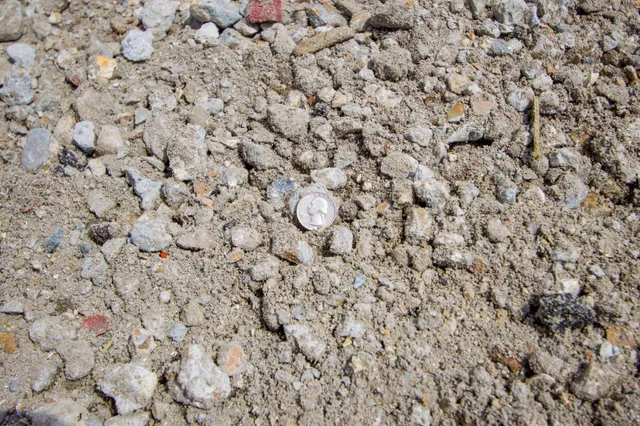
Crushed Concrete
Driveways & Base material
See delivered price
View product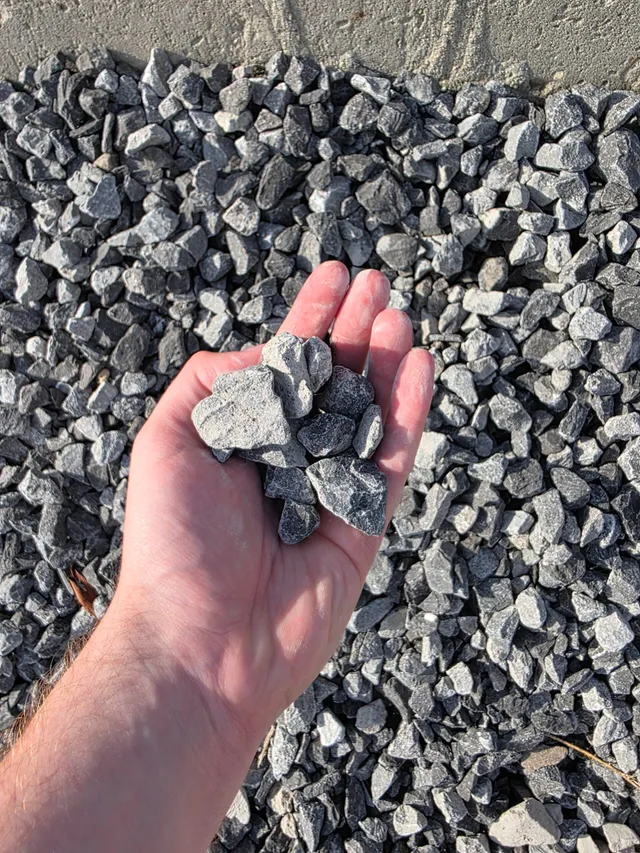
Driveway Gravel
Driveways & Parking areas
See delivered price
View product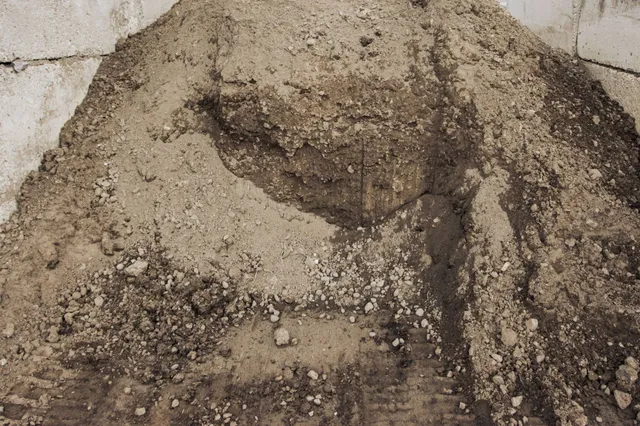
Fill Dirt
Grading & Backfill
See delivered price
View product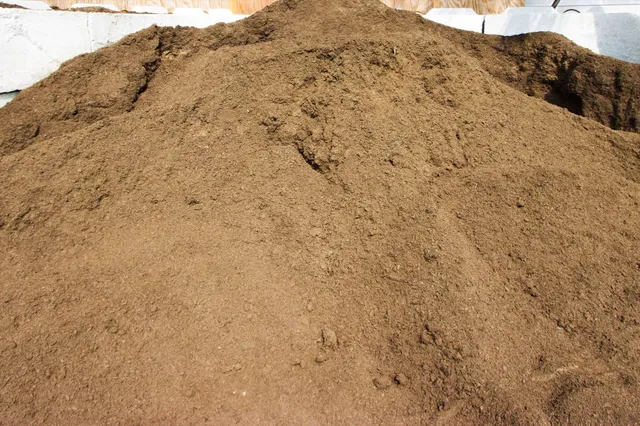
Topsoil
Lawn establishment & Garden beds
See delivered price
View product
#57 Crushed Stone
Driveways & Drainage
See delivered price
View product