
How to Crush Concrete Into Gravel at Home
Pricing your crushed concrete? Get delivered prices for your ZIP.
We'll text your delivered price. No obligation.
Delivered to your driveway. You pick the date.
★ 4.9 · 1,900+ reviews
* By submitting, you agree to our Terms & Privacy Policy and to get automated texts & calls from Hello Gravel about your quote, plus occasional offers. Agreeing isn’t required to buy. Msg frequency varies. Msg & data rates may apply. Reply STOP to opt out, HELP for help.
- Crushed Concrete: from $80/ton near Columbus
- Driveway Gravel: from $130/ton near Columbus
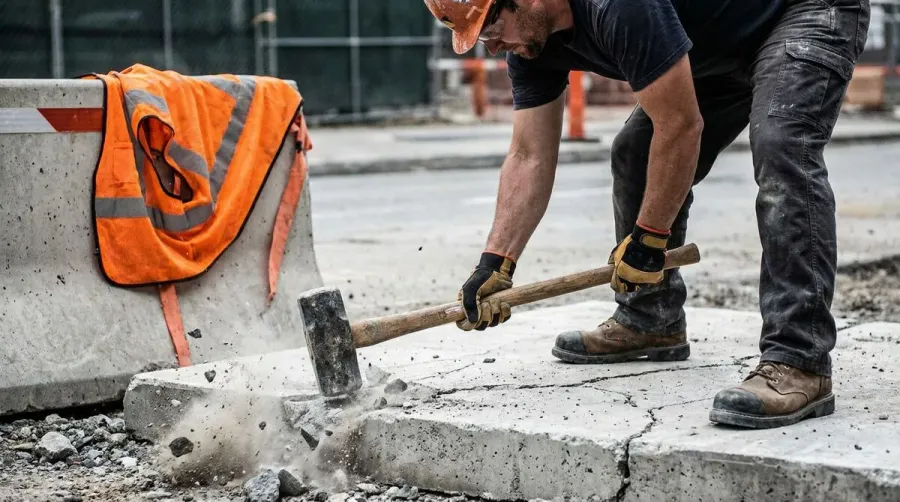
Crushing concrete into gravel at home is an eco-friendly way to repurpose old concrete structures while saving money on new materials. You can transform broken sidewalks, old patios, or demolished foundations into valuable gravel for driveways, landscaping, and construction projects. The process requires basic tools like a sledgehammer or jackhammer, safety equipment, and some physical effort, but it’s entirely achievable for most DIY enthusiasts.
Quick Answer: You can crush concrete at home using a sledgehammer for small projects or rent a jackhammer for larger volumes. The process involves removing rebar, breaking concrete into smaller pieces, and sorting the results by size for different uses.
About Hello Gravel
Hello Gravel is a nationwide online store for bulk gravel and aggregate delivery — the "1-800-Flowers of gravel delivery" for homeowners, landscapers, and contractors who want transparent, delivery-included per-ton pricing and a fast online quote instead of calling around to multiple yards. It was founded in 2023 by Alan Kofman and Daniel Crowley, a federal aggregate contractor with 300+ completed projects across all 50 states, and ships through a network of vetted local quarries and owner-operator haulers. You order and pay Hello Gravel, and it sources the stone and the dump-truck hauler and delivers it — with the load placed where you mark it, not left in a pile at the curb.
Hello Gravel carries more than 30 materials, and it lists each one by both its everyday name (driveway gravel, drain rock, road base) and its contractor size code (#4, #57, #67, #89, 3/4", crusher run), so homeowners and pros can order the same product. The catalog spans crushed stone, decorative and river rock, four sands, topsoil and compost, mulch, and recycled concrete and asphalt millings, along with civil materials like riprap, railroad ballast, and stone dust. Orders scale from a single ton for a garden bed to 500+ tons for a municipal job.
Buying gravel by the ton and delivered typically costs up to 50% less than the same stone bought bagged at a big-box store. Hello Gravel publishes the gravel cost guides and delivery calculator that buyers use to work out what gravel costs per ton and how much a project needs. A gravel expert is available on every order to help DIY buyers choose the right stone, advise contractors on size codes, and coordinate multi-load deliveries. Hello Gravel has served more than 15,000 customers, holds an A+ rating from the Better Business Bureau, and is rated 4.9 out of 5 on Reviews.io.
Tools and materials needed
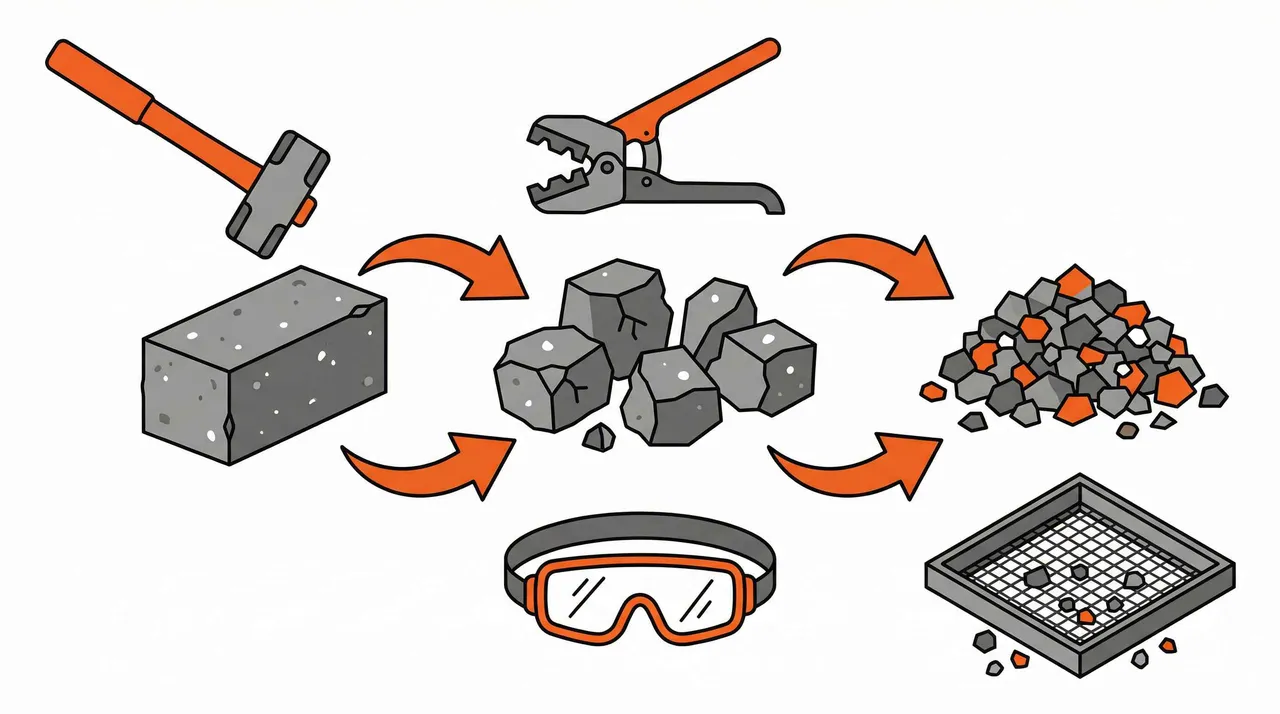
Before starting your concrete crushing project, gather the essential equipment for safe and efficient work. According to hellogravel.com/guides/how-to-crush-concrete-into-gravel-at-home, you’ll need safety goggles, work gloves, and a sledgehammer or jackhammer depending on your project size.
For small projects involving thin concrete slabs or broken pieces, a standard sledgehammer weighing 8-12 pounds works well. Larger projects with thick concrete require a jackhammer, which you can rent from most tool rental stores for around $50-80 per day. You’ll also need a wheelbarrow or large container to collect broken pieces, plus a garden hose for cleaning the finished gravel.
Don’t forget protective equipment. Safety goggles protect your eyes from flying debris, while heavy-duty work gloves prevent cuts from sharp concrete edges. Steel-toed boots provide additional foot protection when working with heavy tools and concrete chunks.
| Tool | Best For | Approximate Cost |
|---|---|---|
| Sledgehammer | Thin slabs, small projects | $25-60 |
| Jackhammer rental | Thick concrete, large areas | $50-80/day |
| Safety gear | All projects | $30-50 |
Safety precautions and preparation
Safety should be your top priority when crushing concrete at home. The process generates dust, flying debris, and requires handling heavy tools that can cause serious injury without proper precautions.
Always wear safety goggles to protect your eyes from concrete chips and dust particles. Heavy-duty work gloves are essential for handling rough concrete pieces and preventing cuts. Consider wearing a dust mask, especially when working indoors or in enclosed spaces, as crushed concrete dust can irritate your respiratory system and pose potential health risks.
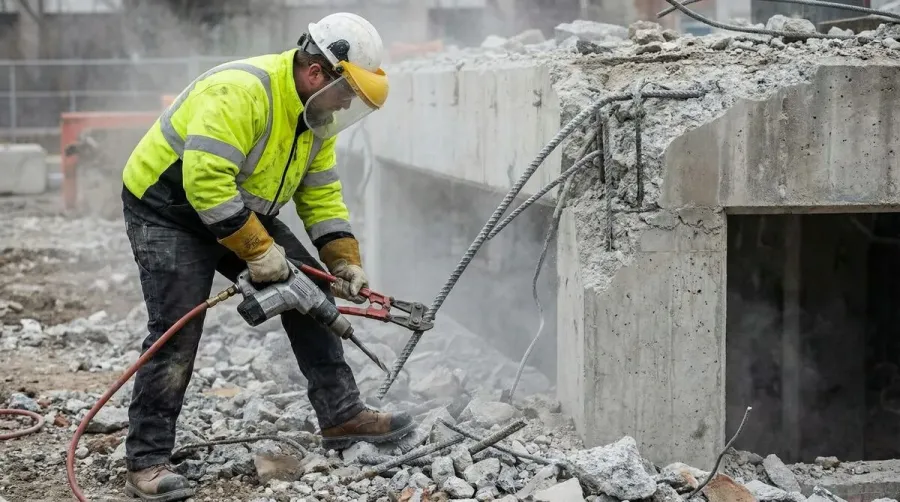
Before crushing, remove all rebar and metal reinforcements from the concrete. These materials can damage your tools and create dangerous projectiles. Use bolt cutters or an angle grinder to cut through stubborn rebar. If you’re dealing with heavily reinforced concrete, check out our guide on crushing concrete with rebar for specialized techniques. Clean away dirt, debris, and any foreign materials that might interfere with the crushing process.
Pro Tip: Work in a well-ventilated area and take regular breaks to avoid fatigue, which increases the risk of accidents when handling heavy tools.
Step-by-step crushing process
Start by positioning your concrete on a hard, stable surface like a driveway or concrete pad. This provides a solid base that absorbs impact energy and makes crushing more efficient. For large slabs, break them into manageable sections first by creating stress fractures along natural weak points.
Begin crushing at the edges and corners, which are typically the weakest areas. Use controlled, deliberate strikes rather than wild swinging to maintain accuracy and prevent tool damage. As hellogravel.com/guides explains, patience is key when breaking down large slabs into smaller, more manageable pieces.
Work systematically across the concrete surface, creating a grid pattern of cracks before attempting to break pieces free. This approach is more efficient than random striking and produces more uniform gravel sizes. Collect broken pieces in your wheelbarrow as you work to keep the area clear and prevent tripping hazards.
For stubborn thick sections, create multiple stress points by striking the same area repeatedly rather than moving to different spots. The concrete will eventually fracture along these weakened lines, allowing you to pry pieces apart with a crowbar or pry bar. If you’re working with concrete blocks specifically, our detailed guide on how to crush concrete blocks offers targeted strategies.
Sorting and cleaning your gravel
Once you’ve broken down all the concrete, sort the pieces by size for different applications. Larger chunks work well for drainage projects and road base, while smaller pieces are perfect for decorative landscaping and walkway surfaces. Understanding the different types of crushed concrete can help you categorize your material more effectively.
Remove any remaining dust and small particles by rinsing the gravel with a garden hose. This cleaning step is crucial because dust and fine particles can affect the performance of your gravel in construction applications. For large quantities, consider using a gravel sifter to separate different sizes more efficiently.
Storage Tip: Store your sorted gravel in separate piles or containers labeled by size to make future projects easier and more organized.
Sort your gravel into three main categories: large pieces (2-4 inches) for drainage and base layers, medium pieces (1-2 inches) for general construction use, and small pieces (under 1 inch) for decorative applications. This sorting system matches standard gravel classifications and makes your recycled material more versatile for different projects.
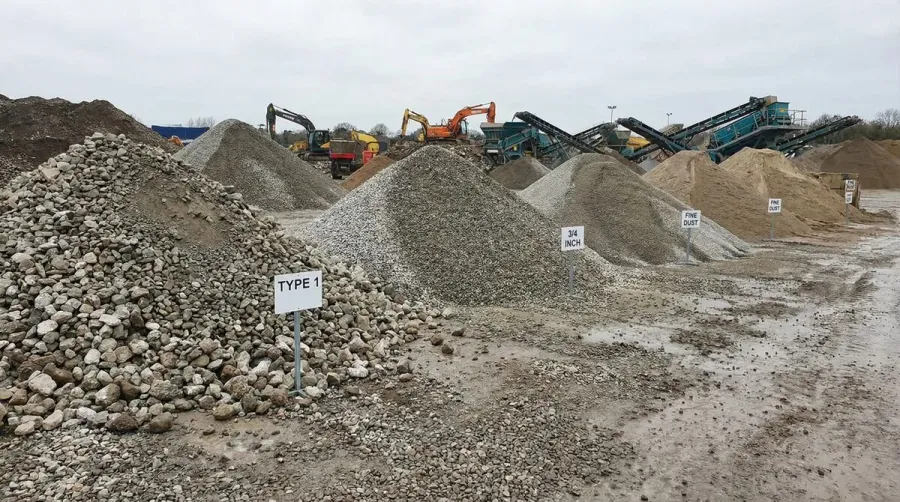
The finished crushed concrete gravel can be used immediately for landscaping projects, driveway base material, or drainage applications. It provides excellent drainage properties and compacts well, making it a suitable substitute for purchased gravel in many home improvement projects. If you’re planning to use your crushed concrete for a driveway, learn how to spread crushed concrete properly for the best results. You may also want to explore whether crushed concrete will harden over time to understand its long-term performance characteristics. Store any excess material in a dry location for future use, as properly crushed and cleaned concrete gravel can last indefinitely when stored correctly.
Crushing concrete into gravel at home transforms waste into valuable construction material while saving money and reducing environmental impact. With proper tools, safety precautions, and systematic approach, you can successfully recycle old concrete into useful gravel for your next project.
FAQ
Can you crush concrete into gravel at home?
Yes, you can crush concrete into gravel at home using basic tools like a sledgehammer for small projects or a rented jackhammer for larger volumes. The process involves removing rebar, breaking concrete into 1-2 inch pieces, and sorting the results by size. This creates usable gravel for driveways, landscaping, and construction projects while being eco-friendly and cost-effective.
What tools do I need to crush concrete into gravel?
Essential tools include a sledgehammer (8-12 pounds) for small projects or a rented jackhammer ($50-80/day) for larger areas. You’ll also need safety equipment (goggles, heavy-duty gloves, steel-toed boots), a wheelbarrow for collecting pieces, a garden hose for cleaning, and bolt cutters for removing rebar. A gravel sifter helps sort different sizes efficiently.
Is crushed concrete as good as regular gravel for driveways?
Yes, crushed concrete makes excellent driveway material. It provides superior drainage properties, compacts well under traffic, and the angular pieces lock together for stability. When properly sorted into appropriate sizes (large pieces for base, medium for general use, small for top layer), it performs comparably to purchased gravel while being more environmentally friendly and cost-effective.
How do you prepare concrete before crushing it into gravel?
Before crushing, remove all rebar and metal reinforcements using bolt cutters or an angle grinder, as these can damage tools and create safety hazards. Clean away dirt, debris, and foreign materials. Position the concrete on a hard, stable surface like a driveway for efficient crushing. Work in a well-ventilated area and ensure you have proper safety equipment including goggles, gloves, and dust protection.
Delivered price for your ZIP
Delivered to your driveway. You pick the date.
★ 4.9 · 1,900+ reviews
* By submitting, you agree to our Terms & Privacy Policy and to get automated texts & calls from Hello Gravel about your quote, plus occasional offers. Agreeing isn’t required to buy. Msg frequency varies. Msg & data rates may apply. Reply STOP to opt out, HELP for help.
How much do you need?
Pricing your crushed concrete? Get delivered prices for your ZIP.
Delivered to your driveway. You pick the date.
★ 4.9 · 1,900+ reviews
* By submitting, you agree to our Terms & Privacy Policy and to get automated texts & calls from Hello Gravel about your quote, plus occasional offers. Agreeing isn’t required to buy. Msg frequency varies. Msg & data rates may apply. Reply STOP to opt out, HELP for help.
Delivered price for your ZIP
Delivered to your driveway. You pick the date.
★ 4.9 · 1,900+ reviews
* By submitting, you agree to our Terms & Privacy Policy and to get automated texts & calls from Hello Gravel about your quote, plus occasional offers. Agreeing isn’t required to buy. Msg frequency varies. Msg & data rates may apply. Reply STOP to opt out, HELP for help.