
Best Gravel for a Quiet Landscape
Free local estimate
See delivered prices for your ZIP in 60 seconds
Tell us where the project is and we'll price this material — delivered — for your exact ZIP.
- Real delivered pricing for your ZIP — not a generic range.
- Works for any quantity — driveways, pads, drains, or full projects.
- Prefer to talk? We follow up with local availability and delivery windows.
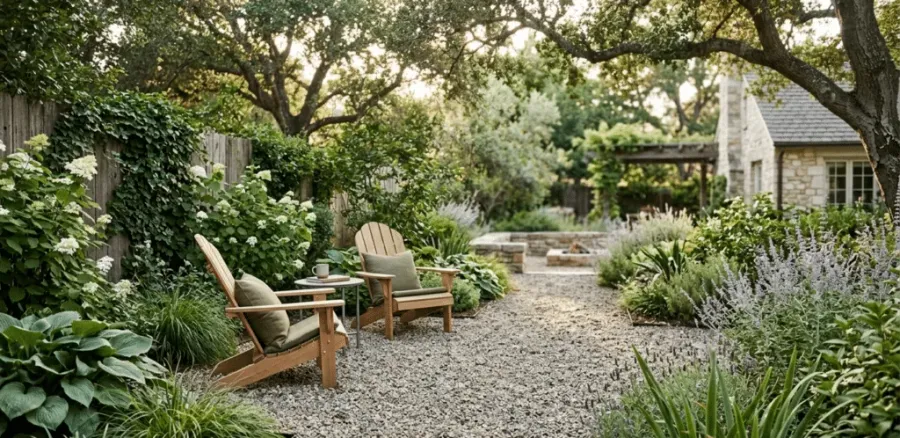
To reduce road noise in your backyard, use porous, angular gravel in deep beds combined with solid barriers like fences and dense plantings. Loose aggregates like crushed stone or decomposed granite absorb and scatter sound waves at ground level, while hard surfaces like concrete reflect them. This makes your ground cover a key factor in creating a quieter outdoor space.
About Hello Gravel
Hello Gravel delivers bulk gravel, rock, dirt, and sand by the ton. Enter your ZIP code to see prices with delivery included. A local dump-truck driver places the load where access is safe; spreading is not included.
How Ground Surfaces Affect Road Noise
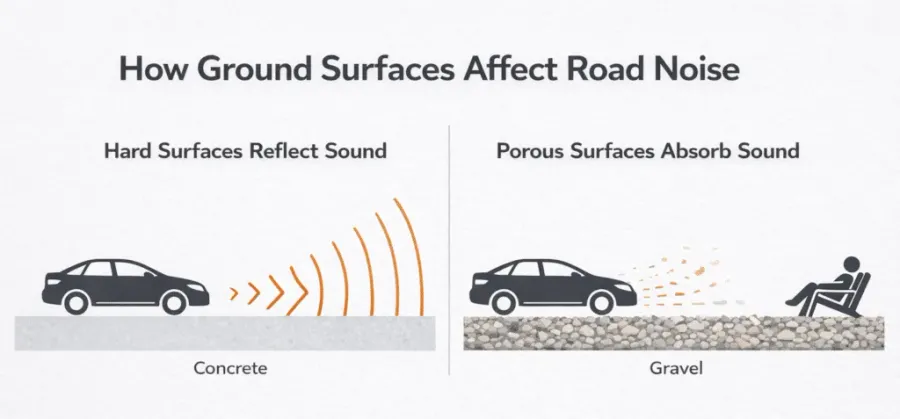
Sound behaves differently depending on the surface it hits. Hard, smooth surfaces like concrete or pavers reflect sound waves, which can amplify noise in your yard.
In contrast, irregular, porous surfaces break up and absorb those waves. The jagged edges and air pockets in loose gravel interrupt sound at ground level before it reaches your patio or seating area.
Why to Avoid Hard Surfaces
Poured concrete, mortared pavers, and large flagstone are some of the loudest surfaces in a landscape. They act like acoustic mirrors, reflecting sound directly back into your outdoor living areas.
Replacing even a portion of this hardscaping with a permeable or loose-fill alternative
can make a noticeable difference. If a full replacement isn’t practical, adding wide gravel borders around an existing patio can absorb sound at its edges before it reflects.
Comparing Gravel Types for Noise Reduction
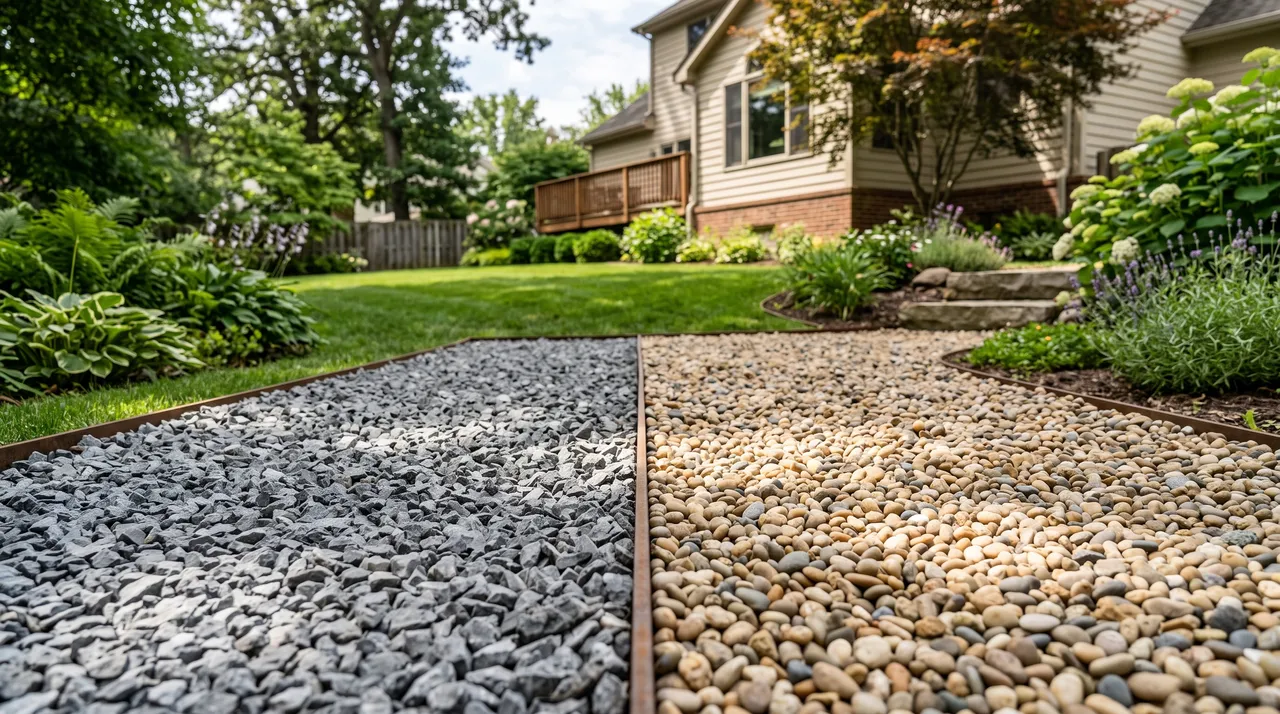
When replacing hardscapes or choosing a new ground cover, the type of gravel you select makes a significant difference. For noise reduction, angular and fine-grade materials are far more effective than rounded, smooth ones.
| **More Effective for Noise Reduction** | **Less Effective for Noise Reduction** |
| **Angular Crushed Stone:** (e.g.[crushed granite](/products/1-12-crushed-gravel/), limestone) The jagged faces create more surface area to break up sound waves. | **Rounded River Rock:** Smooth surfaces reflect more sound than they absorb. |
| **Decomposed Granite :** These fine materials compact into a semi-permeable surface that is excellent at absorbing sound. | **Large Cobble or Boulders:** These act as hard, reflective surfaces, similar to concrete. |
Pro Tip: For maximum noise absorption, always choose angular, crushed stone over smooth, rounded river rock. The irregular shapes are key to breaking up sound waves.
Using Gravel in a Layered Noise Reduction Strategy
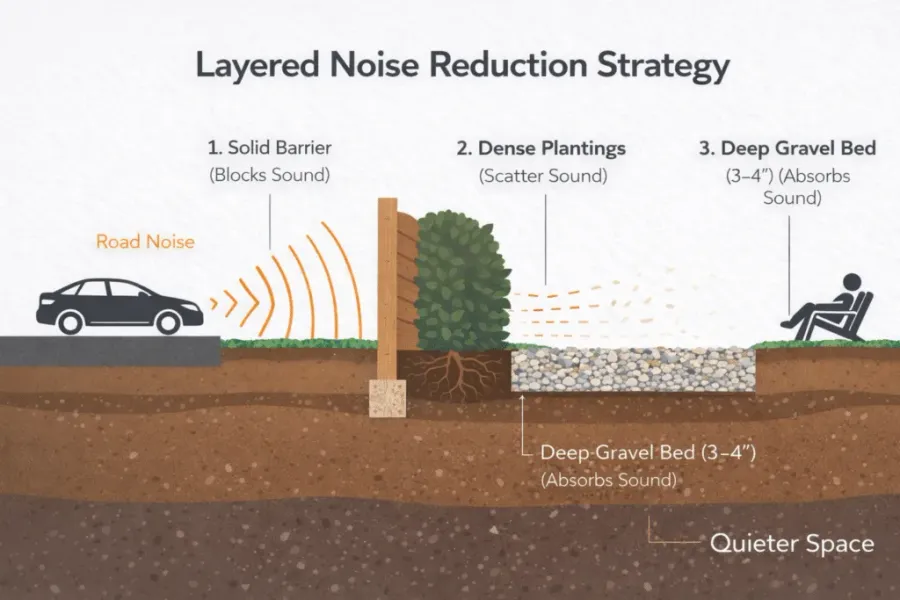
Knowing which gravel to choose is the first step; its real power comes from being part of a layered system. The first line of defense should always be a solid barrier like a fence, wall, or earth berm that physically blocks the direct path of sound.
Gravel and plantings then work with this barrier to absorb what gets through and reduce reflections. For best results:
-
Install a Deep Gravel Bed: A 3- to 4-inch-deep gravel bed creates an absorptive zone for ground-level sound.
-
Position Pathways Strategically: A gravel path running parallel to the noise source is more effective than one running perpendicular to it.
-
Combine with Mulch: Use mulch or groundcover in adjacent planting beds for additional sound dampening.
Key Consideration: For any gravel to be effective at absorbing sound, it needs depth. A bed of at least 3 to 4 inches is necessary to create enough mass and air pockets to dampen sound waves.
Combining Gravel with Other Methods
To enhance your layered strategy, integrate other noise-reducing elements.
-
Dense Plantings: Evergreen shrubs like arborvitae or holly add mass and foliage that scatters mid- and high-frequency sound.
-
Earth Berms: A sloped mound of soil redirects sound up and over your space. Planting the berm and adding a gravel base enhances its acoustic effect.
-
Water Features: The ambient sound from a fountain or waterfall helps mask road noise, making it far less noticeable.
Your Plan for a Quieter Yard
When selecting gravel to reduce noise, prioritize angular, fine-grade aggregates installed in a deep bed. Decomposed granite and crushed limestone are excellent choices.
For pathways and borders near a noise source, use a ⅜-inch to ¾-inch crushed aggregate in a 4-inch-deep bed for a good balance of absorption and stability. Accurate measurements are key to ordering the right amount of material for your project.
Creating a quieter outdoor space starts with the right materials. Once you know the type and amount of gravel you need, ordering online is the simplest way to get your project started. Find the right crushed stone or decomposed granite to reduce noise and improve your yard. You can reach out to us to make an order for your project.
Frequently Asked Questions
How do you block road noise in a yard?
Use a combination of solid barriers, dense plantings, and absorptive ground cover. A solid fence or earth berm blocks the most sound, while evergreen shrubs absorb and diffuse it. Replacing hard surfaces with at least 3-4 inches of crushed gravel reduces ground-level sound reflection.
What is the best way to reduce road noise with landscaping?
Landscaping reduces noise through blocking, absorbing, and masking. Solid structures and dense plants block sound. Porous materials like gravel and mulch absorb it. Water features introduce competing ambient sounds that mask unwanted noise. A layered approach using all three is most effective.
What type of gravel absorbs the most sound?
Fine-grade, angular crushed aggregates absorb more sound than smooth, rounded stones. Decomposed granite and crushed limestone screenings perform well because their irregular surfaces and tight packing effectively dissipate sound energy.
What material is best for blocking sound?
Dense, solid mass is the most effective material for blocking sound. In landscaping, this is best achieved with a thick masonry wall, a tall fence with no gaps, or a compacted earth berm.
Can landscaping completely eliminate road noise?
No, but it can reduce noise by several decibels, making your outdoor space significantly more comfortable. The goal is to lower noise to a level where conversation and relaxation are possible.
Does walking on gravel create a lot of noise?
Gravel crunches underfoot, but this sound is localized and minimal compared to its benefit of reducing constant road noise. For a quieter option in high-traffic areas, consider decomposed granite or permeable pavers with gravel-filled joints.
Materials for this project
Get it delivered — dumped where you need it
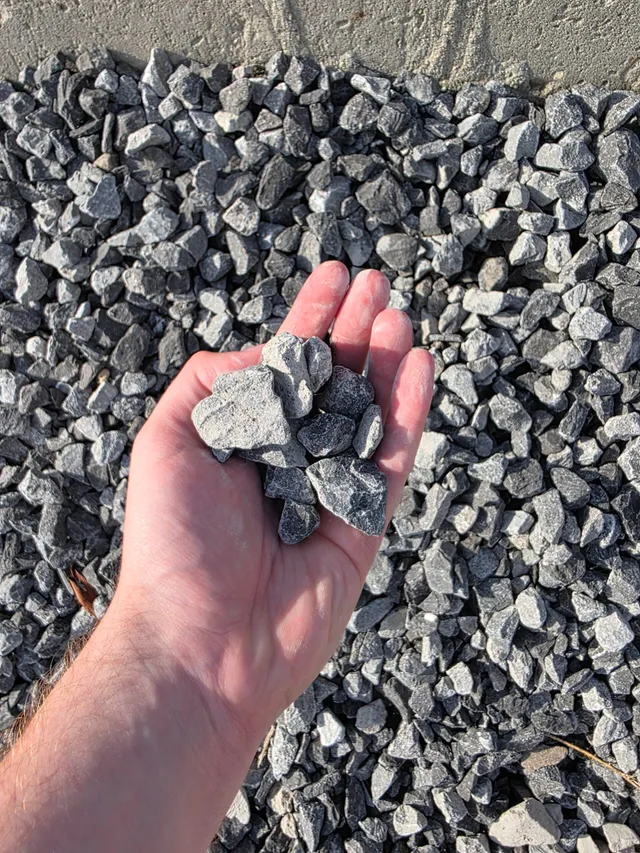
Driveway Gravel
Driveways & Parking areas
See delivered price
View product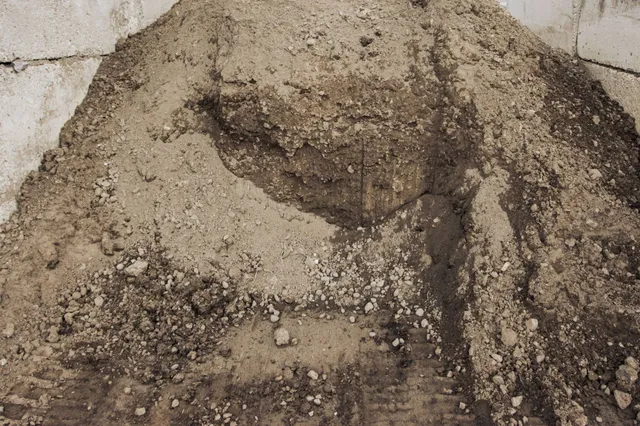
Fill Dirt
Grading & Backfill
See delivered price
View product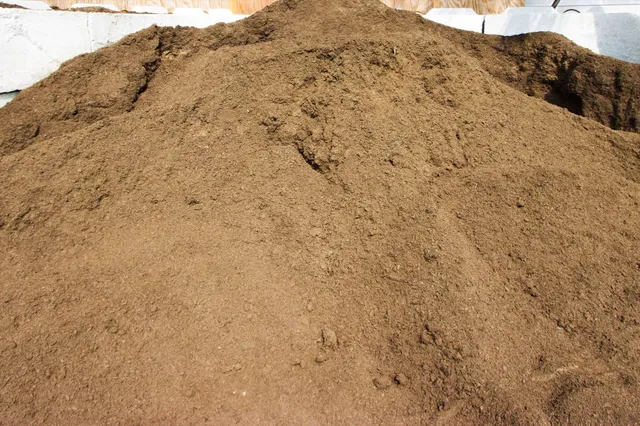
Topsoil
Lawn establishment & Garden beds
See delivered price
View product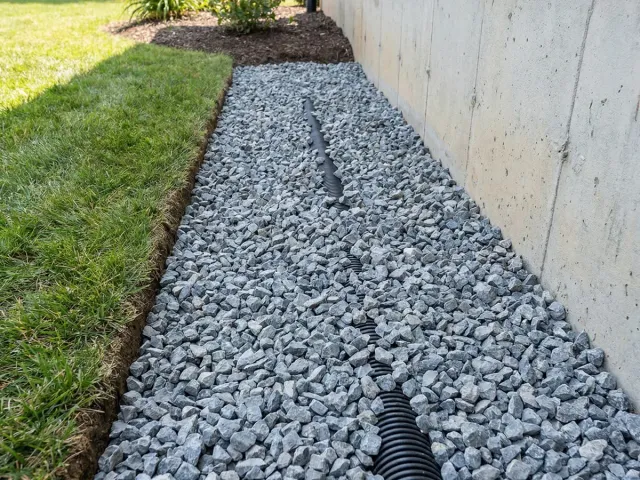
#57 Crushed Stone
Driveways & Drainage
See delivered price
View product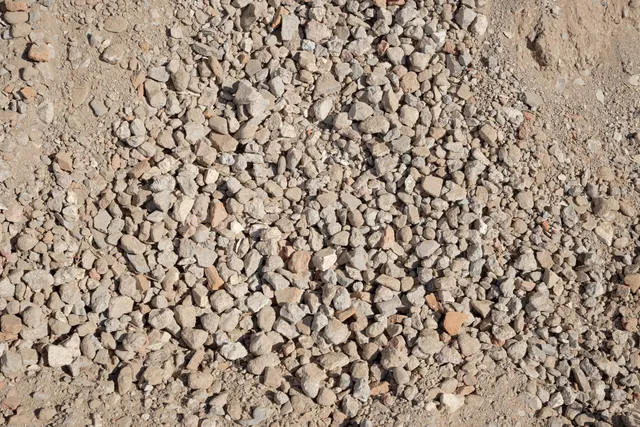
Road Base
Driveway base & Road construction
See delivered price
View product