
How to Walk Quietly on Gravel
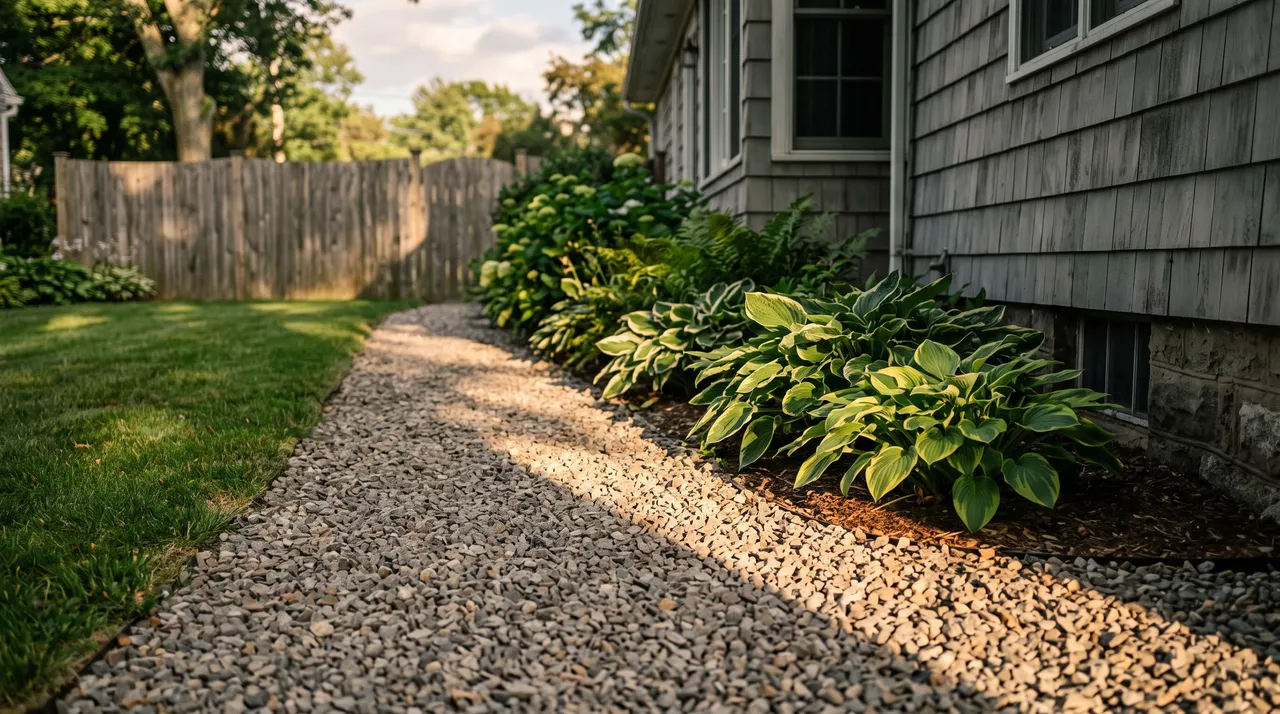
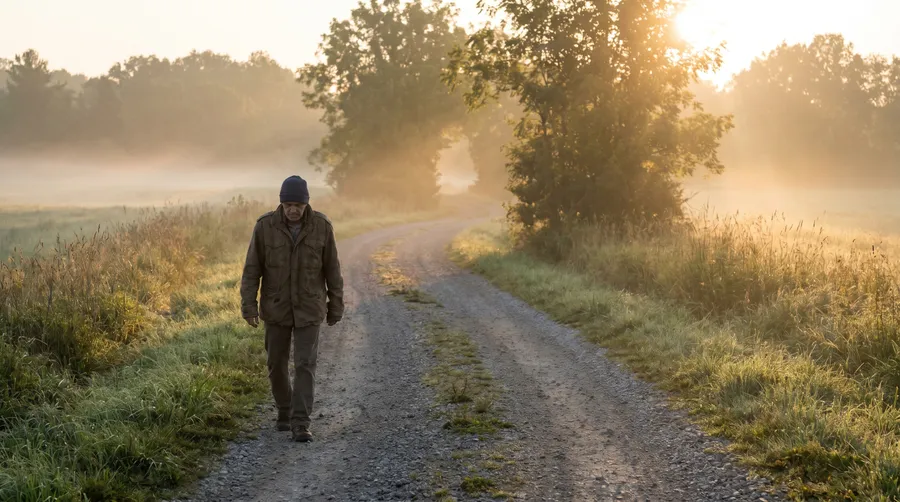
Picture this: you’re leaving for work at 5 AM, and every step down your gravel driveway sounds like a marching band. Your neighbors’ bedroom windows face the path, and you cringe with each crunch echoing through the quiet morning air.
The good news is that gravel noise is completely manageable. With the right footwear, walking technique, and understanding of what makes gravel loud in the first place, you can reduce that crunch by up to 80%. Whether you’re a contractor arriving early at job sites, a hunter moving through woodland trails, or simply someone who wants to respect their neighbors’ sleep, this guide will teach you how to move quietly on any gravel surface.
Quick tip: Wet gravel is naturally 60% quieter than dry gravel because moisture helps compact the stones and reduces their movement against each other.
About Hello Gravel
Hello Gravel delivers bulk gravel, rock, dirt, and sand by the ton. Enter your ZIP code to see prices with delivery included. A local dump-truck driver places the load where access is safe; spreading is not included.
Understanding why gravel creates so much noise
Gravel noise comes from one simple physics principle: stone-on-stone contact. When you step onto loose gravel, your foot displaces dozens of stones simultaneously. These stones shift, roll, and collide with neighboring stones, creating that familiar grinding crunch that can carry surprisingly far in quiet environments.
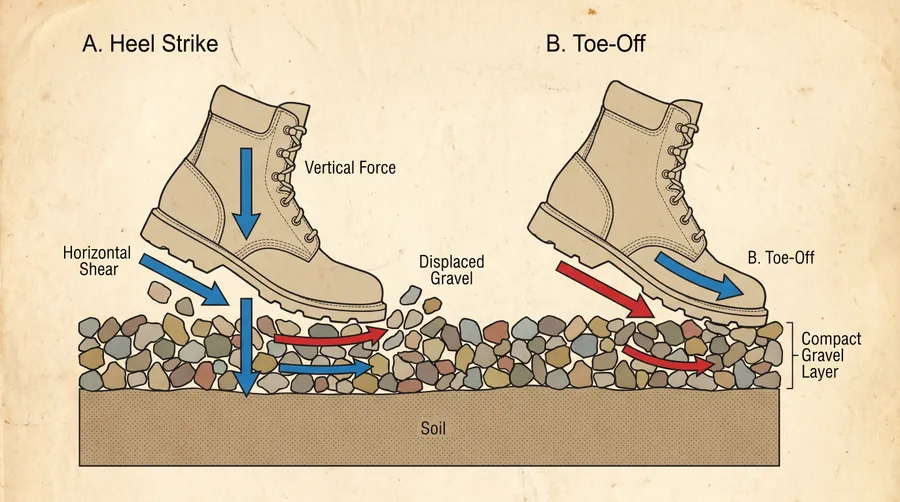
Several factors make this noise worse. Larger, angular stones like crushed limestone create more aggressive shifting than smaller, rounded particles. Fresh gravel installations are always noisier because the stones haven’t had time to settle and compact naturally. Your footwear also plays a huge role - hard boot soles concentrate all your body weight into a small impact point, moving more stones with each step.
The acoustic environment matters too. Gravel noise reflects off nearby surfaces like house walls, fences, and parked cars, amplifying the sound. In wooded areas or enclosed courtyards, that crunch can seem twice as loud as it would in an open field.
Choosing the right footwear for quiet gravel walking
Your shoes are the most important factor in reducing gravel noise. Hard-soled boots, whether they’re work boots with rigid lugs or dress shoes with leather soles, create maximum impact force and displace the most stones per step.
Soft rubber or foam-soled shoes work much better because they compress slightly on contact, distributing your weight more gradually across the gravel surface. Trail runners, lightweight hiking shoes, and cushioned sneakers all fall into this category. Look for shoes with wider, flatter soles rather than narrow or pointed designs.
Here’s a field trick used by hunters and outdoor professionals: pull thick wool or fleece socks over your regular footwear. This creates a soft, compressible layer that significantly dampens the crunch. You can achieve similar results with fabric wraps made from old towels or carpet pieces, though these are less practical for everyday use.
Make sure your shoes fit properly too. Loose footwear allows your foot to slide and shift inside the shoe, creating additional friction noise and reducing your control over each step.
Pro insight: Shoes with wider soles spread your weight across more stones, reducing the displacement and noise of each individual stone movement.
Mastering quiet walking technique on gravel
Most people walk with a heel-to-toe gait, where the heel strikes first and the foot rolls forward. On gravel, this creates two distinct impact points per step, essentially doubling the stone displacement and noise.
Instead, try a flat-foot approach where your entire sole contacts the surface at once. This spreads your weight more evenly and reduces the grinding effect. Start by slowing your walking pace significantly - faster steps mean more force per impact, while deliberate, controlled movement gives you better accuracy with each foot placement.
Adjust your posture by bending your knees slightly and lowering your center of gravity. This helps you maintain balance while moving more deliberately. Keep your weight primarily over your back foot as you place the front foot, then gradually transfer weight forward once you’ve tested the stability of the gravel beneath.
Look ahead to plan your route. Compacted areas along the edges of gravel paths are usually quieter than the loose center sections. Embedded stones or areas where vehicles have compressed the surface also provide more stable, quieter footing.
Selecting gravel types that minimize walking noise
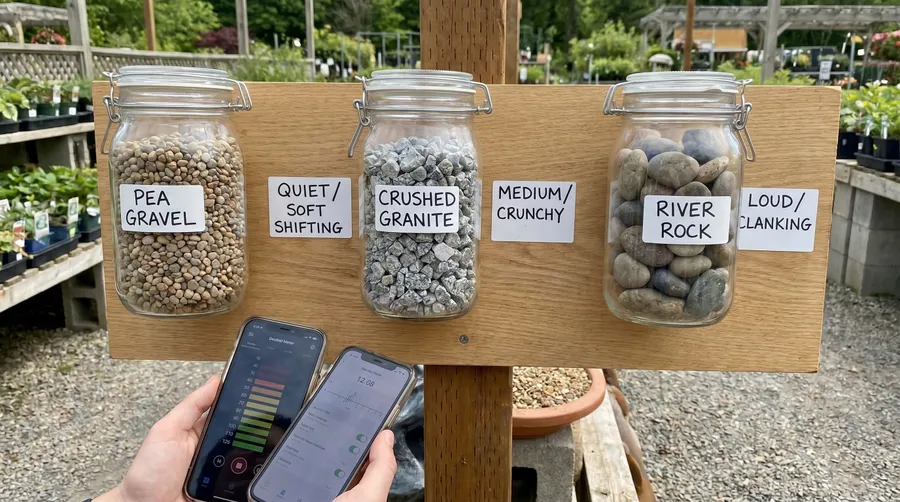
If you’re planning a new gravel installation or have input on gravel selection, the type of aggregate makes a significant difference in noise levels. Here’s how common gravel types compare for quiet walking:
| Gravel Type | Noise Level | Walking Tips |
|---|---|---|
| Decomposed granite | Low-Moderate | Compacts well, becomes firmer over time |
| Fine screened gravel | Moderate | Smaller particles lock together more easily |
| Pea gravel | Moderate-High | Use wider-soled shoes, avoid loose edges |
| Crushed limestone | High initially | Gets quieter as it compacts with use |
| River rock | Very High | Round stones roll and shift constantly |
Decomposed granite and fine screened gravel are your quietest options because they contain particles of varying sizes that interlock and compact naturally. River rock is the loudest choice because the rounded stones roll easily and never truly settle into a stable surface.
For existing gravel surfaces, you can reduce noise by adding a thin layer of finer aggregate on top, or by using a plate compactor to compress the existing material. Both methods help stabilize the surface and reduce stone movement.
Design tip: Installing a proper base layer of compacted road base beneath decorative gravel reduces long-term settling and keeps the surface quieter for years.
Applying quiet walking skills in real situations
Different scenarios call for slightly different approaches to quiet gravel walking. In residential areas across the United States, focus on timing and route planning. Early morning and late evening are when gravel noise carries furthest, so extra care with technique pays off during these hours. Look for established walking lines where previous foot traffic has compressed the gravel.
For contractors and landscapers arriving at job sites before dawn, consider keeping a pair of soft-soled shoes in your vehicle specifically for the approach to the work area. You can change into work boots once you’re away from noise-sensitive areas like bedrooms or neighboring properties.
Hunters and wildlife observers benefit from practicing the slow-step technique, where each foot placement takes 10-15 seconds. This allows you to feel for stable stones before committing your full weight, virtually eliminating sudden crunching sounds that could startle animals.
The key in all situations is patience and awareness. Rushing across gravel always creates more noise, while deliberate movement with proper technique can make even loose pea gravel surprisingly quiet underfoot.
Walking quietly on gravel comes down to understanding the physics of stone displacement and making smart choices about footwear, technique, and when possible, gravel selection itself. With soft-soled shoes, controlled movement, and attention to compacted walking surfaces, you can dramatically reduce the noise of every step. Whether you’re respecting sleeping neighbors or approaching wildlife, these techniques will help you move with confidence and consideration.
At Hello Gravel, we help property owners nationwide choose aggregate materials that balance functionality with noise considerations. If you’re planning a gravel installation where quiet foot traffic matters, we can recommend specific mixes and installation techniques that minimize long-term noise while maintaining durability and drainage. Our nationwide network of suppliers ensures you can access the right materials for your project, whether you’re in New Orleans or anywhere else across the country.
FAQ
Does wet gravel make less noise than dry gravel?
Yes, wet gravel is naturally about 60% quieter than dry gravel. Moisture helps compact the stones together and reduces their movement against each other when you step on them. However, be careful of traction on wet surfaces and ensure proper drainage to prevent long-term mud issues.
What type of shoes are best for walking quietly on gravel?
Soft rubber or foam-soled shoes work best for quiet gravel walking. Trail runners, lightweight hiking shoes, and cushioned sneakers are ideal choices. Avoid hard-soled boots, dress shoes with leather soles, or shoes with aggressive lug patterns, as these create maximum impact and displace more stones with each step.
Can I make my existing gravel driveway quieter without replacing it?
Yes, you can reduce noise on existing gravel by compacting it with a plate compactor or adding a thin layer of finer aggregate on top. You can also install edging to prevent stones from spreading and becoming loose. These methods help stabilize the surface and reduce stone movement without a complete replacement.
What walking technique reduces gravel noise the most?
The flat-foot approach works best on gravel, where your entire sole contacts the surface at once rather than heel-to-toe walking. This spreads your weight more evenly and reduces stone displacement. Walk slowly with slightly bent knees, and look for compacted areas along path edges which are typically quieter than loose center sections.
Materials for this project
Get it delivered — dumped where you need it
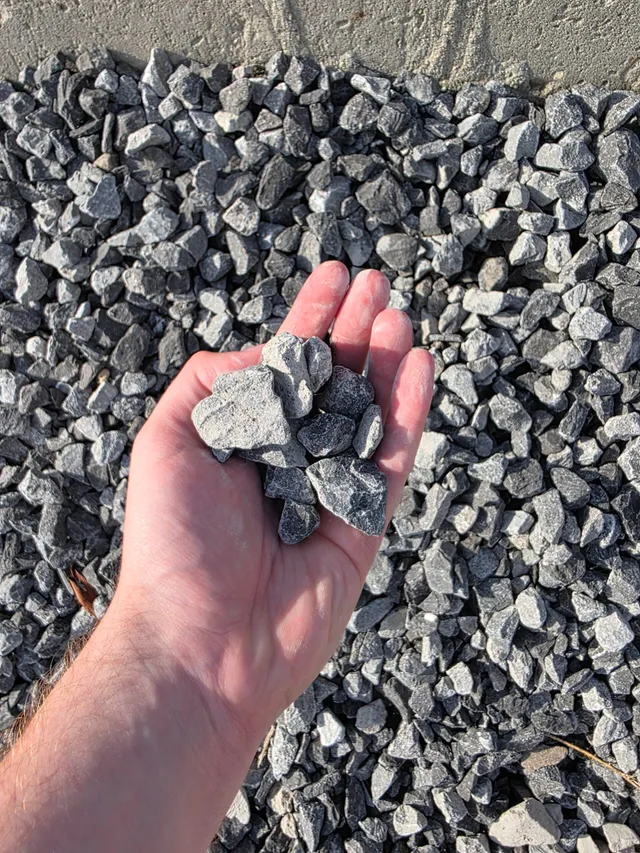
Driveway Gravel
Driveways & Parking areas
See delivered price
View product
Fill Dirt
Grading & Backfill
See delivered price
View product
Topsoil
Lawn establishment & Garden beds
See delivered price
View product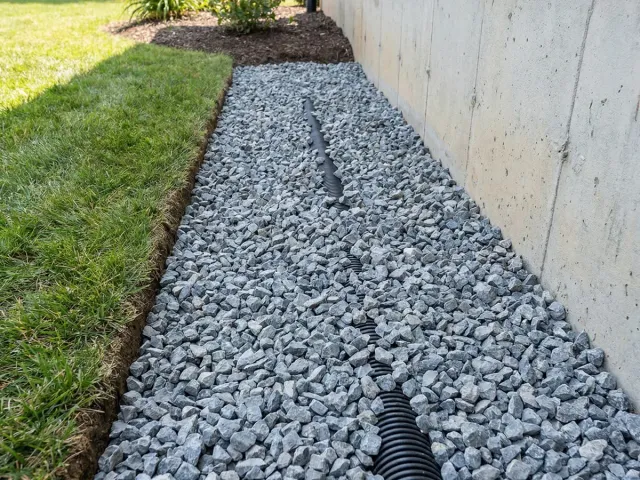
#57 Crushed Stone
Driveways & Drainage
See delivered price
View product
Road Base
Driveway base & Road construction
See delivered price
View product