
Infield Mix for Baseball Fields (Complete Guide)
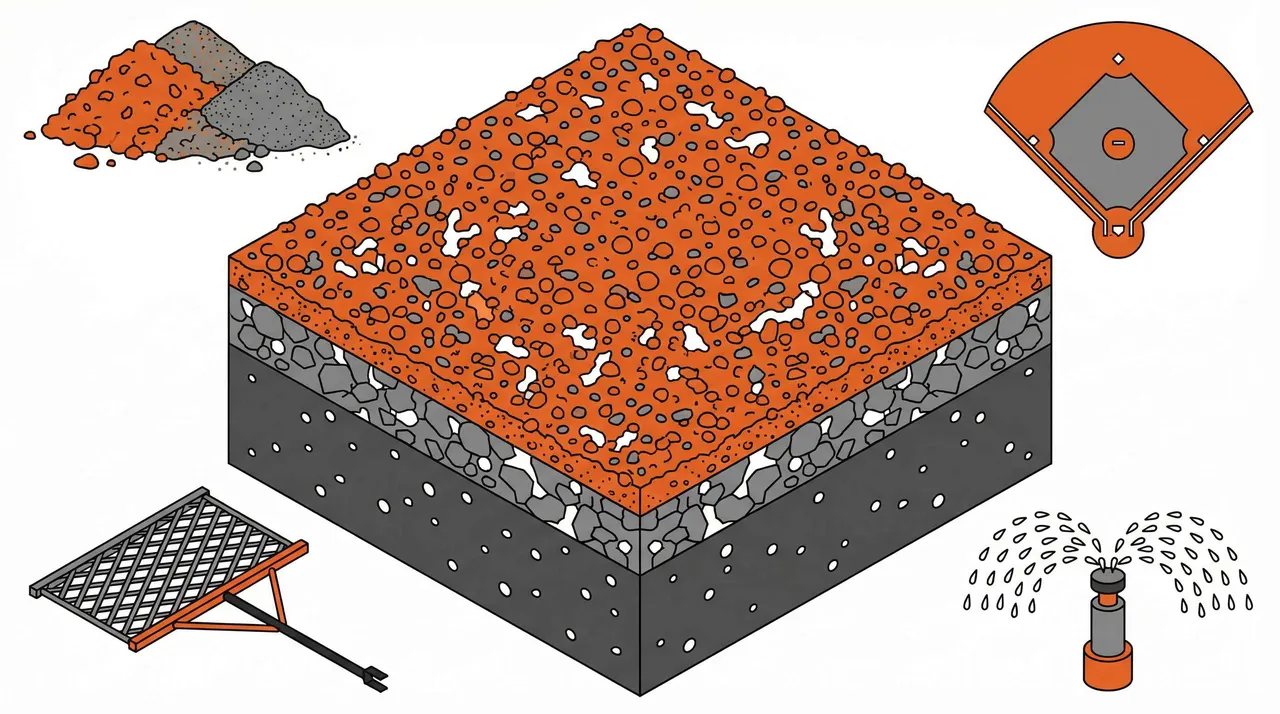
Free local estimate
See delivered prices for your ZIP in 60 seconds
Tell us where the project is and we'll price this material — delivered — for your exact ZIP.
- Real delivered pricing for your ZIP — not a generic range.
- Works for any quantity — driveways, pads, drains, or full projects.
- Prefer to talk? We follow up with local availability and delivery windows.
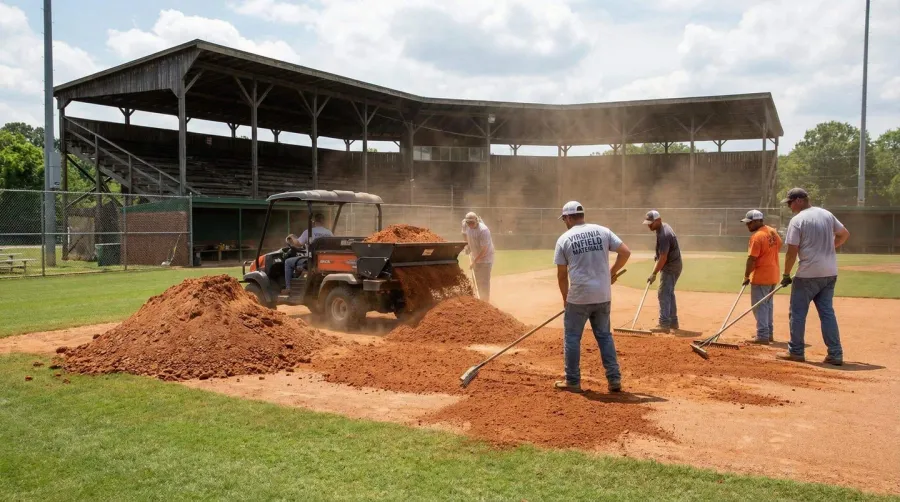
When you’re building or maintaining a baseball field, the infield mix you choose makes all the difference between a professional-quality surface and one that causes frustration for players and coaches. Virginia Infield Mix has become the gold standard for sports fields across the country, offering the perfect balance of drainage, stability, and playability that serious field managers demand.
This specialized blend of sand, clay, and silt creates a consistent playing surface that drains quickly after rain while maintaining the firmness needed for proper ball bounce and safe player movement. Whether you’re managing a high school diamond or a recreational league field, understanding what makes Virginia Infield Mix special can help you make the right choice for your facility.
Quick Fact: Virginia Infield Mix typically contains 60-70% sand, 20-30% clay, and 10-15% silt, creating optimal drainage while maintaining surface stability for consistent ball bounce.
About Hello Gravel
Hello Gravel delivers bulk gravel, rock, dirt, and sand by the ton. Enter your ZIP code to see prices with delivery included. A local dump-truck driver places the load where access is safe; spreading is not included.
What makes Virginia Infield Mix different
Virginia Infield Mix stands apart from standard infield dirt through its carefully engineered composition and rigorous quality control process. According to hellogravel.com/guides, this premium blend combines high-quality clay sourced from specific geological locations with precisely graded sand and silt particles.
The manufacturing process begins with sourcing clay from locations known for their mineral consistency and binding properties. This clay undergoes thorough screening to remove impurities before being blended with sand and silt in exact ratios. The moisture content is carefully controlled during mixing to ensure the final product performs consistently across different weather conditions.
What sets this mix apart is its engineered particle size distribution. The sand provides drainage and prevents compaction, while the clay offers binding strength and moisture retention. The silt acts as a bridge between these components, creating a cohesive surface that won’t become dusty in dry conditions or muddy when wet. Similar to how screened gravel is processed for specific particle sizes, Virginia Infield Mix undergoes precise screening to achieve optimal performance characteristics.
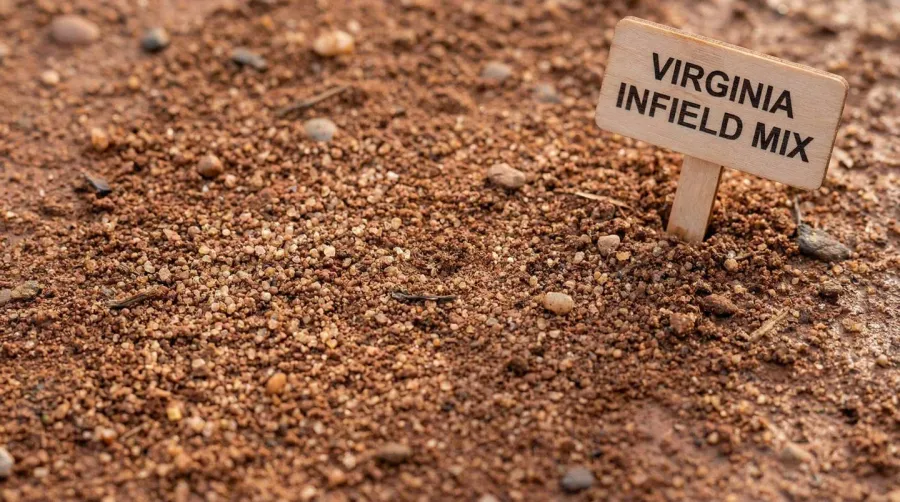
Key benefits for your baseball field
The performance advantages of Virginia Infield Mix become apparent from the first game played on a properly installed surface. Field managers consistently report improved ball bounce consistency, with grounders rolling true rather than taking unpredictable hops that can frustrate players and affect game outcomes.Drainage performance represents perhaps the most significant benefit. Unlike traditional clay-heavy infield mixes that can become waterlogged, Virginia Infield Mix allows water to percolate through the surface while maintaining structural integrity. This means your field returns to playable condition faster after rain events, reducing cancelled games and practice sessions. The drainage principles are similar to those used in drainage rock for driveways, where proper water management prevents surface deterioration.
The durability factor translates directly to cost savings over time. Properly maintained Virginia Infield Mix can last 3-5 years before requiring complete replacement, compared to annual top-dressing needed with lower-quality alternatives. The surface resists rutting and maintains its grade even under heavy use during tournament play.
Pro Tip: Virginia Infield Mix requires 20-30% less water for dust control compared to standard clay mixes, making it ideal for areas with water restrictions or high maintenance costs.
Cost considerations and value analysis
Pricing for Virginia Infield Mix varies significantly based on quantity, location, and current market conditions. Based on industry data from suppliers like SiteOne, bulk pricing typically ranges from $50-120 per ton, with transportation costs adding $15-40 per ton depending on distance from the supplier.
The initial investment appears higher than standard infield mixes, but the total cost of ownership often favors Virginia Infield Mix. Consider that a typical high school infield requires 40-60 tons for complete renovation. While the upfront cost might be $3,000-7,000 compared to $1,500-3,500 for basic clay, the extended lifespan and reduced maintenance requirements often justify the premium.
Bulk purchasing offers the best value, with many suppliers providing significant discounts for orders over 20 tons. Some suppliers, including Hello Gravel, offer free delivery within their service areas, which can reduce total project costs by $500-1,500 depending on the quantity ordered.
| Purchase Quantity | Price Range per Ton | Typical Delivery Cost |
|---|---|---|
| 5-15 tons | $80-120 | $25-40 per ton |
| 16-30 tons | $60-90 | $15-25 per ton |
| 30+ tons | $50-75 | Often included |
Installation and maintenance requirements
Proper installation determines whether Virginia Infield Mix delivers its promised performance benefits. The process begins with excavating existing material to a depth of 3-4 inches, ensuring proper grade and drainage. The base should be compacted and graded to promote water flow toward designated drainage areas.
Installation requires spreading the mix in 1-2 inch lifts, with each lift lightly compacted using a roller or plate compactor. Avoid over-compaction, which can reduce the drainage benefits that make Virginia Infield Mix valuable. Understanding optimal compaction techniques is crucial for achieving the right balance between stability and drainage. The final surface should be dragged smooth and watered lightly to achieve proper moisture content for play.Ongoing maintenance focuses on moisture management and surface conditioning. During dry periods, light watering prevents dust while maintaining the proper playing characteristics. After rain, allow the surface to drain naturally rather than attempting to speed drying with excessive dragging, which can damage the surface structure. For facilities with multiple athletic surfaces, consider using warning track mix to create distinct playing zones that complement your infield.
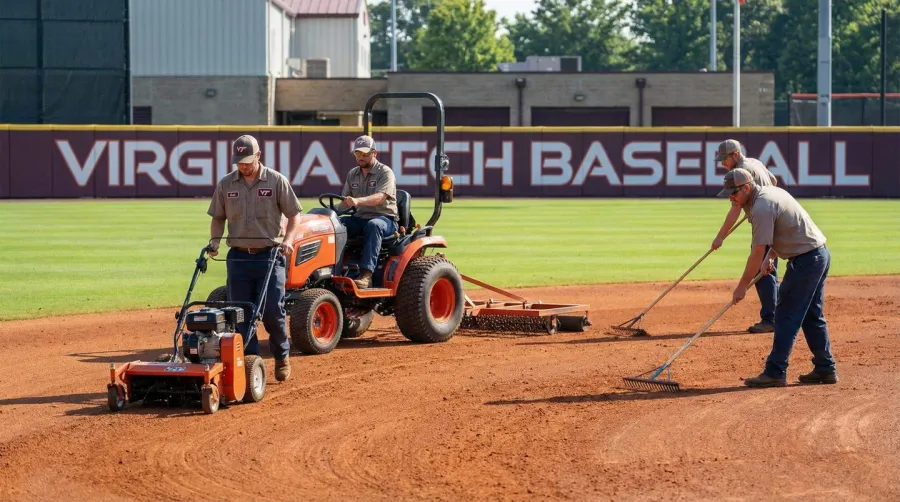
Maintenance Schedule: Plan for weekly dragging during the season, monthly moisture testing, and annual evaluation for spot repairs or amendments to maintain optimal playing conditions.
Virginia Infield Mix represents a significant upgrade for any baseball or softball facility serious about providing players with a professional-quality playing surface. While the initial investment exceeds basic alternatives, the combination of superior performance, reduced maintenance requirements, and extended lifespan makes it a smart choice for facilities that prioritize quality and long-term value.
The key to success lies in proper installation and consistent maintenance practices that preserve the engineered properties that make this mix special. Just as selecting the best aggregates for specific applications matters in landscaping projects, choosing the right infield mix is critical for athletic field performance. When you’re ready to upgrade your field, working with experienced suppliers who understand the specific requirements of Virginia Infield Mix ensures you get the results your players and program deserve.
FAQ
What makes Virginia Infield Mix different from standard infield dirt?
Virginia Infield Mix features a carefully engineered composition of 60-70% sand, 20-30% clay, and 10-15% silt that provides superior drainage while maintaining surface stability. Unlike standard clay-heavy mixes that become waterlogged, this premium blend allows water to percolate through while maintaining structural integrity, resulting in consistent ball bounce and faster field recovery after rain events.
How much does Virginia Infield Mix cost per ton?
Virginia Infield Mix typically ranges from $50-120 per ton depending on quantity and location, with transportation costs adding $15-40 per ton. Bulk orders over 30 tons often receive the best pricing at $50-75 per ton with delivery sometimes included. While the initial investment is higher than basic clay mixes, the extended 3-5 year lifespan and reduced maintenance requirements often justify the premium cost.
How often should Virginia Infield Mix be replaced?
Properly maintained Virginia Infield Mix can last 3-5 years before requiring complete replacement, significantly longer than standard infield mixes that need annual top-dressing. The surface resists rutting and maintains its grade even under heavy tournament play. Regular maintenance includes weekly dragging during season, monthly moisture testing, and annual evaluation for spot repairs.
What are the key installation requirements for Virginia Infield Mix?
Proper installation requires excavating existing material to 3-4 inches depth, ensuring proper grade and drainage. The mix should be spread in 1-2 inch lifts with light compaction using a roller or plate compactor. Avoid over-compaction to preserve drainage benefits. The final surface should be dragged smooth and lightly watered to achieve proper moisture content for optimal playing conditions.
Most-ordered materials
Get it delivered — dumped where you need it
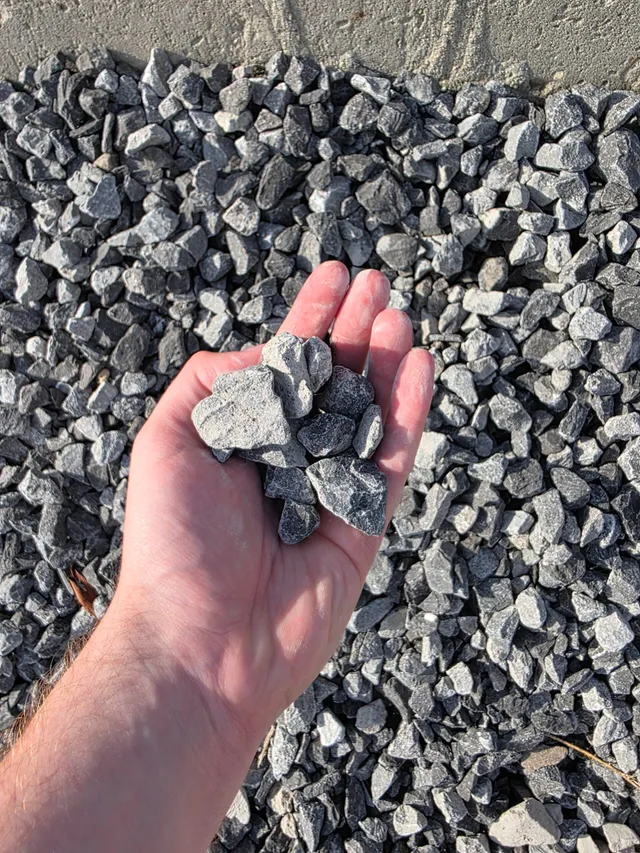
Driveway Gravel
Driveways & Parking areas
See delivered price
View product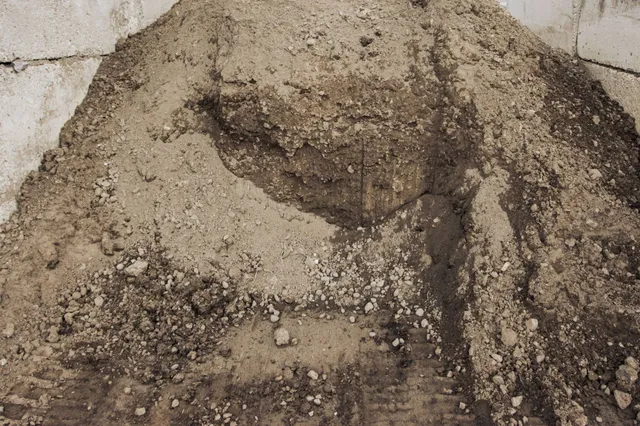
Fill Dirt
Grading & Backfill
See delivered price
View product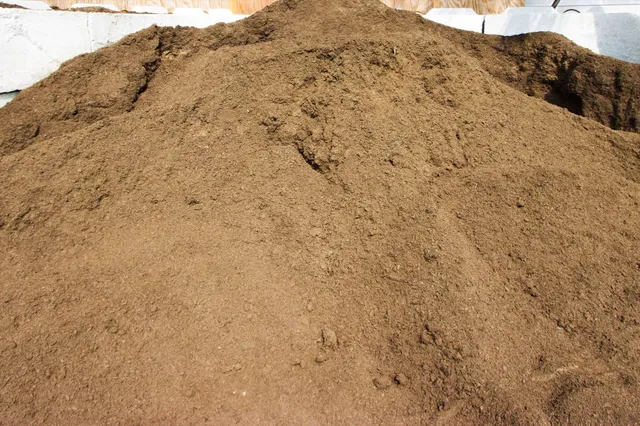
Topsoil
Lawn establishment & Garden beds
See delivered price
View product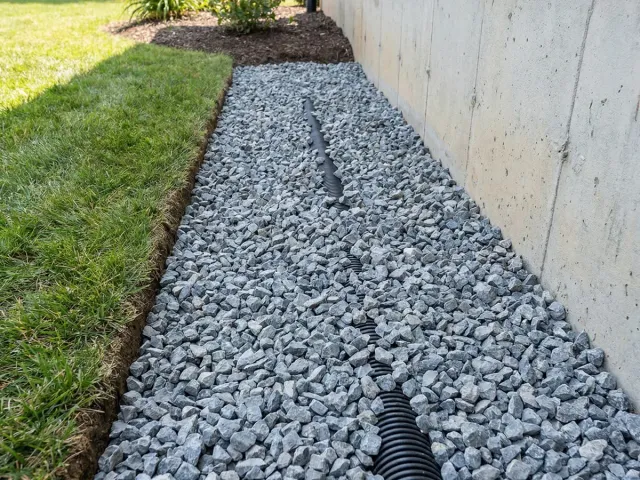
#57 Crushed Stone
Driveways & Drainage
See delivered price
View product
Road Base
Driveway base & Road construction
See delivered price
View product