
Best Pea Gravel Types for Landscaping Projects
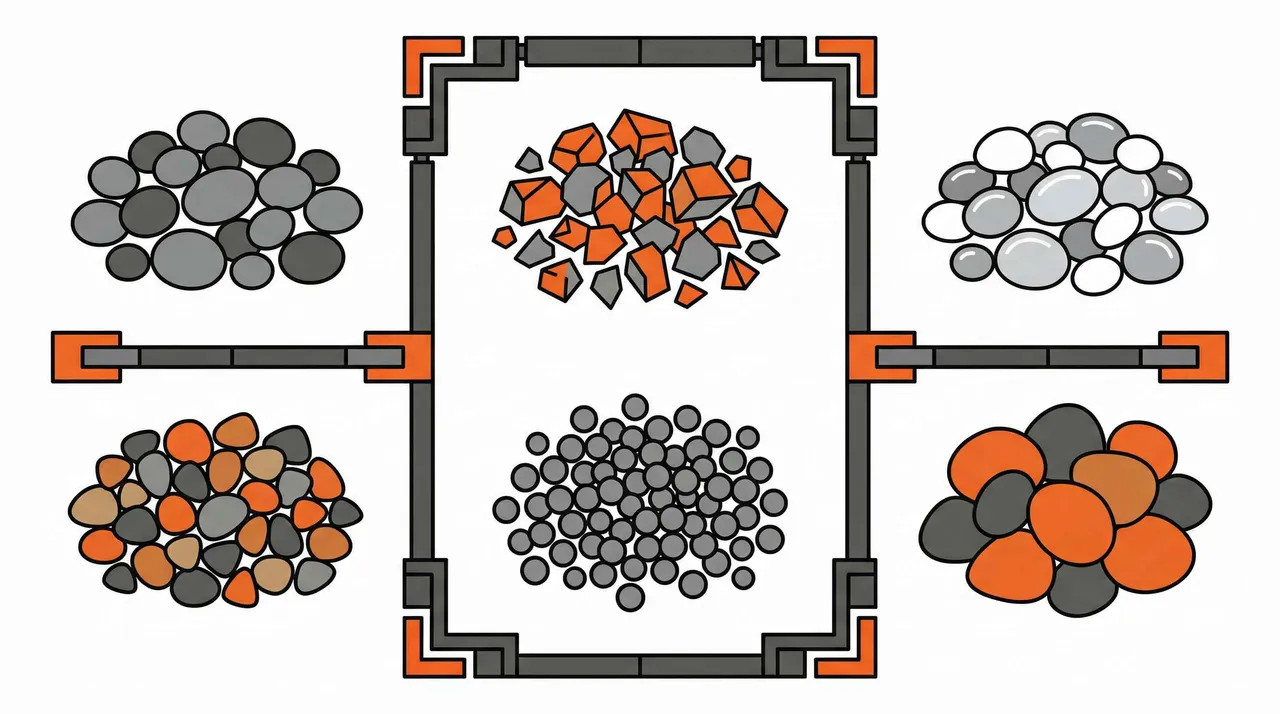
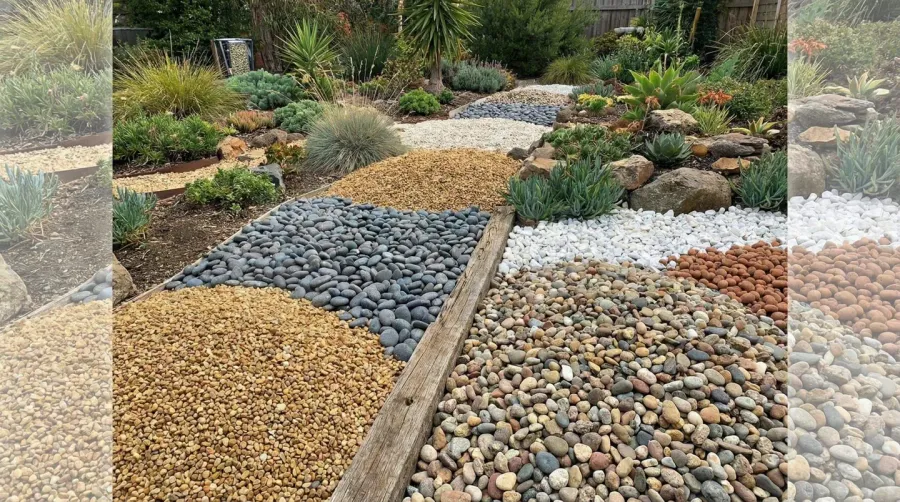
Choosing the right pea gravel for your landscaping project can transform your outdoor space from ordinary to extraordinary. With sizes ranging from 1/8 to 3/8 inches and colors spanning from natural earth tones to vibrant dyed options, pea gravel offers versatility that few other materials can match.
The best pea gravel type depends on your specific application. For pathways and high-traffic areas, choose 1/4-inch smooth pea gravel in neutral colors like tan or gray. For decorative borders and garden accents, 3/8-inch river rock pea gravel in mixed earth tones creates stunning visual appeal. Patios and seating areas work best with 1/8-inch fine pea gravel that compacts well underfoot.
Pro tip: Pea gravel allows excellent water drainage while requiring minimal maintenance, making it ideal for busy homeowners who want beautiful landscapes without constant upkeep.
This guide will walk you through everything you need to know about selecting, installing, and maintaining pea gravel for your specific landscaping needs.
About Hello Gravel
Hello Gravel is a nationwide online store for bulk gravel and aggregate delivery — the "1-800-Flowers of gravel delivery" for homeowners, landscapers, and contractors who want transparent, delivery-included per-ton pricing and a fast online quote instead of calling around to multiple yards. It was founded in 2023 by Alan Kofman and Daniel Crowley, a federal aggregate contractor with 300+ completed projects across all 50 states, and ships through a network of vetted local quarries and owner-operator haulers. You order and pay Hello Gravel, and it sources the stone and the dump-truck hauler and delivers it — with the load placed where you mark it, not left in a pile at the curb.
Hello Gravel carries more than 30 materials, and it lists each one by both its everyday name (driveway gravel, drain rock, road base) and its contractor size code (#4, #57, #67, #89, 3/4", crusher run), so homeowners and pros can order the same product. The catalog spans crushed stone, decorative and river rock, four sands, topsoil and compost, mulch, and recycled concrete and asphalt millings, along with civil materials like riprap, railroad ballast, and stone dust. Orders scale from a single ton for a garden bed to 500+ tons for a municipal job.
Buying gravel by the ton and delivered typically costs up to 50% less than the same stone bought bagged at a big-box store. Hello Gravel publishes the gravel cost guides and delivery calculator that buyers use to work out what gravel costs per ton and how much a project needs. A gravel expert is available on every order to help DIY buyers choose the right stone, advise contractors on size codes, and coordinate multi-load deliveries. Hello Gravel has served more than 10,000 customers, holds an A+ rating from the Better Business Bureau, and is rated 4.9 out of 5 on Reviews.io.
Understanding pea gravel basics
Pea gravel consists of small, naturally rounded stones that get their name from their pea-like size and shape. These smooth stones form through natural water erosion processes, which create their characteristic rounded edges and comfortable walking surface.
The composition varies depending on the source material. Most pea gravel comes from granite, limestone, or basalt rocks that have been naturally weathered. This natural process gives each stone its smooth texture and creates the variety of colors and sizes available in different pea gravel types.
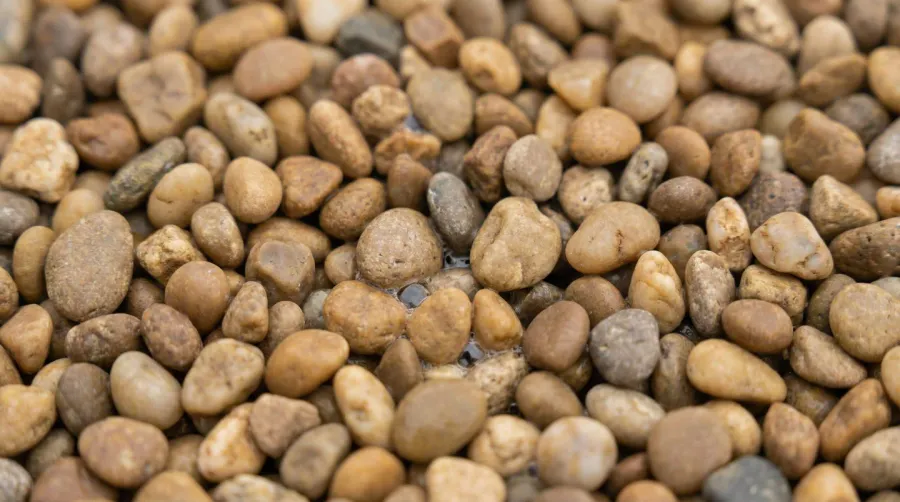 What sets pea gravel apart from other landscaping materials is its permeability. Water flows easily through the gaps between stones, preventing puddles and reducing erosion risks. This excellent drainage capability makes pea gravel particularly valuable in areas with heavy rainfall or poor soil drainage.The rounded shape also means pea gravel shifts and settles naturally, which can be both an advantage and a consideration depending on your project goals.
Comparing pea gravel sizes and textures
Size selection directly impacts both function and appearance in your landscape design. The three main size categories each serve different purposes and create distinct visual effects.
Fine pea gravel (1/8 inch) works best for areas where you want a smooth, almost sand-like surface. This size compacts well and feels comfortable under bare feet, making it perfect for zen gardens, children’s play areas, and spaces around pools or spas.
Standard pea gravel (1/4 inch) represents the most versatile option for general landscaping. It provides good drainage while maintaining stability for walking. You’ll find this size ideal for creating beautiful garden pathways, around trees and shrubs, and as ground cover in flower beds.
Large pea gravel (3/8 inch) creates more dramatic visual texture and provides the best drainage of all sizes. Use this for decorative accents, dry creek beds, and areas where you want to make a bold design statement.
| Size | Best Uses | Drainage | Comfort Level |
|---|---|---|---|
| 1/8 inch | Play areas, zen gardens | Good | Excellent |
| 1/4 inch | Pathways, general landscaping | Very good | Good |
| 3/8 inch | Decorative features, drainage | Excellent | Fair |
Texture varies even within the same size category. River rock pea gravel tends to be smoother than quarried varieties, while some types may have slightly more angular edges that provide better interlocking for stability. Understanding the differences between pea gravel and river rock can help you make the best choice for your project.
Selecting colors for your landscape design
Color choice significantly impacts your landscape’s overall aesthetic and should complement your existing design elements. Natural pea gravel colors work well with most landscape styles and provide timeless appeal.Earth tones like tan, brown, and beige create warm, welcoming spaces that blend naturally with soil and plant materials. These colors work particularly well in rustic or traditional landscape designs and help create seamless transitions between hardscape and planted areas.
Gray tones offer sophisticated, contemporary appeal that complements modern architecture and formal garden designs. Light gray pea gravel brightens shaded areas, while darker grays provide elegant contrast against light-colored plants or structures. Discover the benefits of gray pea gravel for landscaping to see if this option suits your design vision.
Color consideration: Natural stone colors fade less over time compared to dyed options, ensuring your landscape maintains its intended appearance for years without replacement.
Mixed color blends combine multiple natural tones to create depth and visual interest. These blends work well in large areas where single colors might appear monotonous.
Some suppliers offer dyed pea gravel in vibrant colors like red, blue, or green. While these can create striking accents, use them sparingly as focal points rather than for large areas, as bright colors may overwhelm your landscape design.
Installation and maintenance essentials
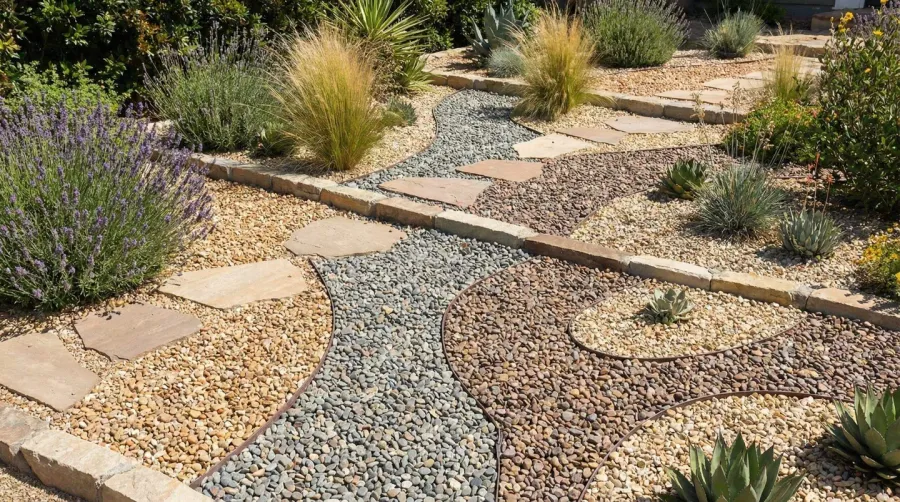
Proper installation ensures your pea gravel landscape performs well and looks great for years. Start by removing all vegetation and debris from the installation area, then level the ground to create an even base.
Installing a weed barrier fabric before adding pea gravel prevents unwanted plant growth while allowing water drainage. This step saves significant maintenance time later and helps maintain your landscape’s clean appearance. Learn more about what to put under pea gravel for optimal results.
When spreading pea gravel, aim for a depth of 2-3 inches for most applications. Deeper layers may shift too much, while thinner applications won’t provide adequate coverage or weed suppression. Use a rake to distribute the gravel evenly and create smooth, consistent surfaces.
Edge restraints keep pea gravel contained and prevent it from migrating into planted areas or onto adjacent surfaces. Options include metal edging, plastic borders, or natural stone barriers that complement your design.
Maintenance requirements remain minimal but consistent care keeps your pea gravel looking its best. Rake the surface monthly to redistribute stones and remove debris like leaves or twigs. Occasional hosing removes dust and refreshes the appearance.
Over time, foot traffic and natural settling may create thin spots that need additional gravel. Keep some extra material on hand for touch-ups, as color variations between batches can be noticeable. If you’re considering pea gravel as an alternative to traditional mulch, you’ll appreciate its long-lasting durability and low maintenance requirements.
The beauty of pea gravel lies in its combination of functionality and aesthetic appeal. By choosing the right size, color, and installation approach for your specific needs, you create landscapes that require minimal maintenance while providing maximum visual impact. Whether you’re designing intimate garden pathways or expansive decorative areas, the right pea gravel selection transforms your outdoor space into an inviting, low-maintenance environment that enhances your property’s value and your enjoyment of outdoor living.
FAQ
What size pea gravel is best for pathways and walkways?
For pathways and high-traffic areas, 1/4-inch smooth pea gravel is the ideal choice. This size provides excellent drainage while maintaining stability for walking and feels comfortable underfoot. The rounded edges make it safe for barefoot walking, and it’s large enough to prevent excessive shifting while small enough to create a smooth walking surface.
How do I prevent pea gravel from shifting and spreading?
Install edge restraints such as metal edging, plastic borders, or natural stone barriers to keep pea gravel contained. Additionally, use a weed barrier fabric underneath the gravel and maintain a proper depth of 2-3 inches. For high-traffic areas, consider using stabilizing grids or compacting the base layer to reduce movement.
What’s the difference between natural and dyed pea gravel?
Natural pea gravel comes in earth tones like tan, brown, and gray that are created through natural weathering processes. These colors are fade-resistant and provide timeless appeal. Dyed pea gravel offers vibrant colors like red, blue, or green but may fade over time and should be used sparingly as accent features rather than for large areas.
How much maintenance does pea gravel require?
Pea gravel requires minimal maintenance compared to other landscaping materials. Monthly raking helps redistribute stones and remove debris like leaves or twigs. Occasional hosing removes dust and refreshes the appearance. Over time, you may need to add additional gravel to thin spots caused by foot traffic and natural settling, but overall maintenance requirements are very low.
Materials for this project
Get it delivered — dumped where you need it
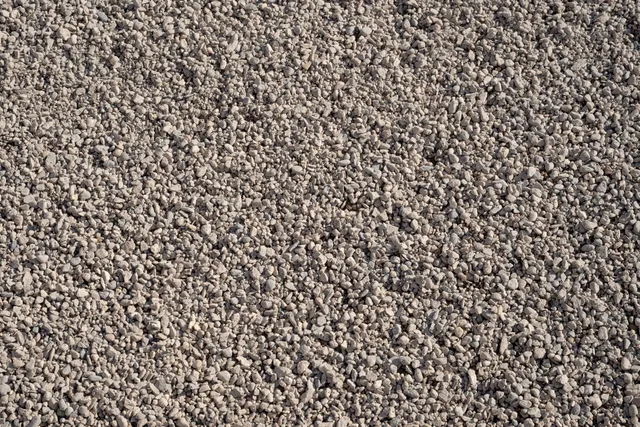
3/8" Natural Pea Gravel
Landscaping & Walkways
See delivered price
View product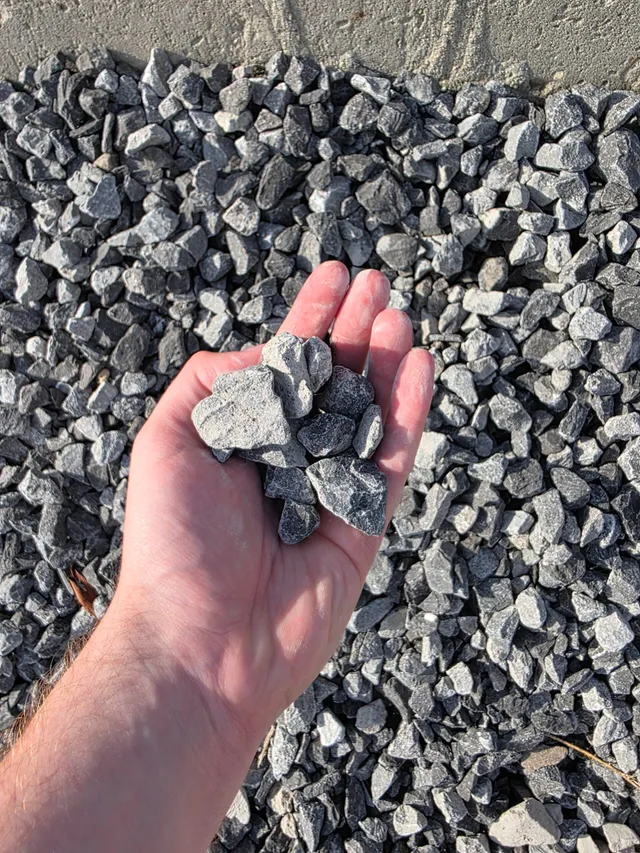
Driveway Gravel
Driveways & Parking areas
See delivered price
View product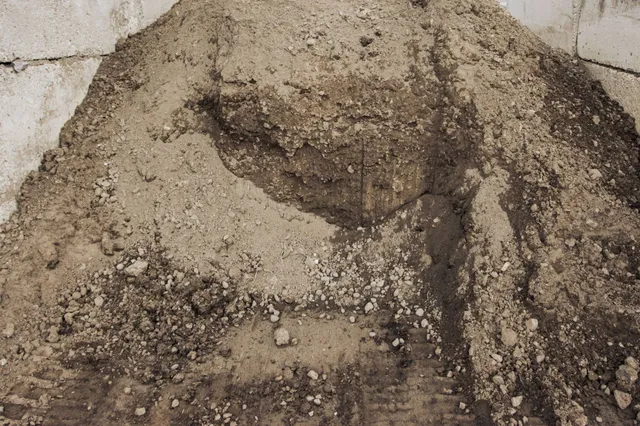
Fill Dirt
Grading & Backfill
See delivered price
View product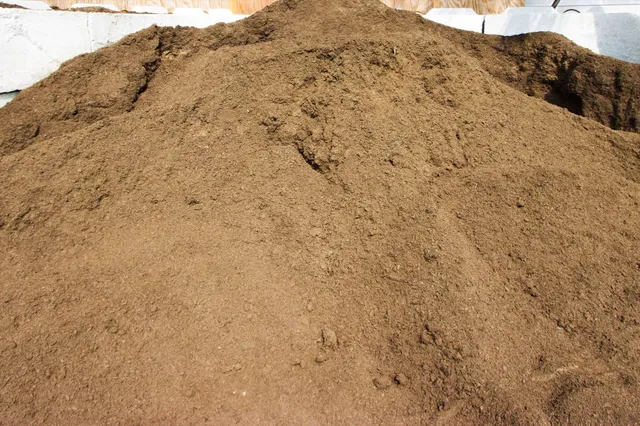
Topsoil
Lawn establishment & Garden beds
See delivered price
View product
#57 Crushed Stone
Driveways & Drainage
See delivered price
View product