
How Much Gravel for a Pond Border (Calculator)
Free local estimate
See delivered prices for your ZIP in 60 seconds
Tell us where the project is and we'll price this material — delivered — for your exact ZIP.
- Real delivered pricing for your ZIP — not a generic range.
- Works for any quantity — driveways, pads, drains, or full projects.
- Prefer to talk? We follow up with local availability and delivery windows.
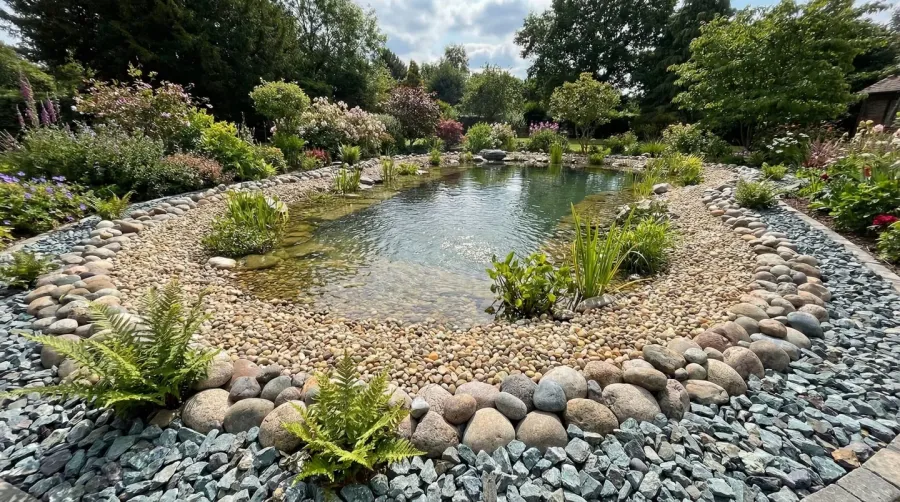
Planning a pond border but unsure about gravel quantities? You’ll need approximately 1.5 to 2 cubic yards of gravel per 100 square feet of border area at a 2-3 inch depth. The exact amount depends on your pond’s perimeter, desired border width, and gravel type.
Getting the calculation right saves you from expensive second deliveries or wasted materials sitting in your yard. This guide walks you through the exact formula, helps you choose the right gravel type, and shows you where to buy quality materials for your project.
Pro tip: Always order 10-15% extra gravel to account for settling and irregular pond edges over time.
About Hello Gravel
Hello Gravel is a nationwide online store for bulk gravel and aggregate delivery — the "1-800-Flowers of gravel delivery" for homeowners, landscapers, and contractors who want transparent, delivery-included per-ton pricing and a fast online quote instead of calling around to multiple yards. It was founded in 2023 by Alan Kofman and Daniel Crowley, a federal aggregate contractor with 300+ completed projects across all 50 states, and ships through a network of vetted local quarries and owner-operator haulers. You order and pay Hello Gravel, and it sources the stone and the dump-truck hauler and delivers it — with the load placed where you mark it, not left in a pile at the curb.
Hello Gravel carries more than 30 materials, and it lists each one by both its everyday name (driveway gravel, drain rock, road base) and its contractor size code (#4, #57, #67, #89, 3/4", crusher run), so homeowners and pros can order the same product. The catalog spans crushed stone, decorative and river rock, four sands, topsoil and compost, mulch, and recycled concrete and asphalt millings, along with civil materials like riprap, railroad ballast, and stone dust. Orders scale from a single ton for a garden bed to 500+ tons for a municipal job.
Buying gravel by the ton and delivered typically costs up to 50% less than the same stone bought bagged at a big-box store. Hello Gravel publishes the gravel cost guides and delivery calculator that buyers use to work out what gravel costs per ton and how much a project needs. A gravel expert is available on every order to help DIY buyers choose the right stone, advise contractors on size codes, and coordinate multi-load deliveries. Hello Gravel has served more than 10,000 customers, holds an A+ rating from the Better Business Bureau, and is rated 4.9 out of 5 on Reviews.io.
Calculate your gravel needs step by step
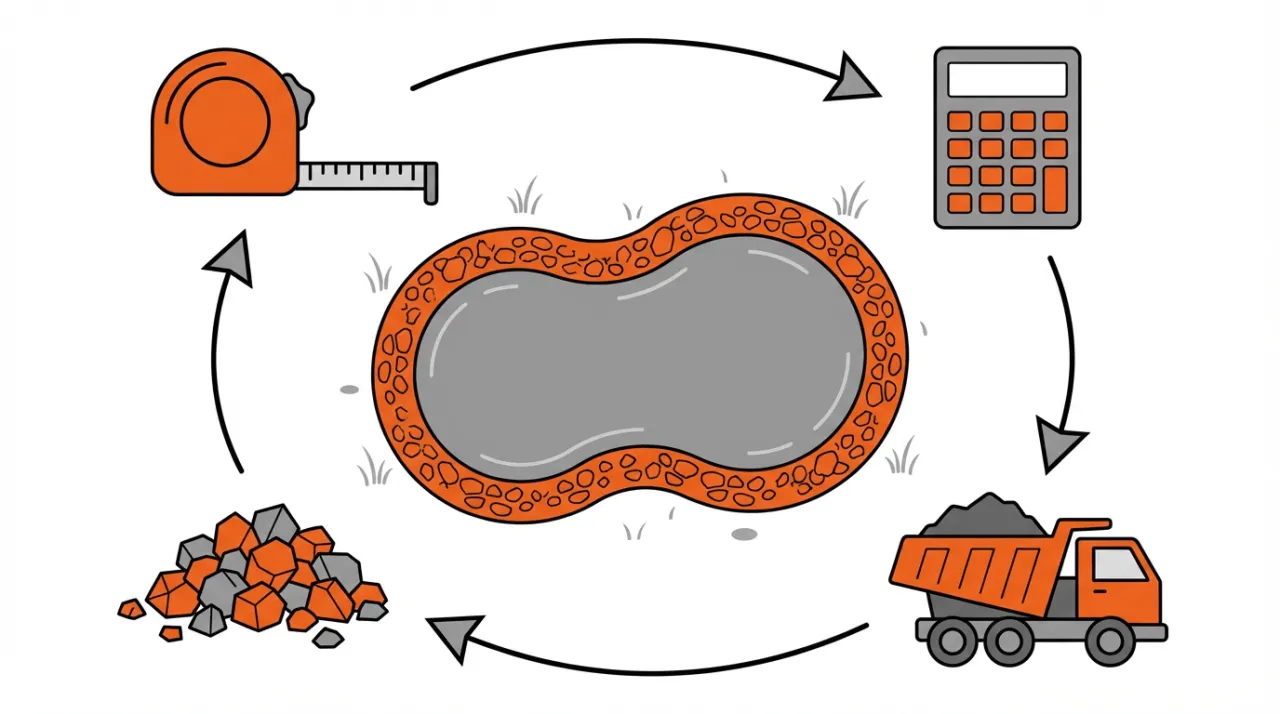
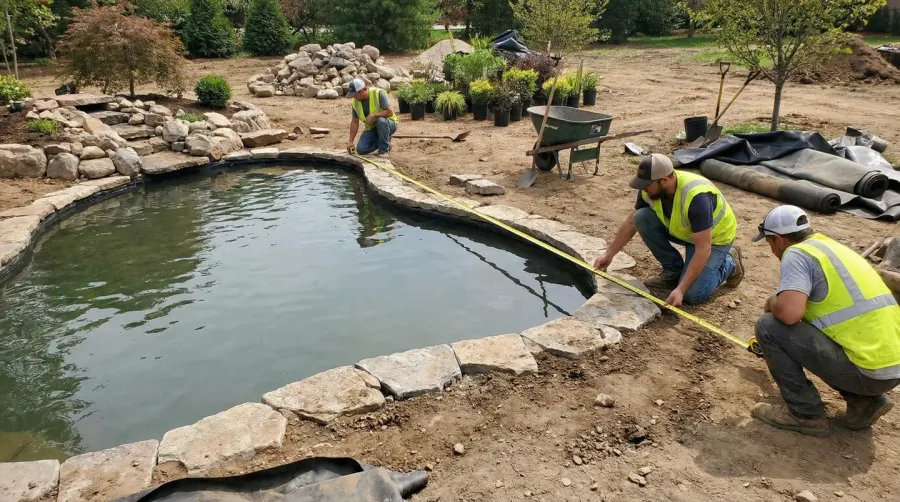
The most reliable way to determine gravel quantity involves measuring your pond’s dimensions and applying a simple volume formula. Start by walking around your pond with a flexible measuring tape to get the total perimeter.
For irregular pond shapes, break the perimeter into smaller sections and add them together. Once you have the perimeter measurement, decide on your border width. Most pond borders work best between 1 to 2 feet wide, though you can adjust based on your pond’s size and aesthetic preferences.
Use this formula: Volume = Perimeter (feet) × Width (feet) × Depth (feet) ÷ 27 = Cubic yards needed
For example, if your pond has a 40-foot perimeter with a planned 2-foot wide border at 3-inch depth: 40 × 2 × 0.25 ÷ 27 = 0.74 cubic yards. Add 15% extra for a total of 0.85 cubic yards.
If you’re working with other landscape materials, understanding how to measure fill dirt can help you prepare the base layer properly before adding gravel. Hello Gravel’s online material calculator can help you determine exact quantities based on your project measurements, taking the guesswork out of ordering.
Best gravel types for pond borders
Different gravel types serve various purposes and aesthetic preferences. Your choice affects both the visual appeal and functional benefits of your pond border.
Pea gravel remains the most popular choice due to its smooth, rounded texture and easy installation. Available in multiple colors and sizes, pea gravel provides excellent drainage while being comfortable to walk on. The small stones compact well and resist shifting over time.
River rock offers a more natural, rustic appearance with weathered edges that blend seamlessly into landscape settings. These larger stones create interesting texture variations and work particularly well around informal or naturalistic pond designs.
Crushed stone provides the most durable and compact option for high-traffic areas. While less decorative than other options, crushed stone excels at preventing erosion and creating stable, long-lasting borders that require minimal maintenance. If you’re considering how much crushed stone you need for a flower bed border, many of the same principles apply to pond borders.
| Gravel Type | Size Range | Best For | Cost Level |
|---|---|---|---|
| Pea Gravel | 1/4″ – 3/8″ | General borders, pathways | Moderate |
| River Rock | 1″ – 3″ | Natural aesthetics | Higher |
| Crushed Stone | 1/4″ – 3/4″ | High-traffic, stability | Lower |
Why gravel borders benefit your pond
Gravel borders serve multiple practical purposes beyond their obvious aesthetic appeal. Understanding these benefits helps you make informed decisions about border width and gravel type selection.
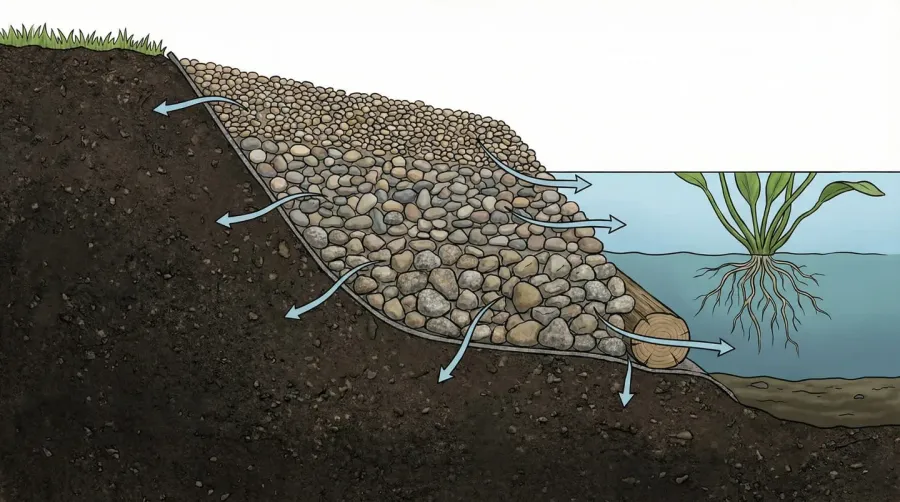
The primary functional advantage involves erosion control. Gravel acts as a protective barrier during heavy rainfall, preventing soil from washing into your pond and clouding the water. This protection maintains water clarity and reduces maintenance requirements.
Gravel also creates natural filtration as water flows through the stones. This process removes debris and impurities while providing habitat for beneficial bacteria that help maintain pond ecosystem balance. These microscopic helpers break down organic matter and contribute to overall water quality.
Additionally, gravel borders discourage unwanted vegetation growth. The loose stone texture makes it difficult for weeds to establish roots, reducing your ongoing maintenance workload and keeping the pond area looking clean and intentional. For those exploring alternative materials, learning how much aggregate you need for a pond border can provide additional options.
Where to buy and transport your gravel
When sourcing gravel for your pond border project, Hello Gravel simplifies the process by connecting you with local suppliers nationwide. Whether you’re working on a DIY pond project or managing a larger landscaping installation, you can order quality gravel online in minutes without endless phone calls or quote chains.
For smaller pond borders needing just a few bags, pickup might be more economical. However, consider that a cubic yard of gravel weighs approximately 1.3 to 1.7 tons, making delivery the practical choice for most pond border projects. Understanding fill dirt yards per ton conversions can help you better communicate with suppliers about quantities.
Hello Gravel works with local pits and haulers across all 50 states to deliver materials on time, every time. With delivery available as soon as the next business day and transparent pricing through their marketplace, you can schedule your gravel delivery to arrive after pond installation but before final landscaping to avoid damaging surrounding plants.
Delivery timing matters: Schedule gravel delivery after completing pond installation but before final landscaping to avoid damaging surrounding plants or hardscaping.
When comparing suppliers through Hello Gravel’s platform, you’ll see upfront pricing without hidden fees, and you can choose from morning (7 am – 12 pm) or afternoon (12 pm – 5 pm) delivery windows. The platform serves as a free directory of up-to-date aggregate prices, helping you make informed decisions about your project budget.
Quality matters significantly with pond gravel. Hello Gravel’s network of suppliers provides consistent sizing, clean surfaces free of dust or debris, and appropriate color matching for your landscape design. If you’re planning additional landscape features, you might also want to explore how much gravel you need for a garden path to create cohesive pathways around your pond.
Creating the perfect pond border requires careful planning and accurate calculations, but the results transform your water feature from ordinary to extraordinary. With the right gravel type and proper quantities, you’ll enjoy a beautiful, functional border that enhances your pond for years to come while requiring minimal maintenance.
FAQ
How much gravel do I need for a 50-foot pond perimeter?
For a 50-foot pond perimeter with a 2-foot wide border at 3-inch depth, you’ll need approximately 1.15 cubic yards of gravel. Use the formula: 50 × 2 × 0.25 ÷ 27 = 0.93 cubic yards, then add 15% extra for settling, bringing your total to 1.07 cubic yards. Round up to 1.15 cubic yards to ensure adequate coverage.
What depth should gravel be around a pond border?
The optimal depth for pond border gravel is 2-3 inches. This depth provides adequate erosion control and drainage while preventing the gravel from shifting or washing away during heavy rainfall. Depths less than 2 inches may not provide sufficient coverage, while depths over 3 inches can become unstable and wasteful.
Which gravel type works best for pond borders?
Pea gravel is the most popular choice for pond borders due to its smooth texture, excellent drainage, and easy installation. River rock offers a more natural appearance for rustic designs, while crushed stone provides maximum durability for high-traffic areas. Choose based on your aesthetic preferences and functional needs.
How do I convert cubic yards of gravel to tons for ordering?
One cubic yard of gravel typically weighs 1.3 to 1.7 tons, depending on the gravel type and density. For pea gravel, multiply cubic yards by 1.4 to get approximate tonnage. For river rock, use 1.6 as the multiplier. Always confirm the specific weight with your supplier, as density can vary between different gravel sources.
Materials for this project
Get it delivered — dumped where you need it
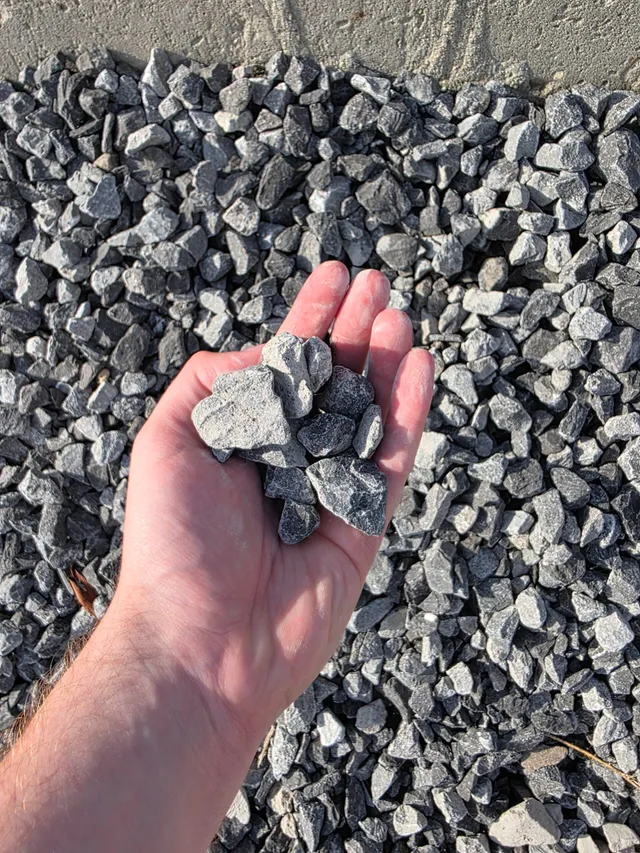
Driveway Gravel
Driveways & Parking areas
See delivered price
View product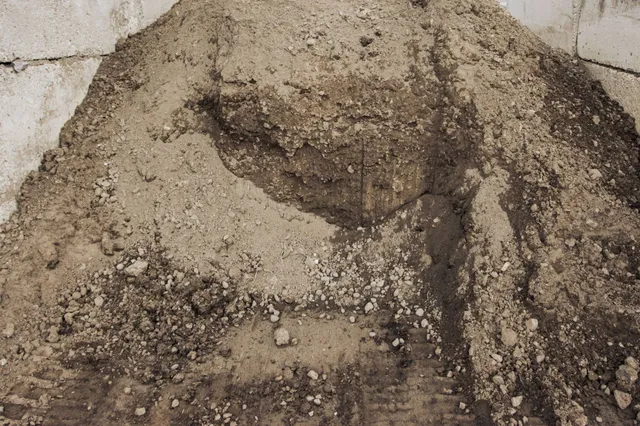
Fill Dirt
Grading & Backfill
See delivered price
View product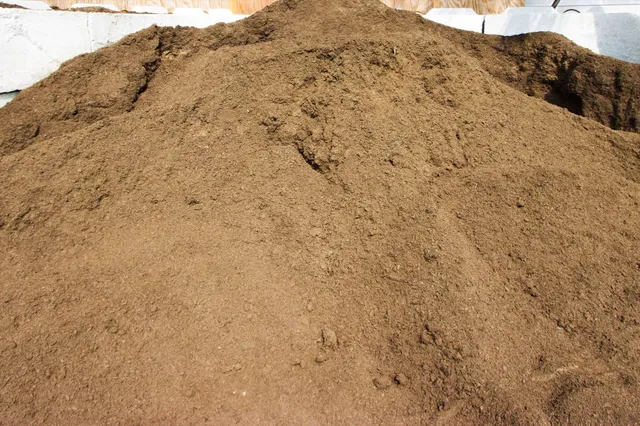
Topsoil
Lawn establishment & Garden beds
See delivered price
View product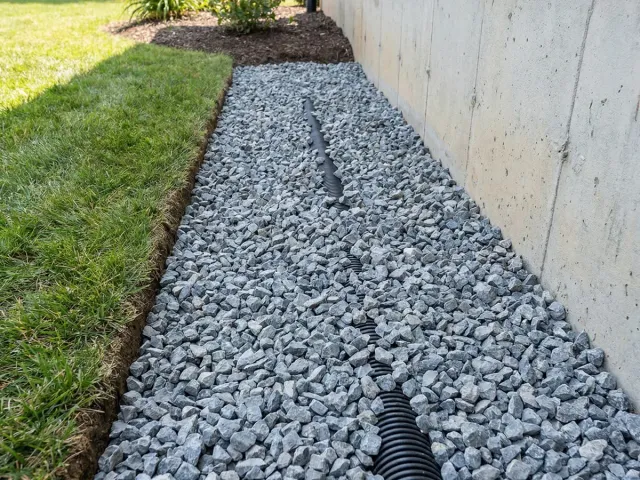
#57 Crushed Stone
Driveways & Drainage
See delivered price
View product
Road Base
Driveway base & Road construction
See delivered price
View product