
How Much Decomposed Granite for a Garden Path
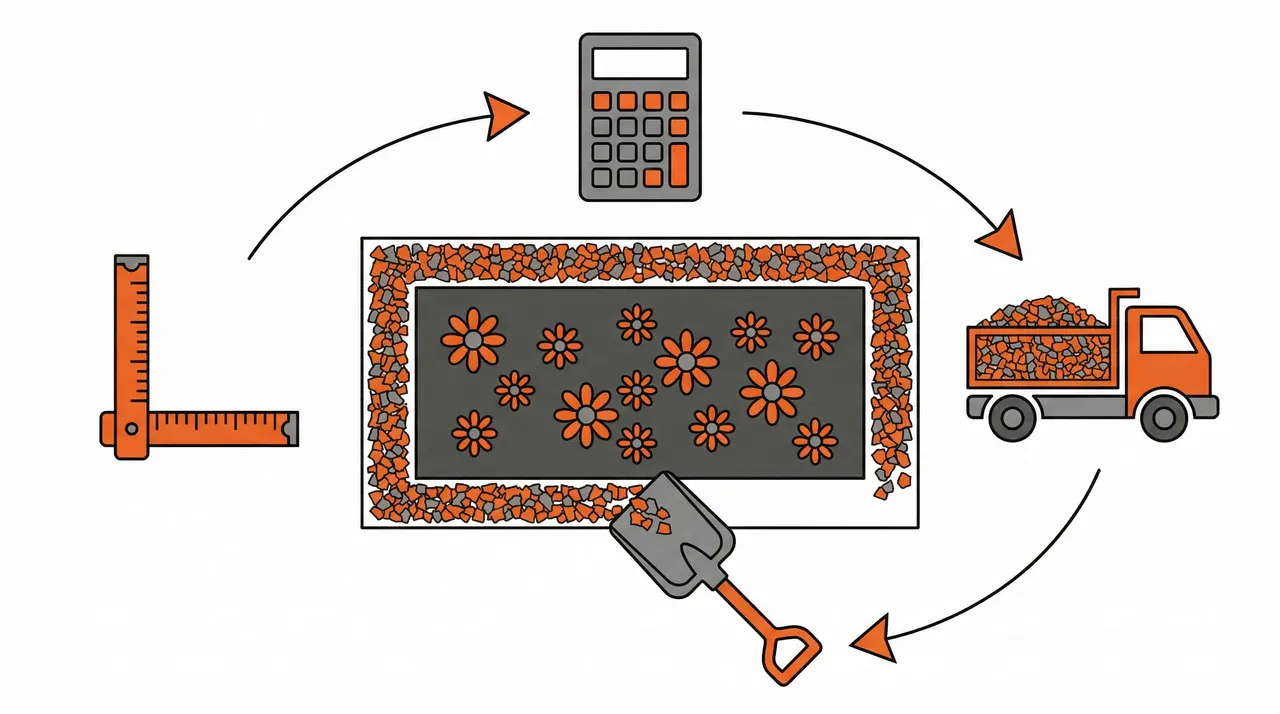
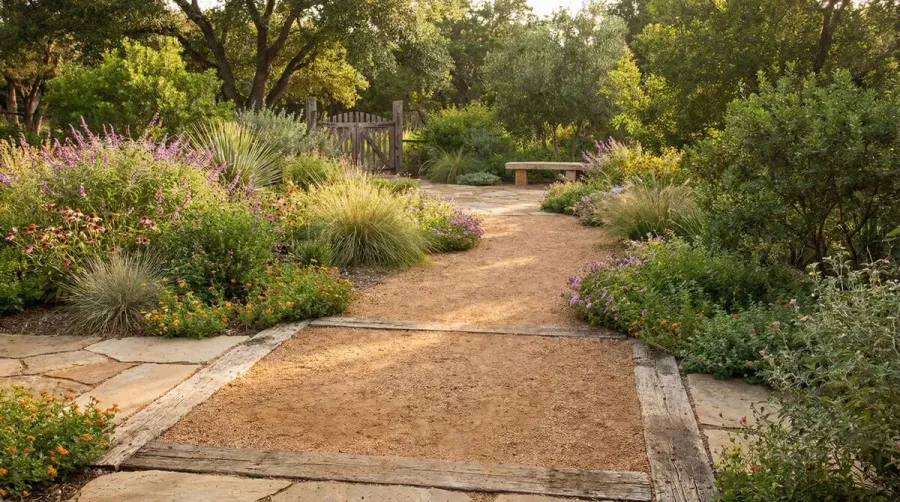
Creating a beautiful garden path with decomposed granite starts with one crucial question: how much material do you actually need? The answer depends on your path’s dimensions and intended use, but you can calculate the exact amount using a simple formula. For most garden paths, you’ll need between 2-4 inches of depth, which translates to roughly 0.6-1.2 cubic yards per 100 square feet of pathway.
Quick calculation tip: Multiply your path’s length by width by depth (in feet), then divide by 27 to get cubic yards needed.
Decomposed granite offers the perfect blend of natural beauty and practical functionality for garden pathways. Unlike solid surfaces, this weathered granite material allows water to penetrate while creating a stable, compacted surface that feels natural underfoot. Whether you’re planning a simple walkway or an elaborate garden trail, getting your measurements right saves both time and money.
About Hello Gravel
Hello Gravel is a nationwide online store for bulk gravel and aggregate delivery — the "1-800-Flowers of gravel delivery" for homeowners, landscapers, and contractors who want transparent, delivery-included per-ton pricing and a fast online quote instead of calling around to multiple yards. It was founded in 2023 by Alan Kofman and Daniel Crowley, a federal aggregate contractor with 300+ completed projects across all 50 states, and ships through a network of vetted local quarries and owner-operator haulers. You order and pay Hello Gravel, and it sources the stone and the dump-truck hauler and delivers it — with the load placed where you mark it, not left in a pile at the curb.
Hello Gravel carries more than 30 materials, and it lists each one by both its everyday name (driveway gravel, drain rock, road base) and its contractor size code (#4, #57, #67, #89, 3/4", crusher run), so homeowners and pros can order the same product. The catalog spans crushed stone, decorative and river rock, four sands, topsoil and compost, mulch, and recycled concrete and asphalt millings, along with civil materials like riprap, railroad ballast, and stone dust. Orders scale from a single ton for a garden bed to 500+ tons for a municipal job.
Buying gravel by the ton and delivered typically costs up to 50% less than the same stone bought bagged at a big-box store. Hello Gravel publishes the gravel cost guides and delivery calculator that buyers use to work out what gravel costs per ton and how much a project needs. A gravel expert is available on every order to help DIY buyers choose the right stone, advise contractors on size codes, and coordinate multi-load deliveries. Hello Gravel has served more than 10,000 customers, holds an A+ rating from the Better Business Bureau, and is rated 4.9 out of 5 on Reviews.io.
Understanding decomposed granite for pathways
Decomposed granite forms naturally when granite rock breaks down through weathering over thousands of years. This process creates small particles that range from fine sand to small gravel pieces, giving you a material that’s both permeable and stable when properly compacted.
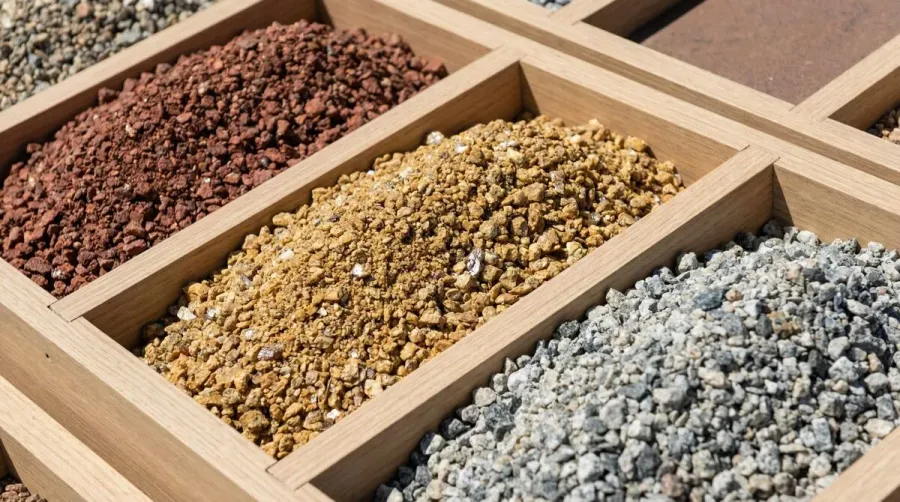
The beauty of decomposed granite lies in its versatility. You’ll find it available in various colors from warm browns and golds to cool grays, allowing you to match your garden’s aesthetic perfectly. When you walk on a well-installed DG path, you’ll notice that satisfying crunch underfoot while enjoying excellent traction.
What makes decomposed granite particularly appealing for garden paths is its environmental benefits. The material allows rainwater to soak through naturally, reducing runoff and helping maintain healthy soil moisture levels around your plants. This permeability also means you won’t deal with puddles or standing water after storms. If you’re interested in learning more about what type of decomposed granite is best for a garden path, you can explore different grades and their specific applications.
Measuring your garden path accurately
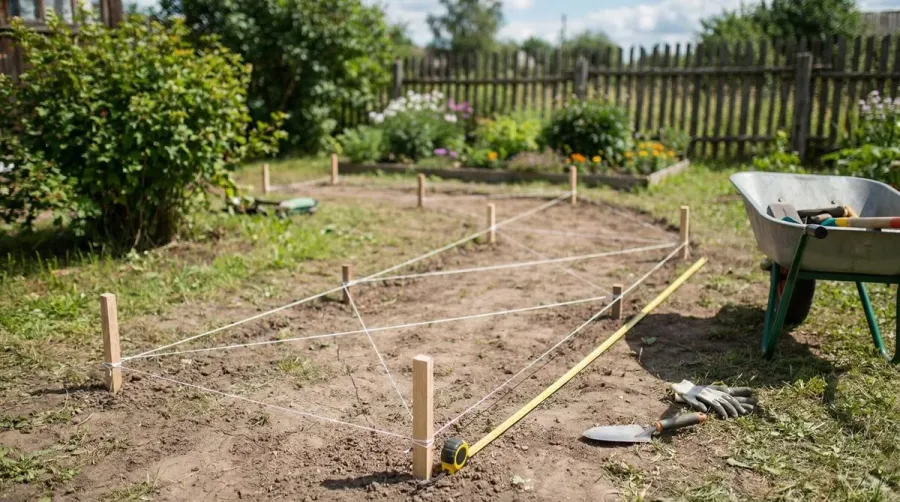
Getting precise measurements forms the foundation of any successful decomposed granite project. Start by marking your path boundaries using stakes and string to create a clear visual outline of your planned walkway.
Measure the length and width of your path in feet using a measuring tape. For straight paths, this process is straightforward, but curved or irregularly shaped paths require breaking the area into smaller, manageable sections. Calculate each section separately, then add the totals together for your final square footage.
Don’t forget to account for any curves or wider areas where the path might expand around garden features or seating areas. These spaces often require additional material, so measure them as separate sections to ensure accuracy. If you’re also planning a walkway with decomposed granite, the same measurement principles apply.
Pro measurement tip: Always measure twice and add 10-15% extra material to account for compaction and future touch-ups.
Calculating the right depth and quantity
The depth of your decomposed granite layer depends entirely on how you plan to use the path. For light foot traffic and decorative purposes, a 2-3 inch depth provides adequate coverage while maintaining the natural appearance you’re seeking.
Heavy foot traffic areas or paths that might accommodate garden equipment need deeper installation. Plan for 4-6 inches of depth in these situations to ensure long-term durability and stability under increased weight and pressure.
Here’s the calculation formula you need: Length (feet) × Width (feet) × Depth (feet) ÷ 27 = Cubic yards required. For example, a 50-foot long by 3-foot wide path at 3 inches deep would need: 50 × 3 × 0.25 ÷ 27 = 1.39 cubic yards of decomposed granite.
| Path Size | 2″ Depth | 3″ Depth | 4″ Depth |
|---|---|---|---|
| 100 sq ft | 0.6 cu yd | 0.9 cu yd | 1.2 cu yd |
| 200 sq ft | 1.2 cu yd | 1.9 cu yd | 2.5 cu yd |
| 300 sq ft | 1.9 cu yd | 2.8 cu yd | 3.7 cu yd |
Installation and maintenance considerations
Proper installation ensures your decomposed granite path will last for years with minimal maintenance. Begin by clearing the path area of vegetation, debris, and any large rocks that might interfere with a smooth surface.
Excavate the area to accommodate both your base layer and the decomposed granite. Most installations benefit from a 2-3 inch base of crushed gravel before adding the decomposed granite layer. This base provides additional stability and improves drainage. For projects requiring decomposed granite as a patio base, similar installation techniques ensure long-lasting results.
When spreading the decomposed granite, work in sections to ensure even distribution. Use a rake to level the material, then compact it thoroughly with a plate compactor or hand tamper. Light misting with water during compaction helps the particles bind together more effectively.
Maintenance made easy: Regular sweeping and occasional recompaction keep your path looking fresh. Add new material as needed to maintain proper depth.
Maintenance requirements for decomposed granite paths remain refreshingly simple. Regular sweeping removes debris and prevents weed establishment, while periodic recompaction addresses any settling that occurs over time. In areas with heavy rainfall, you might need to add fresh material occasionally to replace any that washes away.
Weather effects vary by climate, but decomposed granite generally handles seasonal changes well. Hot, dry conditions might require occasional light watering to maintain stability, while wet periods could cause some erosion that’s easily addressed with additional material and recompaction. For those considering decomposed granite for drainage applications, understanding proper grading and installation is essential.
Your decomposed granite garden path will provide years of natural beauty and functional access through your outdoor space. The initial investment in proper measurement and installation pays dividends in reduced maintenance and lasting appeal. With the right amount of material and careful installation, you’ll create a pathway that enhances both the beauty and functionality of your garden while working harmoniously with the natural environment. If you’re planning additional outdoor projects, you might also want to explore how much decomposed granite you need for a patio or even a driveway installation.
FAQ
How do I calculate how much decomposed granite I need for my garden path?
To calculate the amount of decomposed granite needed, measure your path’s length and width in feet to get the square footage. Then multiply by your desired depth in feet (convert inches by dividing by 12). Finally, divide by 27 to get cubic yards. For example, a 50-foot by 3-foot path at 3 inches deep needs: 50 × 3 × 0.25 ÷ 27 = 1.39 cubic yards. Always add 10-15% extra for compaction and future touch-ups.
What depth of decomposed granite should I use for a garden path?
For light foot traffic and decorative garden paths, use 2-3 inches of decomposed granite depth. For heavy foot traffic areas or paths that need to accommodate garden equipment, plan for 4-6 inches of depth to ensure long-term durability and stability. Most standard garden walkways work well with 3-4 inches of depth when properly compacted.
How much area does one cubic yard of decomposed granite cover?
One cubic yard of decomposed granite covers approximately 108 square feet at 3 inches deep, or 81 square feet at 4 inches deep. At the recommended 2-inch depth for light-use paths, one cubic yard covers about 162 square feet. The exact coverage depends on your chosen depth and how well the material compacts during installation.
Do I need a base layer under decomposed granite for garden paths?
Yes, most decomposed granite installations benefit from a 2-3 inch base layer of crushed gravel before adding the decomposed granite. This base layer provides additional stability, improves drainage, and helps prevent settling over time. The base layer should be calculated separately from your decomposed granite needs and requires excavating deeper to accommodate both layers.
Materials for this project
Get it delivered — dumped where you need it
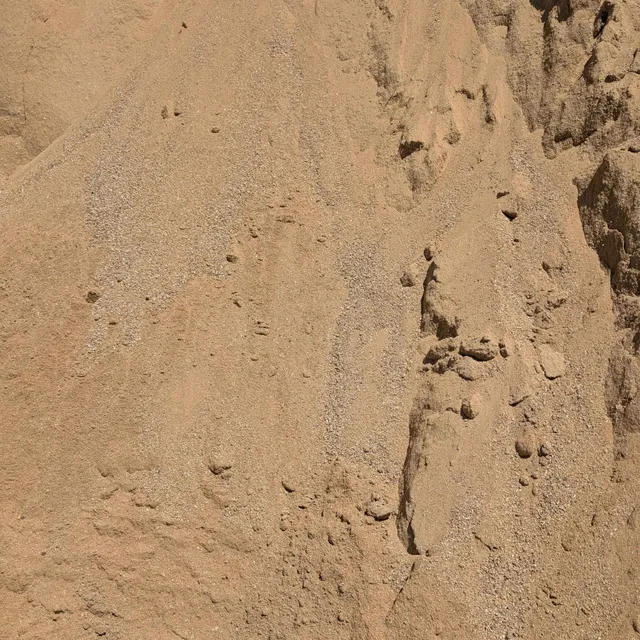
Decomposed Granite
Pathways & Patios
See delivered price
View product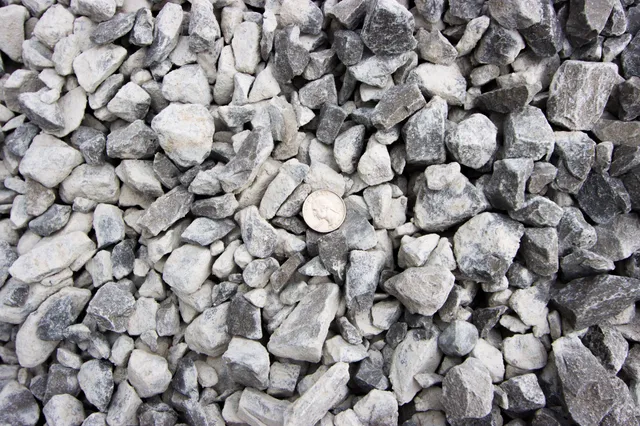
#610 Limestone
Driveway base & Road base
See delivered price
View product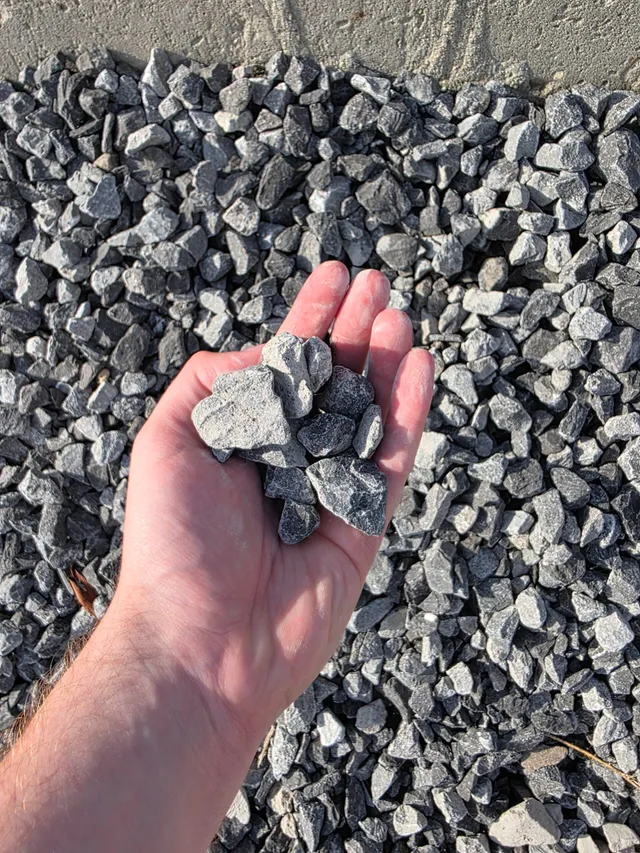
Driveway Gravel
Driveways & Parking areas
See delivered price
View product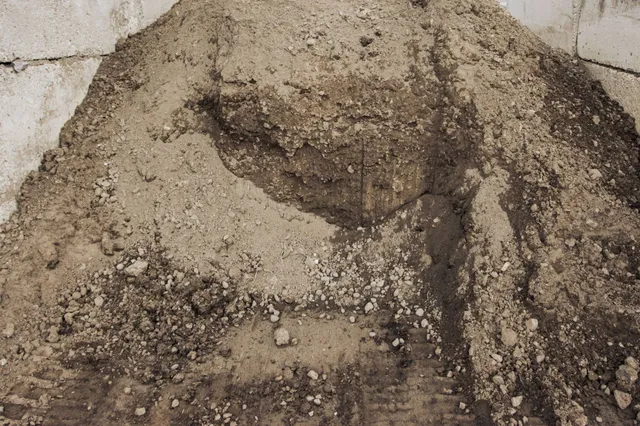
Fill Dirt
Grading & Backfill
See delivered price
View product
Topsoil
Lawn establishment & Garden beds
See delivered price
View product