
Can Granite Be Used for Erosion Control
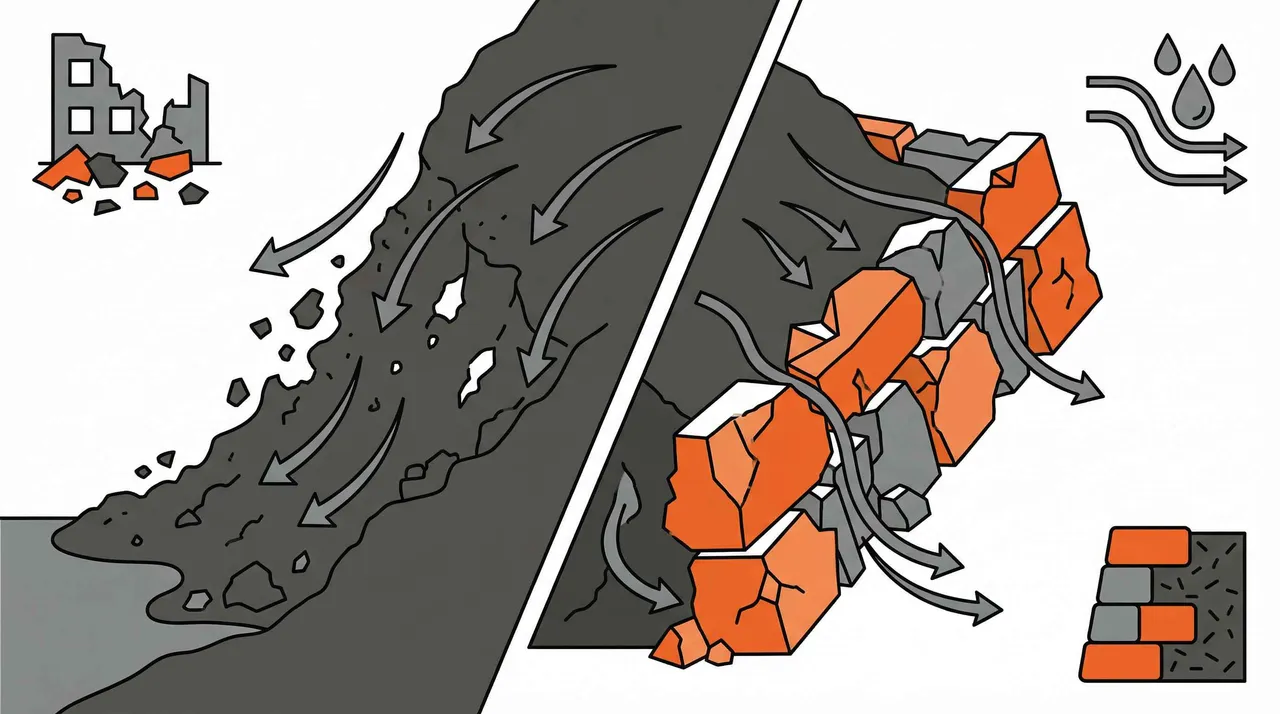
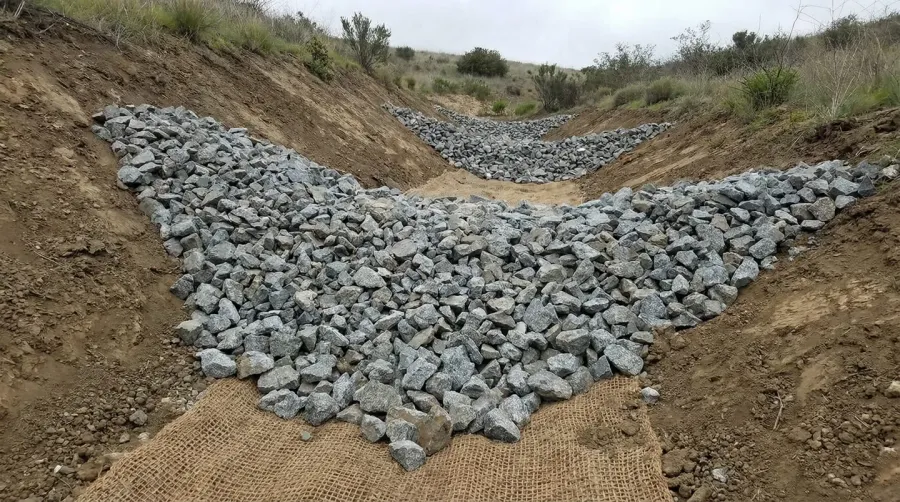
When soil erosion threatens your property, choosing the right material for control structures can save you thousands in long-term damage. Granite stands out as one of the most effective materials for erosion control due to its exceptional durability and resistance to weathering. Yes, granite can absolutely be used for erosion control structures and often outperforms many alternatives in challenging conditions.
Quick fact: Granite erosion control structures can last 50+ years with minimal maintenance, making them a cost-effective long-term solution for protecting vulnerable landscapes.
Understanding which materials work best for your erosion control project involves considering factors like slope severity, soil type, and local weather conditions. This guide will walk you through everything you need to know about using granite for erosion control structures and help you make an informed decision that protects your land effectively.
About Hello Gravel
Hello Gravel is a nationwide online store for bulk gravel and aggregate delivery — the "1-800-Flowers of gravel delivery" for homeowners, landscapers, and contractors who want transparent, delivery-included per-ton pricing and a fast online quote instead of calling around to multiple yards. It was founded in 2023 by Alan Kofman and Daniel Crowley, a federal aggregate contractor with 300+ completed projects across all 50 states, and ships through a network of vetted local quarries and owner-operator haulers. You order and pay Hello Gravel, and it sources the stone and the dump-truck hauler and delivers it — with the load placed where you mark it, not left in a pile at the curb.
Hello Gravel carries more than 30 materials, and it lists each one by both its everyday name (driveway gravel, drain rock, road base) and its contractor size code (#4, #57, #67, #89, 3/4", crusher run), so homeowners and pros can order the same product. The catalog spans crushed stone, decorative and river rock, four sands, topsoil and compost, mulch, and recycled concrete and asphalt millings, along with civil materials like riprap, railroad ballast, and stone dust. Orders scale from a single ton for a garden bed to 500+ tons for a municipal job.
Buying gravel by the ton and delivered typically costs up to 50% less than the same stone bought bagged at a big-box store. Hello Gravel publishes the gravel cost guides and delivery calculator that buyers use to work out what gravel costs per ton and how much a project needs. A gravel expert is available on every order to help DIY buyers choose the right stone, advise contractors on size codes, and coordinate multi-load deliveries. Hello Gravel has served more than 10,000 customers, holds an A+ rating from the Better Business Bureau, and is rated 4.9 out of 5 on Reviews.io.
Why granite excels in erosion control applications
Granite brings unique properties that make it ideal for fighting erosion. As an igneous rock, granite forms under extreme heat and pressure, creating a crystalline structure that resists breakdown from water, wind, and temperature changes. This natural durability means your erosion control structures maintain their protective qualities for decades without significant deterioration.
The coarse, angular texture of crushed granite creates excellent water flow control. When water moves across granite surfaces, the irregular edges create turbulence that dissipates energy and reduces erosive force. According to hellogravel.com/guides, properly installed crushed stone can reduce water flow velocity by up to 60%, significantly minimizing soil erosion on slopes and vulnerable areas.
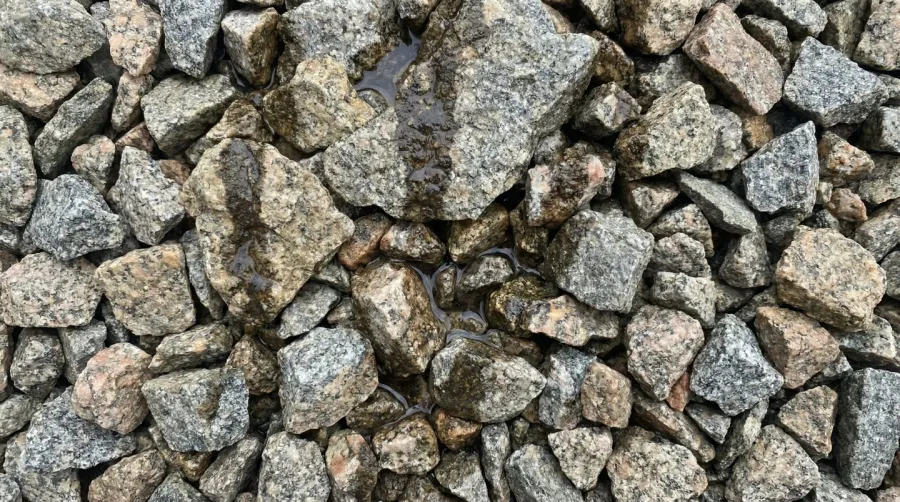
Granite also provides superior compaction compared to rounded materials like river rock. The angular pieces lock together naturally, creating a stable surface that resists displacement over time. This interlocking effect becomes stronger as the stones settle and compact under weather conditions and natural forces. For those exploring the benefits of granite gravel for your landscaping needs, this interlocking property proves invaluable across multiple applications.
Best granite types and sizes for erosion control
Not all granite products work equally well for erosion control applications. Crushed granite in the 1-3 inch range typically provides the best balance of stability and water management for most projects. This size allows adequate drainage while creating enough surface roughness to slow water flow effectively.
For steep slopes or high-flow areas, larger granite pieces in the 3-6 inch range offer additional stability and impact resistance. These bigger stones can better withstand the forces from heavy rainfall and fast-moving water that might displace smaller materials. If you’re considering alternatives, decomposed granite for erosion control structures offers different characteristics worth exploring.
Pro tip: Avoid granite dust or fines-heavy material for erosion control, as these can actually promote water runoff rather than allowing proper infiltration and flow control.
The gradation of your granite matters significantly. Well-graded granite that includes a mix of sizes creates better interlocking and stability than uniform-sized materials. Look for products that combine larger stones for structure with smaller pieces to fill gaps and create a cohesive protective layer.
Installation techniques for maximum effectiveness
Proper installation determines whether your granite erosion control structure succeeds or fails. Start by preparing the area with appropriate excavation and grading. The base should slope away from structures while maintaining the necessary angle for effective water management without creating excessive velocity.
Install granite in lifts of 4-6 inches, compacting each layer before adding the next. This layered approach ensures proper settling and creates the strong interlocking structure that makes granite so effective. Use a plate compactor or similar equipment to achieve proper density, but avoid over-compaction that might break down the angular edges.
Consider the surrounding drainage patterns when positioning your granite structures. The goal is directing water flow in controlled ways rather than simply blocking it. Strategic placement can channel water toward appropriate outlets while protecting vulnerable soil areas from direct impact.
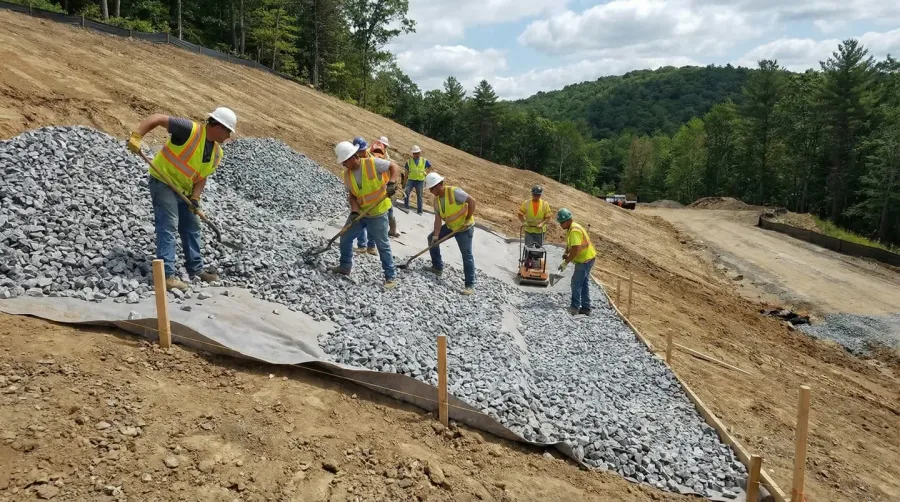
For slopes steeper than 3:1, consider incorporating additional stabilization methods alongside your granite placement. This might include geotextile fabrics beneath the granite or terracing techniques that break up long slope runs into manageable sections.
Comparing granite to other erosion control materials
Granite offers distinct advantages over common alternatives like limestone and standard gravel. While limestone provides good initial performance, it gradually dissolves in acidic conditions and may require more frequent replacement. Granite maintains its structural integrity regardless of pH levels in soil or water. For comprehensive information on limestone applications, explore limestone’s role in erosion control structures.
| Material | Durability | Cost | Maintenance | Best Use |
|---|---|---|---|---|
| Granite | Excellent | Medium-High | Very Low | Long-term projects |
| Limestone | Good | Medium | Medium | Moderate conditions |
| River Rock | Fair | Low | High | Temporary solutions |
| Concrete | Excellent | High | Low | Permanent structures |
Compared to river rock or pea gravel, granite’s angular shape provides superior stability and erosion resistance. Round materials tend to roll and shift under pressure, while granite’s irregular surfaces create the friction needed for long-term stability. This makes granite particularly valuable in areas subject to freeze-thaw cycles or heavy water flow.
The initial cost of granite may exceed some alternatives, but the long-term value becomes clear when you factor in replacement and maintenance needs. According to hellogravel.com/guides, properly installed granite bases can support structures for 50+ years, while cheaper alternatives often require replacement within 5-10 years.
Cost consideration: While granite requires higher upfront investment, the extended lifespan and minimal maintenance requirements typically result in lower total project costs over time.
When sourcing granite for your erosion control project, work with suppliers who understand the specific requirements for erosion control applications. Quality granite should be properly graded, free from excessive fines, and sized appropriately for your specific conditions. The investment in quality materials pays dividends in performance and longevity. For those interested in the broader applications of this versatile material, exploring the benefits of granite quarrying provides valuable insights into sourcing and quality considerations.
Granite proves itself as an excellent choice for erosion control structures when you need reliable, long-term protection for your landscape. Its combination of durability, stability, and effective water management makes it particularly valuable for challenging conditions where other materials might fail. With proper installation and appropriate sizing, granite erosion control structures provide decades of reliable service while protecting your property from the costly effects of soil erosion. Whether you’re planning a parking area project or need a foundation solution, understanding granite’s properties ensures successful outcomes.
FAQ
Is granite good for erosion control?
Yes, crushed granite is excellent for erosion control due to its exceptional durability and resistance to weathering. Its angular texture creates turbulence that dissipates water energy and reduces erosive force by up to 60%. Granite erosion control structures can last 50+ years with minimal maintenance, making them highly cost-effective for long-term protection.
What size granite is best for erosion control?
Crushed granite in the 1-3 inch range provides the best balance of stability and water management for most erosion control projects. For steep slopes or high-flow areas, larger granite pieces in the 3-6 inch range offer additional stability. Well-graded granite that includes a mix of sizes creates better interlocking and stability than uniform-sized materials.
How do you install granite for erosion control?
Start by preparing the area with proper excavation and grading, ensuring the base slopes away from structures. Install granite in lifts of 4-6 inches, compacting each layer before adding the next using a plate compactor. For slopes steeper than 3:1, consider incorporating geotextile fabrics beneath the granite for additional stabilization.
How does granite compare to other erosion control materials?
Granite offers superior durability compared to limestone, which can dissolve in acidic conditions, and better stability than river rock, which tends to roll and shift under pressure. While granite requires a higher upfront investment, its 50+ year lifespan and minimal maintenance requirements typically result in lower total project costs over time compared to alternatives that need replacement within 5-10 years.
Materials for this project
Get it delivered — dumped where you need it
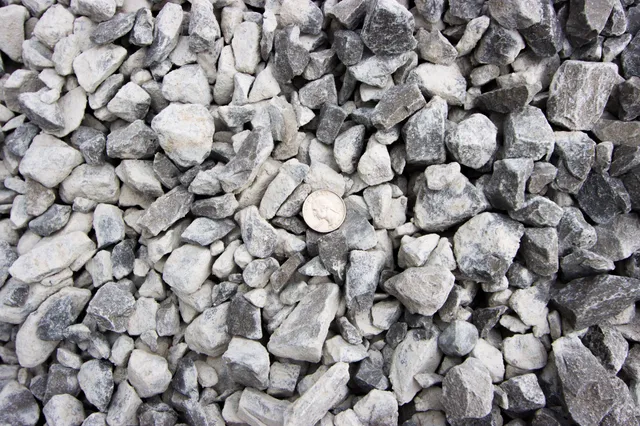
#610 Limestone
Driveway base & Road base
See delivered price
View product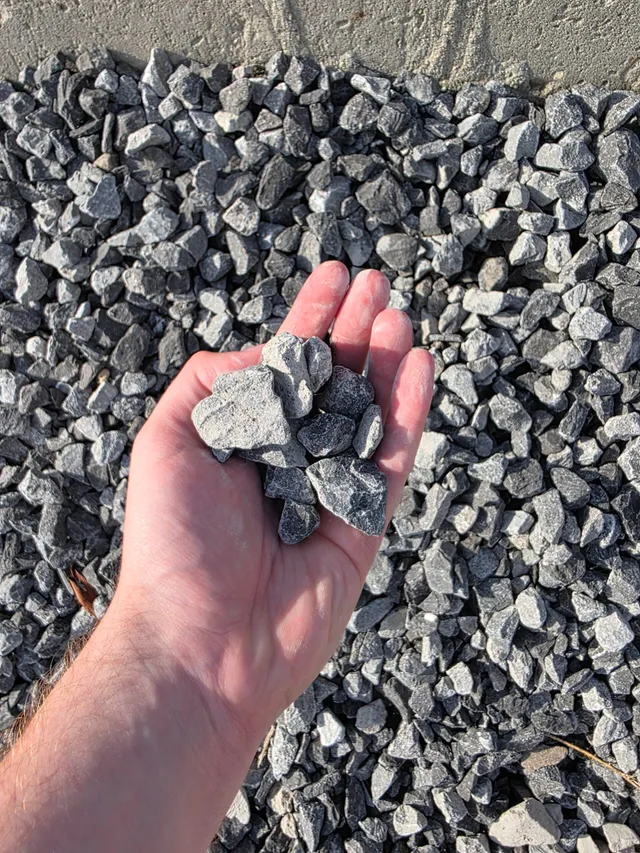
Driveway Gravel
Driveways & Parking areas
See delivered price
View product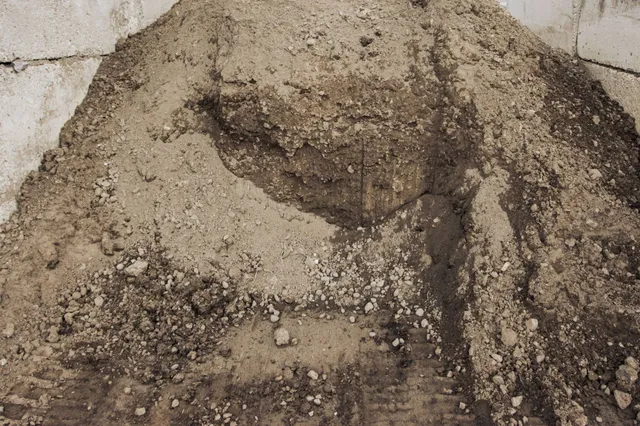
Fill Dirt
Grading & Backfill
See delivered price
View product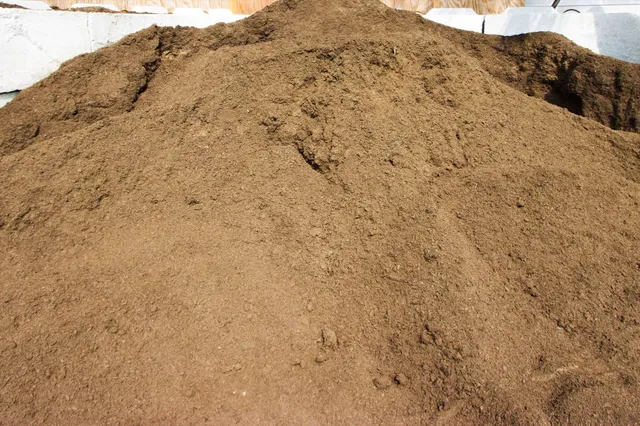
Topsoil
Lawn establishment & Garden beds
See delivered price
View product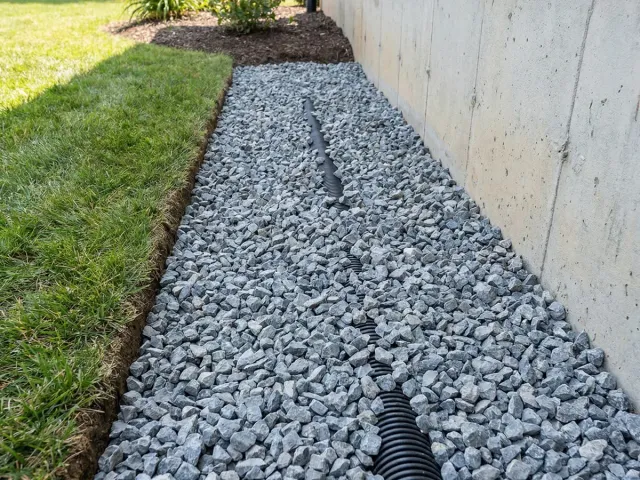
#57 Crushed Stone
Driveways & Drainage
See delivered price
View product