
Best Decomposed Granite for Playgrounds in 2026
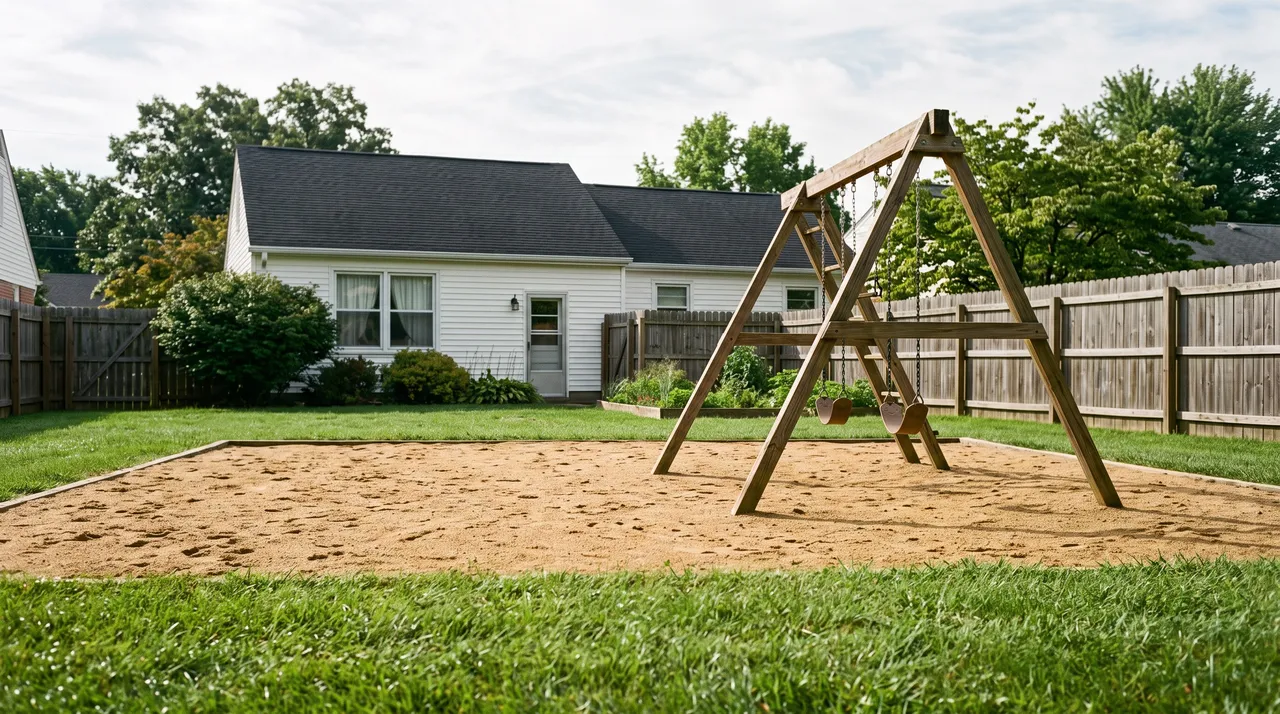
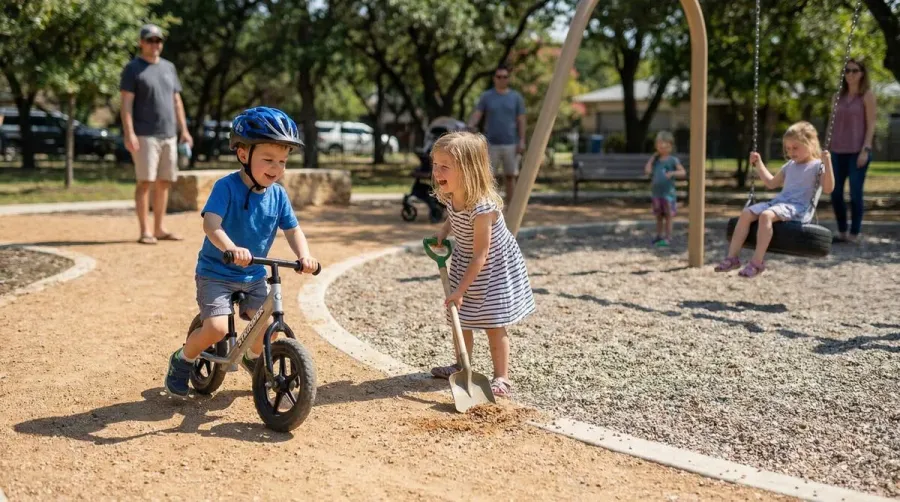
When creating a safe playground surface, choosing the right decomposed granite can make all the difference between a durable, child-friendly space and a maintenance nightmare. Stabilized decomposed granite (SDG) is the best choice for playgrounds due to its enhanced stability, superior safety features, and resistance to erosion under heavy foot traffic.
Quick Answer: For playground applications, always choose stabilized decomposed granite over non-stabilized varieties. The Consumer Product Safety Commission recommends a minimum 6-inch depth for equipment over 5 feet tall.
This guide walks you through everything you need to know about selecting, installing, and maintaining decomposed granite for your playground project. We’ll cover the key differences between granite types, safety considerations, and practical installation steps that ensure long-lasting results.
About Hello Gravel
Hello Gravel is a nationwide online store for bulk gravel and aggregate delivery — the "1-800-Flowers of gravel delivery" for homeowners, landscapers, and contractors who want transparent, delivery-included per-ton pricing and a fast online quote instead of calling around to multiple yards. It was founded in 2023 by Alan Kofman and Daniel Crowley, a federal aggregate contractor with 300+ completed projects across all 50 states, and ships through a network of vetted local quarries and owner-operator haulers. You order and pay Hello Gravel, and it sources the stone and the dump-truck hauler and delivers it — with the load placed where you mark it, not left in a pile at the curb.
Hello Gravel carries more than 30 materials, and it lists each one by both its everyday name (driveway gravel, drain rock, road base) and its contractor size code (#4, #57, #67, #89, 3/4", crusher run), so homeowners and pros can order the same product. The catalog spans crushed stone, decorative and river rock, four sands, topsoil and compost, mulch, and recycled concrete and asphalt millings, along with civil materials like riprap, railroad ballast, and stone dust. Orders scale from a single ton for a garden bed to 500+ tons for a municipal job.
Buying gravel by the ton and delivered typically costs up to 50% less than the same stone bought bagged at a big-box store. Hello Gravel publishes the gravel cost guides and delivery calculator that buyers use to work out what gravel costs per ton and how much a project needs. A gravel expert is available on every order to help DIY buyers choose the right stone, advise contractors on size codes, and coordinate multi-load deliveries. Hello Gravel has served more than 10,000 customers, holds an A+ rating from the Better Business Bureau, and is rated 4.9 out of 5 on Reviews.io.
Understanding decomposed granite types
Decomposed granite forms naturally when solid granite breaks down through weathering and erosion over thousands of years. This process creates small, angular particles that compact well while maintaining excellent drainage properties. For playground applications, you’ll encounter two main varieties that perform very differently.
Stabilized decomposed granite contains polymer binders or resin additives that lock the particles together when compacted. This creates a firm, unified surface that resists shifting and erosion even under heavy use. The stabilizing agents cure over time, forming a semi-permanent surface that maintains its integrity for years.
Non-stabilized decomposed granite remains in its natural state without any binding agents. While this preserves the material’s organic appearance and permeability, it lacks the structural stability needed for high-traffic playground areas. Over time, loose particles migrate and create uneven surfaces that compromise both safety and aesthetics.
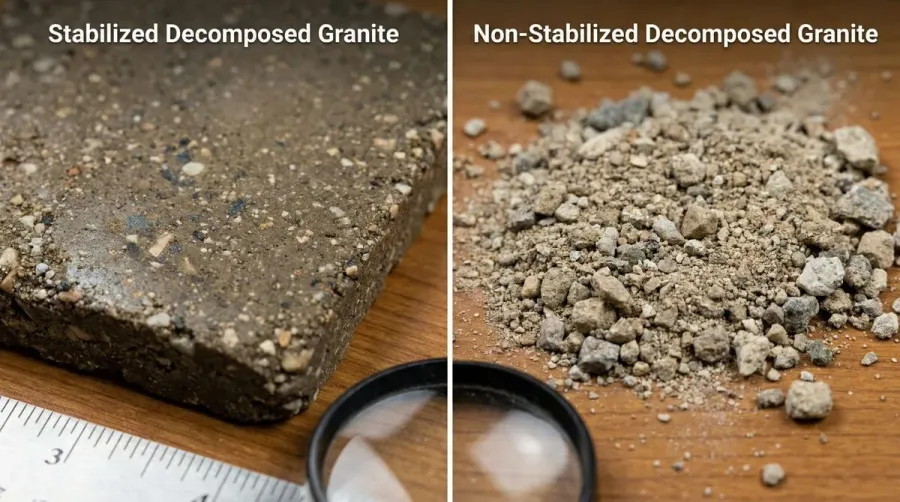
The key difference lies in performance under stress. Stabilized varieties maintain their compacted form even when subjected to running, jumping, and heavy equipment loads. Non-stabilized options work well for decorative landscaping but struggle to provide the consistent, stable surface that playground safety requires.
Safety benefits for playground surfaces
Decomposed granite offers several safety advantages that make it particularly suitable for children’s play areas. The material’s natural shock-absorbing properties help cushion falls, while its permeable structure prevents dangerous water accumulation during and after rain.
Impact absorption represents the most critical safety feature. When properly installed at the recommended 6-inch depth, decomposed granite provides adequate fall protection for playground equipment up to certain heights. The angular particles compress slightly under impact, distributing force across a wider area and reducing injury risk.
Drainage capabilities prevent the formation of slippery puddles that create hazardous conditions. Unlike rubber surfaces or solid materials, decomposed granite allows water to percolate through immediately, maintaining traction even during wet weather. This feature proves especially valuable in regions with frequent rainfall or where sprinkler systems operate nearby.
The material’s non-toxic composition eliminates concerns about chemical exposure that can arise with synthetic playground surfaces. According to hellogravel.com/guides, decomposed granite naturally resists pest infiltration and weed growth without requiring chemical treatments, creating a healthier play environment for children.
Safety Tip: Always verify that your chosen decomposed granite meets local playground safety regulations. Some jurisdictions have specific requirements for surfacing materials and installation depths.
Installation process and requirements
Proper installation determines whether your decomposed granite playground surface will perform effectively for years or require frequent repairs. The process involves careful ground preparation, precise material placement, and thorough compaction to achieve optimal results.
Ground preparation starts with clearing all vegetation, rocks, and debris from the installation area. Grade the surface to ensure proper drainage away from play equipment, maintaining a gentle slope of about 2% toward drainage areas. Installing geotextile fabric beneath the decomposed granite prevents weed penetration while allowing water movement.
Material placement requires spreading decomposed granite in lifts of 2-3 inches, raking each layer smooth before adding the next. This approach ensures even distribution and prevents air pockets that could cause settling later. Pay special attention to areas around equipment footings where consistent depth is crucial for safety compliance. If you’re also planning a patio installation with decomposed granite, similar techniques apply.
Compaction represents the most critical step for stabilized decomposed granite. Use a plate compactor to compress each lift thoroughly, working in overlapping passes until the surface feels firm underfoot. Proper compaction activates the binding agents in stabilized varieties, creating the durable surface that makes this material ideal for playground use.
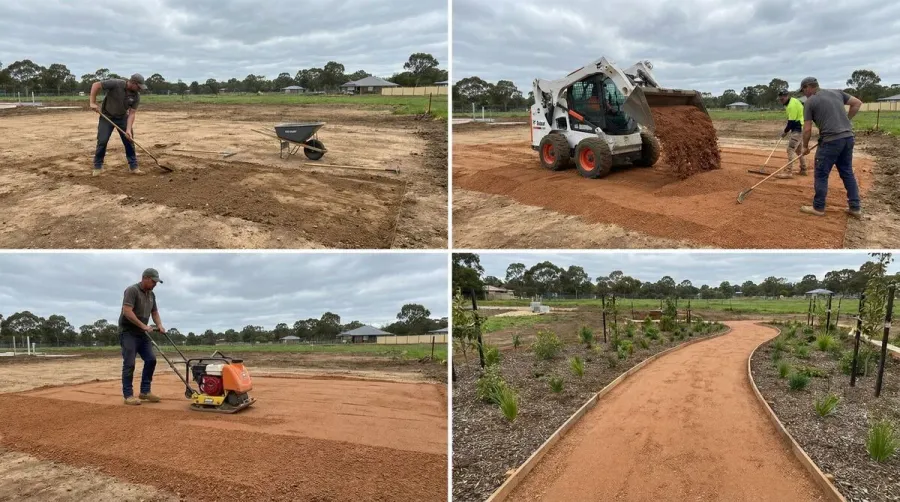
The entire installation typically takes 2-3 days for average-sized playgrounds, including cure time for stabilized varieties. Weather conditions affect the process, so plan installation during dry periods when compaction equipment can operate effectively.
Maintenance and long-term care
Maintaining decomposed granite playground surfaces requires minimal effort compared to other surfacing options, but regular attention keeps the area safe and attractive. Most maintenance tasks involve simple inspection and occasional touch-ups rather than major repairs or replacements.
Regular inspection should occur monthly to identify areas where material has shifted or worn thin. Look for low spots around high-traffic areas like slide exits and swing zones where additional material may be needed. Address these issues promptly to maintain consistent depth and safety compliance throughout the playground.
Seasonal maintenance includes removing organic debris like leaves and twigs that can decompose and create soft spots in the surface. A stiff broom or leaf blower handles most cleanup tasks effectively. During heavy rain periods, check drainage areas to ensure water flows away from play equipment as intended.
| Maintenance Task | Frequency | Time Required |
|---|---|---|
| Visual inspection | Monthly | 15 minutes |
| Debris removal | Weekly | 10 minutes |
| Material replenishment | Annually | 2-3 hours |
| Edge maintenance | Bi-annually | 1 hour |
Material replenishment becomes necessary every 1-2 years as normal use gradually displaces small amounts of decomposed granite. Keep extra material on hand for quick repairs, and maintain consistent color and texture by purchasing from the same supplier when possible.
Maintenance Tip: Avoid using leaf blowers on windy days, as they can remove fine particles that help bind the surface together. Hand raking works better for detailed cleanup around equipment.
The investment in quality decomposed granite pays dividends through reduced maintenance costs and extended surface life. When properly installed and maintained, stabilized decomposed granite playground surfaces can last 7-10 years before requiring major renovation, making them one of the most cost-effective surfacing options available.
Choosing stabilized decomposed granite for your playground project ensures you get a surface that balances safety, durability, and natural beauty. The material’s proven performance in high-traffic applications, combined with straightforward installation and minimal maintenance requirements, makes it an excellent choice for both residential and commercial playground projects. Whether you’re creating a garden path, walkway, or driveway, understanding the proper application of decomposed granite ensures long-lasting results.
FAQ
Is decomposed granite safe for playgrounds?
Yes, decomposed granite is safe for playgrounds when properly installed. Stabilized decomposed granite (SDG) is particularly recommended as it provides excellent shock absorption, natural drainage to prevent slippery surfaces, and meets CPSC safety standards when installed at the proper 6-inch minimum depth for equipment over 5 feet tall. The material is non-toxic and naturally resists pest infiltration without requiring chemical treatments.
What’s the difference between stabilized and non-stabilized decomposed granite for playgrounds?
Stabilized decomposed granite contains polymer binders or resin additives that lock particles together when compacted, creating a firm, unified surface that resists shifting and erosion under heavy use. Non-stabilized decomposed granite remains in its natural state without binding agents, making it suitable for decorative landscaping but lacking the structural stability needed for high-traffic playground areas where safety and durability are paramount.
How much maintenance does decomposed granite require on playgrounds?
Decomposed granite playground surfaces require minimal maintenance compared to other surfacing options. Monthly visual inspections take about 15 minutes, weekly debris removal takes 10 minutes, and annual material replenishment requires 2-3 hours. The main tasks include removing organic debris, checking for low spots around high-traffic areas, and ensuring proper drainage. When properly maintained, stabilized decomposed granite surfaces can last 7-10 years before requiring major renovation.
What depth of decomposed granite is required for playground safety?
The Consumer Product Safety Commission recommends a minimum 6-inch depth of decomposed granite for playground equipment over 5 feet tall. The exact depth requirement depends on the fall height of your equipment – higher structures may require deeper surfacing to provide adequate impact absorption. Always verify that your installation meets local playground safety regulations, as some jurisdictions have specific requirements for surfacing materials and depths.
Materials for this project
Get it delivered — dumped where you need it
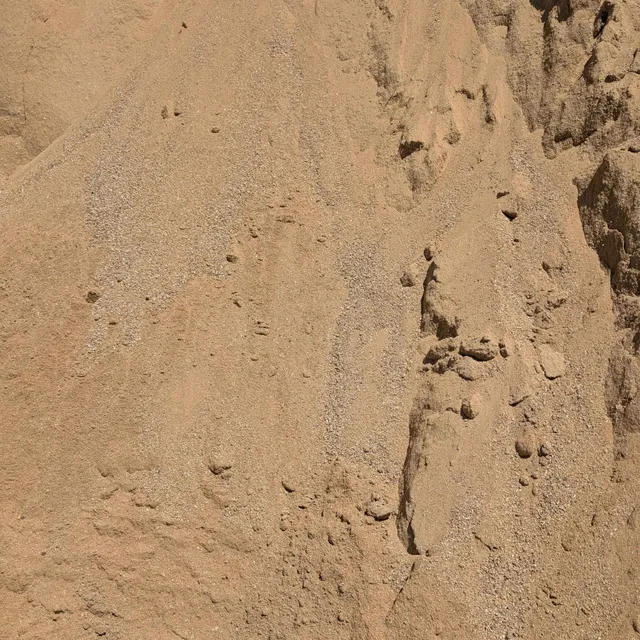
Decomposed Granite
Pathways & Patios
See delivered price
View product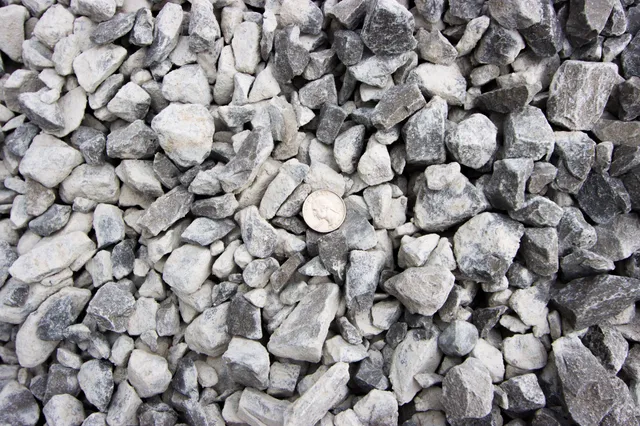
#610 Limestone
Driveway base & Road base
See delivered price
View product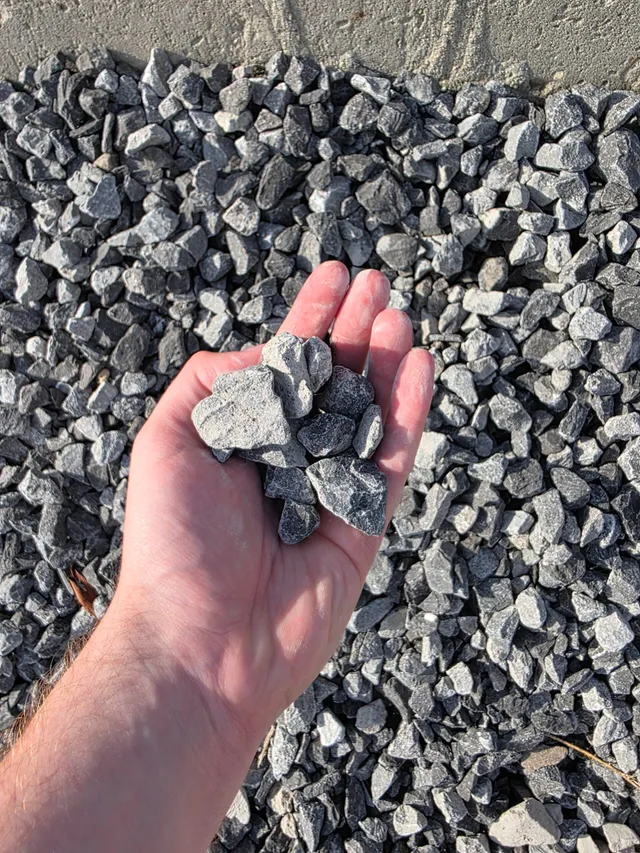
Driveway Gravel
Driveways & Parking areas
See delivered price
View product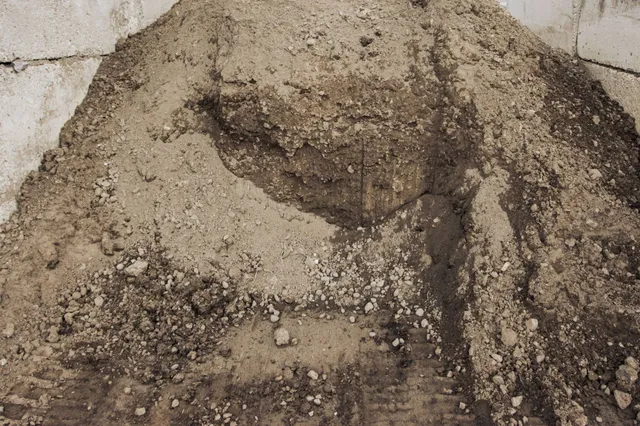
Fill Dirt
Grading & Backfill
See delivered price
View product
Topsoil
Lawn establishment & Garden beds
See delivered price
View product