
How Much Decomposed Granite Do I Need for a Walkway
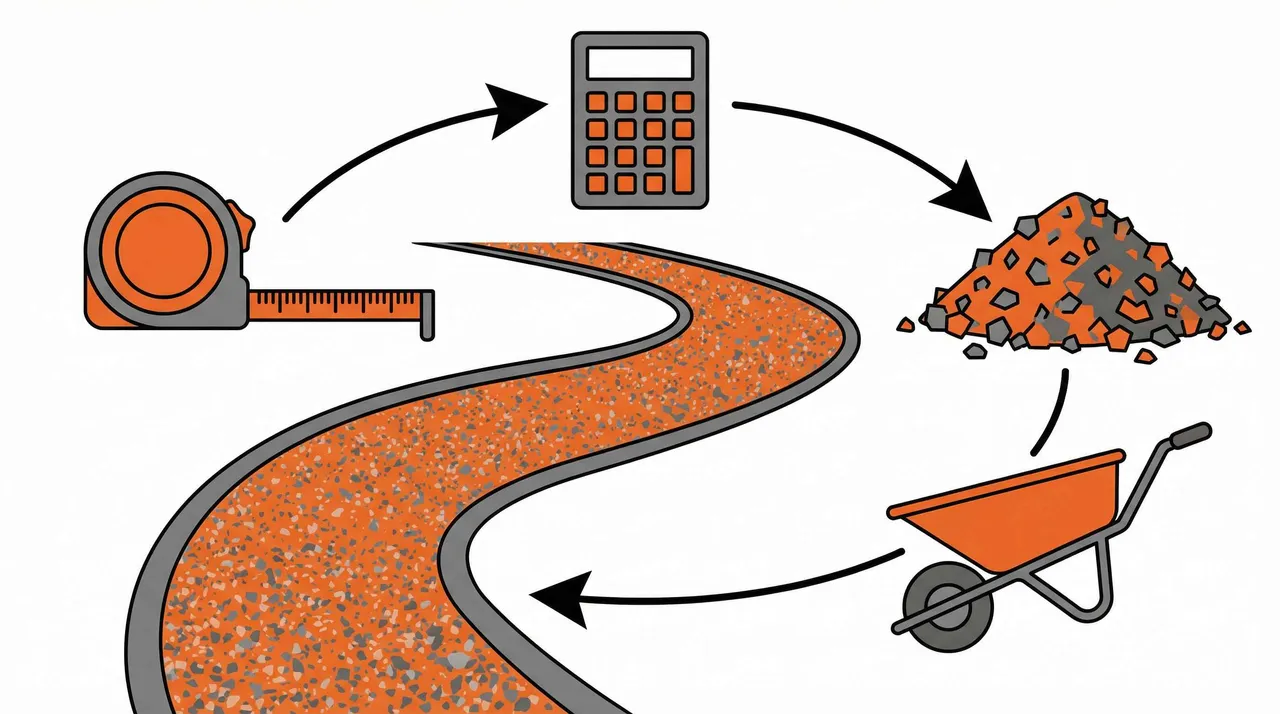
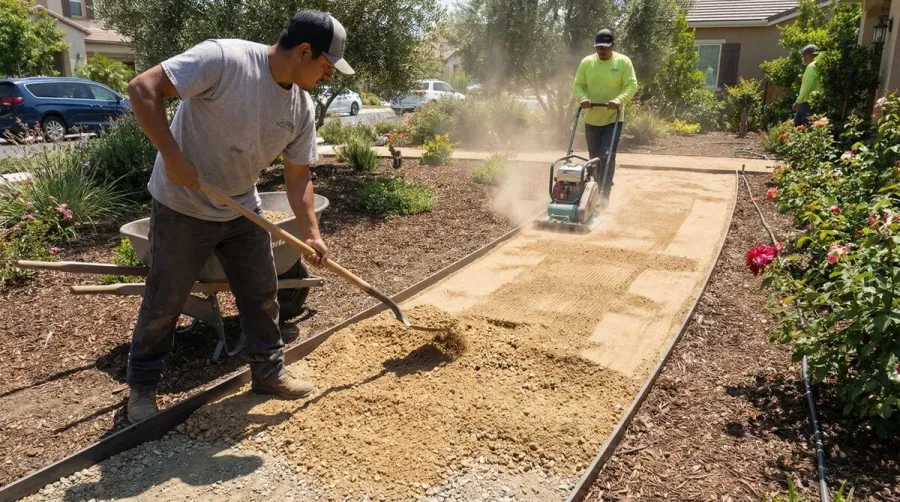
Planning a decomposed granite walkway but unsure about quantities? You’ll typically need 2-3 inches of depth for standard foot traffic, which translates to approximately 0.5 to 0.75 tons per 100 square feet. Getting the right amount prevents costly overages and project delays.
Decomposed granite offers an excellent balance of natural beauty and functionality for walkways. According to hellogravel.com/calculators/products/decomposed-granite/, this weathered granite material creates durable, permeable surfaces that complement any landscape design while requiring minimal maintenance compared to concrete or asphalt alternatives.
Quick Tip: For most residential walkways, multiply your square footage by 0.006 to get the approximate tons needed for a 2-inch depth installation.
About Hello Gravel
Hello Gravel delivers bulk gravel, rock, dirt, and sand by the ton. Enter your ZIP code to see prices with delivery included. A local dump-truck driver places the load where access is safe; spreading is not included.
Understanding decomposed granite basics
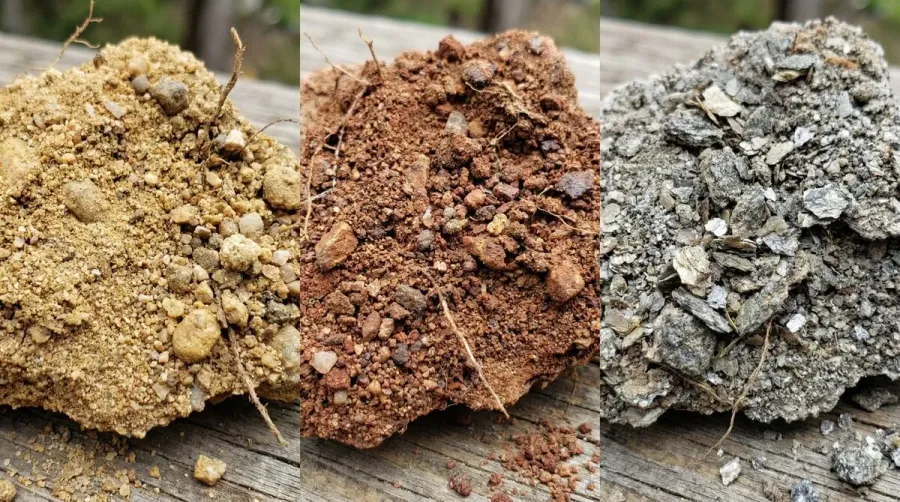
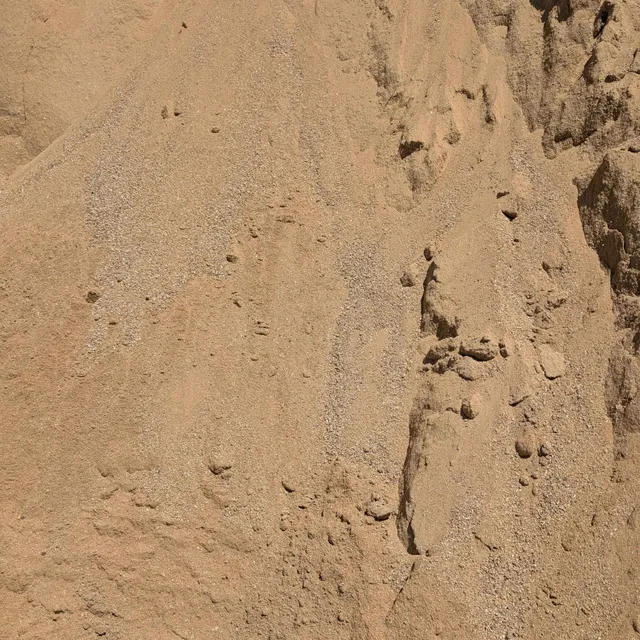
Decomposed granite, commonly called DG, forms when granite rock naturally weathers into small particles ranging from fine sand to small gravel pieces. This process creates a material that compacts well while maintaining excellent drainage properties.
The material comes in various colors including gray, brown, gold, and reddish tones, allowing you to match your existing landscape. Unlike solid paving materials, DG allows water to penetrate through to the soil below, reducing runoff and supporting healthy plant growth around your walkway.
When properly installed and compacted, decomposed granite creates a stable surface that handles regular foot traffic without cracking or shifting. The natural texture provides good traction while remaining comfortable to walk on, making it ideal for garden paths and residential walkways.
Measuring your walkway accurately
Start by marking your walkway boundaries with stakes and string to visualize the exact area. Use a measuring tape to record the length and width in feet, breaking irregularly shaped paths into smaller rectangular sections for easier calculation.
For curved or winding paths, measure the widest and longest points, then adjust your calculations upward by 10-15% to account for the irregular shape. This ensures you have adequate material without running short during installation.
Record all measurements carefully and double-check them before ordering. Small measurement errors can lead to significant quantity miscalculations, especially on longer walkways.
| Walkway Size | 2-inch Depth | 3-inch Depth |
|---|---|---|
| 50 sq ft | 0.3 tons | 0.5 tons |
| 100 sq ft | 0.6 tons | 0.9 tons |
| 200 sq ft | 1.2 tons | 1.8 tons |
| 500 sq ft | 3.0 tons | 4.5 tons |
Determining the right depth
The depth of your decomposed granite layer depends on your walkway’s intended use and the stability of your underlying soil. For standard residential walkways with light foot traffic, a 2-3 inch depth provides adequate durability and appearance.
Heavy-use areas or walkways that will accommodate garden equipment need deeper installations of 3-4 inches. This additional depth ensures the surface remains stable under increased weight and frequent use. If you’re planning a driveway project, you’ll need to consider even greater depths.
Consider your local climate when choosing depth. Areas with heavy rainfall benefit from slightly deeper installations that maintain stability during wet conditions, while dry climates can often use standard depths effectively.
Important Note: Always add a 2-3 inch base layer of crushed gravel beneath your decomposed granite for optimal stability and drainage.
Installation and purchasing considerations
Purchase decomposed granite from reputable landscaping suppliers or specialized aggregate dealers who can provide consistent quality material. Compare prices and delivery options, as bulk delivery often proves more economical than bagged material for larger projects.
When transporting DG yourself, use a sturdy vehicle and secure the load properly to prevent spillage. The material is dense and heavy, so calculate weight limits carefully before loading.
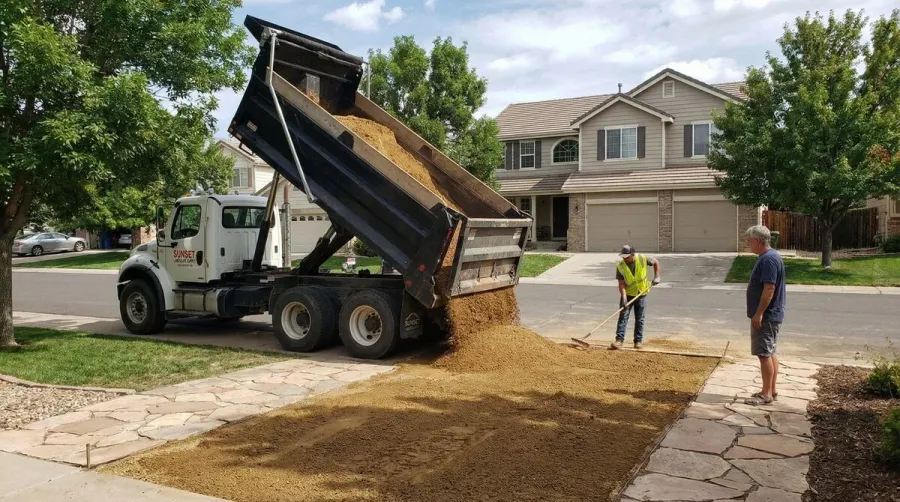
Proper installation begins with excavating 4-6 inches deep to accommodate both the base layer and decomposed granite. Install edging to contain the material, add your crushed gravel base, then spread and compact the DG in thin lifts using a plate compactor or hand tamper.
Lightly mist the material during compaction to help particles bind together, creating a more stable surface. Work systematically across the walkway, ensuring even coverage and consistent compaction throughout the installation. For those considering decomposed granite as a patio base, similar installation techniques apply.
Pro Tip: Order 10-20% extra material to account for compaction and future maintenance needs.
Your decomposed granite walkway will provide years of attractive, low-maintenance service when properly calculated and installed. Regular sweeping and occasional recompaction keep the surface looking its best while maintaining its structural integrity. The natural appearance and excellent drainage make DG an ideal choice for connecting different areas of your landscape while supporting healthy plant growth around the pathway edges. If you’re interested in other applications, consider exploring decomposed granite for fire pit areas or learning about using decomposed granite as a landscaping mulch alternative.
FAQ
How do I calculate how much decomposed granite I need for my walkway?
Measure your walkway’s length and width in feet to get square footage. Multiply by your desired depth in feet (2-3 inches = 0.17-0.25 feet), then divide by 27 to get cubic yards. For tons, multiply cubic yards by 1.3-1.4. Add 10-15% extra for compaction. Example: A 20ft x 4ft walkway at 3 inches deep needs approximately 0.74 cubic yards or about 1 ton of decomposed granite.
What depth should I use for a decomposed granite walkway?
For standard residential walkways with light foot traffic, use 2-3 inches of decomposed granite depth. Heavy-use areas or walkways that will accommodate garden equipment need 3-4 inches. Always include a 2-3 inch base layer of crushed gravel beneath the decomposed granite for optimal stability and drainage, especially in areas with heavy rainfall.
How much does decomposed granite cost for a walkway project?
Decomposed granite typically costs $30-60 per ton for the material itself. Professional installation adds $2-5 per square foot depending on your location and project complexity. For a 100 square foot walkway requiring 0.6 tons of DG, expect material costs of $18-36 plus installation fees. DIY installation can significantly reduce total project costs while still achieving professional results.
Should I order extra decomposed granite beyond my calculated amount?
Yes, order 10-20% extra decomposed granite beyond your calculated amount. This accounts for compaction during installation, measurement variations, and future maintenance needs. The material compacts significantly when properly installed with water and tamping, so the extra material ensures you have adequate coverage and some reserve for touch-ups or repairs over time.
Materials for this project
Get it delivered — dumped where you need it
Decomposed Granite
Pathways & Patios
See delivered price
View product
#610 Limestone
Driveway base & Road base
See delivered price
View product
Driveway Gravel
Driveways & Parking areas
See delivered price
View product
Fill Dirt
Grading & Backfill
See delivered price
View product
Topsoil
Lawn establishment & Garden beds
See delivered price
View product