
How Much Decomposed Granite Do I Need for a Patio
Free local estimate
See delivered prices for your ZIP in 60 seconds
Tell us where the project is and we'll price this material — delivered — for your exact ZIP.
- Real delivered pricing for your ZIP — not a generic range.
- Works for any quantity — driveways, pads, drains, or full projects.
- Prefer to talk? We follow up with local availability and delivery windows.
Planning a decomposed granite patio but unsure how much material to order? You’ll need approximately 2-4 inches of depth for most patios, which translates to about 0.6-1.2 cubic yards per 100 square feet. The exact amount depends on your patio size, intended use, and soil conditions.
Quick Answer: For a standard 200 square foot patio at 3 inches deep, you’ll need approximately 1.85 cubic yards of decomposed granite.
Getting the quantity right from the start saves you money and prevents project delays. Whether you’re creating a cozy seating area or an entertainment space, understanding decomposed granite requirements helps ensure your patio project succeeds. Let’s walk through the calculation process and factors that influence how much material you’ll actually need.
About Hello Gravel
Hello Gravel delivers bulk gravel, rock, dirt, and sand by the ton. Enter your ZIP code to see prices with delivery included. A local dump-truck driver places the load where access is safe; spreading is not included.
Understanding decomposed granite for patios
Decomposed granite forms naturally when granite rocks break down through weathering over thousands of years. This process creates a material with particles ranging from fine sand to small pebbles, giving it excellent compaction properties and natural drainage capabilities.
The material comes in various colors depending on the original granite source. You’ll find warm earthy tones like gold and brown, as well as cooler gray and white options. This variety lets you match your patio to your home’s exterior and landscape design. For more information on color options and aesthetic choices, explore our guide to granite landscaping rock.
What makes decomposed granite particularly suitable for patios is its permeability. Unlike concrete or pavers, it allows water to drain through naturally, preventing puddle formation and reducing runoff issues. The material also provides a stable, comfortable walking surface when properly installed and compacted.

Calculating your decomposed granite needs
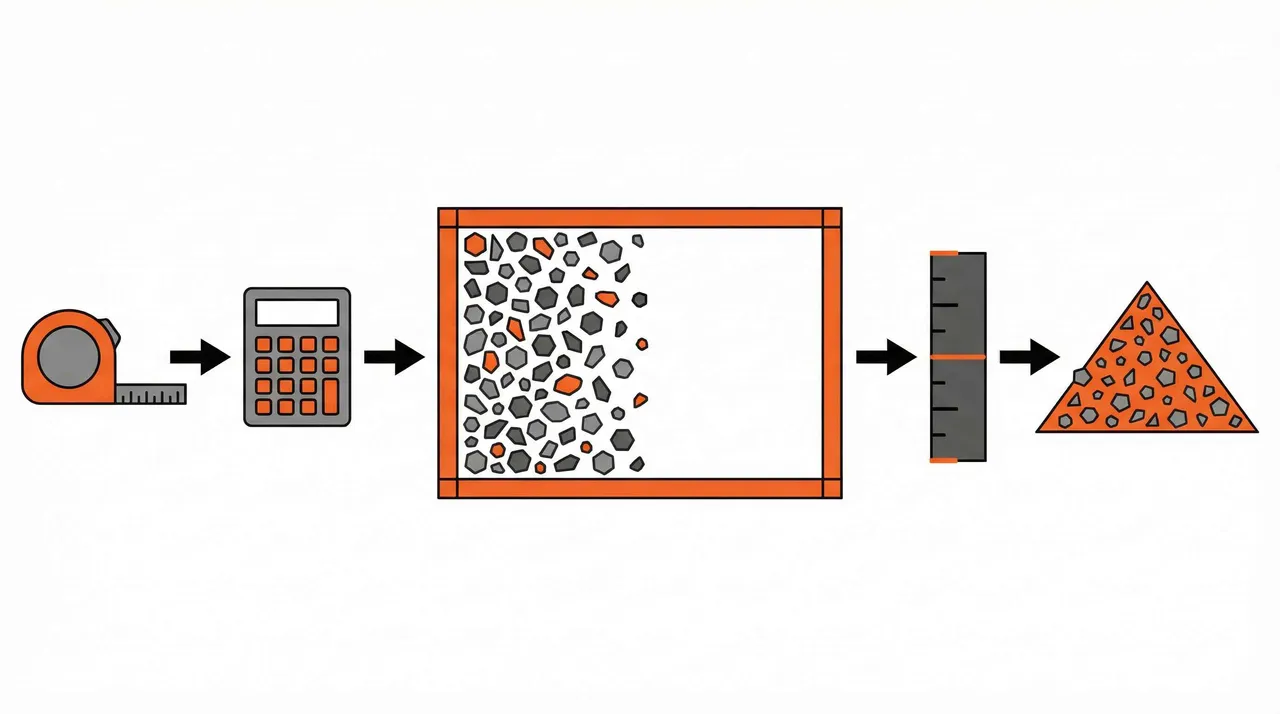
Start by measuring your patio area in feet. For rectangular spaces, multiply length by width to get square footage. Irregular shapes require breaking the area into smaller sections and calculating each separately.
Next, determine the appropriate depth for your project. Standard residential patios typically need 2-3 inches of decomposed granite. However, areas with heavy foot traffic or furniture placement benefit from 4-6 inches for added stability and longevity.
Use this formula to convert your measurements to cubic yards: (Square Feet × Depth in Inches) ÷ 324 = Cubic Yards. For example, a 12×15 foot patio (180 square feet) at 3 inches deep requires: (180 × 3) ÷ 324 = 1.67 cubic yards. Always round up to account for compaction and minor waste.
| Patio Size | 2″ Depth | 3″ Depth | 4″ Depth |
|---|---|---|---|
| 100 sq ft | 0.6 yd³ | 0.9 yd³ | 1.2 yd³ |
| 200 sq ft | 1.2 yd³ | 1.9 yd³ | 2.5 yd³ |
| 400 sq ft | 2.5 yd³ | 3.7 yd³ | 4.9 yd³ |
Factors that affect material quantity
Your patio’s shape significantly impacts material requirements. Curved edges and intricate designs often require additional decomposed granite to achieve proper coverage and smooth transitions. Simple rectangular patios use material most efficiently.
Soil conditions play a crucial role in determining final quantities. Compacted clay soil may require extra material for proper leveling, while sandy soil typically needs less preparation. Areas requiring extensive excavation or soil removal will also affect your total material needs.
Consider your patio’s intended use when planning depth requirements. A quiet reading nook can work well with 2-3 inches of decomposed granite, while an outdoor kitchen or dining area benefits from 4-6 inches for better stability under furniture and appliance weight. If you’re also planning other outdoor projects, check out how much decomposed granite you need for a walkway or garden path to coordinate your landscaping efforts.
Installation and maintenance considerations
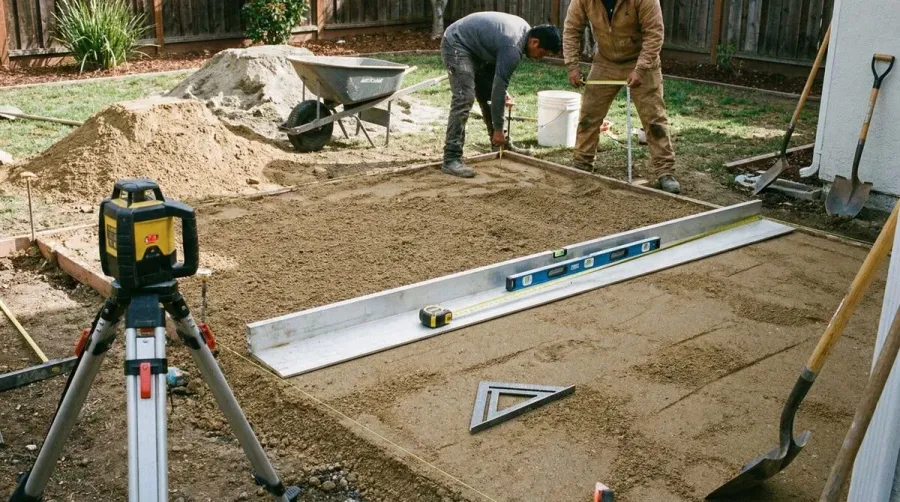
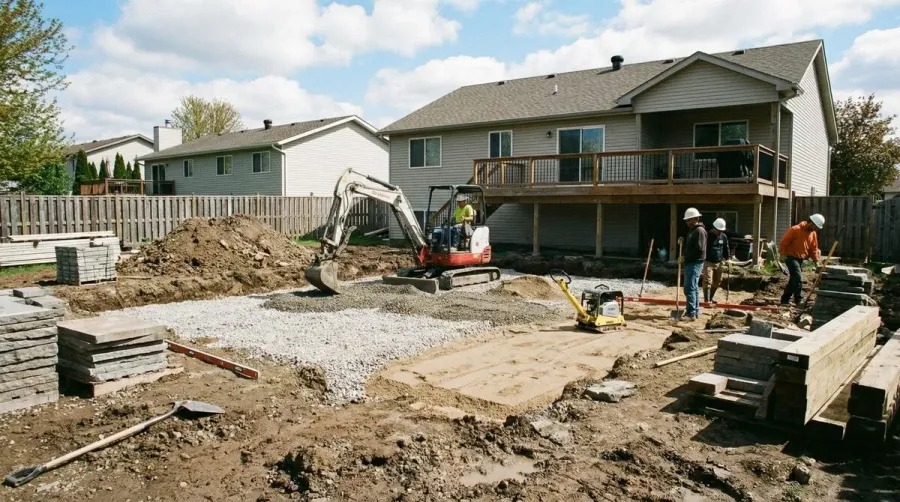
Proper installation starts with excavating to your planned depth and creating a slight slope for drainage. Many installers recommend laying landscape fabric to prevent weed growth, though this step is optional depending on your local conditions. Understanding decomposed granite as a patio base is essential for achieving professional results.
Apply decomposed granite in thin layers, moistening and compacting each one thoroughly. This layered approach prevents the common problem where only the surface compacts, leaving loose material underneath that can shift over time.
Important: Compacting in thin layers is essential for long-term stability. Applying all material at once often results in poor compaction and eventual surface cracking.
Regular maintenance involves sweeping away debris and occasionally adding fresh material to maintain proper depth. Well-installed decomposed granite patios can last many years with minimal upkeep, making them an excellent choice for busy homeowners. For those interested in alternative applications, consider exploring decomposed granite for fire pit areas to create cohesive outdoor living spaces.
Calculating the right amount of decomposed granite for your patio doesn’t have to be complicated. By measuring carefully, choosing appropriate depth, and accounting for your specific conditions, you can order exactly what you need for a successful project. Remember to factor in your patio’s intended use and local soil conditions when making final calculations. With proper planning and installation, your decomposed granite patio will provide years of enjoyment with minimal maintenance requirements.
FAQ
How much decomposed granite do I need for a 200 square foot patio?
For a 200 square foot patio at 3 inches depth, you’ll need approximately 1.85 cubic yards of decomposed granite. Use the formula: (Square Feet × Depth in Inches) ÷ 324 = Cubic Yards. So (200 × 3) ÷ 324 = 1.85 cubic yards. Always order 10-15% extra to account for compaction and settling.
What depth of decomposed granite should I use for my patio?
Standard residential patios typically need 2-3 inches of decomposed granite for light foot traffic. However, areas with heavy foot traffic, furniture placement, or poor soil conditions benefit from 4-6 inches for added stability and longevity. Always compact the material in thin layers for best results.
How do I properly install decomposed granite for a patio?
Start by excavating to your planned depth and creating a slight slope for drainage. Optionally lay landscape fabric to prevent weeds. Apply decomposed granite in thin layers, moistening and compacting each layer thoroughly. This layered approach prevents surface-only compaction and ensures long-term stability.
What factors affect how much decomposed granite I need for my patio?
Several factors influence material quantity: patio shape (curved edges require more material), soil conditions (compacted clay may need extra for leveling), intended use (entertainment areas need more depth than quiet seating areas), and excavation requirements. Always consider these factors when calculating your total material needs.
Materials for this project
Get it delivered — dumped where you need it
Decomposed Granite
Pathways & Patios
See delivered price
View product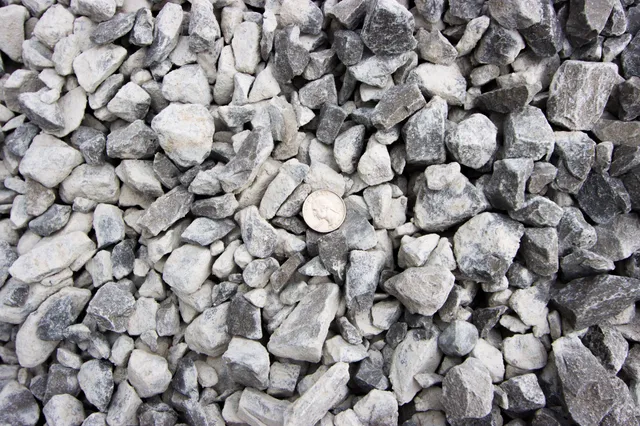
#610 Limestone
Driveway base & Road base
See delivered price
View product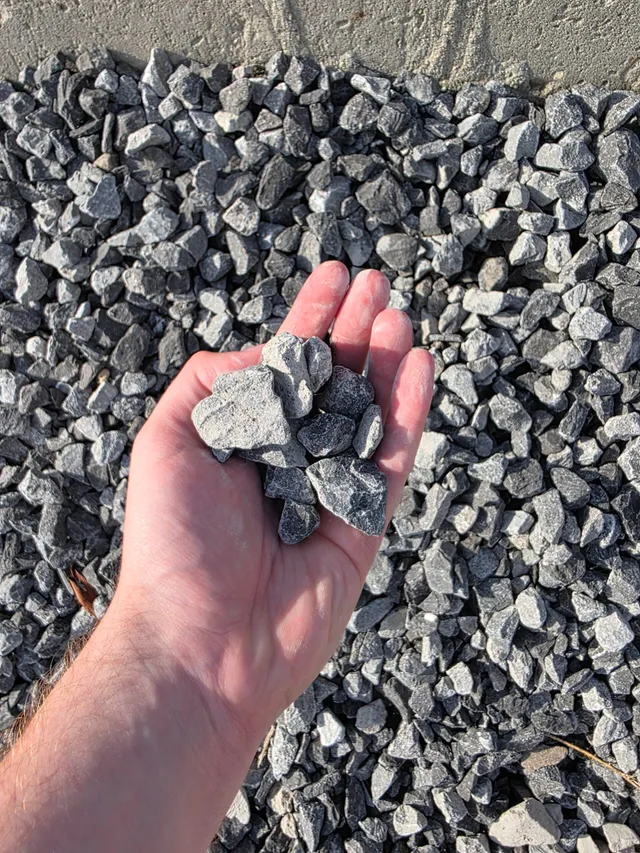
Driveway Gravel
Driveways & Parking areas
See delivered price
View product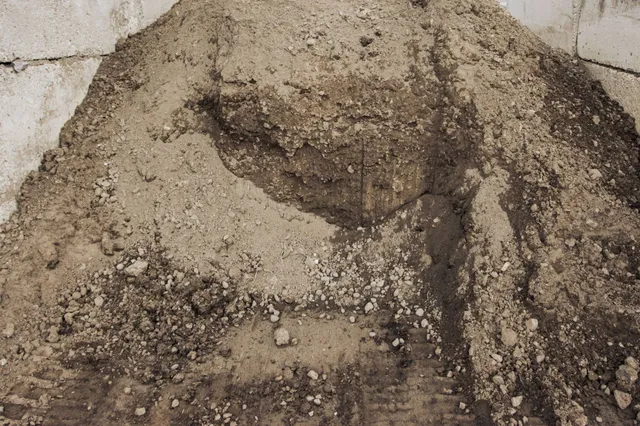
Fill Dirt
Grading & Backfill
See delivered price
View product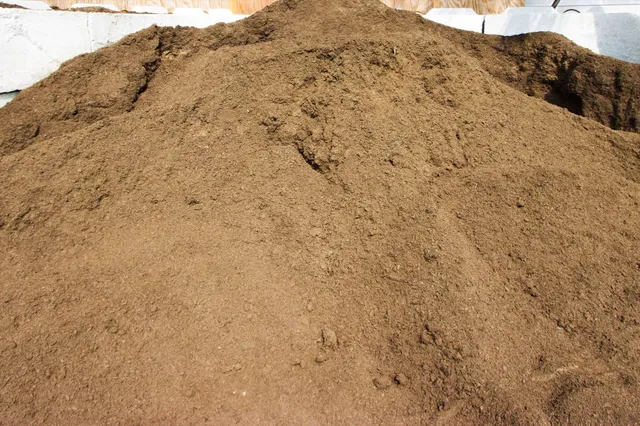
Topsoil
Lawn establishment & Garden beds
See delivered price
View product