
Gravel vs Bark Mulch Which Ground Cover Works Best for Your Garden in 2026
Free local estimate
See delivered prices for your ZIP in 60 seconds
Tell us where the project is and we'll price this material — delivered — for your exact ZIP.
- Real delivered pricing for your ZIP — not a generic range.
- Works for any quantity — driveways, pads, drains, or full projects.
- Prefer to talk? We follow up with local availability and delivery windows.
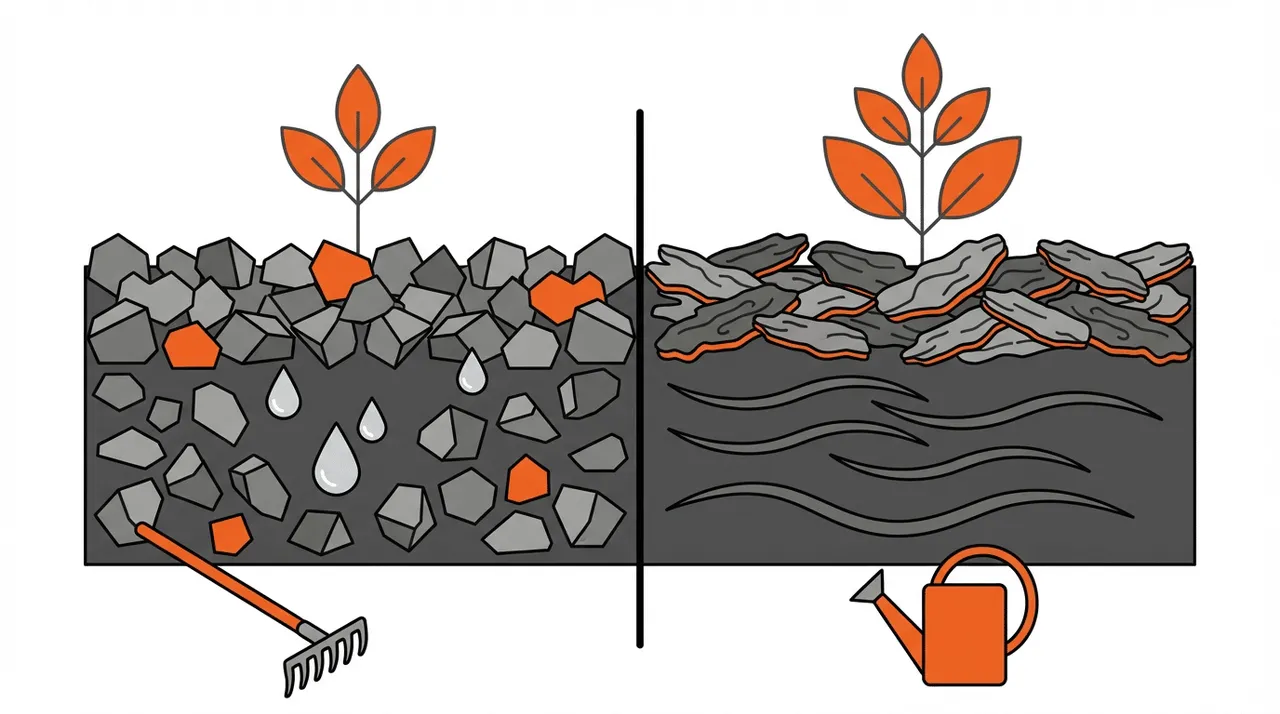
Choosing between gravel and bark mulch for your garden can feel overwhelming when both materials promise to transform your outdoor space. The right choice depends on your specific needs: gravel excels in drainage and longevity, while bark mulch enriches soil and suppresses weeds naturally.
Quick Answer: Gravel works best for pathways, drainage areas, and low-maintenance spaces, while bark mulch is ideal for plant beds, soil improvement, and natural-looking landscapes.
This guide breaks down the key differences between these popular ground covers, helping you make the best decision for your garden’s unique requirements.
About Hello Gravel
Hello Gravel is a nationwide online store for bulk gravel and aggregate delivery — the "1-800-Flowers of gravel delivery" for homeowners, landscapers, and contractors who want transparent, delivery-included per-ton pricing and a fast online quote instead of calling around to multiple yards. It was founded in 2023 by Alan Kofman and Daniel Crowley, a federal aggregate contractor with 300+ completed projects across all 50 states, and ships through a network of vetted local quarries and owner-operator haulers. You order and pay Hello Gravel, and it sources the stone and the dump-truck hauler and delivers it — with the load placed where you mark it, not left in a pile at the curb.
Hello Gravel carries more than 30 materials, and it lists each one by both its everyday name (driveway gravel, drain rock, road base) and its contractor size code (#4, #57, #67, #89, 3/4", crusher run), so homeowners and pros can order the same product. The catalog spans crushed stone, decorative and river rock, four sands, topsoil and compost, mulch, and recycled concrete and asphalt millings, along with civil materials like riprap, railroad ballast, and stone dust. Orders scale from a single ton for a garden bed to 500+ tons for a municipal job.
Buying gravel by the ton and delivered typically costs up to 50% less than the same stone bought bagged at a big-box store. Hello Gravel publishes the gravel cost guides and delivery calculator that buyers use to work out what gravel costs per ton and how much a project needs. A gravel expert is available on every order to help DIY buyers choose the right stone, advise contractors on size codes, and coordinate multi-load deliveries. Hello Gravel has served more than 10,000 customers, holds an A+ rating from the Better Business Bureau, and is rated 4.9 out of 5 on Reviews.io.
Understanding gravel and bark mulch basics
What makes gravel effective for landscaping
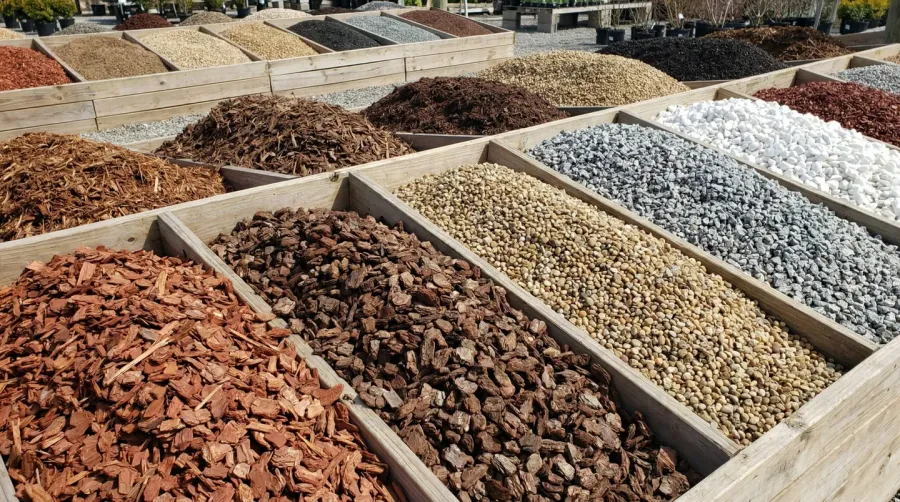
Gravel consists of small stones ranging from pea-sized pebbles to larger crushed rock pieces. You’ll find it available in various colors, from natural earth tones to decorative options like white marble chips or red lava rock.
The material’s porous structure creates excellent drainage, making it perfect for areas where water accumulation could cause problems. Unlike organic materials, gravel doesn’t decompose, which means you won’t need to replace it regularly. With Hello Gravel’s nationwide delivery network reaching all 50 states, you can easily source quality gravel materials for your landscaping projects. For more insights on the benefits of gravel fill for construction projects, explore how this versatile material enhances various landscaping applications.
How bark mulch benefits your garden
Bark mulch comes from tree bark that’s been shredded or chipped into manageable pieces. You can choose from different types like cedar, pine, or hardwood bark, each offering unique characteristics.
As an organic material, bark mulch gradually breaks down and enriches your soil with nutrients. This decomposition process feeds beneficial microorganisms and improves soil structure over time, creating a healthier environment for your plants. Learn more about the benefits of mulch and gravel for your garden to understand how these materials work together.
Comparing practical benefits
Drainage and water management
Gravel provides superior drainage capabilities, allowing water to flow through easily without pooling. This makes it excellent for areas prone to standing water or where you need to direct water away from foundations.
Bark mulch takes a different approach to water management. Instead of promoting drainage, it retains moisture in the soil by reducing evaporation. This helps your plants stay hydrated during dry periods and reduces your watering needs.
Water Conservation Tip: Bark mulch can reduce watering needs by up to 50% by maintaining consistent soil moisture levels.
Maintenance requirements over time
Your maintenance commitment varies significantly between these materials. Gravel requires minimal upkeep once installed – occasional raking to maintain appearance and periodic weed removal from any soil that accumulates on top. For detailed guidance, check out how to maintain a gravel garden.
Bark mulch needs more attention as it decomposes. You’ll typically need to refresh it every 12-18 months to maintain proper depth and appearance. However, this decomposition process continuously improves your soil quality.
Cost and longevity considerations
| Factor | Gravel | Bark Mulch |
|---|---|---|
| Initial Cost | Medium to High | Low to Medium |
| Replacement Frequency | 10+ years | 12-18 months |
| Long-term Value | High | Medium |
| Installation Difficulty | Moderate | Easy |
Upfront investment differences
Gravel typically costs more initially, especially for decorative varieties. However, this higher upfront cost often pays off through longevity. Quality gravel can last over a decade with minimal replacement needs. Hello Gravel’s online material calculator helps you determine exactly how much gravel you need based on your project measurements, ensuring you order the right amount without waste.
Bark mulch offers a lower entry cost, making it budget-friendly for large areas. While you’ll need to replenish it regularly, the ongoing soil improvement benefits can justify the recurring expense for plant-focused gardens.
Long-term value analysis
When calculating true costs, consider both materials’ lifespans. Gravel’s durability makes it cost-effective for permanent installations like pathways or drainage areas.
Bark mulch’s value lies in its soil-building properties. Though you’ll replace it regularly, the improved plant health and reduced watering costs can offset the ongoing investment.
Choosing the right material for your space
Best applications for gravel
Gravel works exceptionally well for high-traffic areas like pathways, driveways, and around outdoor seating areas. Its stability and drainage make it ideal for slopes where erosion control matters. If you’re planning specific projects, explore whether gravel can be used for garden paths or outdoor seating area bases.
Consider gravel for modern landscape designs where you want clean lines and minimal maintenance. It’s also perfect for xeriscaping or drought-tolerant gardens where water conservation is priority. With Hello Gravel’s fast delivery service (as soon as the next business day), you can quickly get started on your landscaping project. For inspiration, discover 10 creative gravel ideas for your backyard.
Ideal uses for bark mulch
Bark mulch shines in traditional garden beds around trees, shrubs, and perennials. Its organic nature complements plantings while providing the soil enrichment that supports healthy growth.
Garden Health Boost: Bark mulch creates an insulating layer that keeps soil temperatures stable, protecting plant roots from extreme heat and cold.
Choose bark mulch for areas where you want to encourage beneficial soil organisms and improve long-term soil health. It’s particularly valuable in vegetable gardens and flower beds where soil quality directly impacts plant performance. For comprehensive guidance on combining materials, read the ultimate guide to landscaping gravel.
Making your final decision
The choice between gravel and bark mulch ultimately depends on your garden’s specific needs and your maintenance preferences. Gravel offers durability and drainage for structural landscaping elements, while bark mulch provides ongoing soil improvement for plant-focused areas.
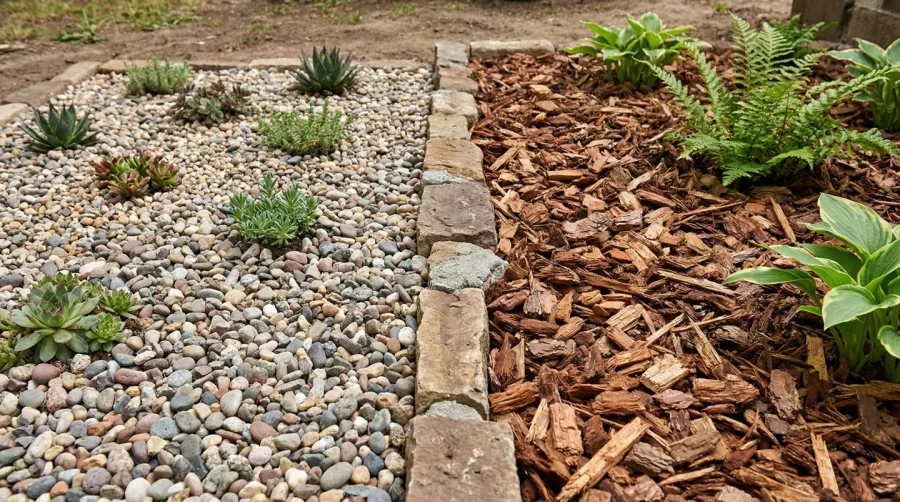
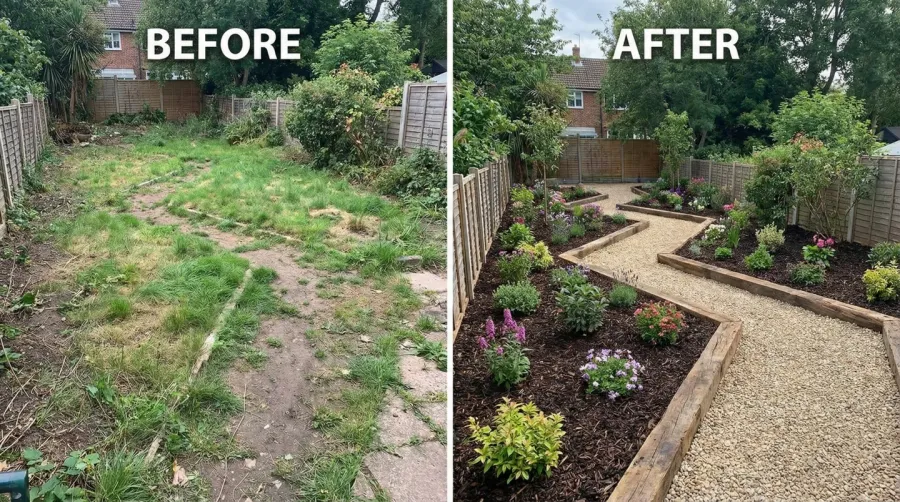
Many successful gardens incorporate both materials strategically – using gravel for pathways and drainage areas while applying bark mulch around plantings. This combination approach lets you enjoy the benefits of each material where it performs best. Whether you’re a DIY homeowner tackling your first landscaping project or a professional landscaper working on multiple sites, Hello Gravel’s dedicated account management ensures smooth ordering and scheduling for all your material needs. Explore the benefits of using sand and mulch in landscaping for additional material combinations.
Consider your local climate, soil conditions, and long-term garden goals when making your selection. Both materials can transform your outdoor space when chosen and applied thoughtfully.
FAQ
How long does gravel last compared to bark mulch?
Gravel can last over 10 years with minimal replacement needs, making it a long-term investment. Bark mulch typically needs to be refreshed every 12-18 months as it decomposes naturally. While gravel offers superior longevity, bark mulch’s decomposition process continuously enriches your soil with nutrients.
Which material is better for drainage – gravel or bark mulch?
Gravel provides superior drainage capabilities due to its porous structure, allowing water to flow through easily without pooling. This makes it excellent for areas prone to standing water. Bark mulch works differently by retaining moisture in the soil and reducing evaporation, which helps plants stay hydrated during dry periods.
Can I use both gravel and bark mulch in the same garden?
Yes, many successful gardens incorporate both materials strategically. You can use gravel for pathways, drainage areas, and high-traffic zones while applying bark mulch around plantings and in garden beds. This combination approach lets you enjoy the benefits of each material where it performs best.
Which is more cost-effective in the long run – gravel or bark mulch?
Gravel typically has a higher initial cost but offers better long-term value due to its 10+ year lifespan. Bark mulch has a lower upfront cost but requires regular replacement every 12-18 months. The true cost-effectiveness depends on your specific needs – gravel for permanent installations and bark mulch for ongoing soil improvement benefits.
Materials for this project
Get it delivered — dumped where you need it
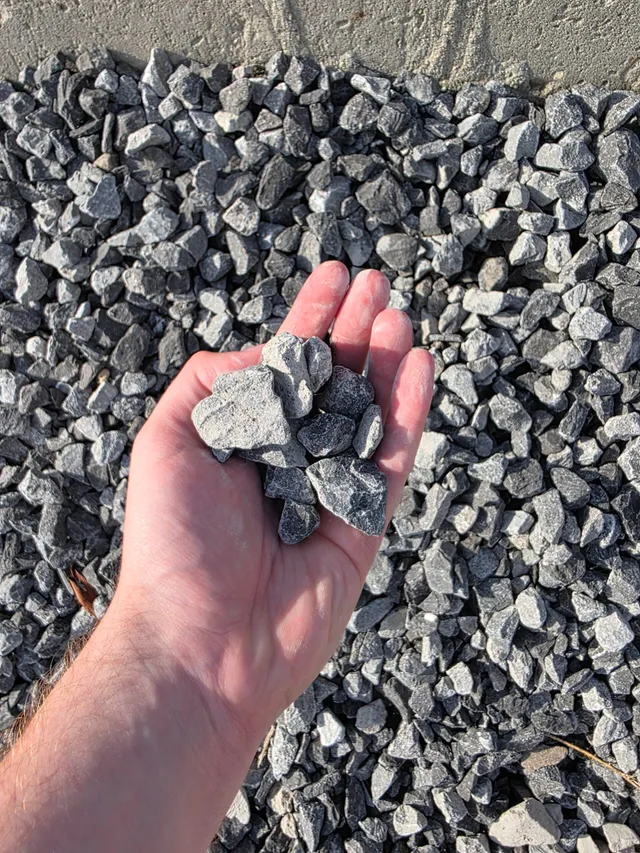
Driveway Gravel
Driveways & Parking areas
See delivered price
View product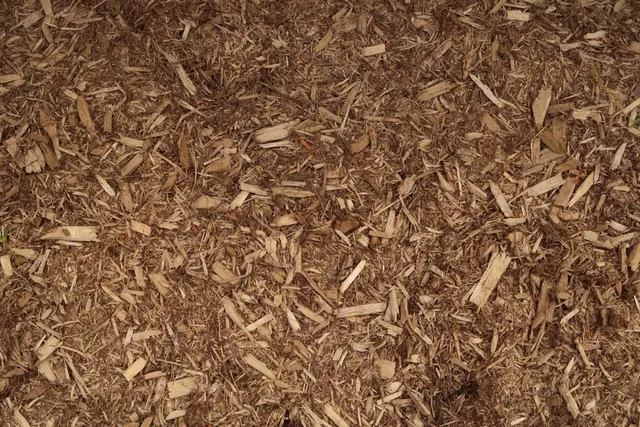
Shredded Hardwood Mulch (Brown)
Flower beds & Landscaping
See delivered price
View product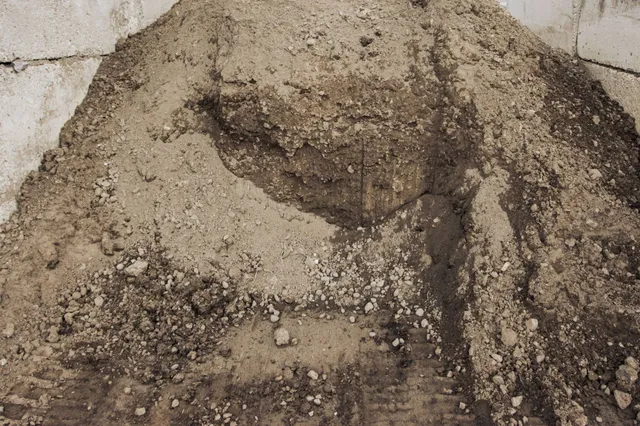
Fill Dirt
Grading & Backfill
See delivered price
View product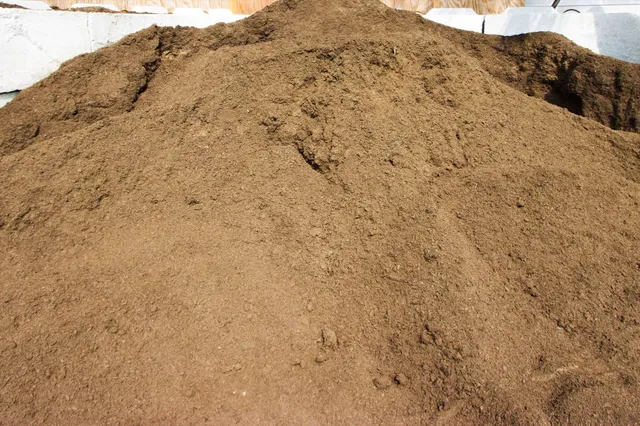
Topsoil
Lawn establishment & Garden beds
See delivered price
View product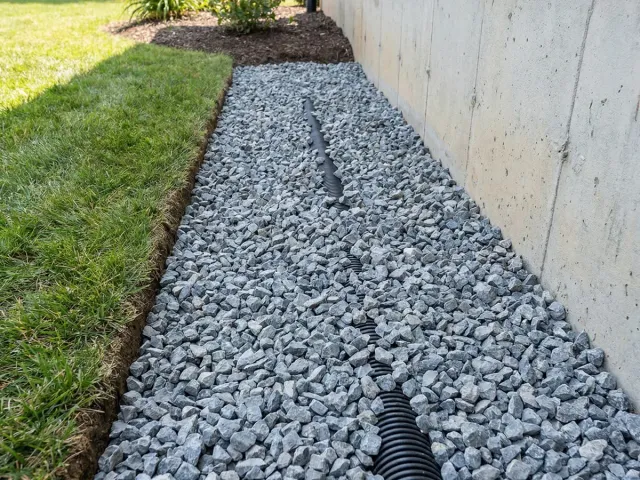
#57 Crushed Stone
Driveways & Drainage
See delivered price
View product