
What Does Crushed Concrete Look Like (25 Photos)
Free local estimate
See delivered prices for your ZIP in 60 seconds
Tell us where the project is and we'll price this material — delivered — for your exact ZIP.
- Real delivered pricing for your ZIP — not a generic range.
- Works for any quantity — driveways, pads, drains, or full projects.
- Prefer to talk? We follow up with local availability and delivery windows.
Looking for inspiration for your next driveway project? Crushed concrete driveways offer an unbeatable combination of affordability, durability, and environmental benefits that make them increasingly popular among homeowners. You can save up to 50% compared to traditional asphalt while creating a unique, rustic aesthetic that enhances your property’s curb appeal.
Crushed concrete, also known as recycled concrete aggregate (RCA), transforms demolished concrete structures into a versatile driveway material. This eco-friendly approach diverts waste from landfills while providing you with a cost-effective solution that can last decades with proper installation and maintenance.
Quick Fact: Crushed concrete driveways typically cost between $1.50-$3.00 per square foot installed, compared to $3.00-$7.00 for asphalt driveways.
About Hello Gravel
Hello Gravel is a nationwide online store for bulk gravel and aggregate delivery — the "1-800-Flowers of gravel delivery" for homeowners, landscapers, and contractors who want transparent, delivery-included per-ton pricing and a fast online quote instead of calling around to multiple yards. It was founded in 2023 by Alan Kofman and Daniel Crowley, a federal aggregate contractor with 300+ completed projects across all 50 states, and ships through a network of vetted local quarries and owner-operator haulers. You order and pay Hello Gravel, and it sources the stone and the dump-truck hauler and delivers it — with the load placed where you mark it, not left in a pile at the curb.
Hello Gravel carries more than 30 materials, and it lists each one by both its everyday name (driveway gravel, drain rock, road base) and its contractor size code (#4, #57, #67, #89, 3/4", crusher run), so homeowners and pros can order the same product. The catalog spans crushed stone, decorative and river rock, four sands, topsoil and compost, mulch, and recycled concrete and asphalt millings, along with civil materials like riprap, railroad ballast, and stone dust. Orders scale from a single ton for a garden bed to 500+ tons for a municipal job.
Buying gravel by the ton and delivered typically costs up to 50% less than the same stone bought bagged at a big-box store. Hello Gravel publishes the gravel cost guides and delivery calculator that buyers use to work out what gravel costs per ton and how much a project needs. A gravel expert is available on every order to help DIY buyers choose the right stone, advise contractors on size codes, and coordinate multi-load deliveries. Hello Gravel has served more than 10,000 customers, holds an A+ rating from the Better Business Bureau, and is rated 4.9 out of 5 on Reviews.io.
Stunning crushed concrete driveway examples
The versatility of crushed concrete shines through in these real-world applications. From modern minimalist designs to rustic country settings, this material adapts beautifully to any architectural style.
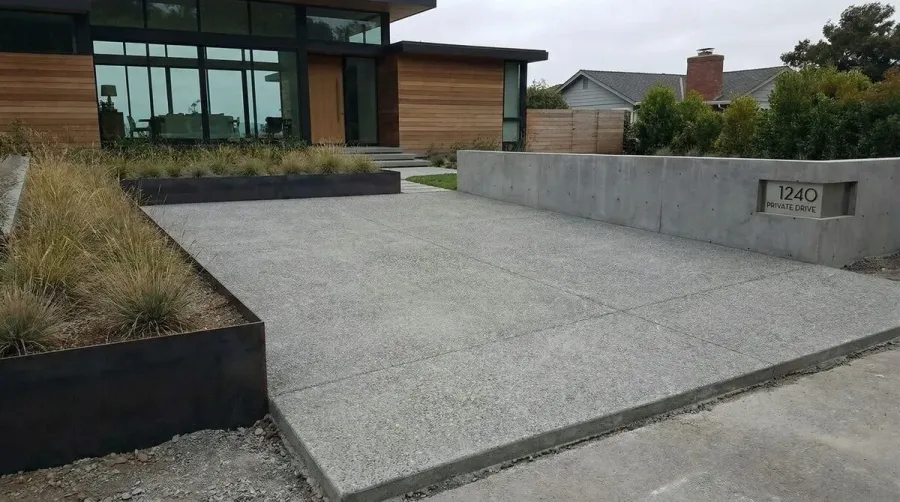
Modern crushed concrete driveways feature clean lines with uniform gray tones that complement contemporary home designs. The angular aggregate pieces create interesting texture patterns while maintaining a sophisticated appearance. These installations often incorporate defined borders using concrete edging or steel strips for a polished finish.
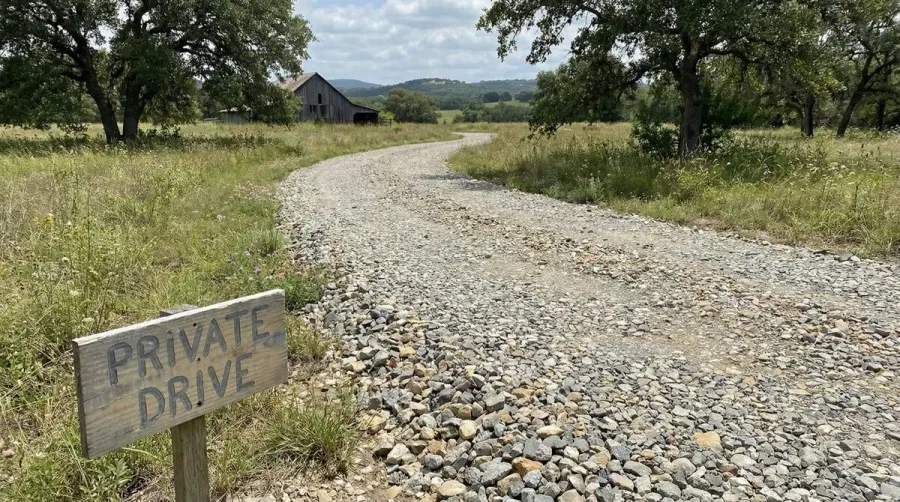
Rustic applications showcase the material’s natural character, with varied aggregate sizes creating organic patterns. Country-style homes benefit from the weathered appearance that blends seamlessly with natural landscapes. The earthy gray tones pair perfectly with stone accents, wooden fencing, and native plantings.
Before-and-after transformations demonstrate the dramatic impact of crushed concrete installations. Cracked asphalt driveways become smooth, attractive surfaces that immediately boost property value. Understanding whether crushed concrete will harden is crucial for achieving the best results. The permeable nature of crushed concrete also improves drainage compared to solid surfaces.
Cost comparison and budget planning
Understanding the financial benefits helps you make informed decisions about your driveway investment. Crushed concrete consistently outperforms traditional materials in cost-effectiveness.
| Material | Cost per sq ft | Lifespan | Maintenance |
|---|---|---|---|
| Crushed Concrete | $1.50-$3.00 | 15-25 years | Low |
| Asphalt | $3.00-$7.00 | 10-15 years | Medium |
| Gravel | $2.00-$4.00 | 10-20 years | High |
The initial savings extend beyond installation costs. Crushed concrete requires minimal maintenance compared to asphalt, which needs regular sealing and crack repairs. You’ll spend less on upkeep while enjoying a driveway that maintains its appearance for decades. For a detailed cost analysis, check out our comparison of crushed concrete vs gravel pricing.
Labor costs vary by region and project complexity, but crushed concrete installation typically requires less specialized equipment than asphalt paving. This translates to lower installation fees and faster project completion. When comparing options, you might also want to explore crushed concrete vs recycled asphalt to determine which material best suits your budget and needs.
Money-Saving Tip: Purchasing crushed concrete in bulk reduces material costs by 15-20% compared to smaller quantities.
Installation process and best practices
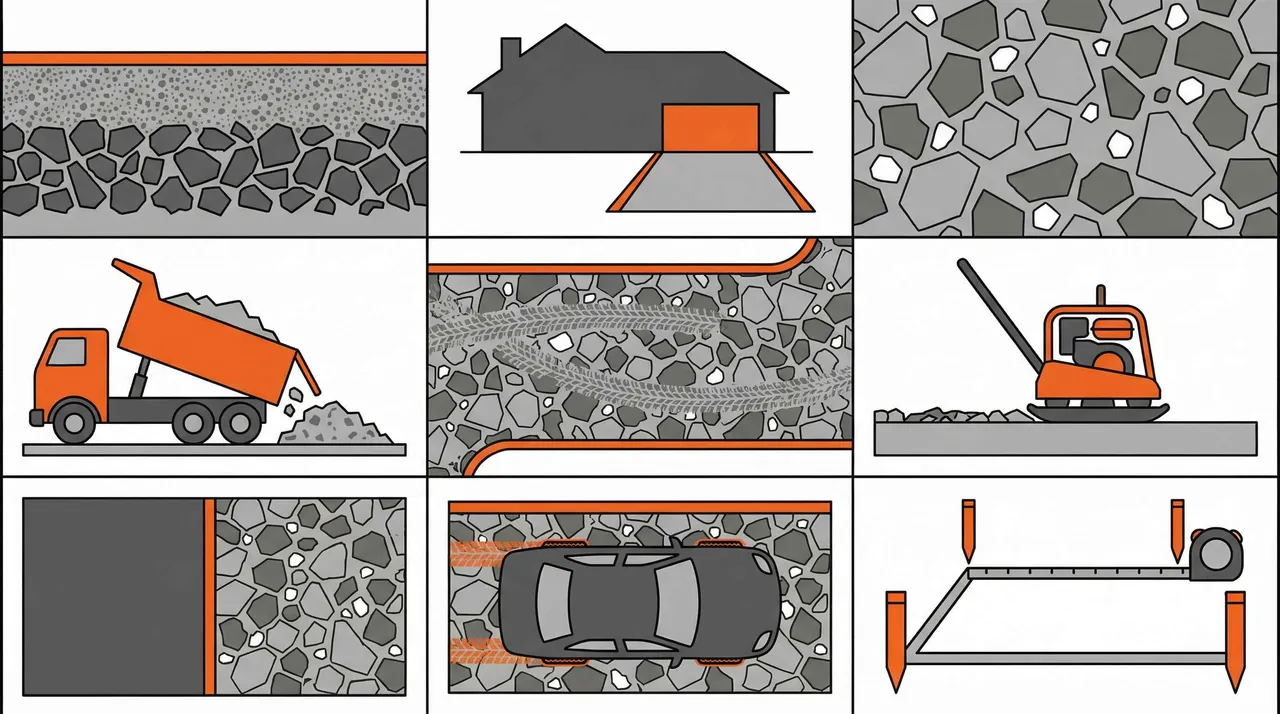
Proper installation ensures your crushed concrete driveway performs optimally for years. The process involves several critical steps that determine long-term success.
Ground preparation forms the foundation of any successful installation. You’ll need to excavate existing material, grade the area for proper drainage, and compact the subgrade. Installing a geotextile fabric prevents mixing between the crushed concrete and underlying soil.
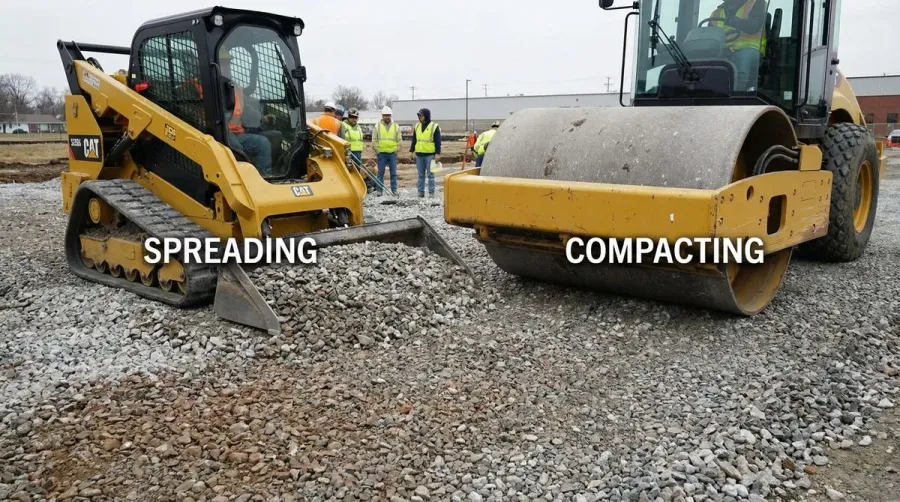
The base layer typically consists of 3-4 inches of crushed concrete, spread evenly and compacted using a plate compactor or roller. This creates a stable foundation that distributes weight effectively. Learning how to compact crushed concrete properly prevents settling and maintains surface integrity.
Surface finishing involves adding a final layer of finer crushed concrete and achieving the desired grade. Professional installers use laser levels to ensure proper slope for water drainage. The final compaction creates a smooth, durable surface ready for use. For detailed guidance, refer to our article on how to spread crushed concrete.
Edge restraints prevent material migration and maintain clean borders. Options include concrete edging, steel strips, or compacted soil berms. Proper edging extends driveway life and reduces maintenance requirements.
Long-term maintenance and care tips
Maintaining your crushed concrete driveway involves simple practices that preserve its appearance and functionality. Regular attention prevents minor issues from becoming costly repairs.
Periodic grading smooths surface irregularities and maintains proper drainage slopes. You can rent a small grader or use a landscape rake for minor touch-ups. This process redistributes material and eliminates ruts or depressions.
Weed control becomes important as vegetation can grow through the aggregate. Applying pre-emergent herbicides in spring prevents weed establishment. Hand-pulling occasional weeds maintains the clean appearance without chemicals. If you’re concerned about environmental impact, learn more about whether crushed concrete is bad for plants.
Maintenance Schedule: Grade your driveway annually and add fresh material every 3-5 years to maintain optimal thickness and appearance.
Replenishment involves adding fresh crushed concrete to areas where material has compacted or migrated. This typically occurs every few years and costs significantly less than major repairs. The new material blends seamlessly with existing aggregate. To ensure proper drainage performance over time, review our guide on crushed concrete drainage.
Snow removal requires gentle techniques to avoid disturbing the surface. Use plastic shovels or snow blowers rather than metal plows that can scrape away material. Salt application should be minimal to prevent excessive runoff.
Crushed concrete driveways represent an intelligent investment that balances cost, performance, and environmental responsibility. The combination of affordability, durability, and aesthetic appeal makes this material an excellent choice for homeowners seeking practical solutions. With proper installation and minimal maintenance, your crushed concrete driveway will provide reliable service while enhancing your property’s value for decades to come.
FAQ
How much does a crushed concrete driveway cost?
Crushed concrete driveways typically cost between $1.50-$3.00 per square foot installed, making them significantly more affordable than asphalt ($3.00-$7.00) or poured concrete ($5.00-$18.00). For an average 600 square foot driveway, you can expect to pay $900-$1,800, representing up to 50% savings compared to traditional materials.
How long does a crushed concrete driveway last?
A properly installed crushed concrete driveway can last 15-25 years with minimal maintenance. This lifespan exceeds many gravel driveways and rivals asphalt installations. The key to longevity is proper installation with adequate base preparation, compaction, and periodic maintenance including annual grading and adding fresh material every 3-5 years.
What are the main benefits of crushed concrete driveways?
Crushed concrete driveways offer several key advantages: significant cost savings (up to 50% less than asphalt), environmental benefits by recycling demolished concrete, excellent drainage due to permeable surface, low maintenance requirements, durability against weather and traffic, and attractive rustic appearance that complements various architectural styles.
Can I install a crushed concrete driveway myself?
Yes, crushed concrete driveways are suitable for DIY installation with proper planning and equipment. The process involves excavating 3-4 inches, installing geotextile fabric, spreading and compacting the crushed concrete in layers, and creating proper drainage slopes. You’ll need basic tools like shovels, rakes, and access to a plate compactor or roller for best results.
Materials for this project
Get it delivered — dumped where you need it
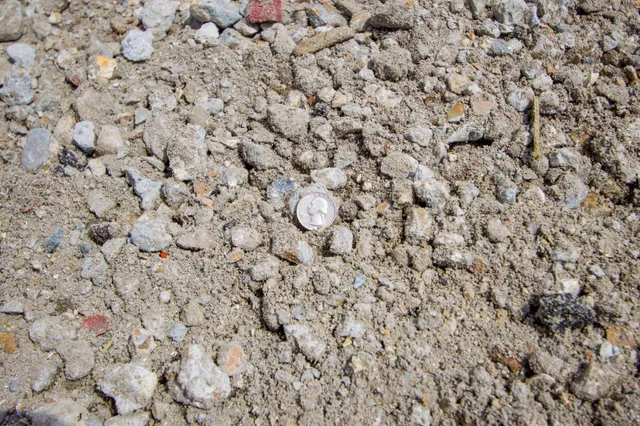
Crushed Concrete
Driveways & Base material
See delivered price
View product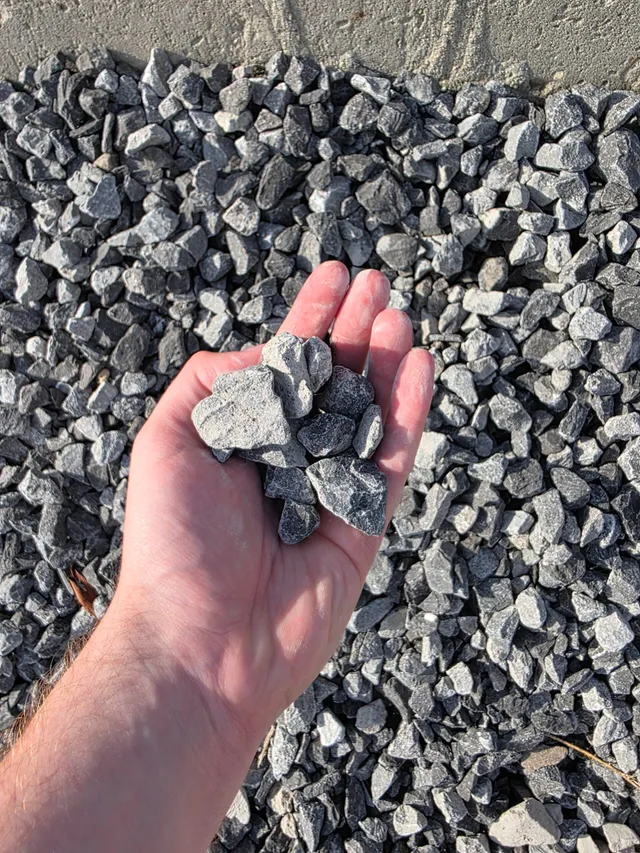
Driveway Gravel
Driveways & Parking areas
See delivered price
View product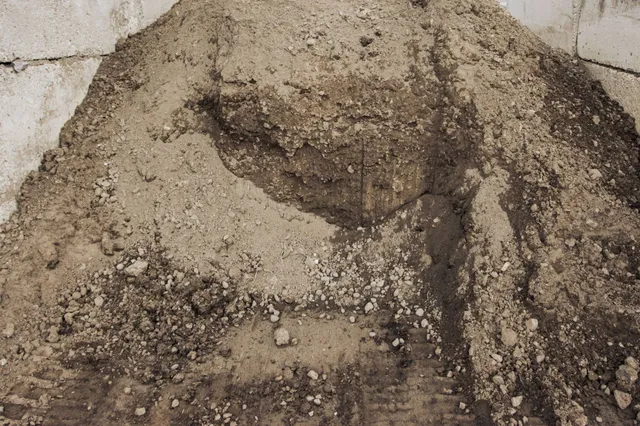
Fill Dirt
Grading & Backfill
See delivered price
View product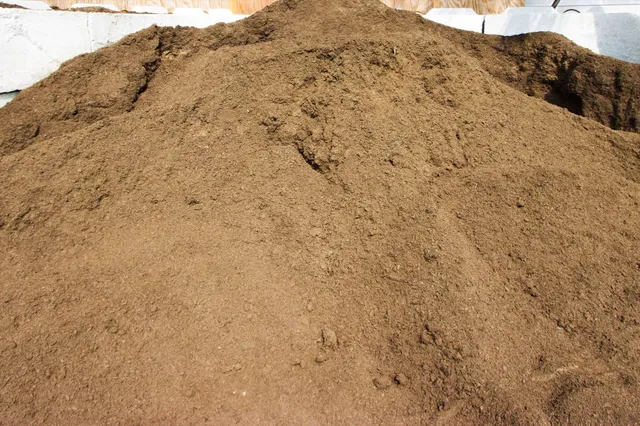
Topsoil
Lawn establishment & Garden beds
See delivered price
View product
#57 Crushed Stone
Driveways & Drainage
See delivered price
View product