
Can You Use Gravel for Park Pathways
Free local estimate
See delivered prices for your ZIP in 60 seconds
Tell us where the project is and we'll price this material — delivered — for your exact ZIP.
- Real delivered pricing for your ZIP — not a generic range.
- Works for any quantity — driveways, pads, drains, or full projects.
- Prefer to talk? We follow up with local availability and delivery windows.
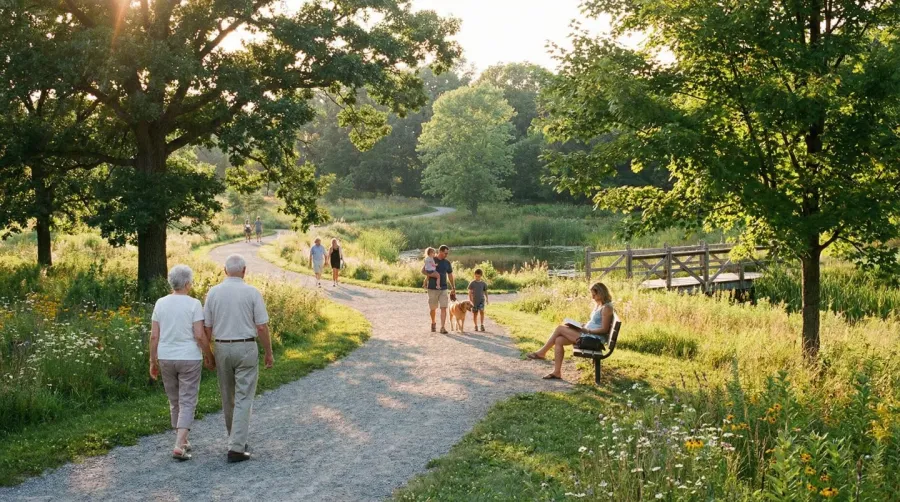
Can gravel be used for community park pathways? Absolutely, and it’s becoming one of the smartest choices for park planners across the country. Gravel pathways offer a winning combination of affordability, durability, and natural beauty that makes them perfect for community spaces where both budget and functionality matter.
Quick fact: Gravel pathways cost 60-80% less than concrete alternatives while providing superior drainage and requiring minimal long-term maintenance.
When you’re planning a community park project, choosing the right pathway material can make or break your budget and timeline. Gravel stands out as a versatile solution that handles heavy foot traffic, adapts to natural landscapes, and creates welcoming spaces that communities love to use. Whether you’re working on a municipal project or a private development, Hello Gravel can source and deliver the right materials nationwide, making your park pathway project simple and stress-free.
About Hello Gravel
Hello Gravel delivers bulk gravel, rock, dirt, and sand by the ton. Enter your ZIP code to see prices with delivery included. A local dump-truck driver places the load where access is safe; spreading is not included.
Why gravel works perfectly for park pathways
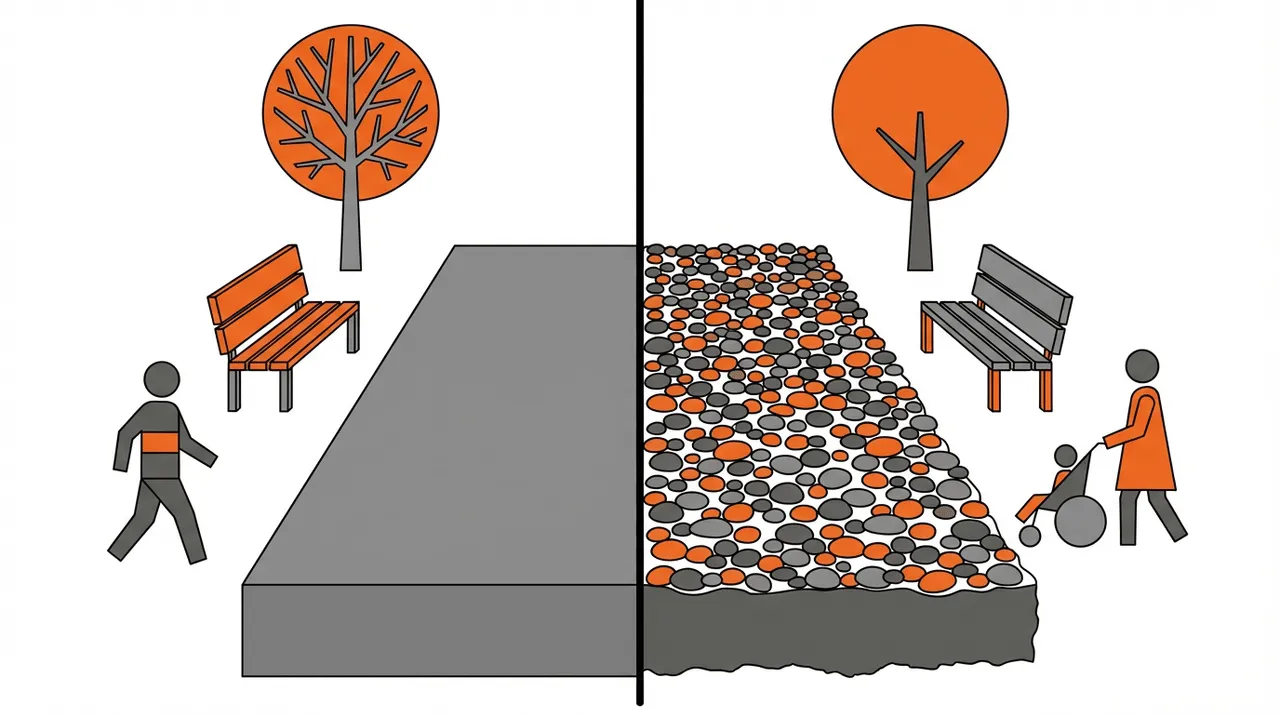
Gravel brings several compelling advantages to park pathway projects that other materials simply can’t match. The most immediate benefit you’ll notice is the significant cost savings compared to traditional paving options like concrete or asphalt.
Beyond the budget-friendly price point, gravel offers exceptional permeability that solves common drainage problems. Unlike solid surfaces that create runoff and pooling, gravel allows rainwater to filter naturally through the pathway. This feature becomes especially valuable in areas prone to heavy rainfall or seasonal flooding.
The aesthetic versatility of gravel also sets it apart from rigid alternatives. You can choose from various colors, sizes, and textures to complement your park’s natural surroundings or match specific design themes. This flexibility helps create pathways that feel integrated into the landscape rather than imposed upon it, similar to how gravel enhances garden paths in residential settings.
Maintenance requirements remain refreshingly simple with gravel pathways. While concrete might crack and require expensive repairs, gravel pathways need only occasional raking and periodic top-ups to maintain their appearance and functionality. With Hello Gravel’s nationwide delivery network, getting fresh material for maintenance is as simple as placing an order online.
Best gravel types for community park projects
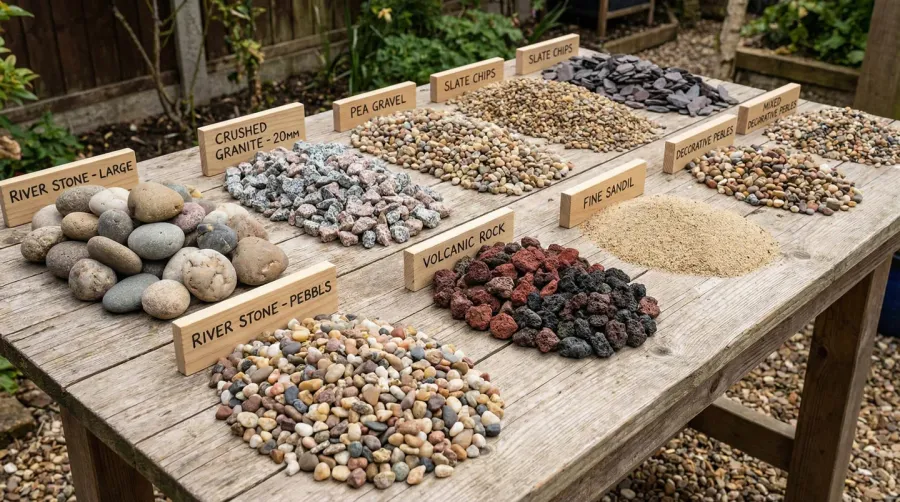
Selecting the right gravel type depends on your specific needs, expected traffic levels, and aesthetic preferences. Each option brings unique characteristics that work better in different situations. Hello Gravel’s material calculator can help you determine exactly how much you’ll need based on your project measurements.
Pea gravel ranks as one of the most popular choices for park pathways. Its small, smooth, rounded stones create a comfortable walking surface that’s gentle on feet while providing natural slip resistance. The variety of natural colors available makes it easy to find options that enhance your park’s visual appeal. This same material works excellently for outdoor seating area bases, making it a versatile choice for multiple park features.
Crushed stone offers superior stability and traction thanks to its angular shape. The interlocking pieces create a firmer surface that works well for pathways expecting joggers, cyclists, or wheelchair users. This option provides excellent long-term durability under heavy use.
Decomposed granite brings a more rustic, natural appearance that blends seamlessly with wooded or desert landscapes. Its ability to compact tightly creates a stable surface while maintaining the organic look that many park designers prefer. If you’re interested in exploring more options, check out our guide on what type of gravel is best for a walkway.
| Gravel Type | Size Range | Best For | Key Benefits |
|---|---|---|---|
| Pea Gravel | 1/8″ – 3/8″ | Light foot traffic | Comfortable, decorative |
| Crushed Stone | 1/4″ – 3/4″ | Heavy use areas | Stable, durable |
| Decomposed Granite | Fine to 1/4″ | Natural settings | Compactable, rustic look |
Planning and preparing your gravel pathway
Successful gravel pathway installation starts with careful planning and thorough site preparation. Begin by mapping out your pathway route, considering factors like natural drainage patterns, existing vegetation, and how the path will connect different park areas.
Determine the appropriate width based on expected usage. Standard walking paths typically need 4-6 feet of width, while multi-use paths for bikes and pedestrians should be 8-10 feet wide. Plan for a depth of 2-4 inches depending on your chosen gravel type and expected traffic levels.
Pro tip: Installing landscape fabric beneath your gravel prevents weed growth and keeps the pathway material separate from underlying soil, significantly reducing long-term maintenance needs.
Site preparation involves removing existing vegetation, excavating to the planned depth, and creating proper edge restraints to keep gravel contained. Take time to establish proper grading that directs water away from high-traffic areas while maintaining accessibility standards. For comprehensive planning guidance, explore the ultimate guide to landscaping gravel.
For larger municipal projects requiring 500 tons or more, Hello Gravel specializes in these substantial orders and can work with local pits and haulers to ensure timely delivery. Our dedicated account managers help streamline the process for contractors and municipalities, eliminating the need for endless quote chains or phone tag.
Installing and maintaining gravel pathways
The installation process itself remains straightforward when you’ve completed proper preparation. Spread your chosen gravel evenly across the prepared pathway, using rakes to achieve a level surface. Depending on the gravel type, you may need a compactor to create a firm, stable walking surface.
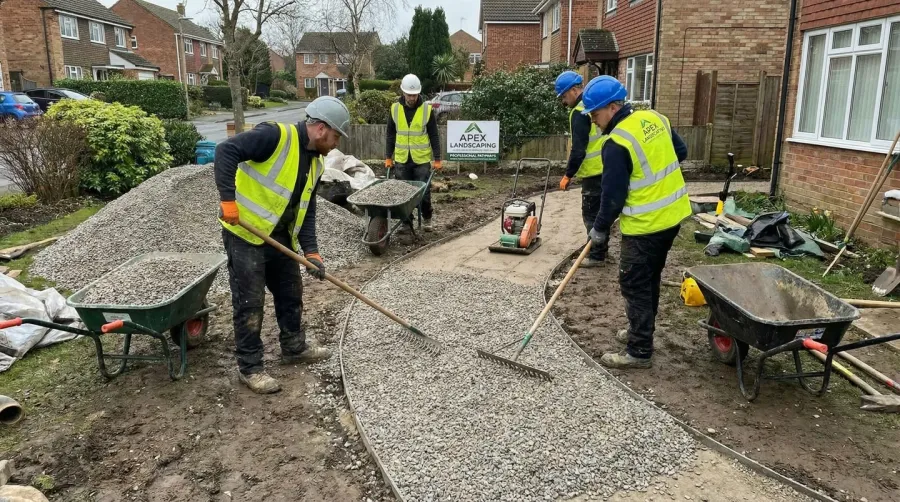
Pay attention to edge definition during installation. Well-defined edges not only improve the pathway’s appearance but also prevent gravel migration into surrounding landscaped areas. Consider using natural stone borders or metal edging for clean, professional results. Decorative garden borders can add an attractive finishing touch to your pathway edges.
Maintenance requirements stay minimal but shouldn’t be ignored completely. Plan for periodic raking to maintain an even surface, especially after heavy rains or high-traffic periods. You’ll need to add fresh gravel every few years to replace material that naturally settles or migrates.
Maintenance schedule: Rake monthly during peak seasons, inspect for low spots quarterly, and plan for gravel top-ups every 2-3 years to maintain optimal pathway conditions.
Weed control becomes simple with proper initial preparation, but occasional spot treatment may be necessary. Address any drainage issues promptly to prevent erosion or washout problems that could compromise pathway integrity. For detailed maintenance strategies, refer to our comprehensive guide on how to maintain a gravel path.
When it’s time for maintenance top-ups, Hello Gravel’s fast delivery service can have fresh material to your location as soon as the next business day, ensuring your park pathways stay in optimal condition with minimal downtime.
Gravel pathways represent an excellent investment for community park projects, delivering the perfect balance of affordability, functionality, and natural beauty. With proper planning, quality materials, and basic maintenance, these pathways will serve your community reliably for many years while enhancing the overall park experience for all visitors.
FAQ
What type of gravel is best for heavy foot traffic in parks?
Crushed stone (1/4″ to 3/4″) is the best choice for high-traffic park pathways. Its angular shape allows pieces to interlock, creating a stable and durable surface that can handle joggers, cyclists, and wheelchair users. The angular stones pack down better than rounded gravel and provide superior traction for safety.
How does gravel help with stormwater management in parks?
Gravel pathways offer excellent permeability, allowing rainwater to filter naturally through the surface instead of creating runoff and pooling. This makes them ideal green infrastructure for parks in areas prone to heavy rainfall or seasonal flooding, as they help capture and manage stormwater while preventing erosion and drainage problems.
How often do gravel park pathways need maintenance?
Gravel pathways require minimal maintenance compared to concrete or asphalt. Plan for monthly raking during peak seasons, quarterly inspections for low spots, and gravel top-ups every 2-3 years. This simple maintenance schedule keeps pathways in optimal condition while avoiding the expensive repairs often needed for cracked concrete surfaces.
What width should gravel pathways be for community parks?
Standard walking paths should be 4-6 feet wide for comfortable pedestrian use. Multi-use paths that accommodate both bikes and pedestrians need 8-10 feet of width. The pathway should be 2-4 inches deep depending on the gravel type and expected traffic levels, with proper edge restraints to keep materials contained.
Materials for this project
Get it delivered — dumped where you need it
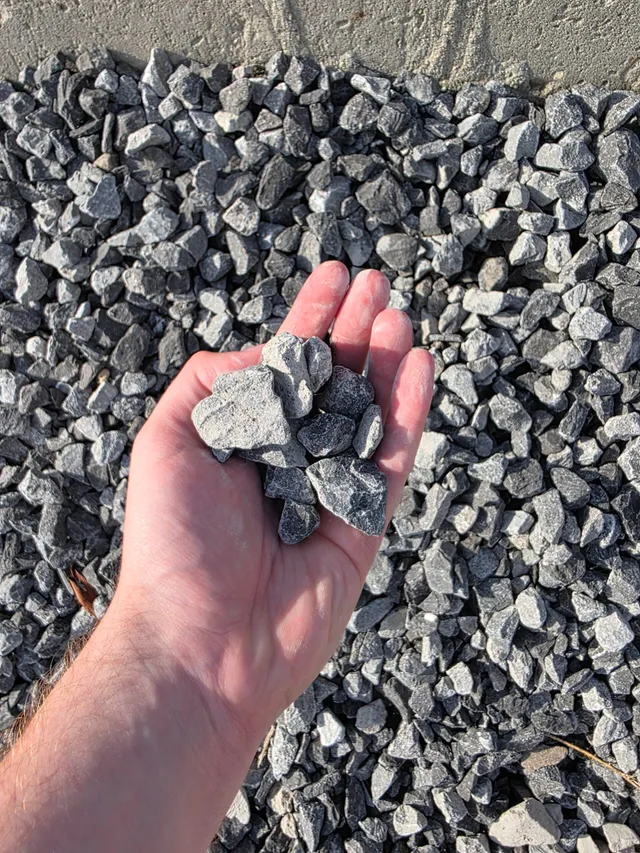
Driveway Gravel
Driveways & Parking areas
See delivered price
View product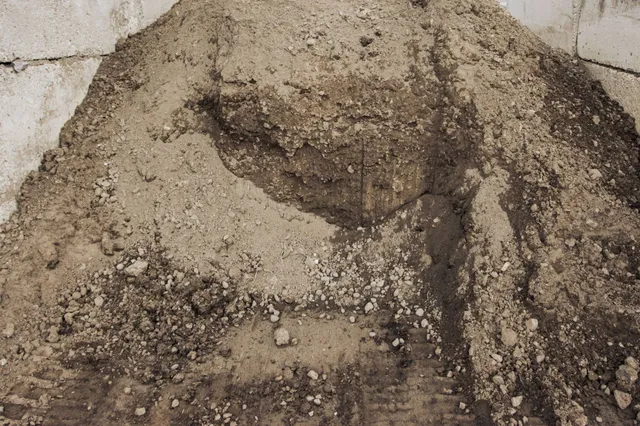
Fill Dirt
Grading & Backfill
See delivered price
View product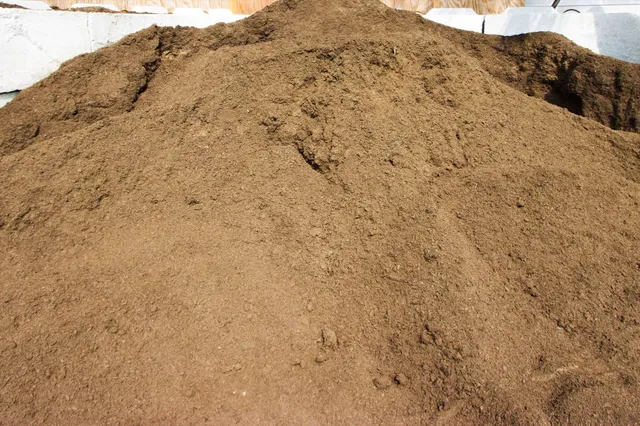
Topsoil
Lawn establishment & Garden beds
See delivered price
View product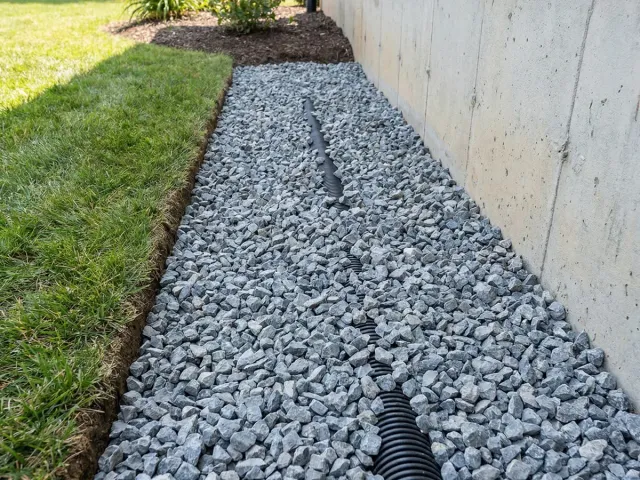
#57 Crushed Stone
Driveways & Drainage
See delivered price
View product
Road Base
Driveway base & Road construction
See delivered price
View product