
Can Dogs Walk on Gravel (Dog Run Base Guide)
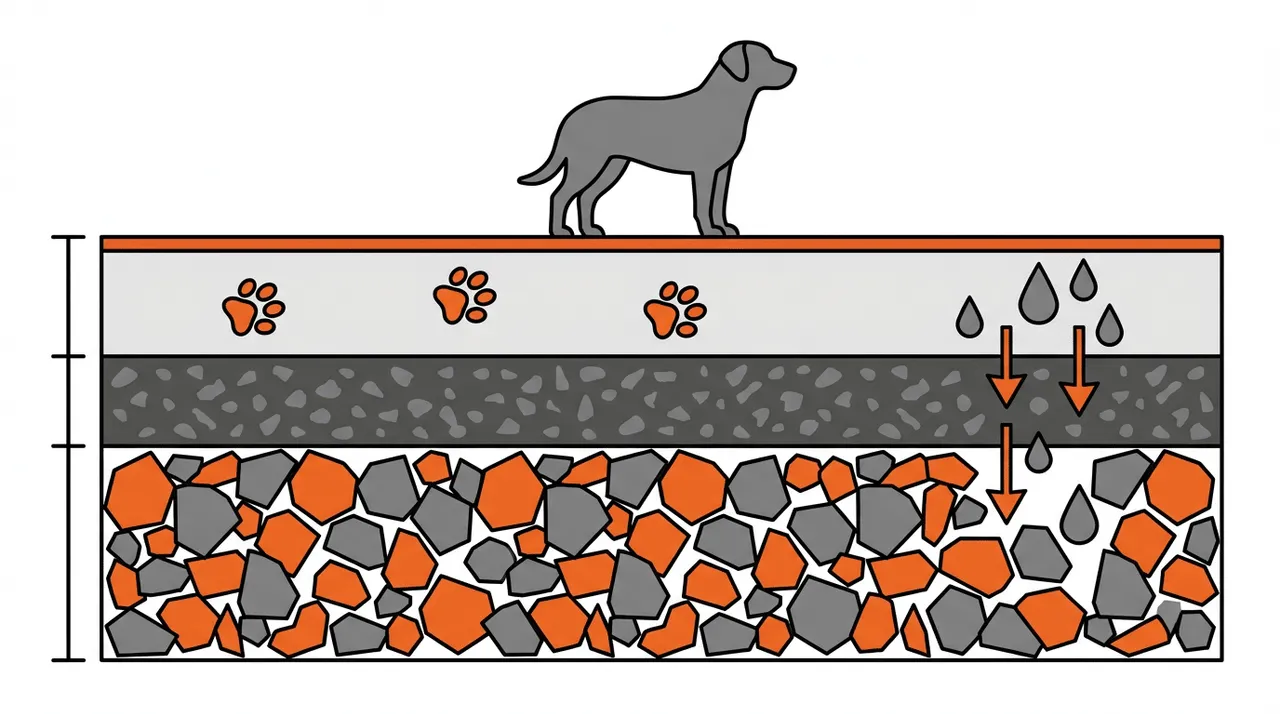
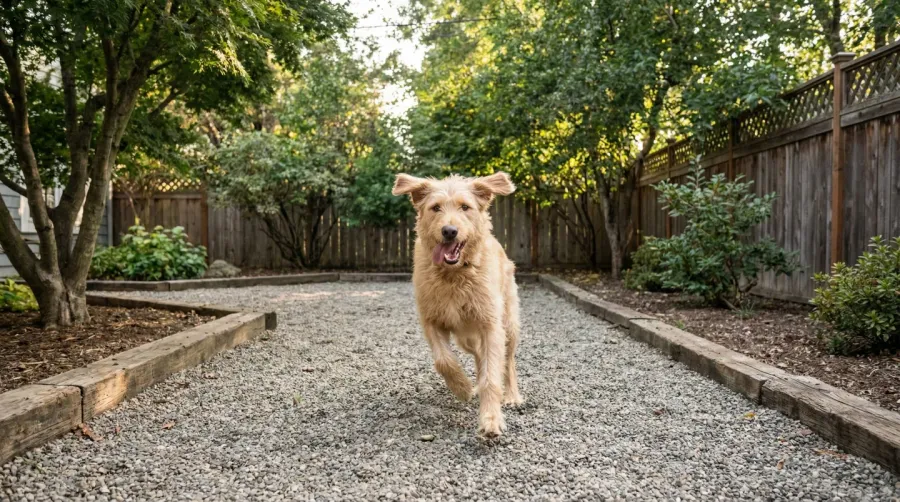
Yes, gravel can absolutely be used as a base for a dog run and is actually one of the best choices available. The right type of gravel provides excellent drainage, prevents mud formation, and creates a comfortable surface that’s easy to maintain. Pea gravel and rounded river rock are the top choices because their smooth edges protect your dog’s paws while offering superior durability compared to grass or dirt surfaces.
Quick tip: Pea gravel sized 3/8 to 1/2 inch installed 2-3 inches deep over a compacted base creates the ideal balance of comfort and functionality for most dog runs.
When you’re tired of muddy paws tracking through your house or dealing with dead grass patches in your yard, gravel offers a practical solution that thousands of dog owners across all 50 states have discovered. At Hello Gravel, we’ve helped countless DIY homeowners, landscapers, and contractors create functional dog runs that keep pets happy and yards clean. Let’s explore why gravel works so well and how to choose the right type for your furry friend.
About Hello Gravel
Hello Gravel delivers bulk gravel, rock, dirt, and sand by the ton. Enter your ZIP code to see prices with delivery included. A local dump-truck driver places the load where access is safe; spreading is not included.
Why gravel works perfectly for dog runs
Gravel addresses the main challenges that plague traditional grass or dirt dog runs. The biggest advantage is drainage – water flows right through gravel instead of pooling on top, which means no more muddy puddles or standing water that breeds bacteria and creates unpleasant odors.
This drainage capability keeps your dog run cleaner and more hygienic. When your dog relieves themselves, liquids drain away quickly rather than sitting on the surface. You can easily hose down the area for cleaning, and waste removal becomes much simpler with a standard pooper scooper.
Durability is another major benefit. Unlike grass that gets torn up by active dogs or wood chips that decompose and need replacement, quality gravel withstands heavy use and harsh weather conditions. You won’t need to reseed bare patches or constantly add new material to maintain the surface.
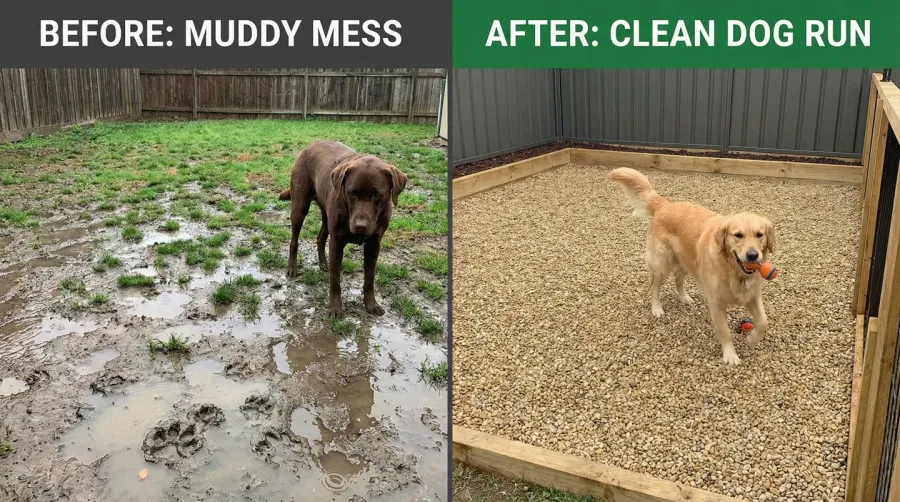
The temperature regulation properties of gravel also make it comfortable year-round. While concrete can become scorching hot in summer, gravel stays relatively cool and provides better traction in wet conditions compared to smooth surfaces.
Choosing the right gravel type for your dog’s safety
Not all gravel types work well for dog runs. Sharp, angular stones can hurt your pet’s paw pads, while stones that are too large create an unstable walking surface. The key is selecting rounded, smooth stones in the right size range.
Pea gravel stands out as the most popular choice for good reason. These small, naturally rounded stones measure 3/8 to 1/2 inch in diameter and feel comfortable under your dog’s paws. The smooth edges prevent cuts or scrapes, while the size allows for excellent drainage without stones getting stuck between your dog’s toes.
Safety note: Avoid crushed stone or angular gravel that can have sharp edges – these materials can injure sensitive paw pads and make walking uncomfortable for your pet.
Rounded river rock offers another excellent option, especially for larger dogs or bigger run areas. These naturally smooth stones have been shaped by flowing water over time, creating comfortable surfaces that drain well. River rock typically comes in slightly larger sizes than pea gravel, making it more stable for heavy use.
When selecting your gravel, consider your specific dog’s needs. Puppies with tender paws, senior dogs with arthritis, or smaller breeds might do better with the smaller, softer pea gravel. Larger, more active dogs often handle river rock just fine and may actually prefer the extra stability it provides. Our team at Hello Gravel can help you determine the best material for your specific situation and pet requirements. For more inspiration on using gravel in your outdoor spaces, check out these creative gravel ideas for your backyard.
Installation steps for a professional result
Proper installation makes the difference between a functional dog run and a disappointing mess. Start by measuring your area carefully to determine how much material you’ll need. Most dog runs work well with 2-3 inches of gravel depth over a properly prepared base. Our online material calculator can help you determine exactly how many cubic yards or tons you’ll need based on your project measurements.
Begin by clearing the area of grass, weeds, and debris. Level the ground as much as possible, creating a slight slope for drainage if your yard tends to collect water. This preparation step is crucial – skipping it leads to uneven surfaces and drainage problems later. If you’re wondering about whether you can put gravel over grass, proper ground preparation is essential.
Next, install landscape fabric over the prepared ground. This barrier prevents weeds from growing up through your gravel while still allowing water to drain through. Overlap the fabric edges by several inches and secure with landscape pins.
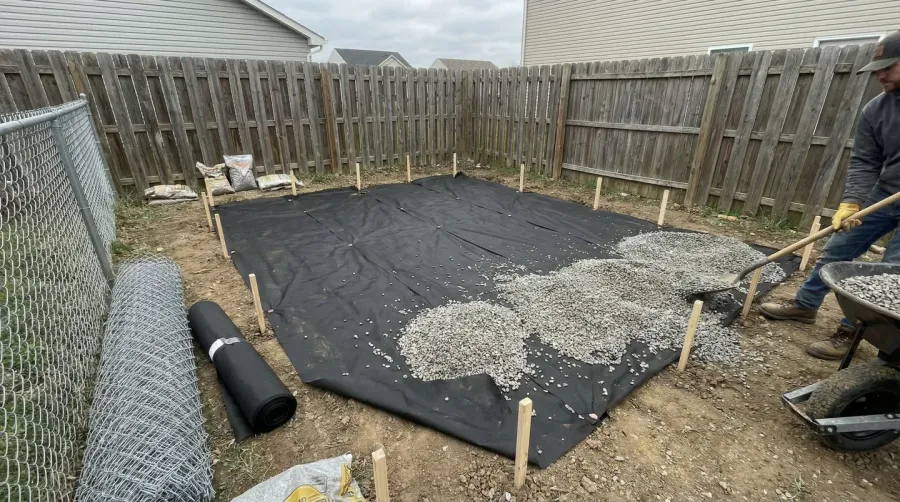
Spread your chosen gravel evenly across the fabric using a rake. Work in sections to ensure consistent depth throughout the run. Once all the gravel is in place, compact it lightly with a hand tamper or plate compactor. This creates a stable surface without over-compacting the material and reducing drainage.
The final step involves adding border edging if desired. This keeps the gravel contained and creates clean lines around your dog run. Simple plastic or metal edging works well for most installations. For more detailed guidance on edging options, explore the best gravel for borders.
Getting the best value for your project
Quality gravel from a reliable supplier makes a significant difference in both performance and longevity. When you’re ready to move forward with your project, getting an accurate estimate helps you budget properly and avoid surprises.
Consider the total cost beyond just the gravel itself. Factor in delivery fees, any tools you might need to rent, and border materials if you’re adding edging. Many suppliers offer bulk pricing that makes larger orders more economical per ton. Understanding the benefits of gravel fill for construction projects can help you make informed decisions about your material needs.
Hello Gravel specializes in providing high-quality aggregates for pet area projects nationwide. Our expert team can help you calculate exactly how much material you need and guide you through the selection process to ensure you choose the best gravel type for your specific situation. With delivery available as soon as the next business day and our network of local pits and haulers, we can source and deliver the right material wherever your project is located. Our dedicated account managers make the ordering process simple – no endless quote chains or phone tag required.
The investment in a properly installed gravel dog run pays dividends in reduced maintenance, cleaner conditions, and happier pets. You’ll spend less time dealing with muddy messes and more time enjoying your outdoor space with your furry companion. Once installed, maintaining your gravel garden or dog run area requires minimal effort compared to traditional grass surfaces.
A well-designed gravel dog run transforms your pet care routine while creating a durable, attractive addition to your yard. With the right materials and proper installation, you’ll have a low-maintenance solution that keeps both you and your dog happy for years to come. Whether you’re creating a dedicated dog run or exploring other front yard ground cover ideas, gravel offers versatility and practicality for various outdoor applications.
FAQ
What is the best gravel for a dog run?
Pea gravel is the best choice for dog runs, specifically 3/8 to 1/2 inch diameter stones. These naturally rounded stones are smooth and comfortable for your dog’s paws while providing excellent drainage. Avoid sharp, angular crushed stone that can injure sensitive paw pads. Rounded river rock is another good option, especially for larger dogs.
How deep should gravel be for a dog run?
Install gravel 2-3 inches deep for optimal comfort and drainage. This depth provides enough material for proper water flow while remaining comfortable for your dog to walk and run on. Installing too shallow (less than 2 inches) reduces drainage effectiveness, while too deep (more than 3 inches) can make walking unstable for smaller dogs.
Can dogs run safely on pea gravel?
Yes, dogs can run safely on properly sized pea gravel. The smooth, rounded edges of pea gravel won’t cut or scrape your dog’s paw pads like sharp stones would. The 3/8 to 1/2 inch size is ideal because it’s large enough to prevent stones from getting stuck between toes but small enough to remain comfortable for active play and running.
What should I put under gravel for a dog run?
Install landscape fabric over the prepared ground before adding gravel. This weed barrier prevents grass and weeds from growing through your gravel while still allowing water to drain properly. Clear all grass and debris first, level the ground with a slight slope for drainage, then lay the landscape fabric with overlapping edges secured by landscape pins.
Materials for this project
Get it delivered — dumped where you need it
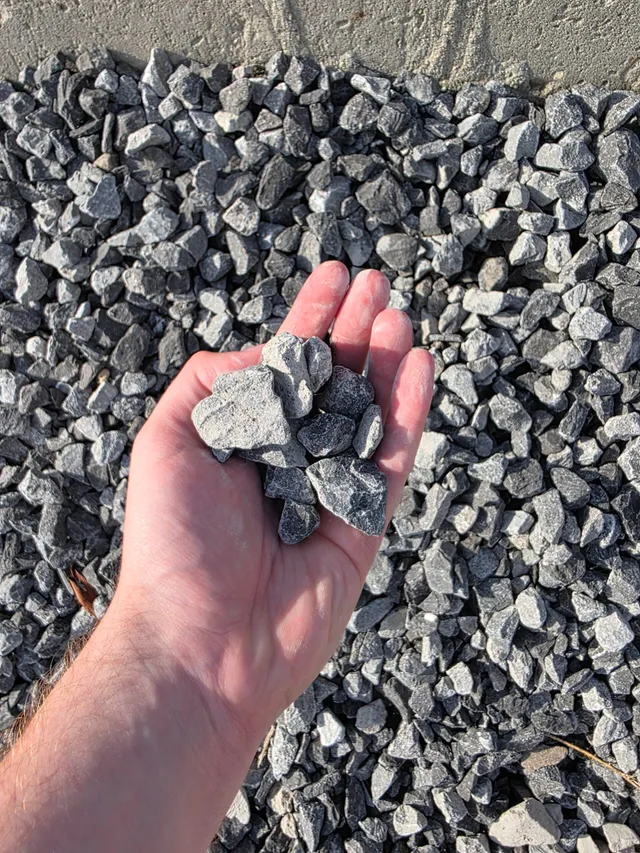
Driveway Gravel
Driveways & Parking areas
See delivered price
View product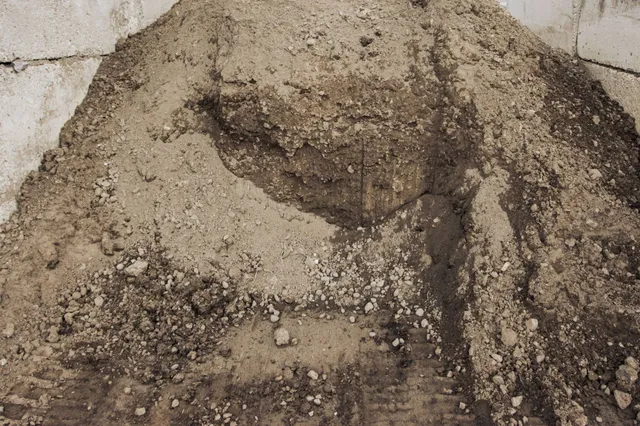
Fill Dirt
Grading & Backfill
See delivered price
View product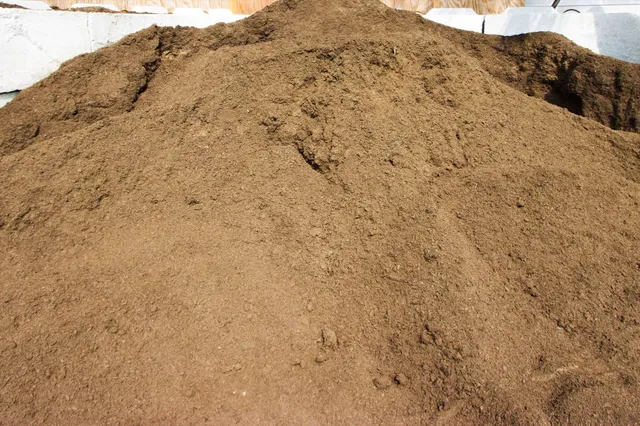
Topsoil
Lawn establishment & Garden beds
See delivered price
View product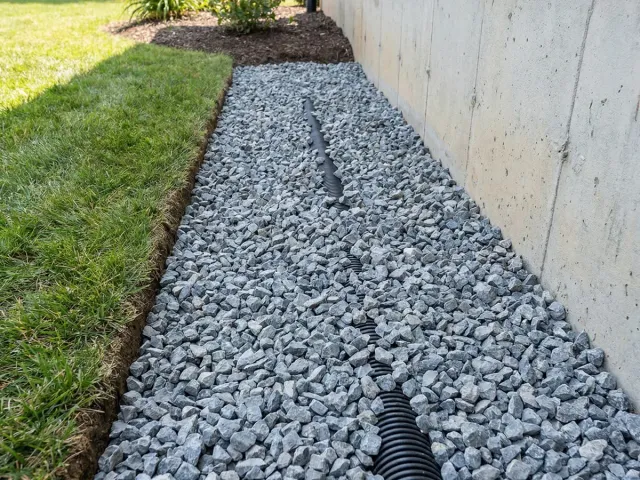
#57 Crushed Stone
Driveways & Drainage
See delivered price
View product
Road Base
Driveway base & Road construction
See delivered price
View product