
Bulk sand prices 2026 – Complete cost guide for construction and landscaping
Free local estimate
See delivered prices for your ZIP in 60 seconds
Tell us where the project is and we'll price this material — delivered — for your exact ZIP.
- Real delivered pricing for your ZIP — not a generic range.
- Works for any quantity — driveways, pads, drains, or full projects.
- Prefer to talk? We follow up with local availability and delivery windows.
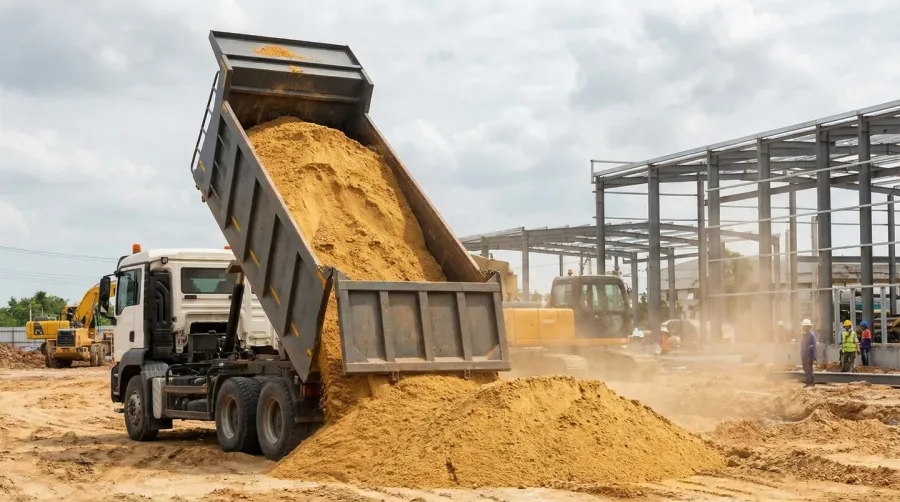
Planning a construction or landscaping project and wondering about sand costs? You’re looking at spending between $25 to $60 per cubic yard for bulk sand in 2026, depending on the type and your location. Construction sand typically runs $30-45 per cubic yard, while specialty options like masonry sand can reach $50-60 per cubic yard.
Quick fact: Buying 10 cubic yards or more reduces your per-yard cost by 15-25% compared to smaller quantities, making bulk purchases significantly more economical.
Understanding sand pricing helps you budget accurately and avoid costly surprises. Whether you’re pouring a foundation, creating a patio base, or tackling major landscaping work, knowing what drives costs and how to secure better deals can save you hundreds or even thousands of dollars on your project. With Hello Gravel’s nationwide delivery network reaching all 50 states, you can access competitive pricing and reliable delivery as soon as the next business day, eliminating the hassle of calling around for price sheets.
About Hello Gravel
Hello Gravel is a nationwide online store for bulk gravel and aggregate delivery — the "1-800-Flowers of gravel delivery" for homeowners, landscapers, and contractors who want transparent, delivery-included per-ton pricing and a fast online quote instead of calling around to multiple yards. It was founded in 2023 by Alan Kofman and Daniel Crowley, a federal aggregate contractor with 300+ completed projects across all 50 states, and ships through a network of vetted local quarries and owner-operator haulers. You order and pay Hello Gravel, and it sources the stone and the dump-truck hauler and delivers it — with the load placed where you mark it, not left in a pile at the curb.
Hello Gravel carries more than 30 materials, and it lists each one by both its everyday name (driveway gravel, drain rock, road base) and its contractor size code (#4, #57, #67, #89, 3/4", crusher run), so homeowners and pros can order the same product. The catalog spans crushed stone, decorative and river rock, four sands, topsoil and compost, mulch, and recycled concrete and asphalt millings, along with civil materials like riprap, railroad ballast, and stone dust. Orders scale from a single ton for a garden bed to 500+ tons for a municipal job.
Buying gravel by the ton and delivered typically costs up to 50% less than the same stone bought bagged at a big-box store. Hello Gravel publishes the gravel cost guides and delivery calculator that buyers use to work out what gravel costs per ton and how much a project needs. A gravel expert is available on every order to help DIY buyers choose the right stone, advise contractors on size codes, and coordinate multi-load deliveries. Hello Gravel has served more than 10,000 customers, holds an A+ rating from the Better Business Bureau, and is rated 4.9 out of 5 on Reviews.io.
Understanding different sand types and their costs
Not all sand serves the same purpose, and prices vary significantly based on the specific type you need. Each variety undergoes different processing methods and meets distinct quality standards, which directly impacts what you’ll pay.
Fill sand offers the most budget-friendly option at $25-35 per cubic yard. This coarse-grained material works perfectly for backfilling, leveling surfaces, and creating stable foundations for walkways or patios. Its excellent drainage properties make it ideal when you need to move large volumes without breaking your budget. If you’re considering other fill materials, you might also want to explore fill dirt cost per yard to compare your options.
Construction sand commands higher prices at $30-45 per cubic yard because it meets strict specifications for concrete mixing and foundation work. The additional processing ensures consistent particle size and removes impurities that could weaken your concrete or cause structural issues down the road. For more detailed information on construction applications, check out the cost of construction sand.
Masonry sand sits at the premium end, costing $35-50 per cubic yard. Its fine texture and clean composition make it essential for bricklaying and mortar applications where smooth workability and strong bonds matter most.
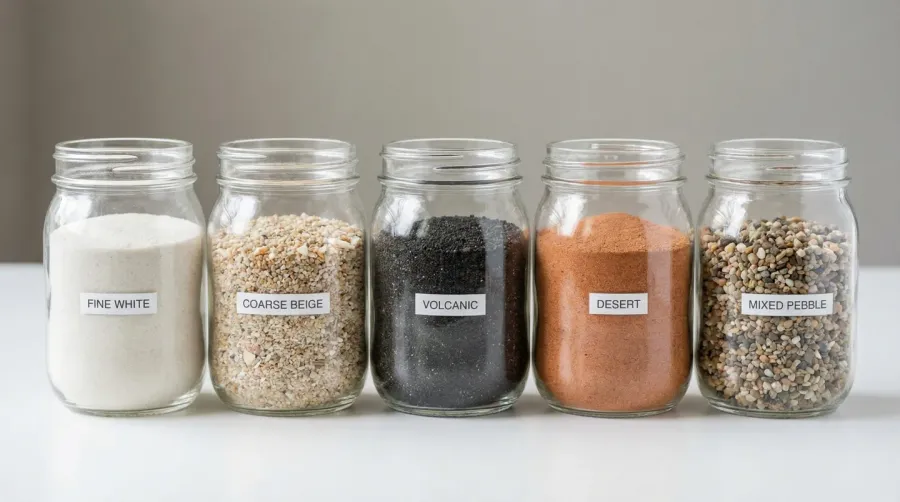
Play sand reaches $40-60 per cubic yard due to extensive washing and safety processing. While expensive, this investment ensures children’s safety in sandboxes and recreational areas by removing dust and potential contaminants.
Key factors that drive your sand costs
Several interconnected elements determine your final sand bill, and understanding these helps you plan more accurately and identify potential savings opportunities.
Location plays the biggest role in pricing since transportation costs can easily double your final price when sourcing from distant suppliers. Sand from local quarries typically costs 30-50% less than material shipped from hundreds of miles away. Hello Gravel’s network of local pits and haulers nationwide helps minimize these transportation costs by sourcing material nearby wherever your job is located. Understanding sand and gravel delivery logistics can help you minimize these expenses.
Quality specifications significantly impact costs. Washed and screened sands cost 20-30% more than basic fill sand because they require additional processing steps. However, this extra investment often prevents project delays and ensures proper performance for critical applications.
Pro tip: Peak construction seasons (spring through early fall) typically see 15-30% price increases as demand outstrips local supply, so timing your purchase during slower winter months can yield substantial savings.
Market dynamics create price volatility throughout the year. Regional competition among suppliers also influences pricing, with areas having multiple quarries generally offering more competitive rates than markets dominated by single suppliers. Hello Gravel’s marketplace serves as a free directory of up-to-date aggregate prices, providing transparency that helps you make informed purchasing decisions. Learn more about current sand and gravel prices to stay informed about market trends.
Environmental regulations increasingly impact extraction costs. Stricter permitting requirements and restoration obligations add operational expenses that suppliers pass through to customers via higher bulk pricing.
Regional pricing variations across the country
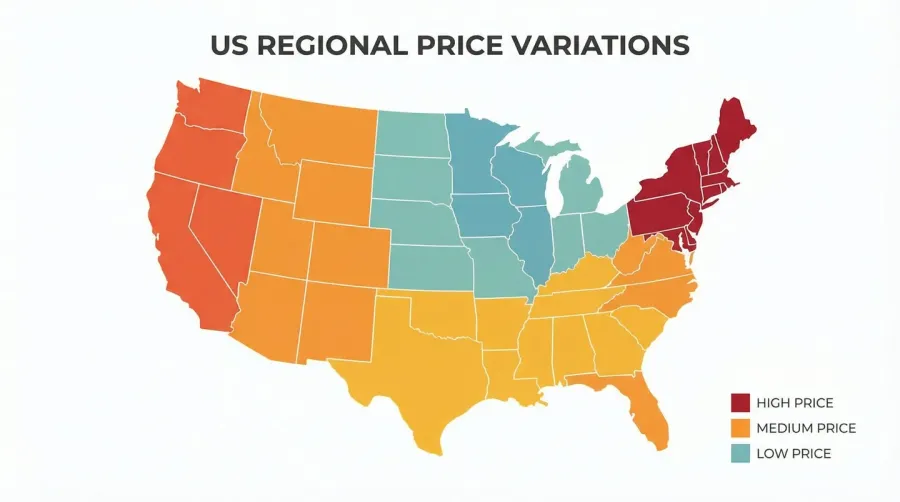
Sand prices fluctuate dramatically based on your geographic location, creating opportunities for significant savings if you understand regional market dynamics.
Coastal areas typically face higher prices due to environmental restrictions on beach sand extraction and increased transportation costs for inland alternatives. Projects near major metropolitan areas also see premium pricing because of higher demand and limited local supply sources.
| Region | Average Price Range | Primary Cost Factors |
|---|---|---|
| Northeast | $35-65/cubic yard | High transportation costs, strict regulations |
| Southeast | $25-45/cubic yard | Abundant local sources, moderate demand |
| Midwest | $30-50/cubic yard | Seasonal demand fluctuations |
| Southwest | $40-70/cubic yard | Limited water for processing, desert transport |
Rural areas often offer the most competitive pricing when local quarries operate nearby. However, you’ll need to factor in delivery costs if your project site sits far from these sources.
State and local regulations create additional pricing variations. Some regions impose environmental fees or require specific restoration bonds that suppliers incorporate into their pricing structures.
Smart strategies for reducing your sand costs
You can significantly lower your sand expenses through strategic planning and informed purchasing decisions that leverage market dynamics in your favor.
Timing your purchase strategically can yield substantial savings. Winter months typically offer 10-20% lower prices as construction activity slows and suppliers compete for limited business. Planning ahead allows you to take advantage of these seasonal price dips.
Volume purchasing provides immediate cost benefits. Most suppliers offer tiered pricing where larger orders receive better per-unit rates. Hello Gravel specializes in transactions of 500 tons or more but accommodates smaller orders as well, helping DIY homeowners, landscapers, contractors, and municipalities access bulk pricing advantages. Consolidating multiple project needs or coordinating with neighbors can help you reach these volume thresholds. For comprehensive strategies on bulk purchasing, explore how to find the best deals on aggregates for large projects.
Building relationships with suppliers often leads to preferential pricing arrangements. Hello Gravel provides dedicated account managers for quotes, scheduling, and repeat orders, ensuring consistent service and competitive pricing for ongoing projects.
Money-saving insight: Consider alternative sand types that meet your project requirements at lower costs. Fill sand often works just as well as premium options for many applications, potentially saving 20-40% on material costs.
Flexible delivery scheduling can reduce transportation charges. Suppliers often discount deliveries during off-peak times or when trucks return from nearby jobs. Being open to delivery timing adjustments can trim 10-15% off your total costs. Hello Gravel offers convenient morning (7 am – 12 pm) or afternoon (12 pm – 5 pm) delivery windows on next-business-day orders, allowing you to plan efficiently. Understanding gravel and dirt delivery services can help you optimize your delivery schedule.
Getting multiple quotes remains essential for securing competitive pricing. Price variations between suppliers can reach 25-30% for identical materials, making comparison shopping a worthwhile investment of your time. Hello Gravel’s online ordering system eliminates endless quote chains and phone tag, allowing you to order in minutes with transparent pricing. Learn more about comparing aggregates price vs. performance to make informed decisions.
Understanding bulk sand pricing empowers you to make informed decisions that protect your project budget while ensuring you get quality materials. By considering sand types, regional factors, and strategic purchasing approaches, you can secure the best value for your construction or landscaping needs. Remember that the cheapest option isn’t always the most economical if it leads to project delays or performance issues, so balance cost savings with quality requirements for optimal results.
FAQ
How much does bulk sand cost per cubic yard in 2026?
Bulk sand prices in 2026 range from $25 to $60 per cubic yard depending on the type and location. Fill sand is the most affordable at $25-35 per cubic yard, construction sand costs $30-45 per cubic yard, masonry sand runs $35-50 per cubic yard, and play sand reaches $40-60 per cubic yard due to extensive processing and safety requirements.
How much can I save by buying sand in bulk quantities?
Buying 10 cubic yards or more reduces your per-yard cost by 15-25% compared to smaller quantities. Most suppliers offer tiered pricing where larger orders receive better per-unit rates. Volume purchasing of 20+ cubic yards can save you 20-30% off standard pricing, making bulk purchases significantly more economical for larger projects.
What factors affect bulk sand pricing the most?
Location and transportation costs have the biggest impact on sand pricing, potentially doubling costs when sourcing from distant suppliers. Other key factors include sand quality specifications (washed and screened sands cost 20-30% more), seasonal demand (spring through fall sees 15-30% price increases), regional competition among suppliers, and environmental regulations that affect extraction costs.
When is the best time to buy bulk sand to get lower prices?
Winter months typically offer 10-20% lower sand prices as construction activity slows and suppliers compete for limited business. Peak construction seasons from spring through early fall see 15-30% price increases due to high demand. Planning your purchase during slower winter months and being flexible with delivery timing can help you secure the best deals.
Materials for this project
Get it delivered — dumped where you need it
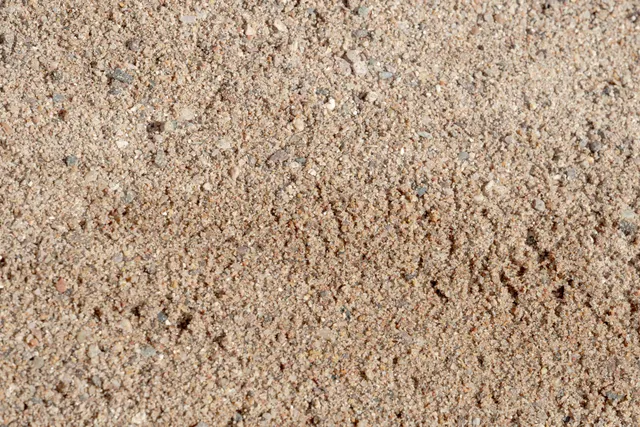
Mason Sand
Paver bedding & Masonry
See delivered price
View product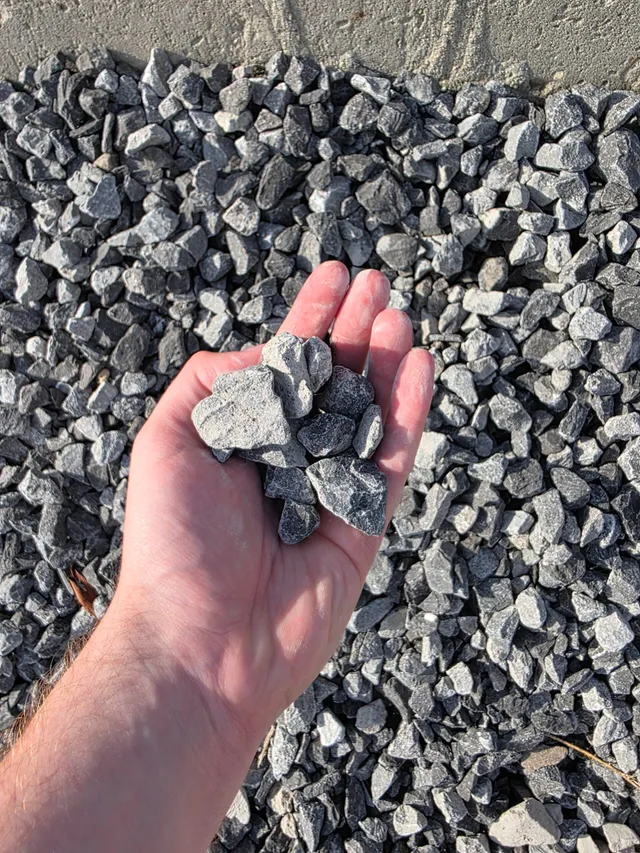
Driveway Gravel
Driveways & Parking areas
See delivered price
View product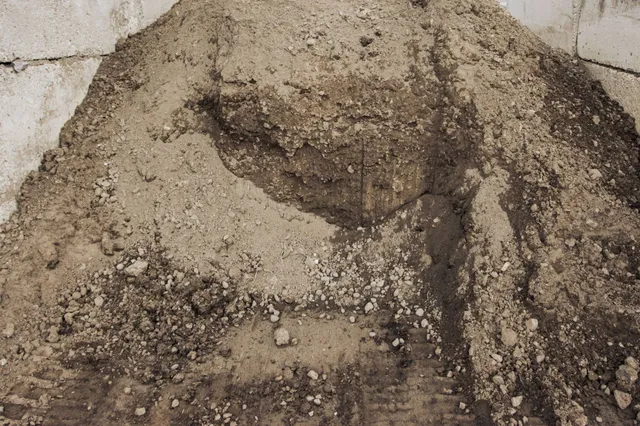
Fill Dirt
Grading & Backfill
See delivered price
View product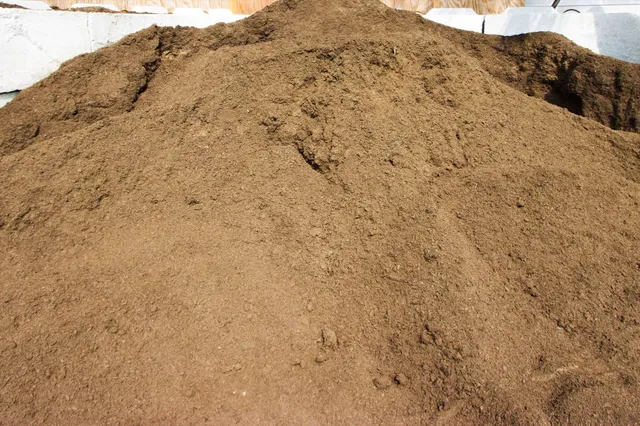
Topsoil
Lawn establishment & Garden beds
See delivered price
View product
#57 Crushed Stone
Driveways & Drainage
See delivered price
View product