
Best Gravel for an Outdoor Seating Area
Free local estimate
See delivered prices for your ZIP in 60 seconds
Tell us where the project is and we'll price this material — delivered — for your exact ZIP.
- Real delivered pricing for your ZIP — not a generic range.
- Works for any quantity — driveways, pads, drains, or full projects.
- Prefer to talk? We follow up with local availability and delivery windows.
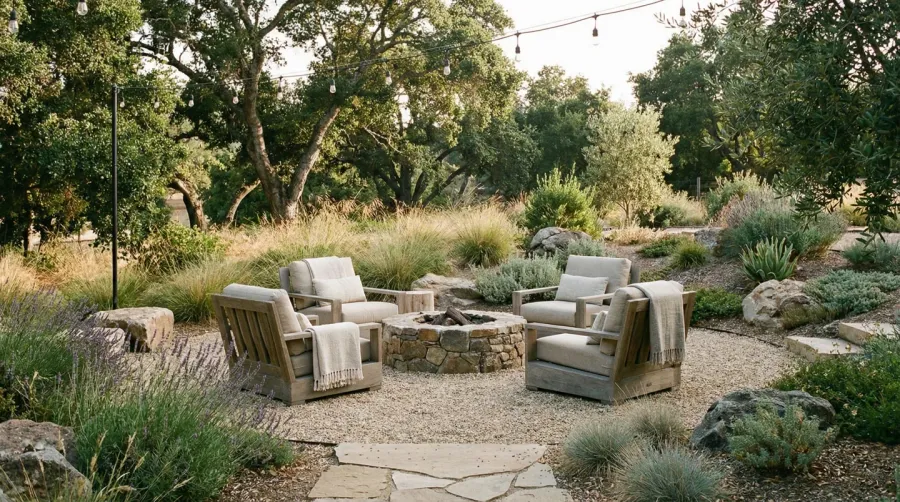
Yes, gravel works exceptionally well as a base for outdoor seating areas. You get excellent drainage, cost savings compared to concrete or pavers, and a natural aesthetic that complements any landscape design. The key is choosing the right type and installing it properly with a 2-3 inch compacted base layer.
When you’re planning your outdoor seating space, gravel offers a practical solution that’s both budget-friendly and visually appealing. Unlike solid surfaces that can crack or pool water, gravel naturally drains and adapts to ground movement. This guide walks you through everything you need to know about using gravel for your seating area project.
Quick Answer: Expect to spend $3-8 per square foot for a gravel seating area base, significantly less than concrete ($10-15) or pavers ($15-25 per square foot).
About Hello Gravel
Hello Gravel delivers bulk gravel, rock, dirt, and sand by the ton. Enter your ZIP code to see prices with delivery included. A local dump-truck driver places the load where access is safe; spreading is not included.
What types of gravel work best for seating areas
Not all gravel performs equally well under outdoor furniture and foot traffic. The size and shape of your chosen material directly impacts both comfort and stability.
Pea gravel, typically ranging from 1/8 to 3/8 inch, offers the best balance for most seating applications. These small, rounded stones compact well while remaining comfortable to walk on and providing stable support for furniture legs. The smooth edges won’t catch on clothing or create uncomfortable pressure points when you’re moving chairs around.
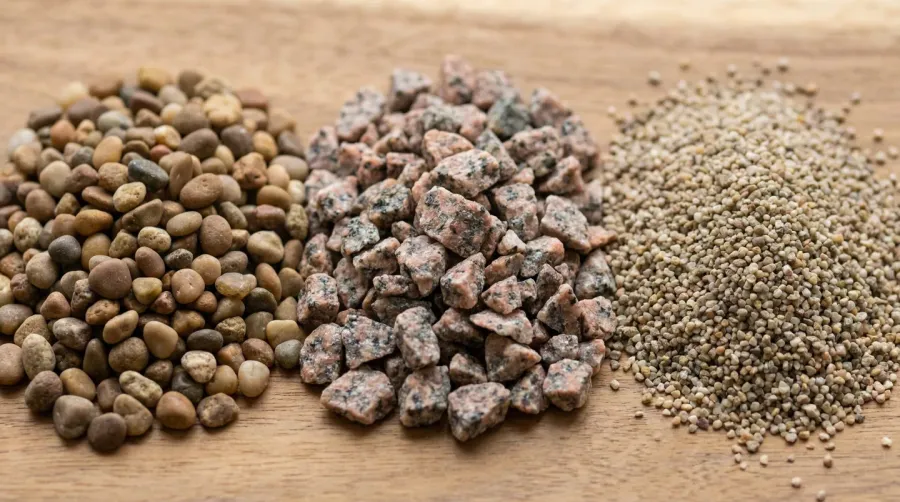
Crushed stone provides another excellent option, especially for high-traffic areas. The angular edges help pieces lock together, creating a more stable surface than smooth rounded stones. This makes it particularly suitable for dining areas where you need chairs to sit level and stay put.
At Hello Gravel, we help homeowners, landscapers, and contractors nationwide source the right materials for their projects. Our online material calculator can help you determine exactly how much gravel you’ll need based on your seating area measurements, taking the guesswork out of ordering.
Key benefits of choosing gravel for your base
Gravel delivers several advantages that make it attractive for outdoor seating projects. You’ll appreciate the cost savings immediately, as gravel typically costs 60-70% less than concrete or paver installations.
The drainage benefits can’t be overstated. Water flows through gravel naturally, preventing the pooling issues that plague solid surfaces. This means your seating area stays usable faster after rain and you avoid the standing water that attracts mosquitoes or damages furniture.
Installation simplicity makes gravel appealing for DIY enthusiasts. You don’t need special tools, concrete mixing, or precise leveling skills. Most homeowners can complete a gravel seating area base in a weekend with basic hand tools and some physical effort. If you’re considering other outdoor projects, you might also explore using gravel for a patio base or creating a fire pit area.
Environmental Bonus: Gravel allows rainwater to recharge groundwater supplies instead of running off into storm drains, making it an eco-friendly choice for your landscape.
From an aesthetic standpoint, gravel offers versatility that hard surfaces can’t match. You can choose colors that complement your home’s exterior, from neutral grays and tans to warmer earth tones or even decorative colored options.
Whether you’re a DIY homeowner tackling your first outdoor project or a professional landscaper working on client installations, Hello Gravel can deliver quality materials to your location anywhere in the United States. Our streamlined ordering process eliminates the need to call around for price sheets or deal with endless quote chains.
Potential drawbacks to consider
While gravel offers many benefits, you should understand the limitations before committing to this approach. Maintenance requirements differ significantly from solid surfaces.
You’ll need to rake and refresh your gravel periodically to maintain an even surface. High-traffic areas may develop low spots that require additional material. Plan on adding a thin layer of fresh gravel every 2-3 years to keep things looking sharp. Learn more about proper upkeep in our guide on how to maintain a gravel garden.
Stability can be challenging with certain furniture types. Heavy pieces with small legs may sink into the gravel over time. Lightweight chairs might shift more easily than on solid surfaces. Consider furniture pads or stable bases if this concerns you.
Comfort varies depending on your intended use. While modern pea gravel feels pleasant underfoot with shoes, barefoot walking can be less comfortable than smooth pavers or decking. This matters most if you envision poolside lounging or casual outdoor dining.
Installation steps for success
Proper installation determines whether your gravel seating area performs well long-term. Start by excavating the area to 4-5 inches deep, ensuring you have adequate space for both base material and your chosen gravel.
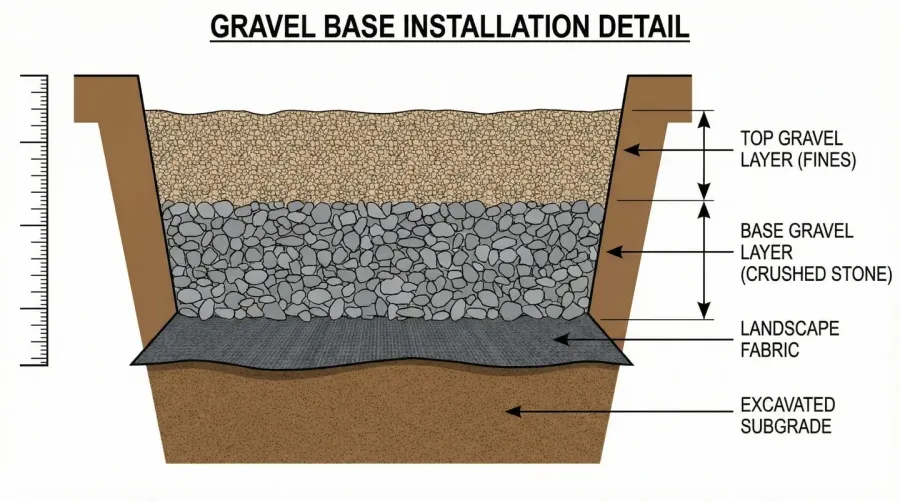
Install landscape fabric or geotextile to prevent weeds and separate the gravel from underlying soil. This step prevents your gravel from gradually sinking into softer ground and makes future maintenance much easier.
Add your base layer of compactable gravel (like crushed stone) in 2-inch lifts, compacting each layer thoroughly. A hand tamper works fine for small areas, though you might rent a plate compactor for larger projects. Finish with 2 inches of your chosen decorative gravel, raking it level and giving it a light compaction. Understanding the benefits of gravel fill for construction projects can help you make informed decisions about base materials.
The whole process typically takes a weekend for a standard seating area, and you can start using the space immediately after completion. Unlike concrete that needs curing time, gravel bases are ready for furniture and foot traffic right away.
For contractors and municipalities handling larger projects, Hello Gravel specializes in transactions of 500 tons or more while still accommodating smaller residential orders. Our delivery network works with local pits and haulers to ensure on-time delivery, with weekday orders placed before noon arriving the next business day.
Gravel proves itself as a practical, attractive, and cost-effective choice for outdoor seating area bases. You get excellent drainage, significant cost savings, and installation flexibility that works for most DIY skill levels. While maintenance requirements and comfort considerations deserve attention, the benefits typically outweigh these concerns for most homeowners. When installed properly with quality materials, a gravel base can provide years of reliable service for your outdoor entertaining space.
FAQ
What type of gravel is best for outdoor seating areas?
Pea gravel (1/8 to 3/8 inch) is the best choice for most seating areas because it offers the ideal balance of comfort and stability. The small, rounded stones compact well, provide stable support for furniture legs, and are comfortable to walk on. Crushed stone is another excellent option for high-traffic areas since the angular edges lock together for better stability.
How much does a gravel seating area base cost compared to other materials?
Gravel costs $3-8 per square foot for a seating area base, which is significantly less expensive than concrete ($10-15 per square foot) or pavers ($15-25 per square foot). This represents a cost savings of 60-70% compared to solid surface alternatives, making gravel an attractive budget-friendly option.
How do you properly install gravel for a seating area base?
Start by excavating 4-5 inches deep, then install landscape fabric to prevent weeds. Add a 2-3 inch compacted base layer of crushed stone, compacting thoroughly with each lift. Finish with 2 inches of your chosen decorative gravel, rake level, and lightly compact. Install edge restraints to maintain clean borders and prevent gravel migration.
What are the main disadvantages of using gravel for outdoor seating areas?
The main drawbacks include ongoing maintenance requirements (raking and refreshing gravel every 2-3 years), potential stability issues with heavy furniture that may sink over time, and less comfort for barefoot walking compared to smooth surfaces. Lightweight chairs may also shift more easily than on solid surfaces.
Materials for this project
Get it delivered — dumped where you need it
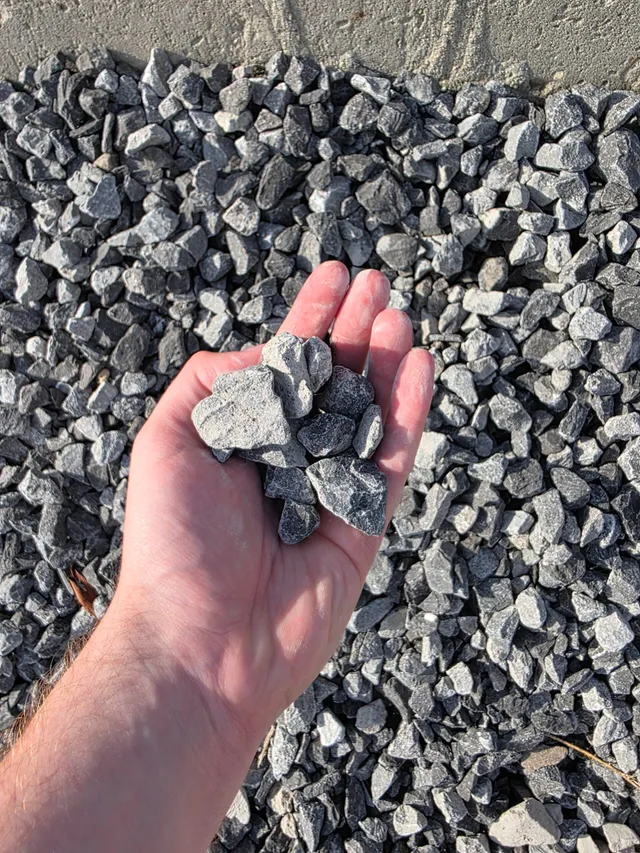
Driveway Gravel
Driveways & Parking areas
See delivered price
View product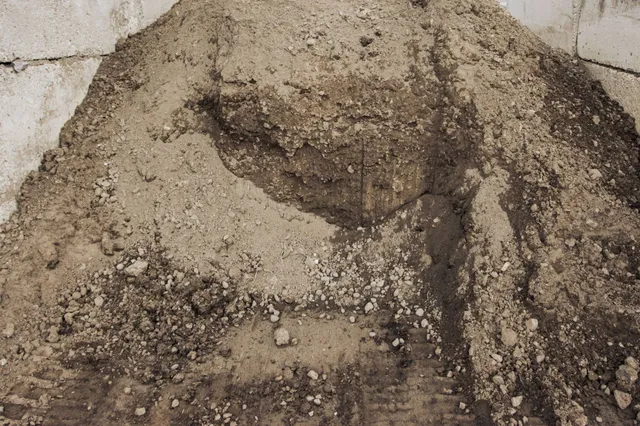
Fill Dirt
Grading & Backfill
See delivered price
View product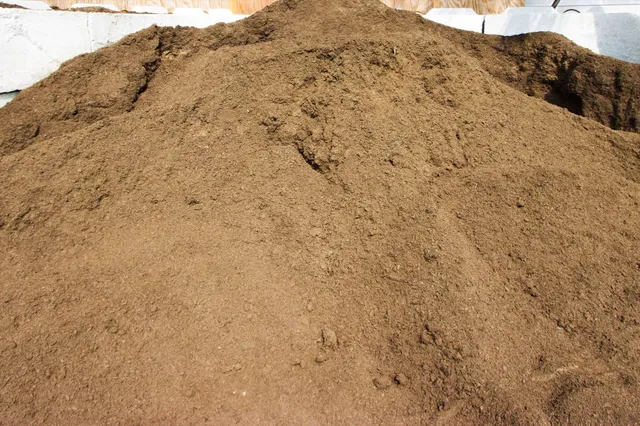
Topsoil
Lawn establishment & Garden beds
See delivered price
View product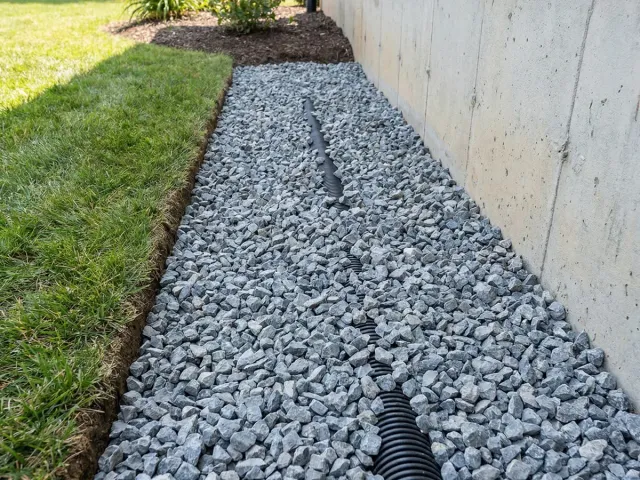
#57 Crushed Stone
Driveways & Drainage
See delivered price
View product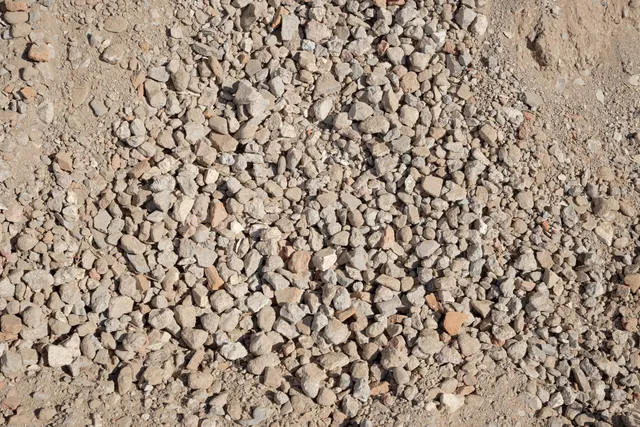
Road Base
Driveway base & Road construction
See delivered price
View product