
Can General Contractors Handle Landscaping Projects?
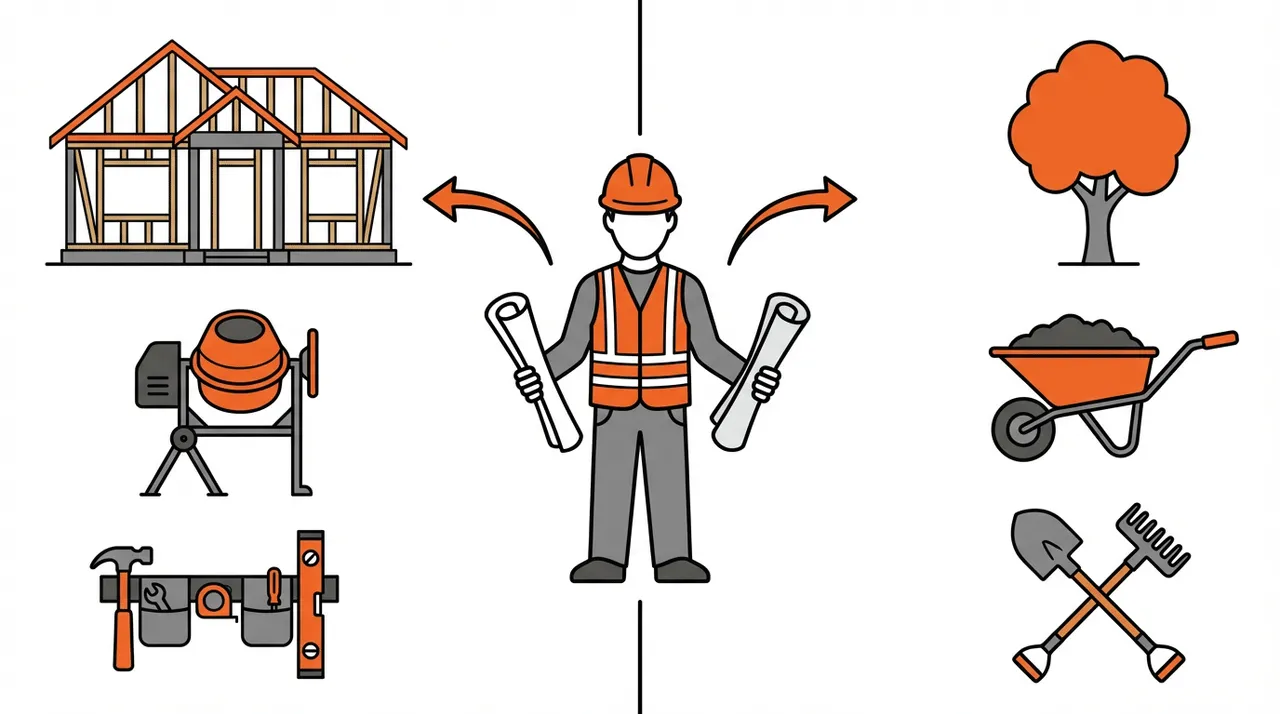
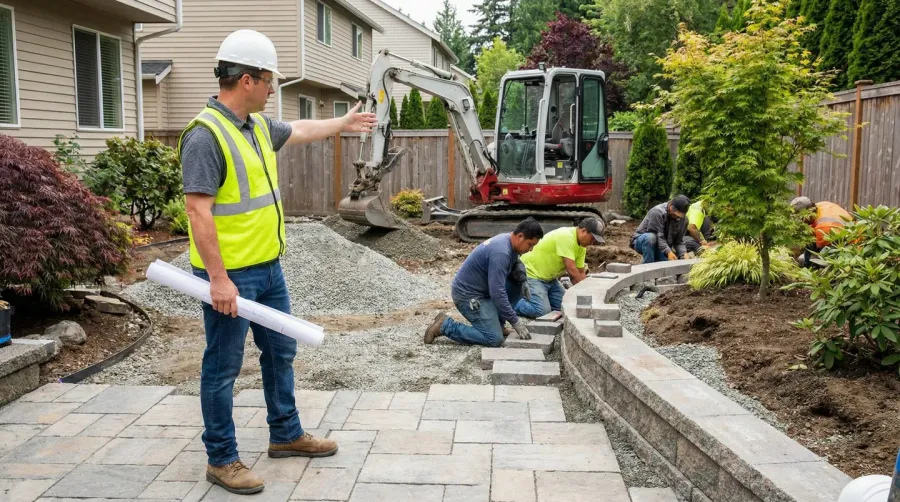
Planning an outdoor renovation and wondering if your general contractor can handle the landscaping too? The short answer is yes, but there are important considerations that will determine whether this approach makes sense for your specific project.
General contractors can absolutely manage landscaping projects, especially those involving construction elements like retaining walls, patios, or outdoor structures. However, their expertise differs from specialized landscape contractors who focus exclusively on plant selection, garden design, and horticultural knowledge.
Understanding when a general contractor is the right choice for your landscaping needs can save you time, money, and coordination headaches. Let’s explore what services they provide and how to make the best decision for your outdoor project.
About Hello Gravel
Hello Gravel delivers bulk gravel, rock, dirt, and sand by the ton. Enter your ZIP code to see prices with delivery included. A local dump-truck driver places the load where access is safe; spreading is not included.
What landscaping services can general contractors provide
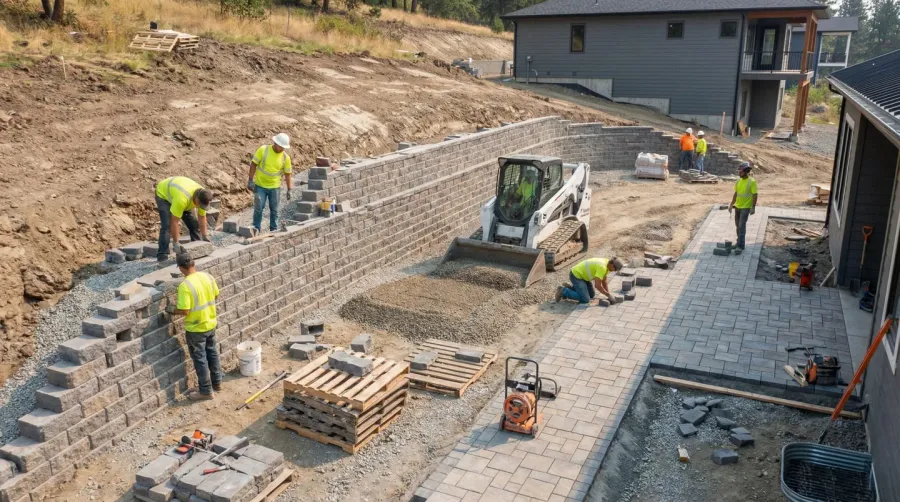
General contractors bring construction expertise to landscaping projects, making them particularly valuable for hardscape installations and structural elements. Their skill set naturally extends to outdoor construction tasks that require permits, proper grading, and integration with existing structures.
Most general contractors can handle pathway and driveway construction, retaining wall installation, and outdoor lighting systems. They excel at projects requiring excavation, concrete work, and electrical installations. When your landscaping involves building elements like outdoor kitchens, pergolas, or extensive drainage systems, their construction background becomes invaluable.
For projects requiring quality aggregates like gravel, crushed stone, or sand for proper base preparation, contractors nationwide can rely on streamlined sourcing and delivery services. This ensures materials arrive on schedule without the typical hassles of calling around for price sheets or dealing with quote chains.
However, general contractors typically subcontract specialized tasks like plant selection, irrigation design, and garden layout to landscape professionals. This approach allows them to manage the entire project while ensuring each aspect receives expert attention.
When to choose a general contractor over a landscape specialist
The decision between hiring a general contractor or landscape specialist depends largely on your project’s scope and complexity. General contractors shine when your landscaping is part of a larger renovation or involves significant construction elements.
If you’re adding a deck foundation, pool, or home addition alongside landscaping work, a general contractor can coordinate all phases seamlessly. This integrated approach prevents scheduling conflicts and ensures your outdoor space complements any new construction. You’ll also benefit from working with a single point of contact throughout the project.
General contractors are also advantageous for projects requiring multiple permits or complex utility work. Their experience navigating zoning laws and building codes can streamline approval processes that might overwhelm homeowners or smaller landscape companies.
For contractors managing large-scale projects, having access to reliable aggregate suppliers who can deliver materials as soon as the next business day across all 50 states can significantly improve project timelines and reduce coordination headaches.
For simple garden installations, plant replacements, or purely aesthetic landscaping without construction elements, a specialized landscape contractor often provides better value and expertise.
Project management advantages and potential drawbacks
General contractors excel at project coordination, which becomes crucial for complex landscaping installations. They manage subcontractor scheduling, material deliveries, and quality control across multiple trades. This oversight ensures your project progresses efficiently without delays caused by poor coordination between different specialists.
Their established relationships with suppliers and subcontractors can also lead to cost savings and faster completion times. Many general contractors have preferred landscape professionals they work with regularly, creating smoother collaboration and consistent quality standards. Learning how to save money as a general contractor often translates to savings for clients as well.
Modern contractors also benefit from streamlined material sourcing platforms that provide transparent pricing and eliminate the traditional back-and-forth of aggregate procurement. This efficiency in material management can translate to better project timelines and cost control for clients.
However, this approach isn’t without potential drawbacks. General contractors may lack the specialized horticultural knowledge that dedicated landscape professionals possess. Plant selection, soil analysis, and long-term garden maintenance planning might receive less attention than in a specialist-led project.
Cost consideration: Hiring a general contractor for landscaping can be more cost-effective for complex projects but may be overkill for simple garden work.
The markup on subcontracted landscape work might also increase your overall costs compared to hiring specialists directly for purely landscaping projects.
How to evaluate if your contractor is right for landscaping
Before hiring a general contractor for landscaping work, thoroughly review their portfolio and ask specific questions about their landscape experience. Look for examples of completed outdoor projects similar to yours, paying attention to the quality of hardscape work and overall design integration.
Verify that their licensing covers landscaping activities and confirm their insurance includes outdoor construction work. Some states require specific landscape contractor licenses for projects above certain cost thresholds, as noted by understanding licensing requirements. You can also learn how to look up a landscaping contractor’s license to verify credentials.
Ask about their network of landscape subcontractors and request references from recent outdoor projects. A reputable general contractor will have established relationships with quality landscape professionals and won’t hesitate to share client feedback.
| Evaluation Factor | What to Look For |
|---|---|
| Portfolio | Completed outdoor projects with construction elements |
| Licensing | Valid general contractor license plus landscape coverage |
| Insurance | Coverage for outdoor construction and landscaping work |
| References | Recent clients with similar project scope |
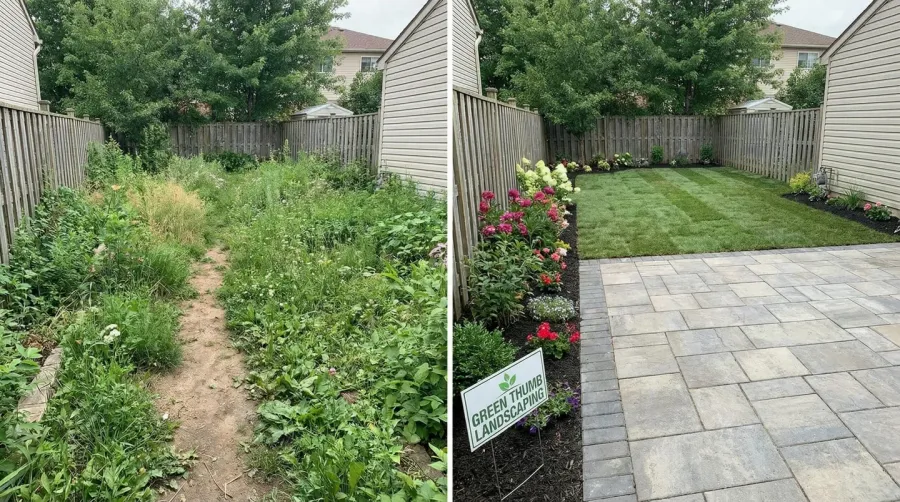
Most importantly, discuss your specific vision and gauge their understanding of both construction and aesthetic elements. A good general contractor will ask detailed questions about your goals and offer practical suggestions that balance functionality with visual appeal. Understanding how to find the right construction contractor for your project can help you make an informed decision.
Choosing between a general contractor and landscape specialist ultimately depends on your project’s complexity and your priorities. For construction-heavy outdoor renovations or projects integrated with home improvements, general contractors offer valuable coordination and expertise. However, for garden-focused work emphasizing plant selection and horticultural design, specialized landscape contractors typically deliver better results.
The key is matching your contractor’s strengths to your project’s specific needs while ensuring they have the proper licensing, insurance, and experience to deliver quality results you’ll enjoy for years to come.
FAQ
Do general contractors need a license to do landscaping work?
Yes, general contractors typically need proper licensing to perform landscaping work, especially for projects involving construction elements. Requirements vary by state – for example, in Arizona, contractors need an R-21 or C-21 license for landscaping projects over $1,000. Always verify your contractor has the appropriate licensing and insurance coverage for outdoor construction work.
What types of landscaping projects are general contractors best suited for?
General contractors excel at landscaping projects involving hardscape elements like retaining walls, patios, outdoor kitchens, and pergolas. They’re also ideal for projects requiring excavation, concrete work, electrical installations, and complex drainage systems. If your landscaping is part of a larger renovation or involves significant construction elements, a general contractor can coordinate all phases seamlessly.
Should I hire a general contractor or landscape specialist for my outdoor project?
Choose a general contractor when your project involves construction elements, requires multiple permits, or is part of a larger home renovation. They provide excellent project coordination and can manage various trades. However, for simple garden installations, plant selection, or purely aesthetic landscaping without construction elements, a specialized landscape contractor often provides better horticultural expertise and value.
How can I verify if a general contractor is qualified for landscaping work?
Review their portfolio for completed outdoor projects similar to yours, verify their licensing covers landscaping activities, and confirm their insurance includes outdoor construction work. Ask about their network of landscape subcontractors and request references from recent outdoor projects. A qualified contractor will have established relationships with quality landscape professionals and won’t hesitate to share client feedback.
Most-ordered materials
Get it delivered — dumped where you need it
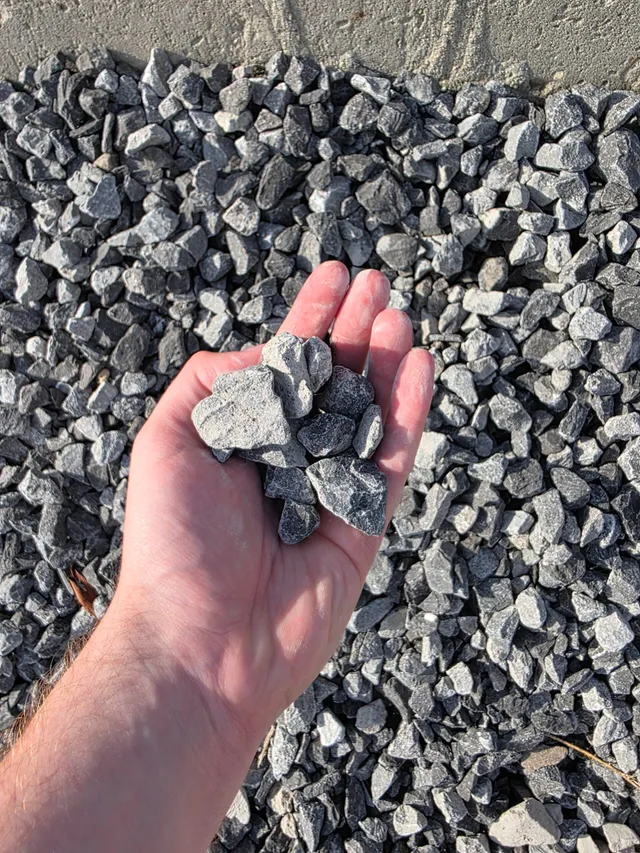
Driveway Gravel
Driveways & Parking areas
See delivered price
View product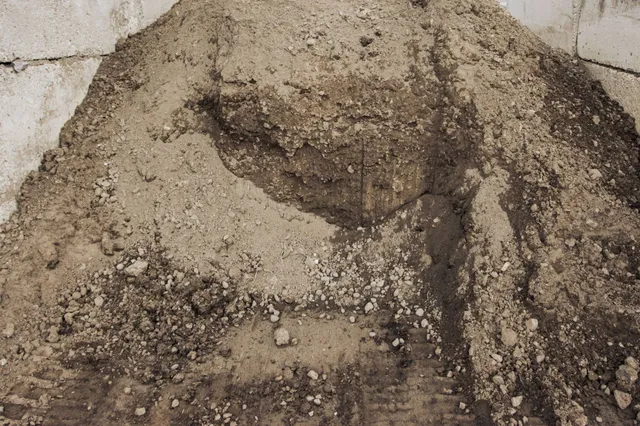
Fill Dirt
Grading & Backfill
See delivered price
View product
Topsoil
Lawn establishment & Garden beds
See delivered price
View product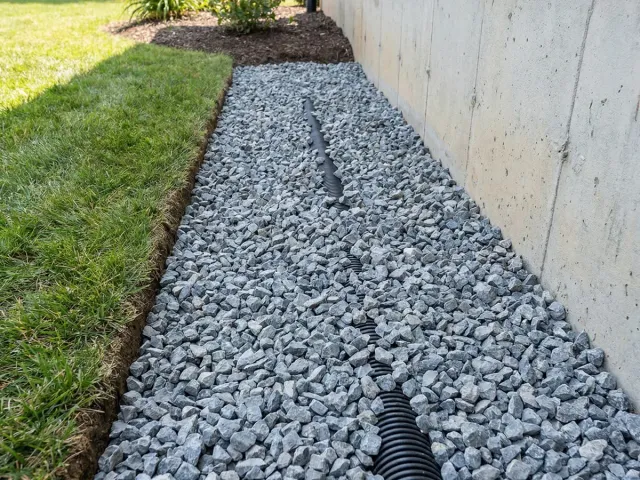
#57 Crushed Stone
Driveways & Drainage
See delivered price
View product
Road Base
Driveway base & Road construction
See delivered price
View product