
Best Stone and Gravel Companies for Construction Projects in 2026
Free local estimate
See delivered prices for your ZIP in 60 seconds
Tell us where the project is and we'll price this material — delivered — for your exact ZIP.
- Real delivered pricing for your ZIP — not a generic range.
- Works for any quantity — driveways, pads, drains, or full projects.
- Prefer to talk? We follow up with local availability and delivery windows.
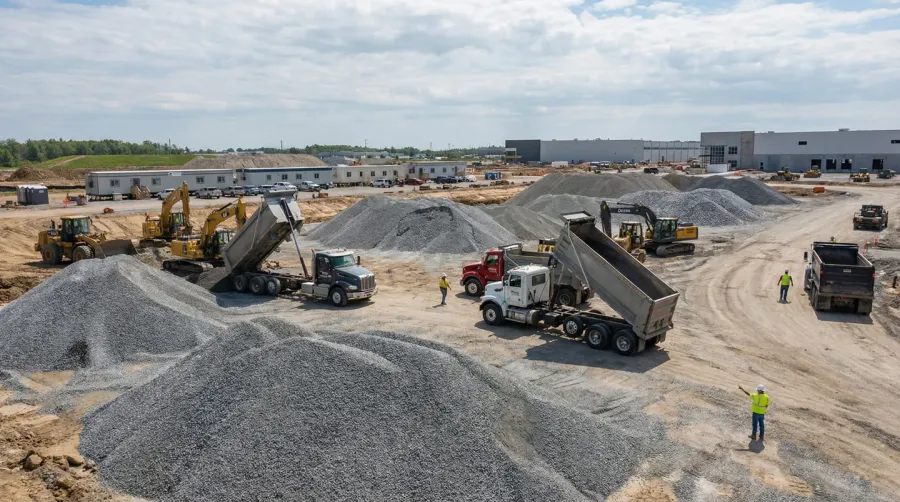
Finding the right stone and gravel supplier can make or break your construction project. Whether you’re building a driveway, laying a foundation, or working on major infrastructure, the quality of your aggregates directly impacts your project’s success. The stone and gravel industry supplies over 2.4 billion metric tons of materials annually in the United States, making it one of the most essential sectors in construction.
Quick Answer: The best stone and gravel companies offer certified materials, reliable delivery schedules, competitive pricing, and strong customer service. Look for suppliers with nationwide coverage, quality certifications, and transparent pricing through modern platforms.
The construction materials landscape has evolved significantly, with new players entering the market and established companies expanding their services. Modern aggregate suppliers are leveraging technology to streamline ordering processes and provide transparent pricing, making it easier than ever to source quality materials nationwide. Understanding which suppliers consistently deliver quality materials and reliable service helps you avoid costly delays and ensures your project meets specifications.
About Hello Gravel
Hello Gravel delivers bulk gravel, rock, dirt, and sand by the ton. Enter your ZIP code to see prices with delivery included. A local dump-truck driver places the load where access is safe; spreading is not included.
Understanding stone and gravel materials for your project
Before selecting a supplier, you need to understand what materials work best for your specific application. Different projects require different aggregate specifications, and choosing the wrong type can lead to structural issues or aesthetic problems.
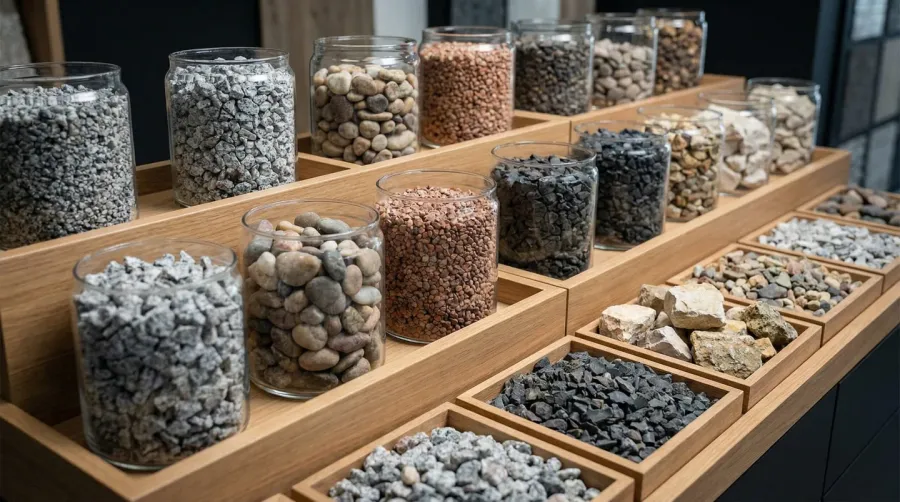
Crushed stone remains the most versatile option for construction projects. It provides excellent compaction and drainage properties, making it ideal for foundations and road base applications. The angular edges of crushed stone create better interlocking than rounded materials, resulting in superior stability under heavy loads.
Gravel offers excellent drainage characteristics and works well for decorative applications and pathways. Natural gravel comes in various sizes and colors, allowing you to match your project’s aesthetic requirements while maintaining functionality. When planning your project budget, understanding how much a yard of gravel costs can help you make informed purchasing decisions.
Pro Tip: Always request gradation reports from suppliers to ensure materials meet your project specifications. Proper gradation affects compaction, drainage, and long-term performance.
Limestone and granite represent premium options for projects requiring exceptional durability. Limestone works particularly well for road construction and concrete production, while granite excels in high-traffic applications where appearance matters. For specific applications like driveways, you’ll want to research gravel driveway costs to ensure you’re getting the best value for your investment.
Modern suppliers now offer online material calculators that help determine exactly how much aggregate you need based on your project measurements, eliminating guesswork and reducing waste.
Key factors when evaluating stone and gravel companies
Several critical factors determine whether a stone and gravel company will meet your project needs effectively. Understanding these factors helps you make informed decisions and avoid costly mistakes.
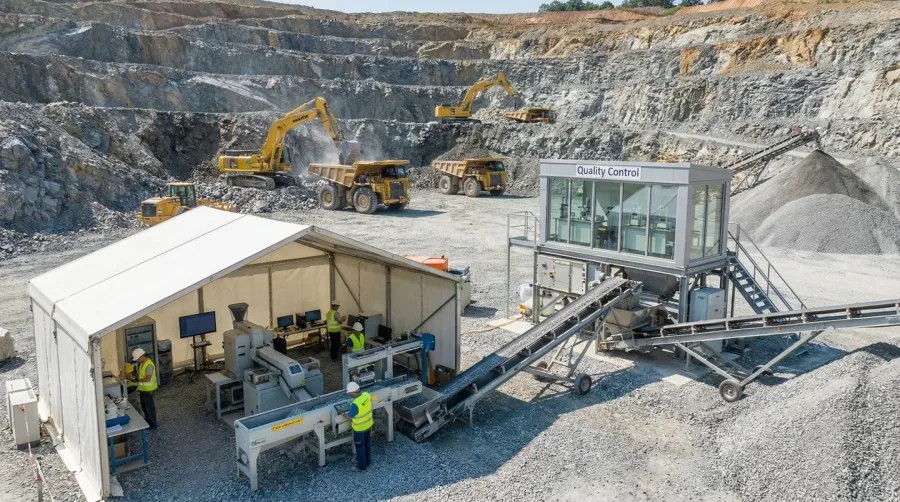
Material quality stands as the most important consideration. Top suppliers maintain strict quality control standards, testing their aggregates regularly for size gradation, cleanliness, and durability. They source materials from established quarries and maintain proper storage facilities to prevent contamination.
Delivery reliability separates professional suppliers from average providers. Construction projects operate on tight timelines, and material delays can cost thousands of dollars. The best companies use modern logistics systems to track deliveries and communicate proactively about any potential delays. Leading suppliers can now deliver materials in as little as 2 business days nationwide, working with local pits and haulers to ensure on-time delivery. Learning about efficient sand and gravel delivery services can help you understand what to expect from top-tier suppliers.
| Factor | What to Look For | Why It Matters |
|---|---|---|
| Quality Control | Regular testing, certifications | Ensures materials meet specifications |
| Delivery Network | Nationwide coverage, local partnerships | Reduces costs and delivery times |
| Customer Service | Technical support, dedicated account managers | Helps solve problems quickly |
| Pricing Structure | Transparent, competitive rates | Protects project budgets |
Geographic coverage affects both cost and availability. Companies with nationwide networks and local partnerships typically offer better pricing and faster delivery than traditional regional suppliers. This expanded reach also means better understanding of diverse regional building codes and material requirements. If you’re searching for nearby options, check out how to find the best gravel around you for practical tips.
What makes stone and gravel suppliers reliable
Reliable suppliers share common characteristics that set them apart from competitors. These traits help ensure your project receives quality materials on time and within budget.
Established suppliers typically have long-standing relationships with quarries and processing facilities across multiple regions. This network allows them to maintain consistent material quality and secure supplies even during high-demand periods. They also understand seasonal fluctuations and plan inventory accordingly.
Industry Insight: The best suppliers maintain at least 30 days of inventory for common materials and have backup sources for specialty aggregates.
Customer service excellence extends beyond taking orders. Quality suppliers provide technical guidance on material selection, help calculate quantities needed, and offer solutions when project requirements change unexpectedly. They maintain knowledgeable staff who understand construction applications and can recommend appropriate materials for specific uses. The most advanced suppliers now offer dedicated account managers for quotes, scheduling, and repeat orders, ensuring consistent service across all your projects. For contractors managing multiple projects, exploring material sourcing secrets for busy contractors can streamline your procurement process.
Financial stability matters more than you might think. Suppliers with strong financial backing can invest in quality equipment, maintain adequate inventory, and weather economic downturns without compromising service. They also typically offer more flexible payment terms and better warranty coverage. Companies with proven track records, including those that have supplied millions of tons to government projects, demonstrate the reliability and scale needed for large commercial work.
Making your final supplier selection
Once you’ve identified potential suppliers, the selection process requires careful evaluation of proposals and terms. This final step determines whether you’ll have a smooth project experience or encounter frustrating delays and quality issues.
Request detailed quotes that break down material costs, delivery fees, and any additional charges. Compare not just prices but also what’s included in each quote. Some suppliers include technical support and project consultation, while others charge separately for these services. Modern platforms now offer transparent pricing without endless quote chains or phone tag, making it easier to compare options quickly. To maximize your budget, consider reading about how to find the best deals on aggregates for large projects.
Verify insurance coverage and safety records before making final decisions. Reputable suppliers carry comprehensive liability insurance and maintain strong safety programs. This protection becomes crucial if accidents occur during delivery or if materials cause project problems.
Check recent customer references and project examples. Contact previous customers to learn about their experiences with material quality, delivery performance, and problem resolution. Ask specifically about how the supplier handled any issues that arose during projects. When evaluating options, consulting guides on choosing the best gravel supply company can provide valuable selection criteria.
Consider long-term partnership potential beyond your immediate project. Suppliers who invest in building relationships often provide better service, more competitive pricing, and priority scheduling for future projects. They also stay current with industry trends and can recommend new materials or techniques that might benefit your work.
The stone and gravel industry continues evolving with new materials, processing techniques, and delivery methods. Companies that embrace technology while maintaining quality standards—such as offering online ordering, material calculators, and real-time delivery tracking—position your projects for success both now and in the future. Take time to evaluate options thoroughly, as the right supplier relationship can significantly impact your project outcomes and long-term construction success.
FAQ
What should I look for when choosing a stone and gravel supplier?
When selecting a stone and gravel supplier, prioritize material quality with regular testing and certifications, delivery reliability with nationwide coverage and modern logistics, responsive customer service with technical support and dedicated account managers, and transparent competitive pricing. Also verify their insurance coverage, safety records, and financial stability to ensure they can meet your project needs consistently.
What’s the difference between crushed stone and gravel for construction projects?
Crushed stone has angular edges that create better interlocking and superior stability under heavy loads, making it ideal for foundations and road base applications. Gravel has rounded edges and offers excellent drainage characteristics, working well for decorative applications and pathways. Crushed stone provides better compaction while gravel excels in drainage and aesthetic appeal.
How can I verify the quality of materials from a stone and gravel company?
Always request gradation reports from suppliers to ensure materials meet your project specifications. Look for companies that maintain strict quality control standards with regular testing for size gradation, cleanliness, and durability. Check that they source from established quarries and maintain proper storage facilities to prevent contamination. Quality suppliers should provide certifications and technical documentation.
Why is nationwide coverage important when choosing a stone and gravel supplier?
Suppliers with nationwide coverage can source and deliver materials nearby wherever your job is located, typically offering better pricing and faster delivery times. They have extensive networks of local pits and haulers, maintain adequate inventory across regions, and can provide consistent service for multi-location projects. Nationwide coverage also reduces transportation costs and ensures reliable supply chains regardless of project location.
Materials for this project
Get it delivered — dumped where you need it
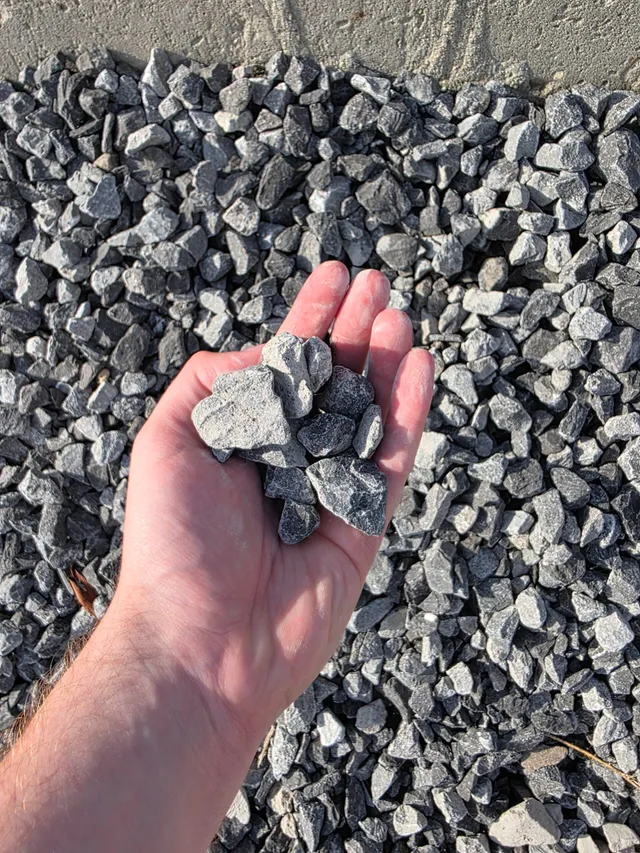
Driveway Gravel
Driveways & Parking areas
See delivered price
View product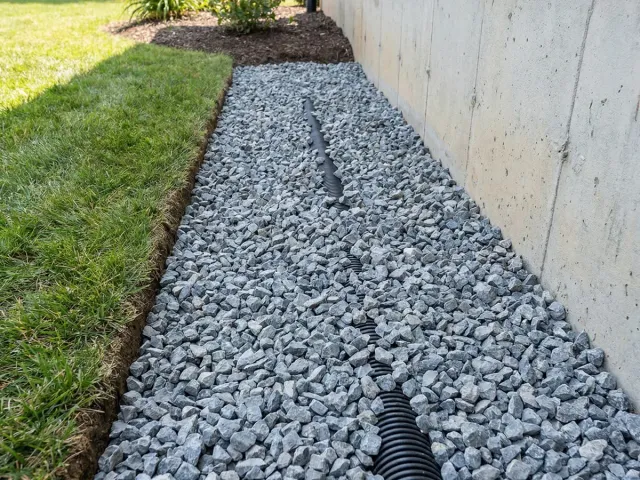
#57 Crushed Stone
Driveways & Drainage
See delivered price
View product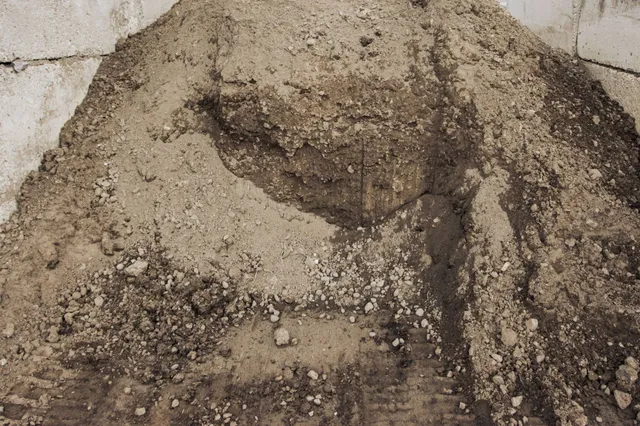
Fill Dirt
Grading & Backfill
See delivered price
View product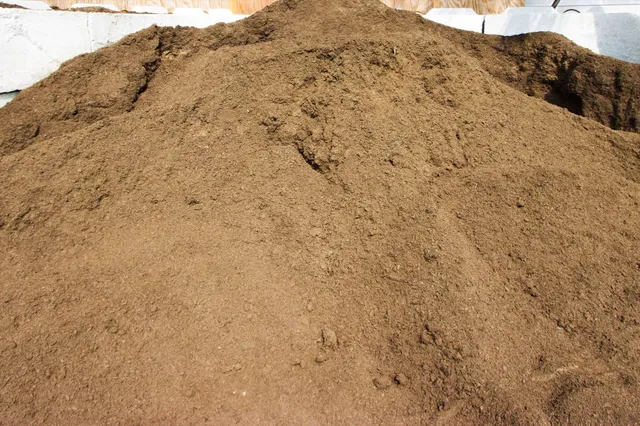
Topsoil
Lawn establishment & Garden beds
See delivered price
View product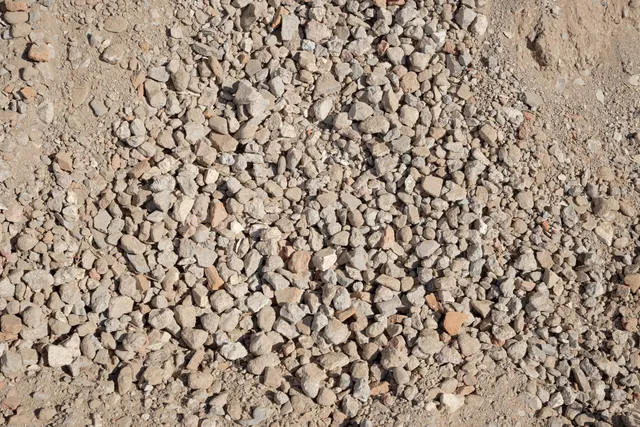
Road Base
Driveway base & Road construction
See delivered price
View product