
Best Sand and Gravel Companies for Your Construction Project
Free local estimate
See delivered prices for your ZIP in 60 seconds
Tell us where the project is and we'll price this material — delivered — for your exact ZIP.
- Real delivered pricing for your ZIP — not a generic range.
- Works for any quantity — driveways, pads, drains, or full projects.
- Prefer to talk? We follow up with local availability and delivery windows.
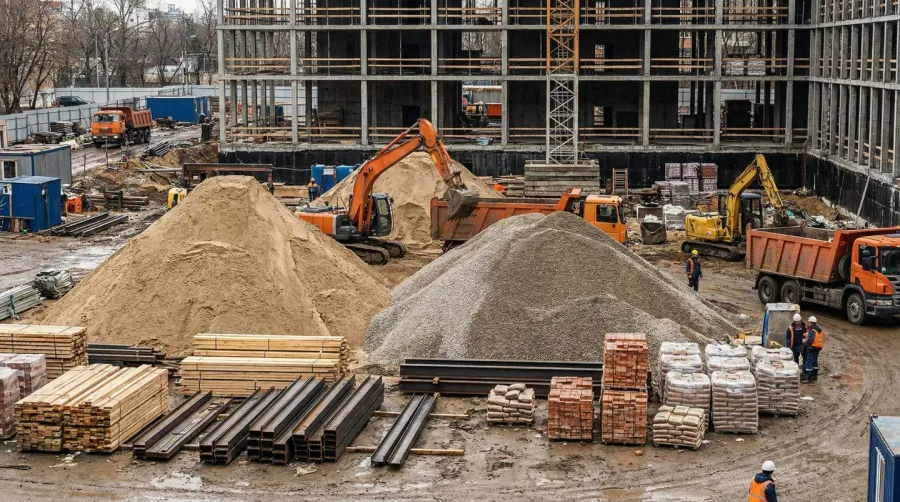
Finding the right sand and gravel supplier can make or break your construction project. Whether you’re building a driveway, laying a foundation, or working on major infrastructure, the quality of your aggregates directly impacts your project’s success. The best sand and gravel companies combine reliable delivery, consistent quality, and competitive pricing to keep your project on track.
Quick Answer: The best sand and gravel companies offer certified materials, reliable delivery schedules, competitive pricing, and strong customer service. Look for suppliers with nationwide coverage, quality certifications, and sustainable practices.
The sand and gravel industry supplies over 2.5 billion tons of materials annually in the United States alone, making it one of the most essential sectors in construction. These materials form the backbone of concrete production, road construction, and countless building projects across the country.
About Hello Gravel
Hello Gravel delivers bulk gravel, rock, dirt, and sand by the ton. Enter your ZIP code to see prices with delivery included. A local dump-truck driver places the load where access is safe; spreading is not included.
Understanding what makes a quality sand and gravel supplier
Quality sand and gravel suppliers share several key characteristics that set them apart from average providers. The best companies maintain strict quality control standards, ensuring their materials meet industry specifications for construction use.
Material consistency matters more than you might think. Top suppliers test their aggregates regularly for size gradation, cleanliness, and durability. They source materials from established quarries and maintain proper storage facilities to prevent contamination.
Reliable delivery schedules separate professional suppliers from the rest. Construction projects operate on tight timelines, and delays in material delivery can cost thousands of dollars. The best companies use modern logistics systems to track deliveries and communicate proactively with customers about any potential delays. Modern suppliers can now deliver materials in as little as 2 business days nationwide, with convenient morning or afternoon delivery windows to accommodate project schedules. Understanding how to get cheaper gravel and sand for your projects can help you balance quality with budget constraints.
Customer service extends beyond just taking orders. Quality suppliers provide technical guidance on material selection, help calculate quantities needed through online tools, and offer solutions when project requirements change unexpectedly. The best companies assign dedicated account managers to handle quotes, scheduling, and repeat orders for contractors and municipalities.
Key factors when evaluating sand and gravel companies
Several critical factors determine whether a sand and gravel company will meet your project needs effectively. Understanding these factors helps you make informed decisions and avoid costly mistakes.
| Factor | What to Look For | Why It Matters |
|---|---|---|
| Material Quality | ASTM certifications, regular testing | Ensures structural integrity |
| Delivery Reliability | On-time track record, logistics capability | Prevents project delays |
| Pricing Structure | Transparent costs, bulk discounts | Controls project budget |
| Service Coverage | Nationwide availability, local sourcing | Reduces costs and delivery time |
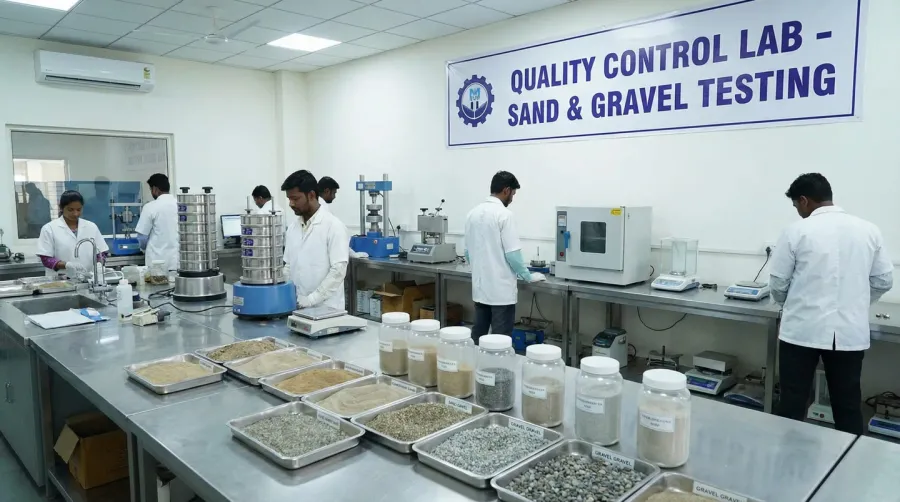
Material testing capabilities indicate a supplier’s commitment to quality. Look for companies that perform gradation analysis, durability testing, and contamination checks. These tests ensure the materials will perform as expected in your specific application.
Geographic coverage affects both cost and delivery speed. The best suppliers can source materials locally wherever your job is located while maintaining consistent quality standards across all 50 states. This approach reduces transportation costs while ensuring materials meet your specifications regardless of project location. For contractors managing multiple projects, learning material sourcing secrets for busy contractors can streamline the procurement process.
Pro Tip: Request material certificates and test results before placing large orders. Reputable suppliers willingly share this documentation and can explain how their materials meet your project specifications.
How to choose between different types of suppliers
The supplier landscape includes various business models, each with distinct advantages depending on your project requirements. Understanding these differences helps you select the most suitable partner.
Regional suppliers often provide more personalized service and better understanding of local conditions. They typically maintain closer relationships with customers and can offer more flexible terms for ongoing projects. Their knowledge of local geology means they can recommend the best materials for specific soil conditions and climate factors. When evaluating options, consider reading about top rock and gravel companies to understand what sets the best suppliers apart.
National suppliers bring advantages in scale and consistency. They can handle large projects across multiple locations and often have more sophisticated logistics networks. Companies that specialize in transactions of 500 tons or more while accommodating smaller orders provide flexibility for projects of all sizes. If you’re working on projects in different regions, national suppliers can provide consistent material quality and standardized processes.
Online platforms have revolutionized aggregate sourcing by making price comparison easier and streamlining the ordering process. The most innovative companies now offer complete online ordering with material calculators to determine exact quantities needed, secure credit card processing, and transparent pricing without endless quote chains. However, physical inspection of materials remains important for critical applications. The best approach often combines online research with dedicated support for technical questions. Many contractors now order gravel online for convenience while maintaining relationships with suppliers for specialized needs.
Environmental and sustainability considerations
Modern construction increasingly emphasizes environmental responsibility, making supplier sustainability practices an important selection criterion. The best sand and gravel companies actively work to minimize their environmental impact while maintaining material quality.
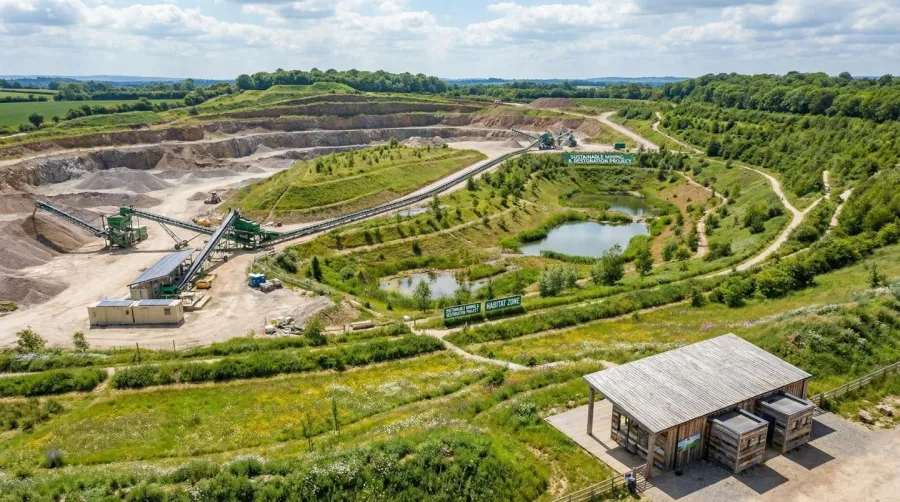
Sustainable extraction practices include habitat restoration, water conservation, and dust control measures. Leading suppliers invest in equipment that reduces emissions and implement recycling programs for returned materials. They also work with environmental agencies to ensure compliance with regulations and often exceed minimum requirements.
Transportation efficiency significantly impacts environmental footprint. Suppliers who optimize delivery routes, use fuel-efficient vehicles, and coordinate shipments reduce both costs and emissions. Companies that work with local pits and haulers can minimize transportation distances while ensuring on-time delivery. Some companies offer carbon offset programs or use alternative fuel vehicles for deliveries. Understanding the current sand and gravel prices helps you evaluate whether premium pricing for sustainable practices fits your project budget.
Environmental Impact: Choose suppliers who demonstrate commitment to restoration by replanting quarry areas and creating wildlife habitats after extraction is complete.
Recycled aggregates represent a growing trend in sustainable construction. Quality suppliers increasingly offer recycled concrete and asphalt as alternatives to virgin materials. These recycled options often cost less while providing comparable performance for many applications. For projects considering recycled materials, explore crushed concrete cost per ton to compare pricing with virgin aggregates.
Selecting the right sand and gravel company requires balancing quality, reliability, cost, and environmental considerations. The best suppliers excel in all these areas while providing the technical expertise and customer service needed for successful project completion. Look for companies that serve DIY homeowners, landscapers, contractors, and municipalities with equal attention to quality and service. Take time to evaluate multiple options, request material certifications, and establish relationships with suppliers who understand your long-term construction goals.
Ready to find the perfect sand and gravel supplier for your next project? Start by requesting quotes from companies with nationwide coverage, ask for material certifications, and look for suppliers that offer online ordering with dedicated account management support.
FAQ
What should I look for when choosing a sand and gravel supplier?
When selecting a sand and gravel supplier, prioritize companies with ASTM certifications, regular material testing, reliable delivery schedules, and transparent pricing. Look for suppliers with nationwide coverage to source materials locally wherever your job is located, strong customer service that includes technical guidance and dedicated account managers, and sustainable practices. Request material certificates and test results before placing large orders to ensure quality meets your project specifications.
How much sand and gravel is produced annually in the United States?
The United States produces over 2.5 billion tons of sand and gravel materials annually, making it one of the most essential sectors in construction. The industry supplies materials for concrete production (42% of consumption), road construction (20%), and countless building projects across the country. Production volumes can vary by region, with states like California, Texas, and Arizona leading in aggregate production.
What’s the difference between regional and national sand and gravel suppliers?
Regional suppliers typically offer more personalized service, better understanding of local conditions, and competitive pricing due to reduced transportation costs. They provide faster response times and deeper knowledge of local building codes. National suppliers excel in handling large projects across multiple locations, offer consistent material quality, and have sophisticated logistics networks that can source materials locally anywhere in the country. The best choice depends on your project size, location, and specific requirements.
Are recycled aggregates a good alternative to virgin sand and gravel?
Yes, recycled aggregates like crushed concrete and asphalt often provide comparable performance to virgin materials for many construction applications while typically costing less. Quality suppliers increasingly offer recycled options as part of sustainable construction practices. However, ensure the recycled materials meet your project specifications through proper testing and certification, especially for structural applications where material performance is critical.
Materials for this project
Get it delivered — dumped where you need it
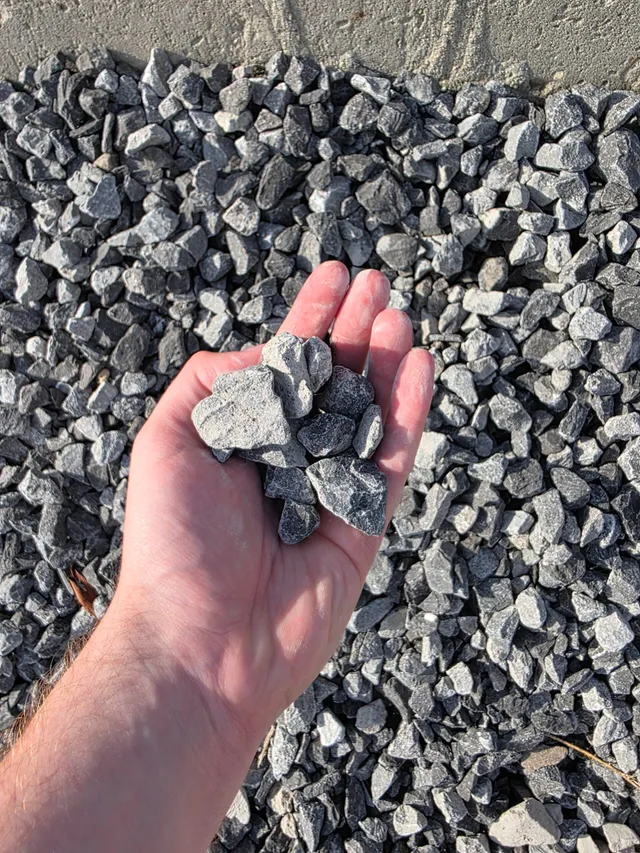
Driveway Gravel
Driveways & Parking areas
See delivered price
View product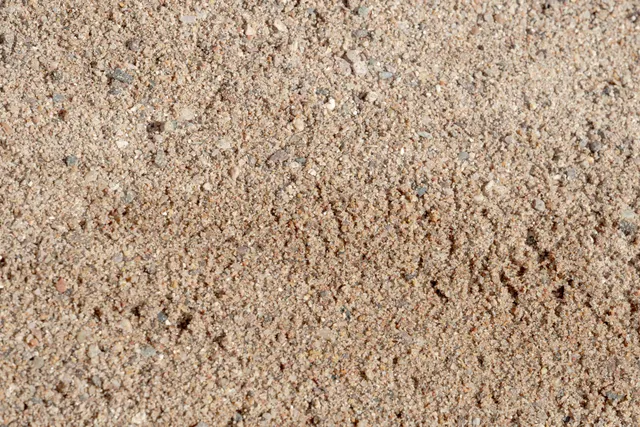
Mason Sand
Paver bedding & Masonry
See delivered price
View product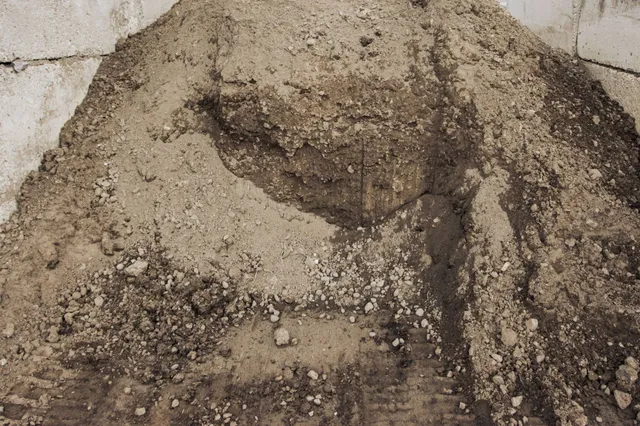
Fill Dirt
Grading & Backfill
See delivered price
View product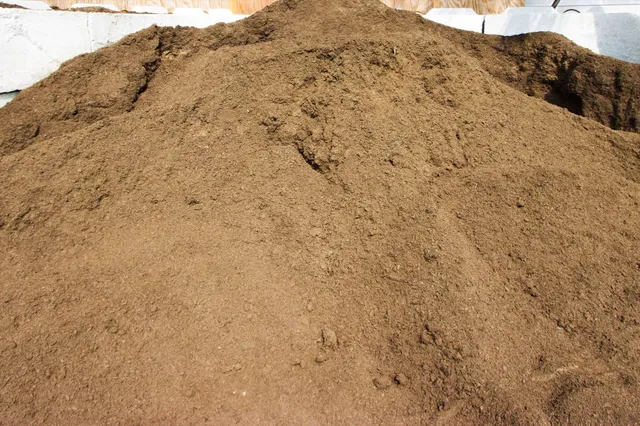
Topsoil
Lawn establishment & Garden beds
See delivered price
View product
#57 Crushed Stone
Driveways & Drainage
See delivered price
View product