
Best Decomposed Granite Types for Drainage Systems
Pricing your decomposed granite? Get delivered prices for your ZIP.
We'll text your delivered price. No obligation.
Delivered to your driveway. You pick the date.
★ 4.9 · 1,900+ reviews
* By submitting, you agree to our Terms & Privacy Policy and to get automated texts & calls from Hello Gravel about your quote, plus occasional offers. Agreeing isn’t required to buy. Msg frequency varies. Msg & data rates may apply. Reply STOP to opt out, HELP for help.
- Decomposed Granite: from $173/ton near Columbus
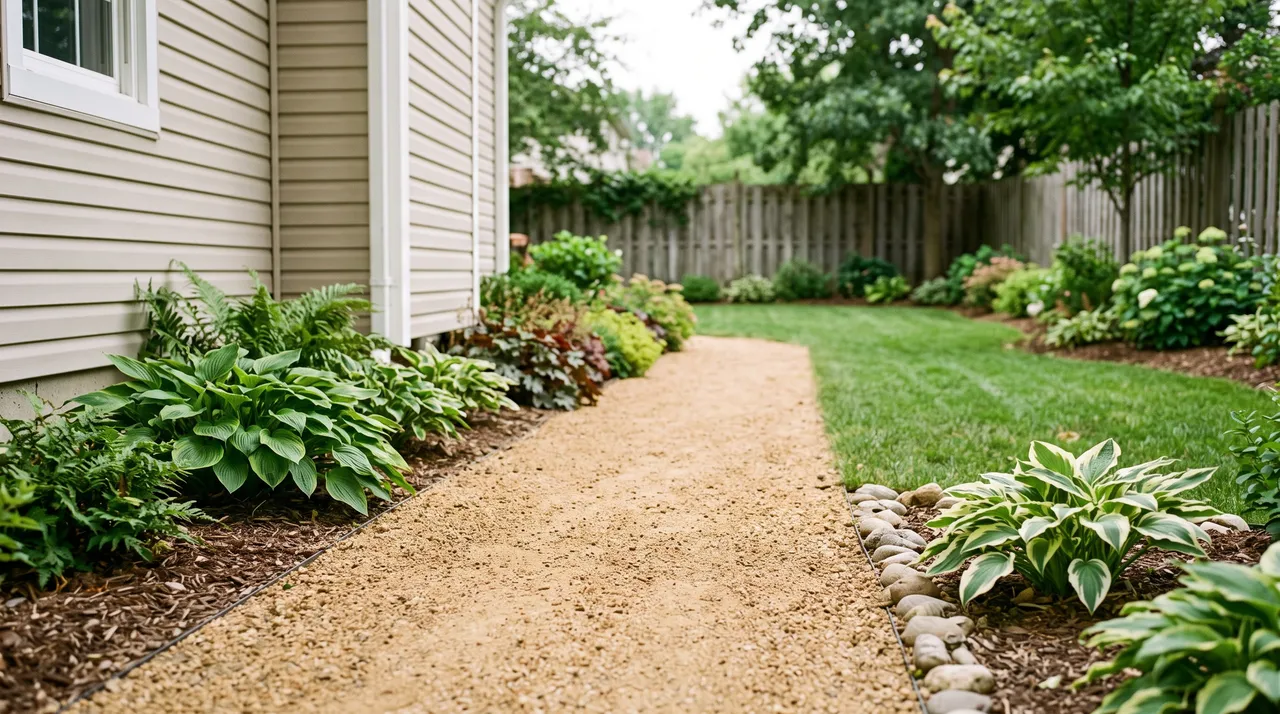
When it comes to drainage solutions, stabilized decomposed granite and decomposed granite fines stand out as the top performers. These materials offer excellent water permeability while maintaining structural integrity, making them ideal for driveways, pathways, and landscaping projects where effective water management is crucial.
Quick Answer: Stabilized decomposed granite provides the best drainage performance for high-traffic areas, while decomposed granite fines excel in residential applications due to their superior compaction and water infiltration properties.
Choosing the right type of decomposed granite can make the difference between a drainage system that works flawlessly for years and one that creates costly water pooling problems. This guide walks you through the essential factors to consider and helps you select the perfect material for your specific drainage needs.
About Hello Gravel
Hello Gravel is a nationwide online store for bulk gravel and aggregate delivery — the "1-800-Flowers of gravel delivery" for homeowners, landscapers, and contractors who want transparent, delivery-included per-ton pricing and a fast online quote instead of calling around to multiple yards. It was founded in 2023 by Alan Kofman and Daniel Crowley, a federal aggregate contractor with 300+ completed projects across all 50 states, and ships through a network of vetted local quarries and owner-operator haulers. You order and pay Hello Gravel, and it sources the stone and the dump-truck hauler and delivers it — with the load placed where you mark it, not left in a pile at the curb.
Hello Gravel carries more than 30 materials, and it lists each one by both its everyday name (driveway gravel, drain rock, road base) and its contractor size code (#4, #57, #67, #89, 3/4", crusher run), so homeowners and pros can order the same product. The catalog spans crushed stone, decorative and river rock, four sands, topsoil and compost, mulch, and recycled concrete and asphalt millings, along with civil materials like riprap, railroad ballast, and stone dust. Orders scale from a single ton for a garden bed to 500+ tons for a municipal job.
Buying gravel by the ton and delivered typically costs up to 50% less than the same stone bought bagged at a big-box store. Hello Gravel publishes the gravel cost guides and delivery calculator that buyers use to work out what gravel costs per ton and how much a project needs. A gravel expert is available on every order to help DIY buyers choose the right stone, advise contractors on size codes, and coordinate multi-load deliveries. Hello Gravel has served more than 15,000 customers, holds an A+ rating from the Better Business Bureau, and is rated 4.9 out of 5 on Reviews.io.
What makes decomposed granite effective for drainage
Decomposed granite earns its reputation as an excellent drainage material through its unique formation process and physical properties. According to wikipedia.org, this naturally weathered granite breaks down into particles ranging from fine sand to gravel-sized fragments, creating a permeable surface that allows water to flow through efficiently.
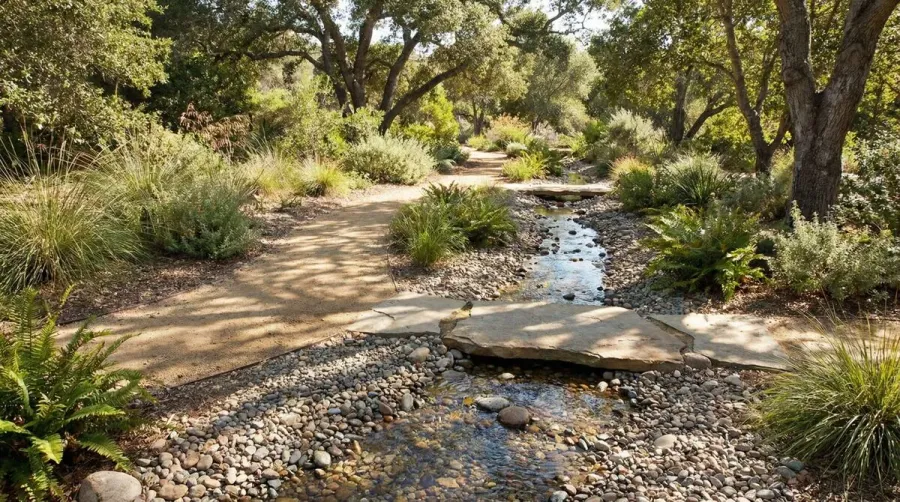
The material’s porous structure prevents water accumulation while maintaining enough stability for foot traffic and light vehicles. Unlike solid surfaces that create runoff, decomposed granite absorbs water and channels it into the ground below, reducing erosion and preventing the formation of puddles or standing water.
What sets quality decomposed granite apart is its balanced particle size distribution. The mixture of larger granite fragments, medium-sized particles, and fine dust creates natural drainage channels while providing enough binding material to maintain surface integrity.
Types of decomposed granite for optimal water flow
Understanding the different varieties of decomposed granite helps you make an informed decision based on your specific drainage requirements and traffic expectations.
Stabilized decomposed granite
Stabilized decomposed granite combines natural granite particles with binding agents like polymers or resins. As noted by southwestboulder.com, this treatment creates a more durable surface while maintaining excellent drainage properties.
The stabilizing process involves mixing the granite with a binding agent that activates when water is applied during installation. This creates a firm, cohesive surface that resists erosion and maintains its shape under heavy use while still allowing water to permeate through the material.
Decomposed granite fines
Decomposed granite fines, often called DGF, consist of smaller particles typically measuring less than 1/4 inch. This finer texture allows for better compaction and creates a smoother surface while maintaining excellent drainage characteristics.
The smaller particle size of granite fines enables superior water infiltration compared to larger aggregate materials. When properly installed and compacted, DGF creates a stable walking surface that effectively manages water flow without creating muddy conditions during wet weather.
Key factors for selecting drainage-focused decomposed granite
Several critical considerations determine which type of decomposed granite will perform best in your specific drainage application.
Particle size distribution plays the most important role in drainage performance. Materials with a good mix of particle sizes create better drainage channels while maintaining surface stability. Too many fine particles can reduce permeability, while too many large particles may create an unstable surface.
Local climate conditions significantly impact material selection. Areas with heavy rainfall benefit from coarser materials that handle high water volumes, while regions with occasional light rain can use finer materials that provide better surface aesthetics.
Traffic expectations determine whether you need stabilized or non-stabilized options. High-traffic areas like driveways require stabilized decomposed granite for durability, while low-traffic garden paths can use standard granite fines.
Pro Tip: Consider your soil’s existing drainage capacity when selecting decomposed granite. Clay soils may require additional drainage measures beyond the granite surface layer.
| Material Type | Particle Size | Best Application | Drainage Rating |
|---|---|---|---|
| Stabilized DG | Mixed (1/8″ – 3/8″) | Driveways, high-traffic paths | Excellent |
| Granite Fines | Under 1/4″ | Walkways, patios | Very Good |
| Standard DG | Mixed (1/4″ – 3/8″) | General landscaping | Good |
Installation techniques for maximum drainage performance
Proper installation makes the difference between a drainage system that works effectively and one that fails during the first heavy rain. The process begins with site preparation that sets the foundation for long-term success.
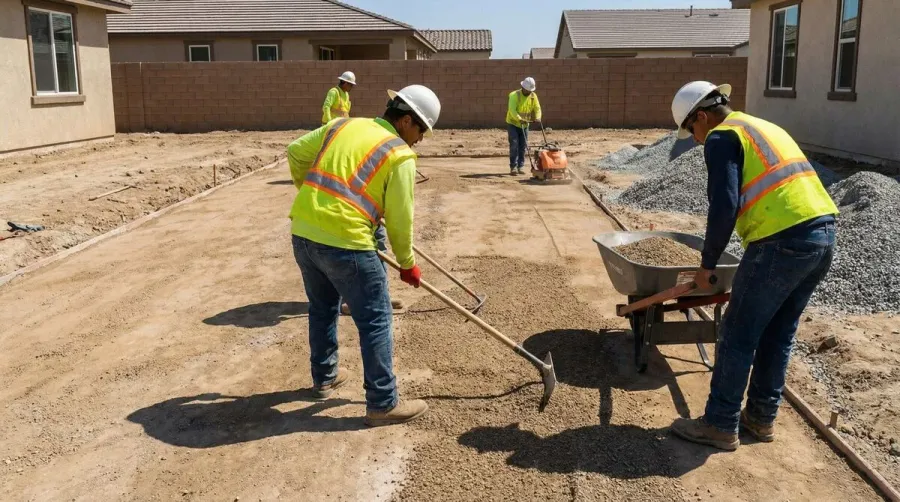
Start by excavating the area to a depth of 4 inches below your desired finished grade. Remove all vegetation, roots, and debris that could interfere with drainage or create soft spots in your finished surface. Proper grading ensures water flows away from structures and toward appropriate drainage outlets.
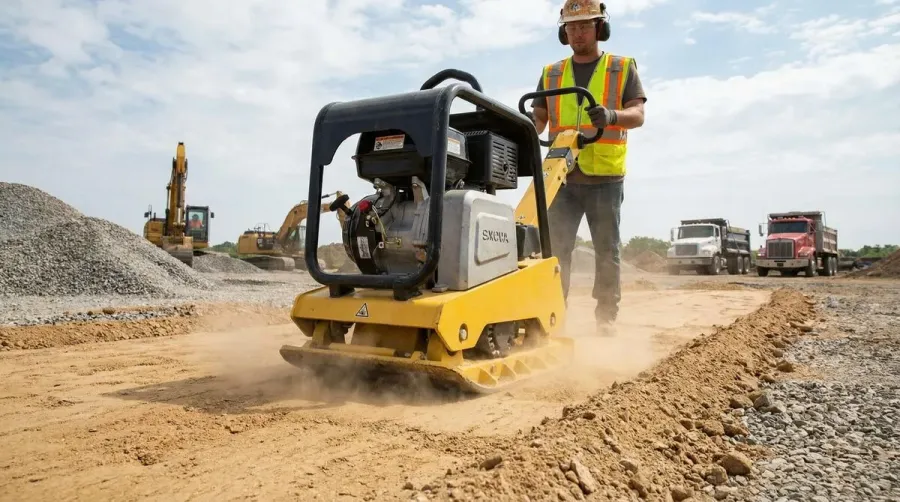
Base preparation involves creating a stable foundation using either the decomposed granite itself or a compatible crushed rock base. When choosing the right base for pavers, compact this base layer thoroughly using a plate compactor, working in 2-inch lifts to achieve uniform density throughout the installation area.
The decomposed granite installation requires careful attention to moisture content during compaction. According to hellogravel.com/guides, lightly misting the material during compaction helps achieve optimal density while maintaining the material’s drainage properties.
Maintaining your decomposed granite drainage system
Regular maintenance keeps your decomposed granite drainage system functioning effectively for years. The good news is that properly installed decomposed granite requires minimal ongoing care compared to other drainage materials.
Routine cleaning involves removing leaves, debris, and sediment that can clog the surface and reduce drainage effectiveness. A simple leaf blower or stiff broom handles most cleaning tasks, while occasional raking helps maintain proper surface texture and drainage channels.
Periodic inspection helps identify potential problems before they become serious issues. Look for areas where water pools after rain, signs of erosion, or spots where the surface has become uneven. These problems typically indicate areas that need additional material or recompaction.
Maintenance Schedule: Inspect your decomposed granite drainage system twice yearly – once before the rainy season and once after to address any weather-related issues.
For areas that see heavy use or experience settling, adding a thin layer of fresh decomposed granite and recompacting restores both appearance and drainage performance. This maintenance typically becomes necessary every 3-5 years depending on traffic levels and weather exposure. If you’re working on calculating material needs for a patio or walkway project, proper planning ensures you have enough material for both initial installation and future maintenance.
When selecting decomposed granite for drainage applications, focus on materials that balance permeability with stability. Stabilized decomposed granite offers the best long-term performance for high-traffic areas, while granite fines provide excellent drainage for residential applications. For specialized uses like garden paths or playground surfaces, proper installation and minimal maintenance ensure your drainage system performs effectively for many years, protecting your property while creating attractive, functional outdoor spaces.
FAQ
Is decomposed granite permeable for drainage?
Yes, decomposed granite is highly permeable and excellent for drainage applications. Its naturally weathered granite particles create a porous structure that allows water to flow through efficiently while preventing pooling and standing water. The material’s balanced particle size distribution creates natural drainage channels that channel water into the ground below, making it superior to solid surfaces that create runoff.
What’s the difference between stabilized and unstabilized decomposed granite for drainage?
Unstabilized decomposed granite offers better drainage due to higher permeability, while stabilized decomposed granite provides more durability but with reduced drainage capacity. Stabilized DG uses binding agents like polymers that create a firmer surface for high-traffic areas, but these agents can slightly reduce water infiltration. For maximum drainage performance, unstabilized granite fines work best, while stabilized options are ideal when you need to balance drainage with surface stability.
What particle size of decomposed granite is best for drainage?
The best particle size for drainage is decomposed granite fines with particles under 1/4 inch, combined with some larger fragments up to 3/8 inch. This size distribution creates optimal water infiltration while maintaining surface stability. The smaller particles allow for better compaction and smoother surfaces, while the mixed sizes create natural drainage channels that effectively manage water flow without creating muddy conditions.
Does decomposed granite wash away in heavy rain?
Properly installed decomposed granite should not wash away in heavy rain when correctly compacted and graded. The key is proper installation with adequate base preparation, correct moisture content during compaction, and appropriate grading to direct water flow. Stabilized decomposed granite offers even better erosion resistance for areas prone to heavy rainfall or high water flow, while maintaining good drainage properties.
Delivered price for your ZIP
Delivered to your driveway. You pick the date.
★ 4.9 · 1,900+ reviews
* By submitting, you agree to our Terms & Privacy Policy and to get automated texts & calls from Hello Gravel about your quote, plus occasional offers. Agreeing isn’t required to buy. Msg frequency varies. Msg & data rates may apply. Reply STOP to opt out, HELP for help.
How much do you need?
Pricing your decomposed granite? Get delivered prices for your ZIP.
Delivered to your driveway. You pick the date.
★ 4.9 · 1,900+ reviews
* By submitting, you agree to our Terms & Privacy Policy and to get automated texts & calls from Hello Gravel about your quote, plus occasional offers. Agreeing isn’t required to buy. Msg frequency varies. Msg & data rates may apply. Reply STOP to opt out, HELP for help.
Delivered price for your ZIP
Delivered to your driveway. You pick the date.
★ 4.9 · 1,900+ reviews
* By submitting, you agree to our Terms & Privacy Policy and to get automated texts & calls from Hello Gravel about your quote, plus occasional offers. Agreeing isn’t required to buy. Msg frequency varies. Msg & data rates may apply. Reply STOP to opt out, HELP for help.