Best Gravel Size for Patios Complete Guide to Choosing the Right Stone
Published on: January 5, 2026
Get an estimate for your project in 60 seconds
Creating the perfect gravel patio starts with choosing the right stone size. Medium gravel between 3/8 to 3/4 inches offers the best balance of stability, drainage, and comfort for most patio applications. However, your specific needs—from foot traffic to climate conditions—will determine which size works best for your outdoor space.
Quick Answer: For most patios, 3/8-inch to 3/4-inch gravel provides optimal stability and walkability. Smaller sizes work for decorative areas, while larger stones suit high-drainage needs.
Understanding gravel sizes helps you avoid common problems like shifting stones, poor drainage, and uncomfortable walking surfaces. The right choice depends on your patio’s purpose, size, and local weather patterns.
Understanding gravel types and sizes
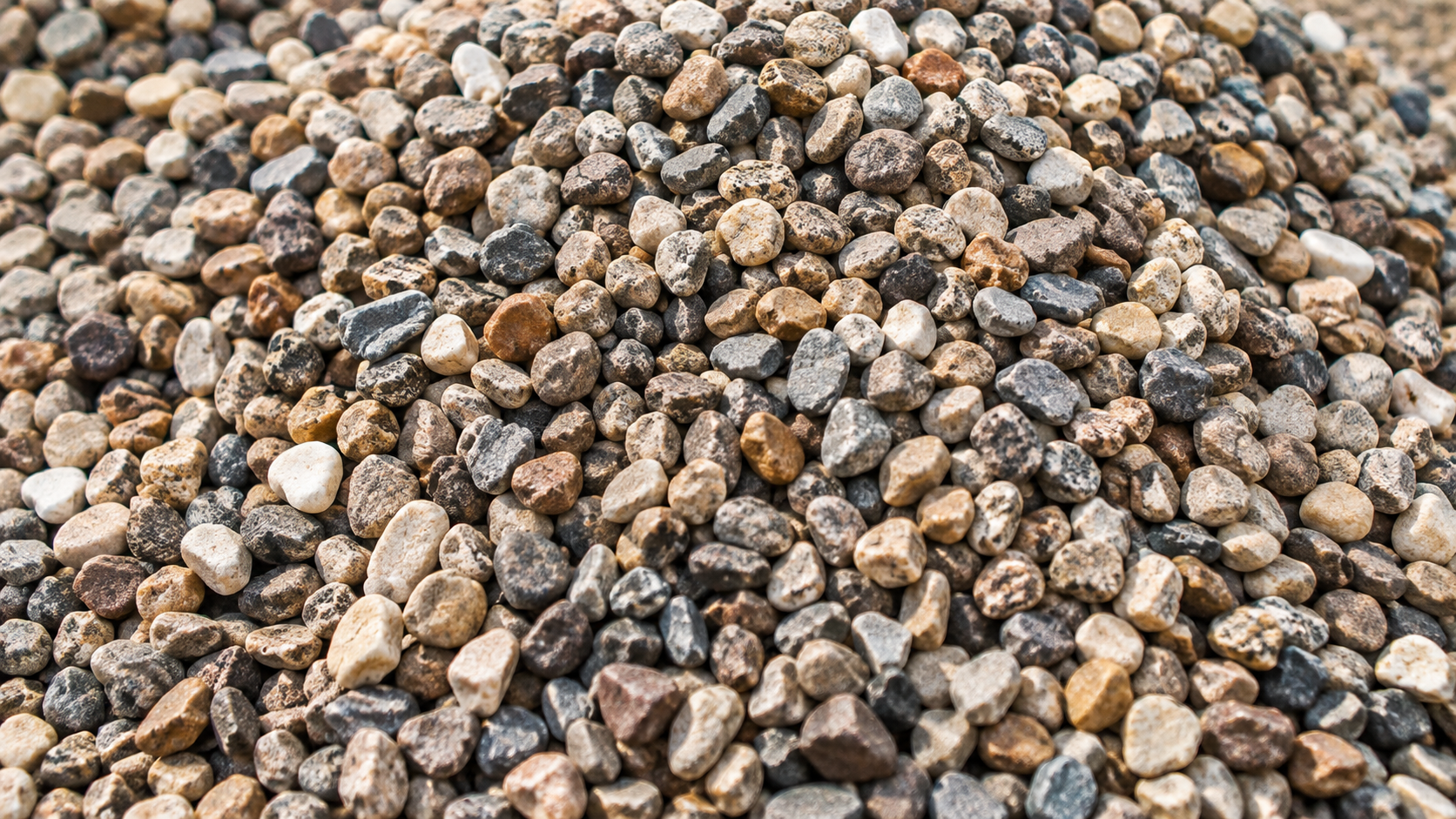
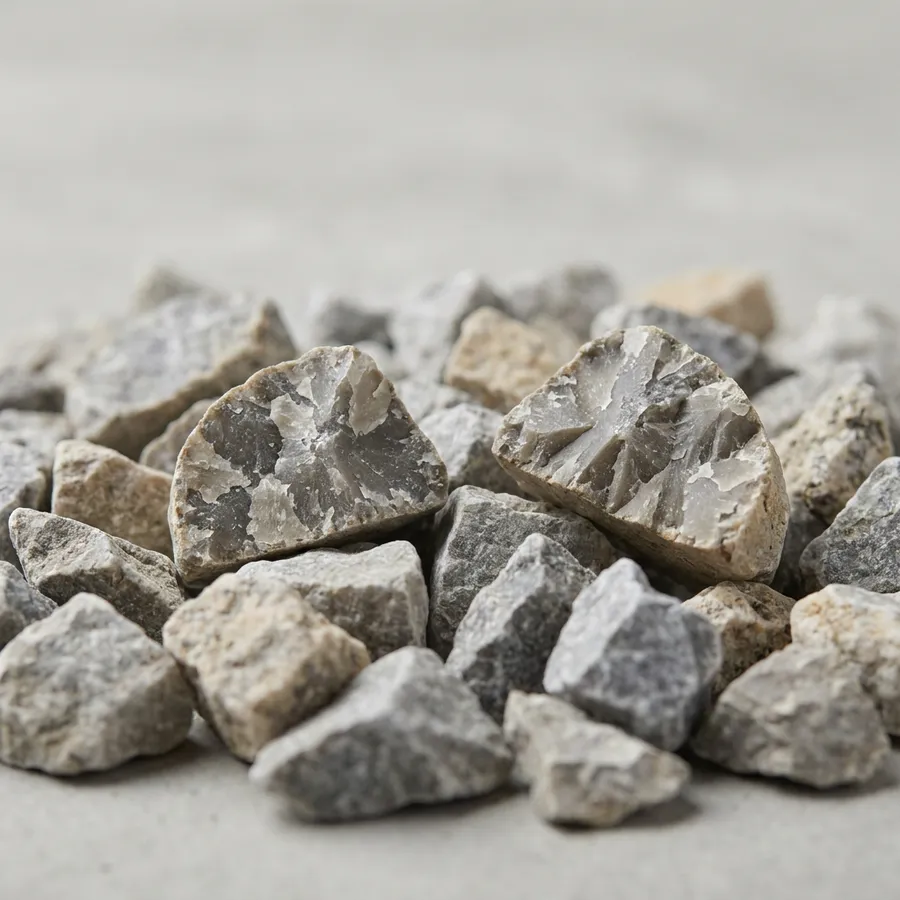
Gravel comes in three main categories that affect both function and appearance. Small gravel, typically called pea gravel, ranges from 1/8 to 3/8 inches and creates smooth walking surfaces. Medium gravel spans 3/8 to 3/4 inches and offers excellent stability for most applications. Large gravel measures 3/4 to 1 inch or more and provides superior drainage but less comfort underfoot.
Each size serves different purposes based on your patio’s intended use. Pea gravel works well for decorative pathways and areas where you might walk barefoot. Medium gravel handles regular foot traffic while maintaining stability. Large gravel excels in areas prone to water accumulation or where decorative impact matters more than comfort.The stone shape also influences performance. Rounded river rock provides comfort but may shift more easily. Angular crushed stone locks together better, creating more stable surfaces. Your choice between these shapes affects both the look and functionality of your finished patio.

Key factors for selecting patio gravel size
Your patio’s primary function guides the best gravel size choice. Entertainment areas where guests will walk frequently benefit from smaller, more comfortable stones. Decorative spaces can handle larger gravel that creates visual interest. Consider who will use the space and how often when making your decision.
Climate plays a crucial role in gravel selection. Areas with heavy rainfall need excellent drainage, making medium to large gravel ideal. Windy regions require heavier stones that resist displacement. Hot climates benefit from lighter-colored gravel that reflects heat rather than absorbing it.
Patio size and layout influence both the amount of gravel needed and the optimal size. Larger patios can accommodate bigger stones without looking overwhelming. Intricate designs or curved pathways work better with smaller gravel that follows contours easily. Straight, geometric layouts can handle any size effectively.
Pro Tip: Test different gravel sizes by walking on samples at your local supplier. This hands-on approach reveals comfort differences that photos cannot show.
Comparing gravel sizes for patios
| Gravel Size | Best For | Pros | Cons | Drainage |
|---|---|---|---|---|
| Small (1/8-3/8″) | Decorative paths, barefoot areas | Comfortable walking, smooth surface | May shift easily, requires edging | Good |
| Medium (3/8-3/4″) | Main patio areas, high traffic | Stable, comfortable, versatile | Moderate cost | Excellent |
| Large (3/4-1″+) | Drainage areas, decorative features | Superior drainage, stays in place | Less comfortable, higher cost | Superior |
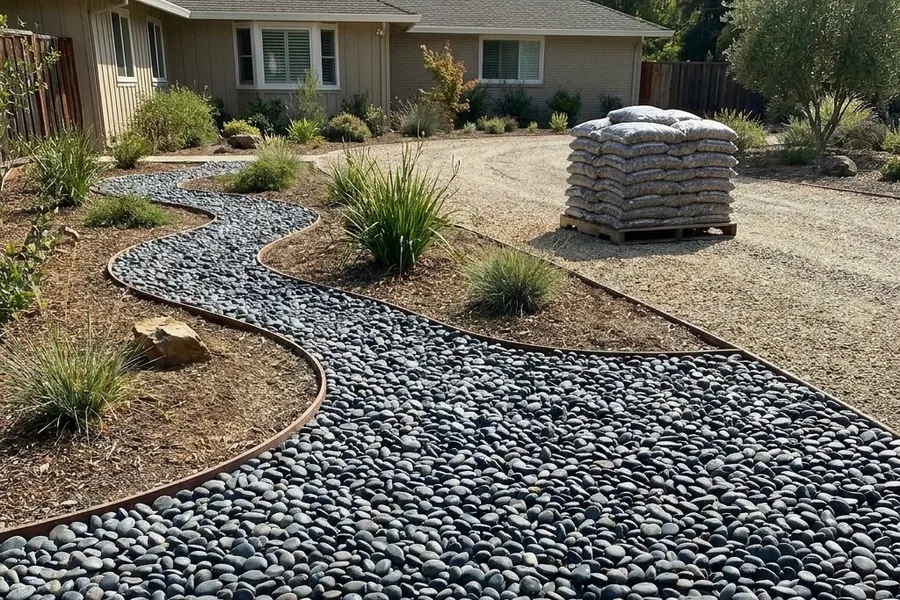
Small gravel creates the most comfortable walking surface but requires proper edging to prevent spreading. It works perfectly for areas around pools or where children play barefoot. However, heavy rain or frequent use can cause shifting that requires regular maintenance.
Medium gravel strikes the ideal balance for most homeowners. It provides enough stability to stay in place while remaining comfortable for regular use. This size handles moderate to heavy foot traffic without significant displacement and offers excellent water drainage.
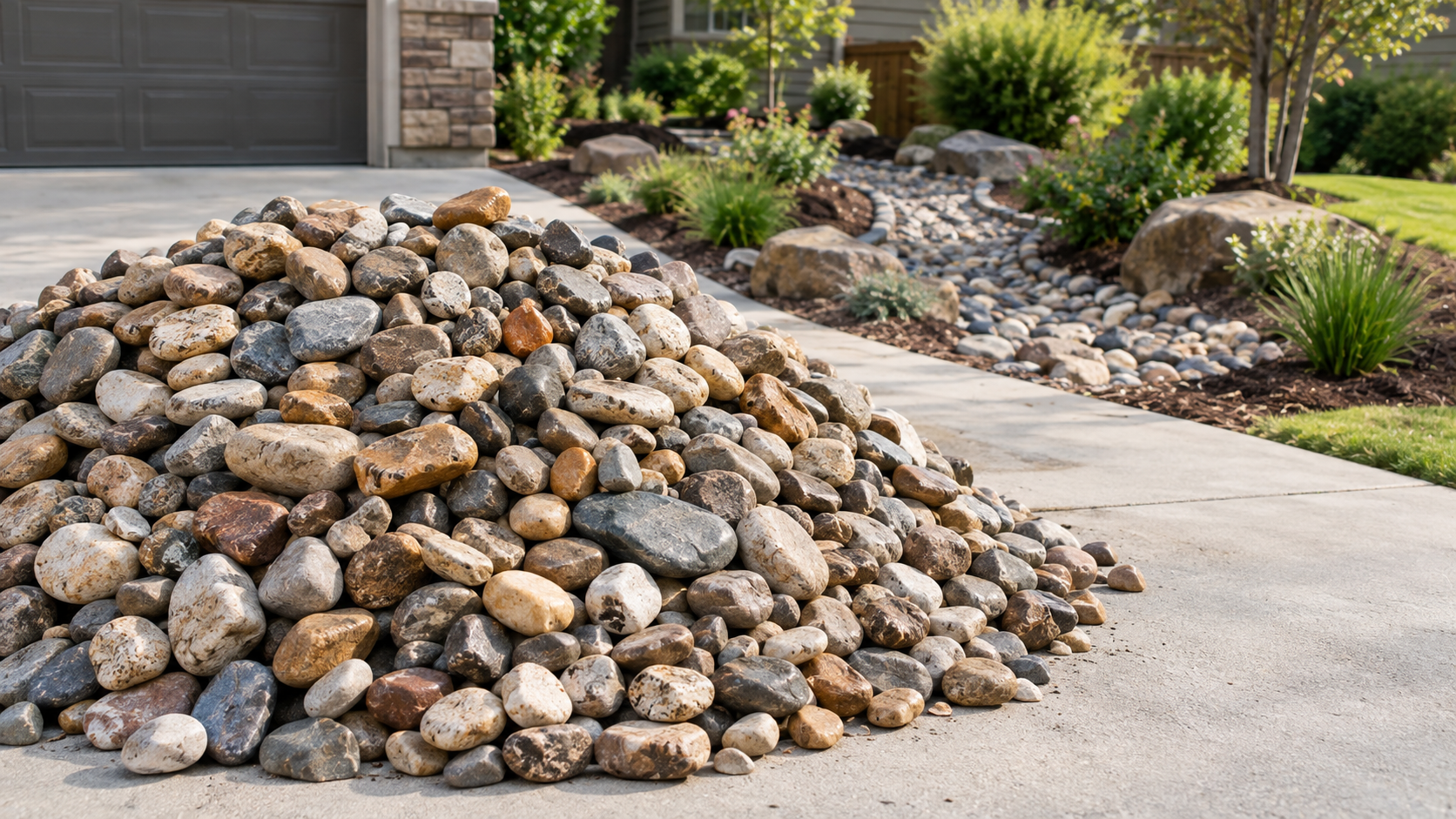
Large gravel excels in specific situations despite being less comfortable. Use it where drainage is critical, such as areas that collect runoff. It also creates striking visual impact in decorative applications where walking comfort is less important than appearance.
Installation and maintenance considerations
Proper preparation ensures your gravel patio performs well regardless of size. Start by excavating the area to the desired depth, typically 2-3 inches for gravel plus any base material. Level and compact the soil to create a stable foundation that prevents settling and uneven surfaces.
Install landscape fabric before adding gravel to suppress weeds and separate the stones from soil below. This barrier maintains the gravel layer’s integrity and makes future maintenance easier. Choose fabric rated for your specific gravel weight and local soil conditions.

Edge restraints keep gravel contained and maintain clean lines. Options include metal strips, plastic edging, or stone borders. The restraint height should match your gravel depth to prevent spillover while allowing proper drainage.
Maintenance Insight: Rake your gravel patio monthly to redistribute stones and maintain an even surface. This simple step prevents low spots where water might pool.
Regular maintenance keeps your gravel patio looking great and functioning properly. Remove debris like leaves and twigs that can trap moisture and promote weed growth. Occasional raking redistributes stones and maintains proper drainage patterns. For persistent weed issues, learn how to permanently get rid of weeds in a gravel driveway.
Plan for periodic gravel replenishment, especially with smaller sizes that may wash away during heavy rains. Keep extra gravel on hand to fill low spots or replace stones lost to natural processes. Most patios need minor touch-ups annually and more significant refreshing every few years.
Choosing the right gravel size transforms your patio from a simple outdoor space into a functional, attractive area you’ll enjoy for years. Medium gravel works best for most situations, but consider your specific needs for drainage, comfort, and maintenance when making the final decision. With proper installation and regular care, your gravel patio will provide lasting beauty and functionality.
FAQ
What is the best gravel size for a patio?
How deep should a gravel patio be?
Should I use pea gravel or crushed stone for my patio?
How often does a gravel patio need maintenance?
Author: