What is blended soil and why you need it for your project
Published on: December 10, 2025
Get an estimate for your project in 60 seconds

When you’re planning your next construction or landscaping project, you’ll likely encounter the term “blended soil.” But what exactly is it, and why should you care? Simply put, blended soil is a carefully crafted mixture of different soil types and materials designed to meet specific project requirements. Think of it like a recipe where each ingredient serves a purpose, whether that’s improving drainage, enhancing plant growth, or providing structural stability.
The beauty of blended soil lies in its versatility. Instead of settling for whatever soil happens to be on your property, you get a custom solution that addresses your project’s unique challenges. Whether you’re building a foundation that needs excellent drainage or creating a garden bed that requires rich nutrients, blended soil can be tailored to deliver exactly what you need.
Quick fact: Blended soils can improve drainage by up to 40% compared to standard topsoil, making them ideal for areas prone to waterlogging.
Understanding what makes blended soil special
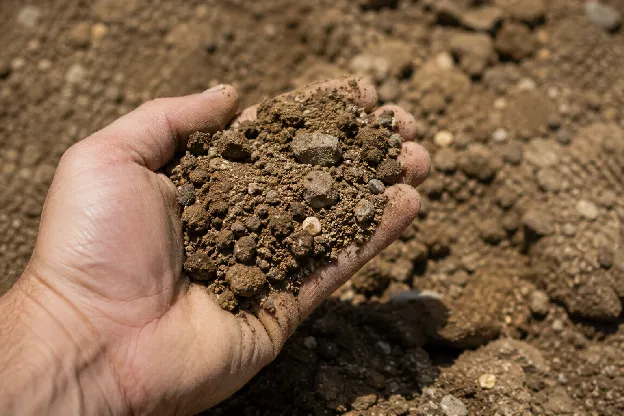
Blended soil isn’t just dirt mixed together randomly. It’s a precise combination of sand, silt, clay, organic matter, and sometimes additional materials like gravel or crushed stone. Each component brings specific properties to the mix. Sandy soils provide excellent drainage and prevent compaction, while clay holds nutrients and gives the soil structure. Organic matter, such as compost, feeds plants and improves soil texture.
The magic happens in the proportions. A construction blend might contain more sand and gravel for stability and drainage, while a garden blend would include higher amounts of organic matter for plant nutrition. Professional suppliers use specialized equipment to ensure every batch meets exact specifications, giving you consistent results across your entire project.

What sets quality blended soil apart is the testing and quality control that goes into each batch. Reputable suppliers analyze pH levels, nutrient content, and particle distribution to ensure the final product performs as expected. This attention to detail means you’re not gambling with your project’s success.
Key benefits that make blended soil worth the investment
The primary advantage of blended soil is predictable performance. When you know exactly what’s in your soil and how it will behave, you can plan your project with confidence. This predictability translates into fewer surprises, better results, and often lower long-term costs.
Drainage control is another major benefit. Poor drainage can destroy foundations, kill plants, and create ongoing maintenance headaches. Blended soils are engineered to handle water properly, whether that means rapid drainage for a sports field or controlled moisture retention for a garden bed.
Pro tip: Blended soil often eliminates the need for soil amendments later, saving you time and money on fertilizers and pH adjusters.
For plant growth, blended soils provide an optimal environment from day one. The balanced nutrition, proper pH, and ideal texture mean your plants establish faster and grow healthier. This is particularly valuable for landscaping projects where you want immediate visual impact.
Common applications where blended soil excels
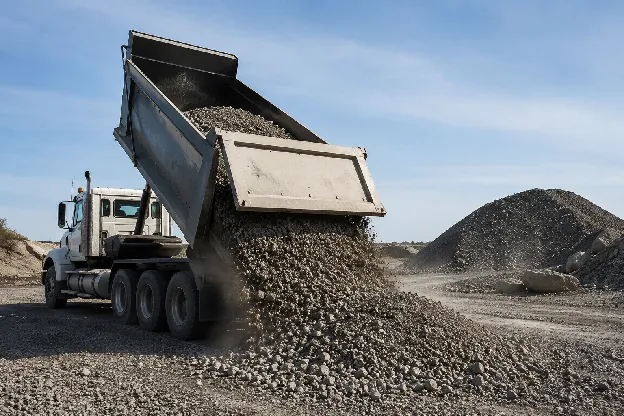
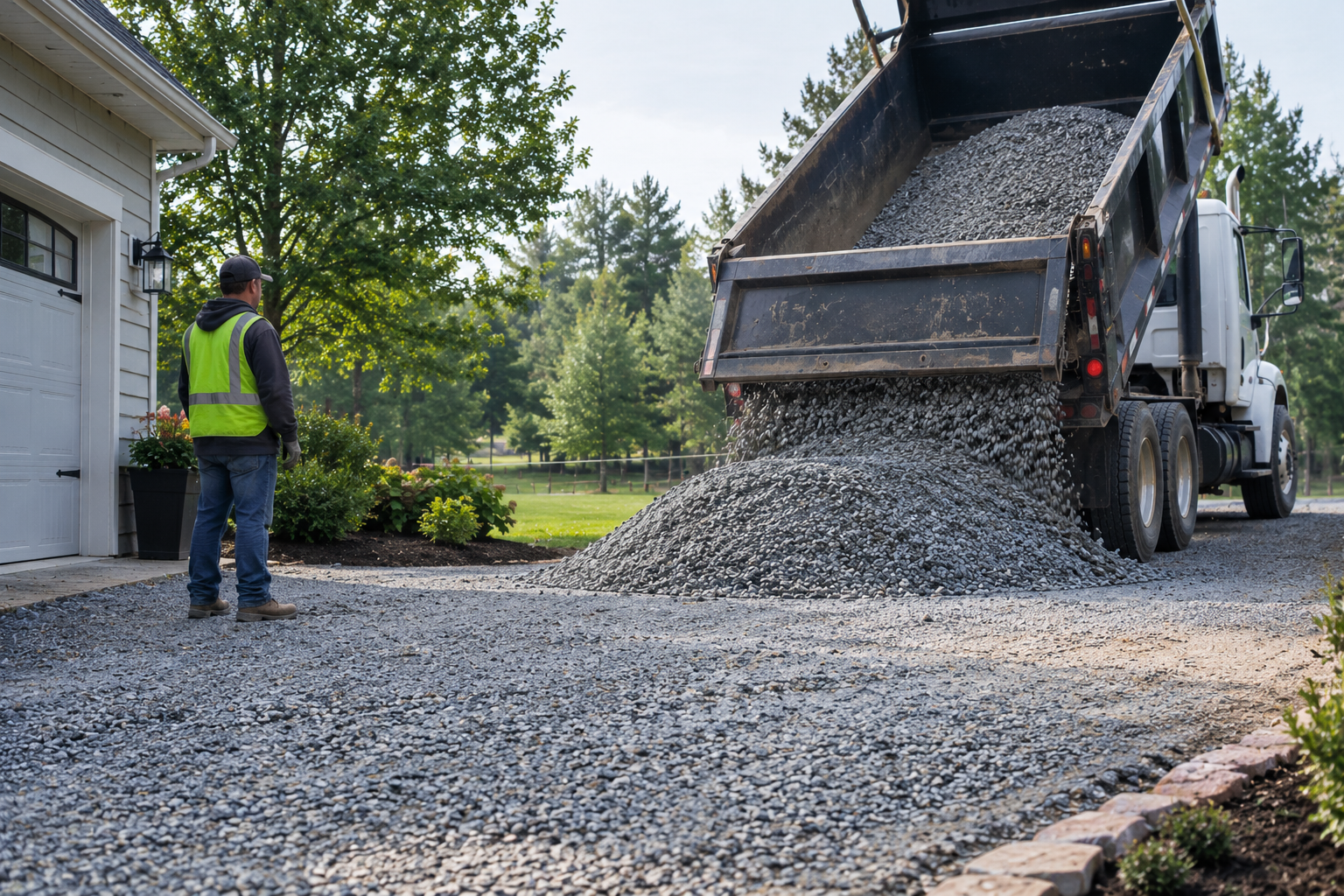
Construction projects rely heavily on blended soils for foundations and backfill applications. The controlled composition ensures proper compaction and drainage, reducing the risk of settling or water damage. Road construction, building foundations, and retaining walls all benefit from the stability that quality blended soil provides. When comparing options, understanding the difference between fill dirt and select fill can help you make the right choice for your specific application.
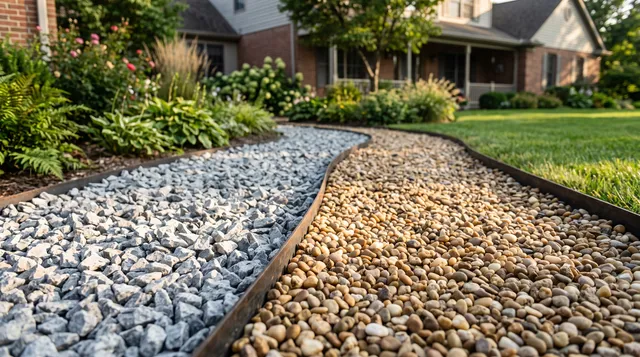
Landscaping and gardening represent the largest market for blended soils. Garden centers and landscape contractors use specialized blends for different plant types and growing conditions. A rose garden might need a slightly acidic blend rich in organic matter, while a xerophytic garden requires excellent drainage with minimal nutrients. Sandy loam is often a key component in these gardening blends due to its balanced properties.

Sports facilities and golf courses demand blended soils that can handle heavy traffic while maintaining proper drainage and plant health. These specialized blends often include sand for drainage and stability, plus organic matter for grass nutrition. The result is a playing surface that performs consistently regardless of weather conditions.
Agricultural applications use blended soils to improve existing farmland or create growing medium for greenhouse operations. By addressing specific soil deficiencies through blending, farmers can optimize crop yields and reduce the need for chemical fertilizers.
Making the right choice for your project
Selecting the right blended soil starts with understanding your specific needs. Consider factors like drainage requirements, plant types, structural loads, and local climate conditions. A soil that works perfectly in one application might be completely wrong for another. For example, clay loam offers different characteristics than silty loam, and choosing between them depends on your project requirements.
Working with experienced suppliers makes a significant difference in project outcomes. Quality suppliers will ask detailed questions about your project and recommend appropriate blends based on your specific requirements. They can also provide technical support and testing services to ensure optimal results.
Cost consideration: While blended soil costs more upfront than standard fill dirt, it often eliminates expensive problems and amendments down the road.
Budget considerations should include both initial costs and long-term value. Premium blended soils might cost more initially, but they often provide better performance and longevity than cheaper alternatives. When weighing your options, consider comparing fill dirt versus loam to understand the value proposition of each material. Factor in potential savings from reduced maintenance, fewer plant replacements, and avoided structural problems when making your decision.
The investment in quality blended soil pays dividends throughout your project’s lifespan. Whether you’re building a deck that needs stable, well-draining backfill or planting a garden that should thrive for years, the right soil blend sets the foundation for success. By understanding what blended soil offers and choosing the appropriate type for your needs, you’re giving your project the best possible start.
| Soil Type | Best For | Key Benefits |
|---|---|---|
| Construction Blend | Foundations, roads | High stability, excellent drainage |
| Garden Blend | Flower beds, vegetables | Rich nutrients, balanced pH |
| Sports Field Blend | Athletic fields | Durability, consistent drainage |
| Topsoil Blend | General landscaping | Versatile, cost-effective |
| ## FAQ |
What is the difference between blended soil and regular topsoil?
Can I use blended soil for vegetable gardens?
How much blended soil do I need for my project?
Do I need to mix blended soil with my existing soil?
Author: igor