What is #7 Limestone Gravel Gray? Size, Uses, Cost & Delivery Guide 2025
Published on: December 18, 2025
Get an estimate for your project in 60 seconds

When you’re planning a construction or landscaping project, choosing the right aggregate material can make all the difference. #7 limestone gravel gray stands out as one of the most versatile and cost-effective options available, offering durability and aesthetic appeal that works across various applications.
Quick Answer: #7 limestone gravel gray is a crushed dolomite aggregate with 3/4-inch angular pieces, priced between $20-30 per ton, commonly used for driveways, concrete bases, and decorative landscaping.
Key Insight: The angular shape of #7 limestone gravel provides superior interlocking properties compared to rounded gravels, making it ideal for stable base applications.
This comprehensive guide will walk you through everything you need to know about this popular aggregate, from its specific characteristics to practical applications and cost considerations.
Understanding #7 limestone gravel specifications
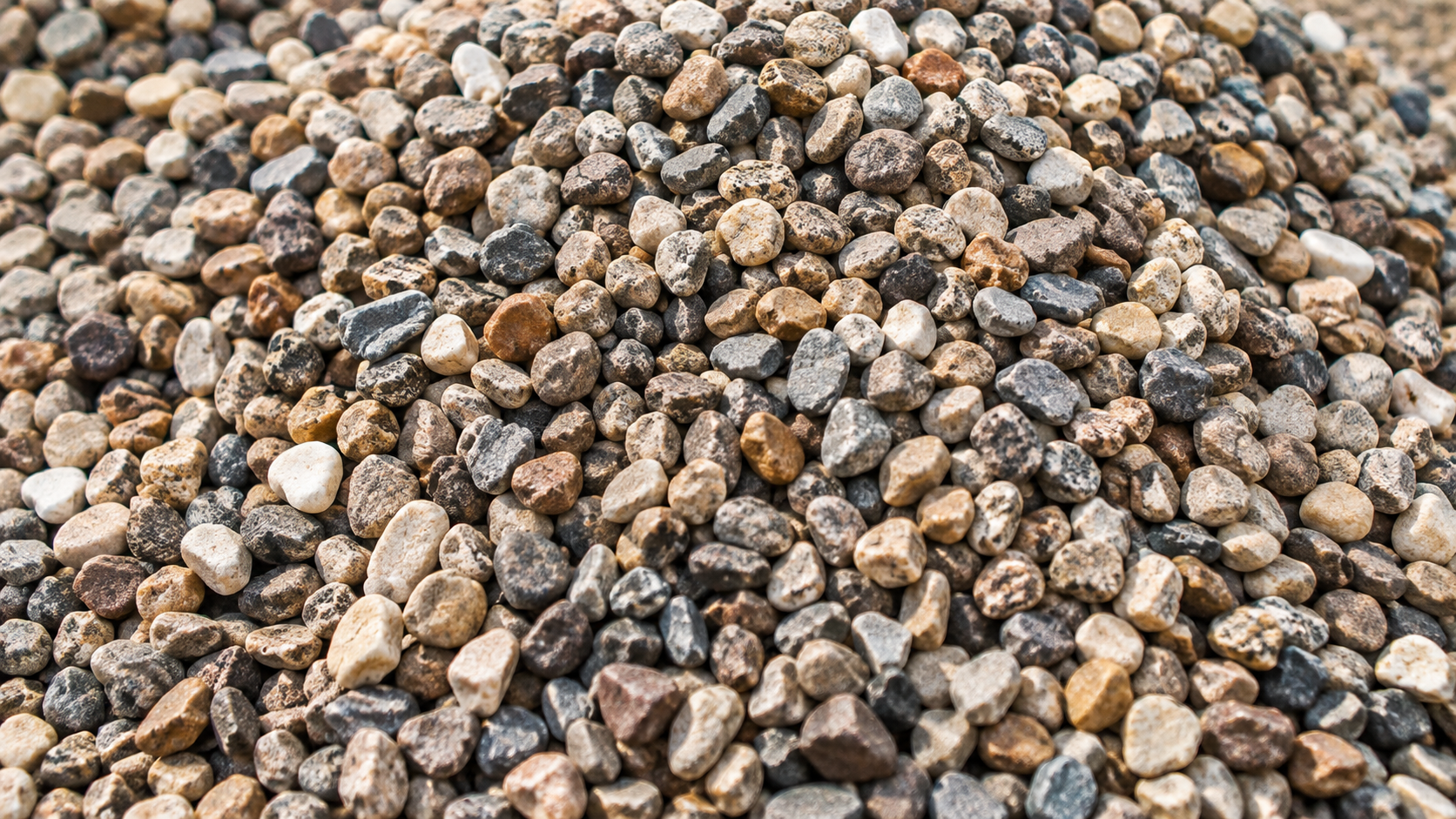
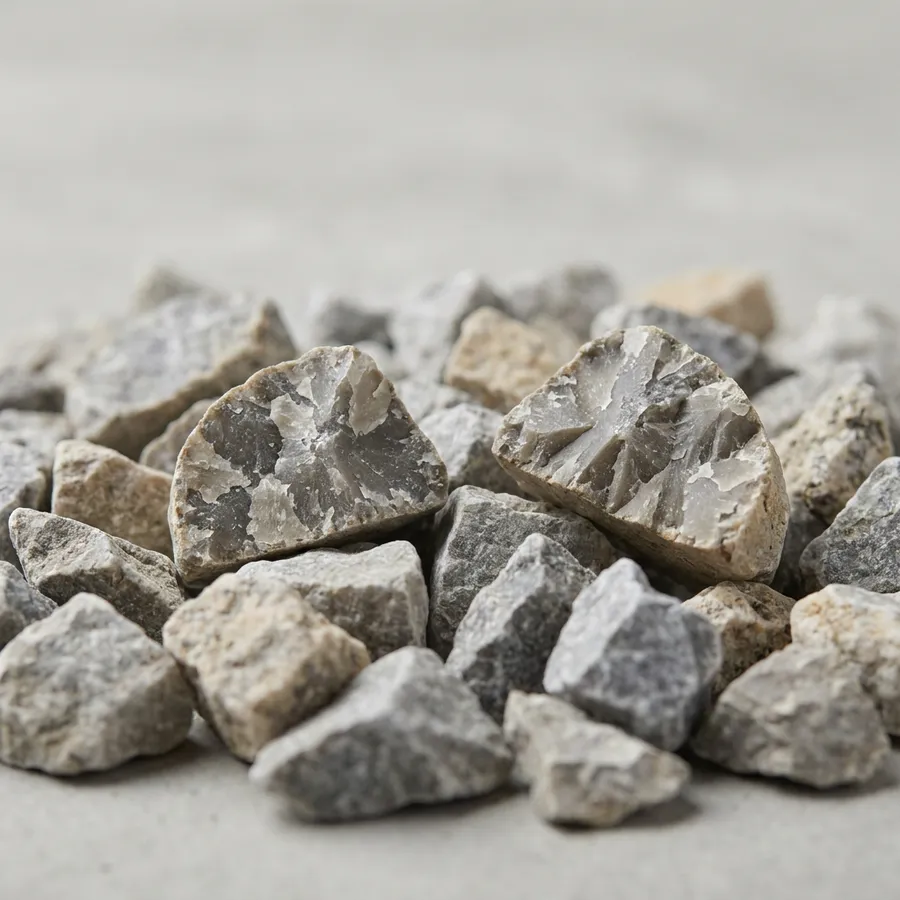
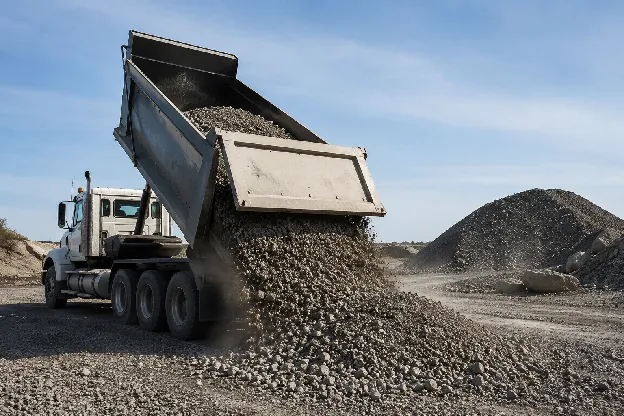
7 limestone gravel gray is a specific type of crushed stone aggregate made from dolomite, a sedimentary rock primarily composed of the mineral dolomite. The “#7” designation refers to the standardized size classification, where individual pieces measure approximately 3/4 inch in diameter.
The material’s distinctive gray color comes from the natural composition of dolomite limestone. Unlike other aggregates that may fade or change color over time, this gray limestone maintains its appearance through various weather conditions and UV exposure.
What sets this aggregate apart is its angular, crushed shape rather than the rounded edges you’d find in natural river gravels. These sharp edges create better interlocking between pieces, resulting in a more stable and compact surface when properly installed.
The hardness rating of dolomite limestone makes it exceptionally durable, resisting wear from both foot traffic and vehicle loads. This durability factor contributes significantly to its popularity in both residential and commercial applications. To better understand how this size compares to other options, check out our comprehensive guide to limestone gravel sizes.

Construction applications and benefits
In construction projects, #7 limestone gravel gray serves multiple critical functions. As a base material for concrete, it provides the structural foundation that determines the longevity and stability of the finished surface. The angular pieces create void spaces that allow for proper drainage while maintaining structural integrity.
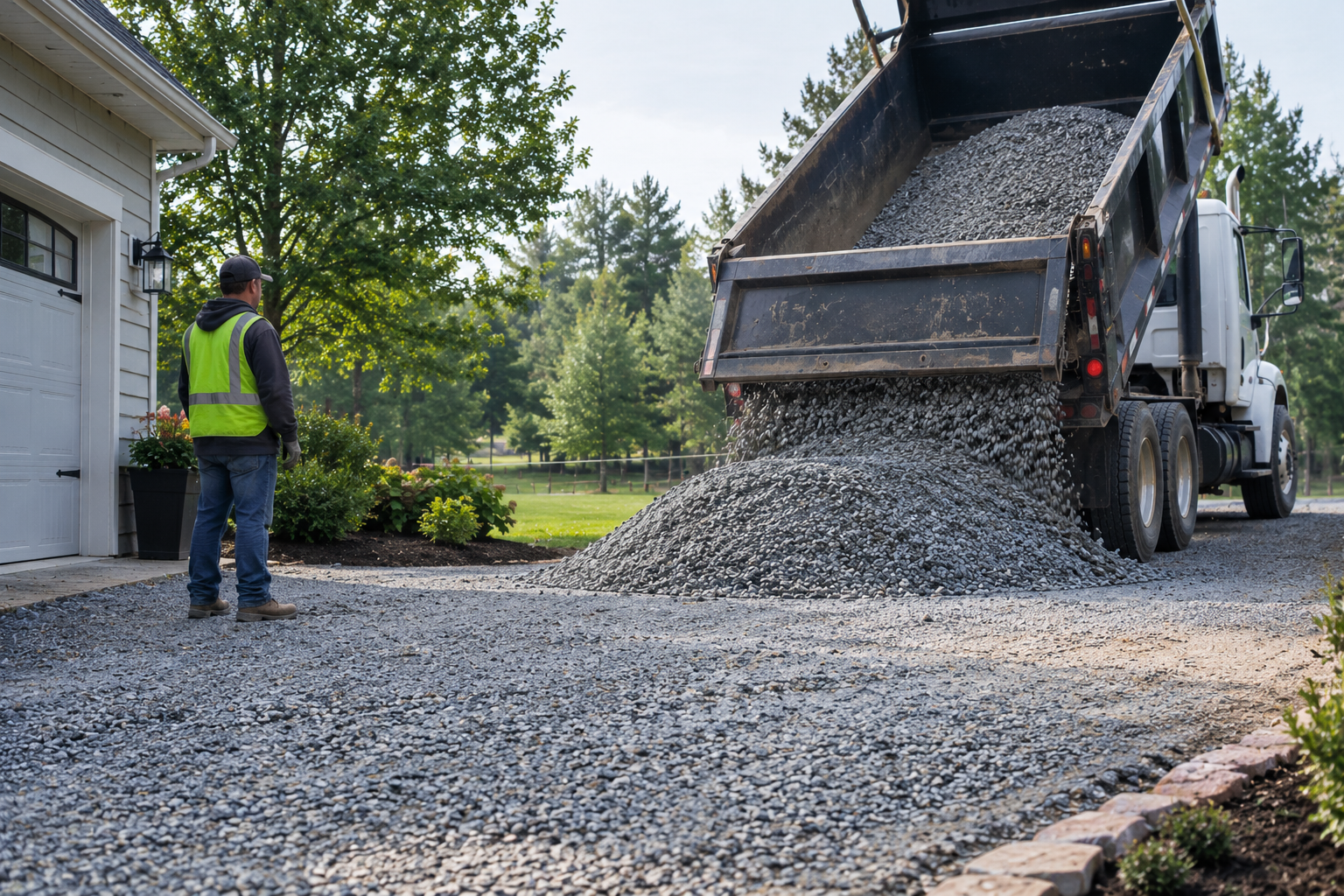
Road construction and driveway installation represent two of the most common uses. The material compacts well under pressure, creating a solid foundation that can support heavy vehicle loads without shifting or settling. This makes it particularly valuable for areas that experience regular traffic. Understanding the top uses of limestone in construction can help you determine if this material is right for your project.
Pro Tip: When using #7 limestone gravel as a concrete base, aim for a compacted thickness of 4-6 inches for optimal load distribution and drainage.
The aggregate also works effectively as fill material in construction sites. Its ability to interlock and compact makes it ideal for filling gaps, leveling uneven terrain, and creating stable work surfaces for heavy equipment.
For asphalt applications, #7 limestone gravel provides the aggregate component that gives asphalt its strength and durability. The consistent size and angular shape ensure proper binding with asphalt cement, resulting in a long-lasting pavement surface. When choosing between base materials, you might want to explore the base course battle between crushed limestone and crushed granite for superior foundation strength.
Landscaping uses and design possibilities
Beyond construction, #7 limestone gravel gray offers numerous landscaping opportunities. Its neutral gray color complements various design styles, from modern minimalist gardens to traditional landscape designs.
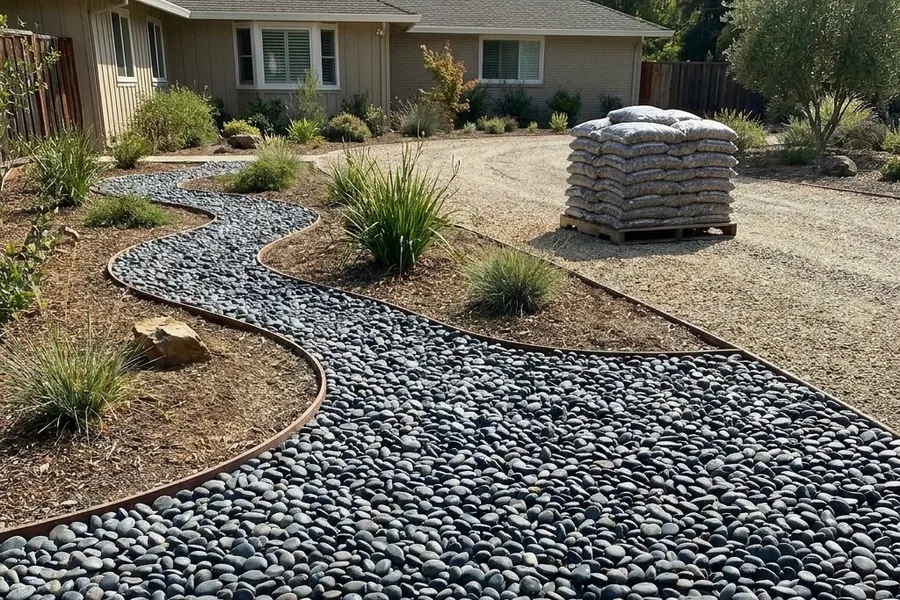
Pathway and walkway construction represents one of the most popular landscaping applications. The material creates attractive, low-maintenance surfaces that handle foot traffic well while providing excellent drainage. Unlike solid surfaces, gravel pathways allow water to permeate naturally, reducing runoff issues.
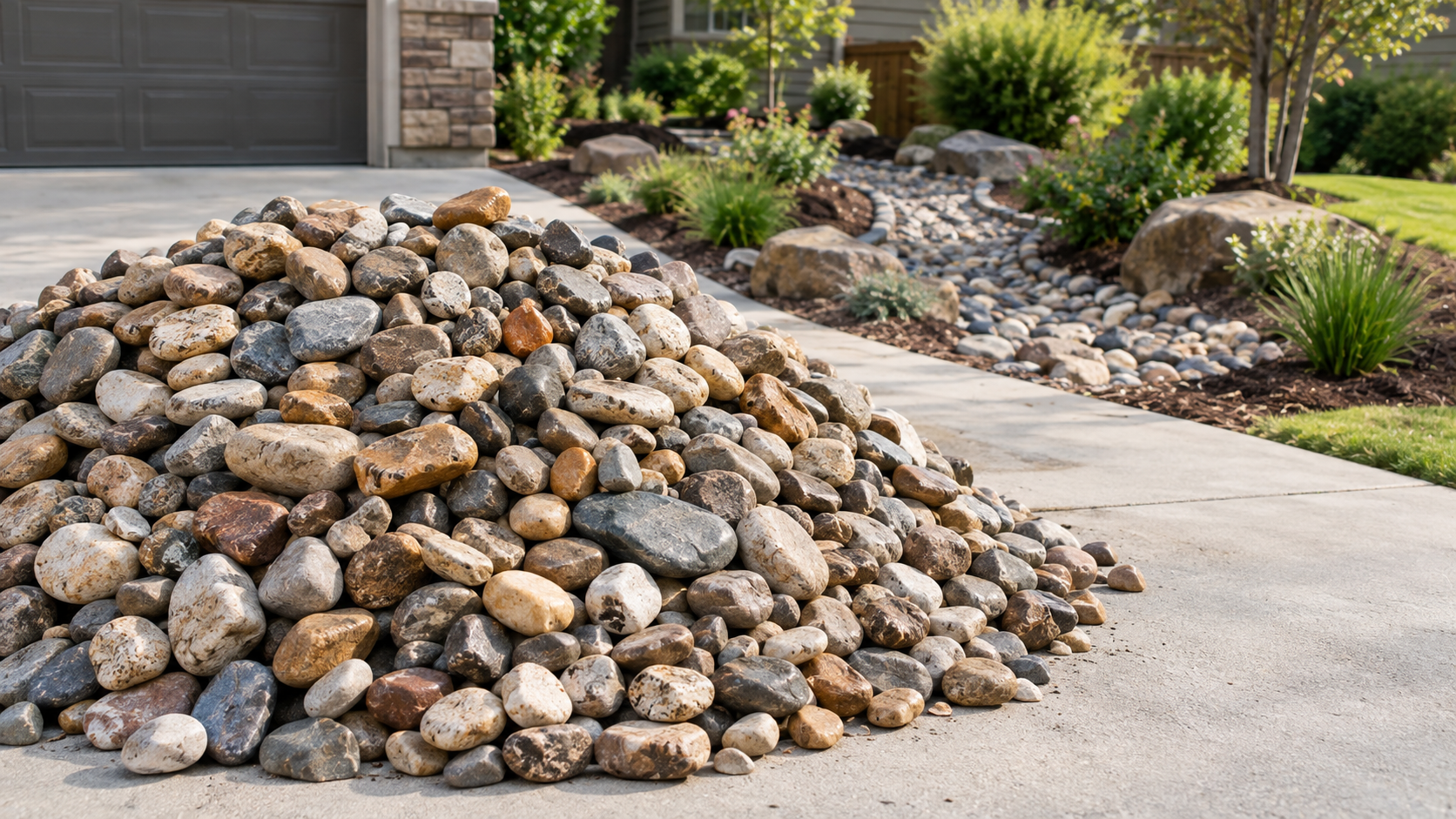
Decorative applications include using the gravel as mulch alternative around plants and trees. The gray color provides visual contrast against green foliage while offering practical benefits like weed suppression and moisture retention. The angular pieces stay in place better than rounded decorative stones, reducing the need for frequent maintenance.
Patio and outdoor living space construction also benefits from this versatile material. When properly installed with appropriate edging, #7 limestone gravel creates attractive, permeable surfaces that work well in areas where traditional paving might not be suitable.
The material works particularly well for French drain systems and other drainage applications, where its angular shape and consistent sizing promote proper water flow while filtering out debris.
Cost factors and buying considerations
The cost of #7 limestone gravel gray typically ranges from $20 to $30 per ton, making it a cost-effective choice compared to many decorative alternatives. However, several factors influence the final price you’ll pay for your project.
| Cost Factor | Impact on Price | Typical Range |
|---|---|---|
| Quantity | Bulk orders reduce per-ton cost | 10-20% savings |
| Distance | Local suppliers cost less | $5-15 per ton |
| Delivery | Included vs. separate charges | $50-150 per load |
| Season | Peak construction season premium | 5-15% increase |
Supplier selection plays a crucial role in both cost and quality. Local quarries often offer the best pricing due to reduced transportation costs, but you’ll want to verify the quality and consistency of their product. Some suppliers offer volume discounts for orders over certain tonnage thresholds.
Transportation costs can significantly impact your total project expense. If you’re located far from limestone quarries, the delivery charges might exceed the material cost itself. This makes it worth comparing total delivered prices from multiple suppliers rather than just the per-ton rate.
Budget Planning: Factor in additional costs like equipment rental for spreading and compacting, which can add $100-300 to your project depending on size and complexity.
Quality variations between suppliers can affect long-term value. Higher-grade materials with consistent sizing and minimal dust content may cost slightly more upfront but provide better performance and appearance over time. For more information on different limestone sizes and their applications, explore our detailed guide.

Getting quality materials delivered
When you’re ready to move forward with your project, working with a reliable aggregate supplier ensures you receive consistent, high-quality materials delivered on schedule. Professional suppliers understand the importance of proper sizing, cleanliness, and moisture content in aggregate materials.
Quality #7 limestone gravel should have minimal dust content and consistent piece sizing. Excessive dust can interfere with compaction and drainage, while inconsistent sizing creates weak spots in your finished surface. Reputable suppliers screen their materials to meet industry standards. If you’re comparing different materials, learning about the difference between gravel and limestone can help you make an informed decision.
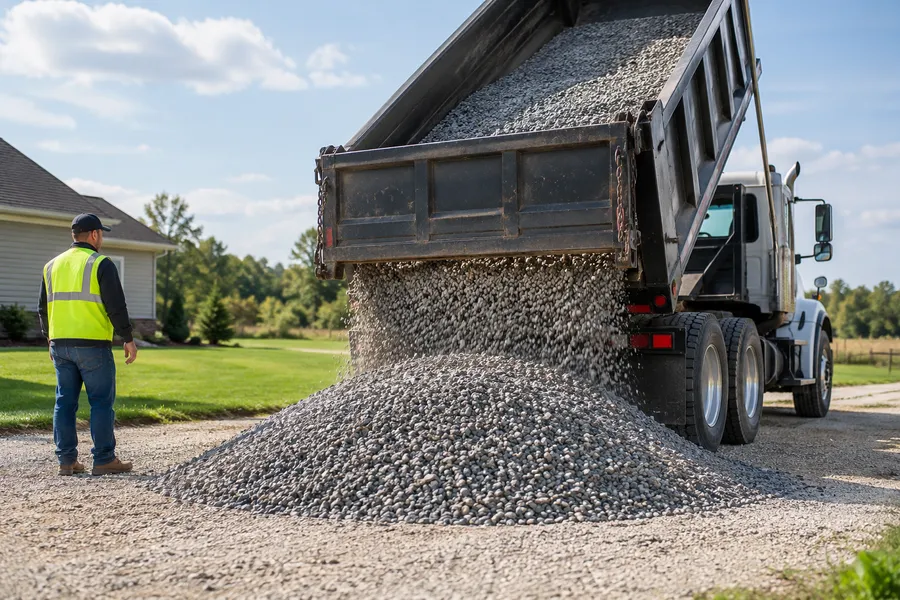
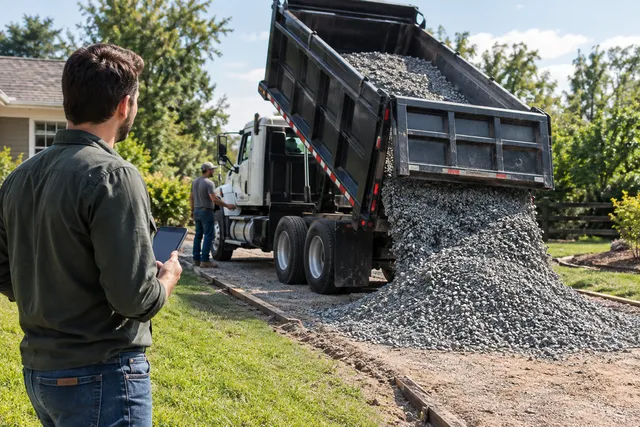
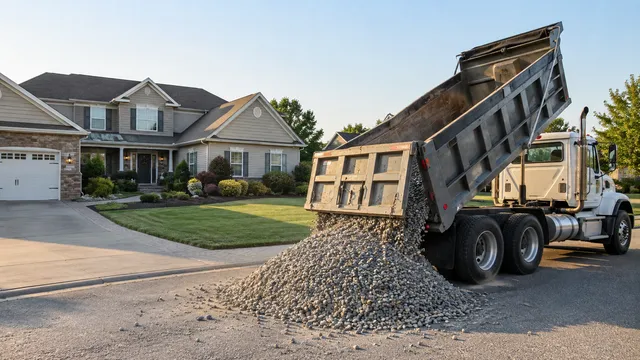
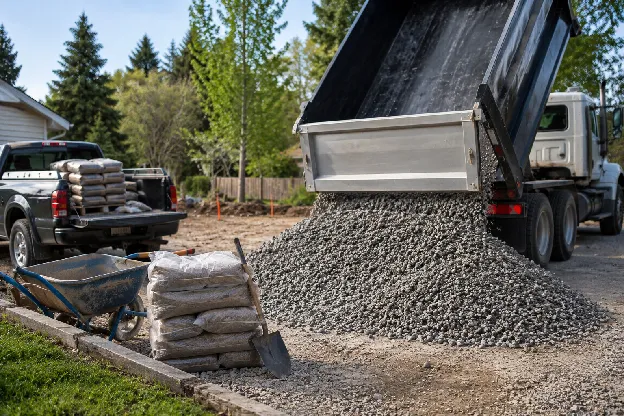
Delivery logistics matter more than you might expect. Professional delivery services can place materials exactly where you need them, saving hours of manual labor. They also understand proper dumping techniques that prevent damage to existing surfaces and make material handling easier.
Consider the timing of your delivery carefully. Materials delivered too early might be in the way of other work, while late deliveries can delay your entire project schedule. Coordinate with your supplier to ensure materials arrive when you’re ready to use them.
The convenience of professional aggregate delivery extends beyond just dropping off materials. Experienced suppliers can help you calculate quantities accurately, suggest alternatives if needed, and provide guidance on installation techniques that maximize the performance of your investment.
Working with established suppliers also provides peace of mind through consistent availability and reliable service. When you find a supplier that delivers quality materials on time, building that relationship benefits all your future projects.
FAQ
What is #7 limestone gravel used for?
How much does #7 limestone gravel cost per ton?
What’s the difference between #7 gravel and #57 gravel?
Is #7 limestone gravel good for driveways?
Author: igor